To request further details about this lot, please email [email protected]

Adam Veil
VP, Head of Department, American Art and Pennsylvania Impressionists
Sale 2105
| Philadelphia
| Philadelphia
To request further details about this lot, please email [email protected]
Adam Veil
VP, Head of Department, American Art and Pennsylvania Impressionists
Estimate$15,000 – $25,000
This painting will be included in Patrick Bertrand's forthcoming catalogue raisonné of the work of Theodore Earl Butler. We are grateful for his assistance cataloging this lot.
Provenance:
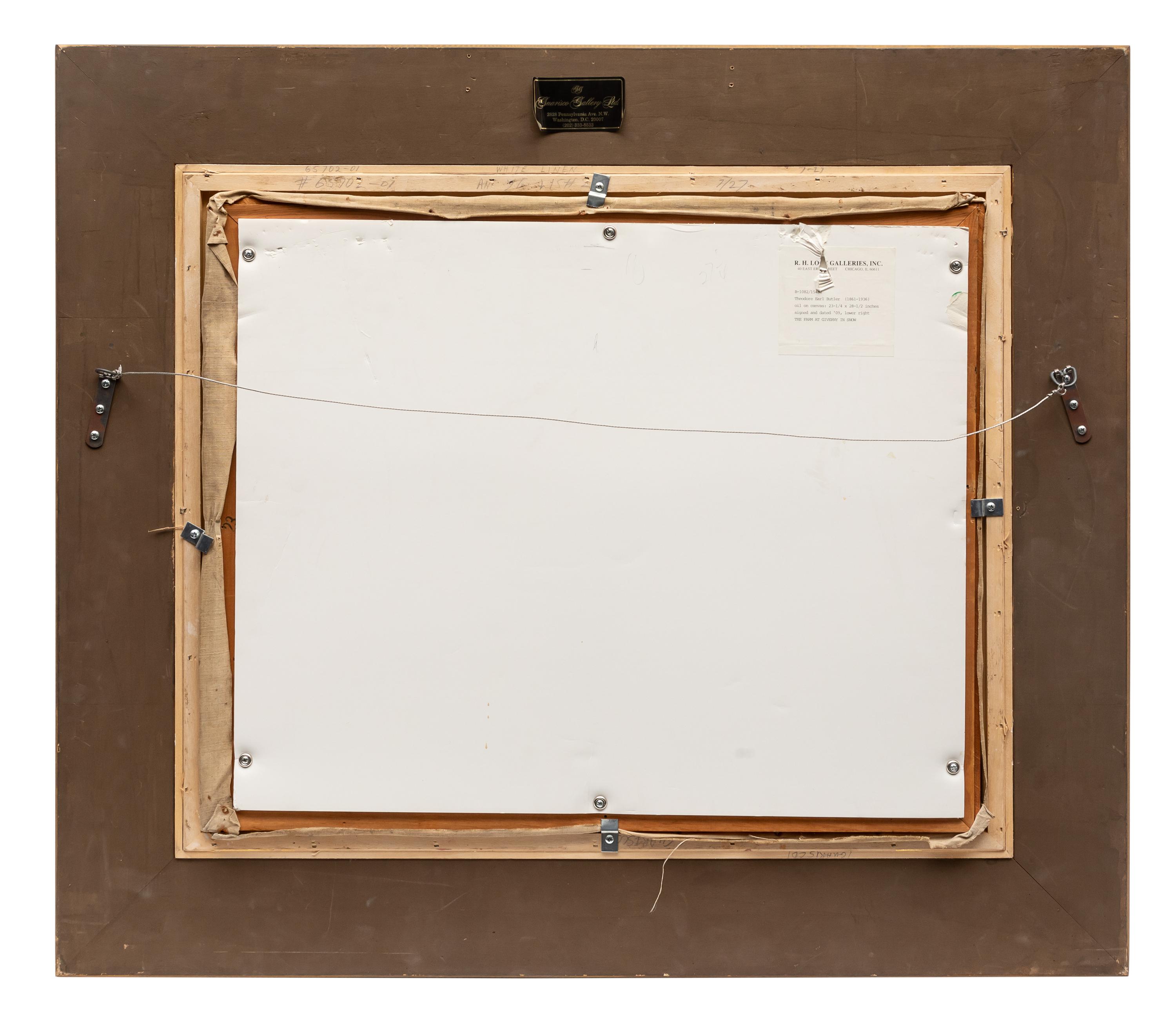
Guarisco Gallery Ltd., Washington, DC.
R. H. Love Galleries, Chicago (as Farmhouse, Giverny in Snow).
Lot Essay:
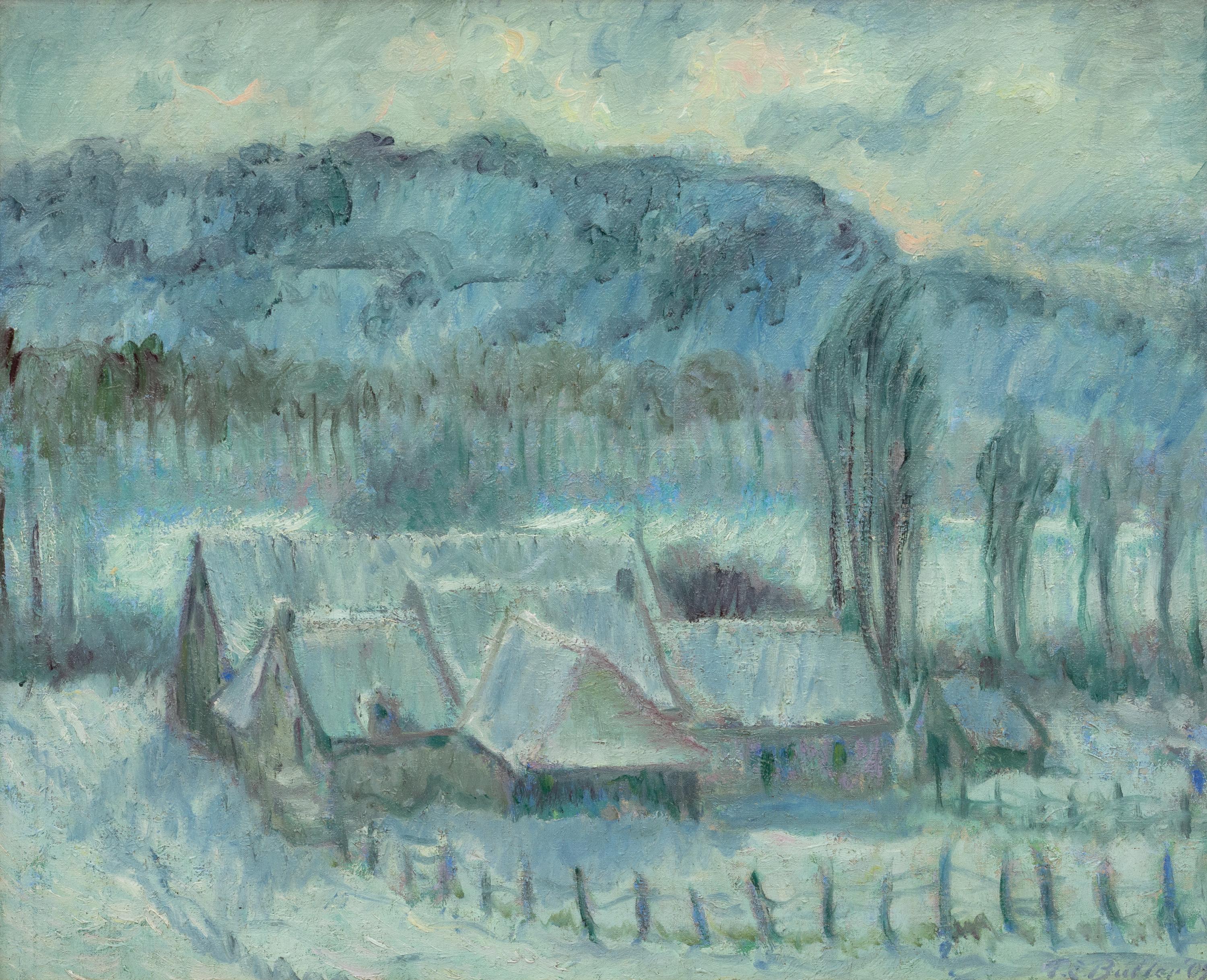
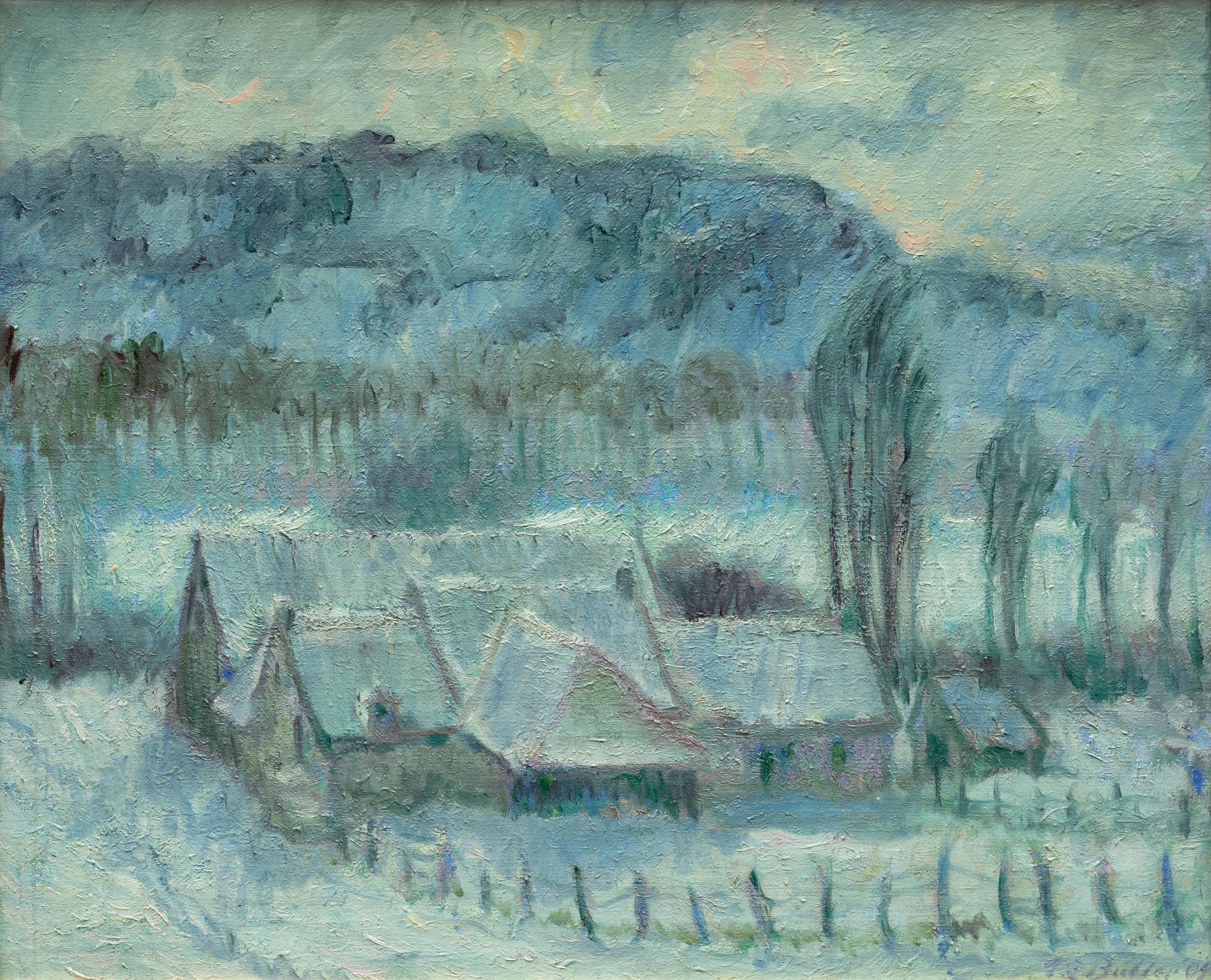
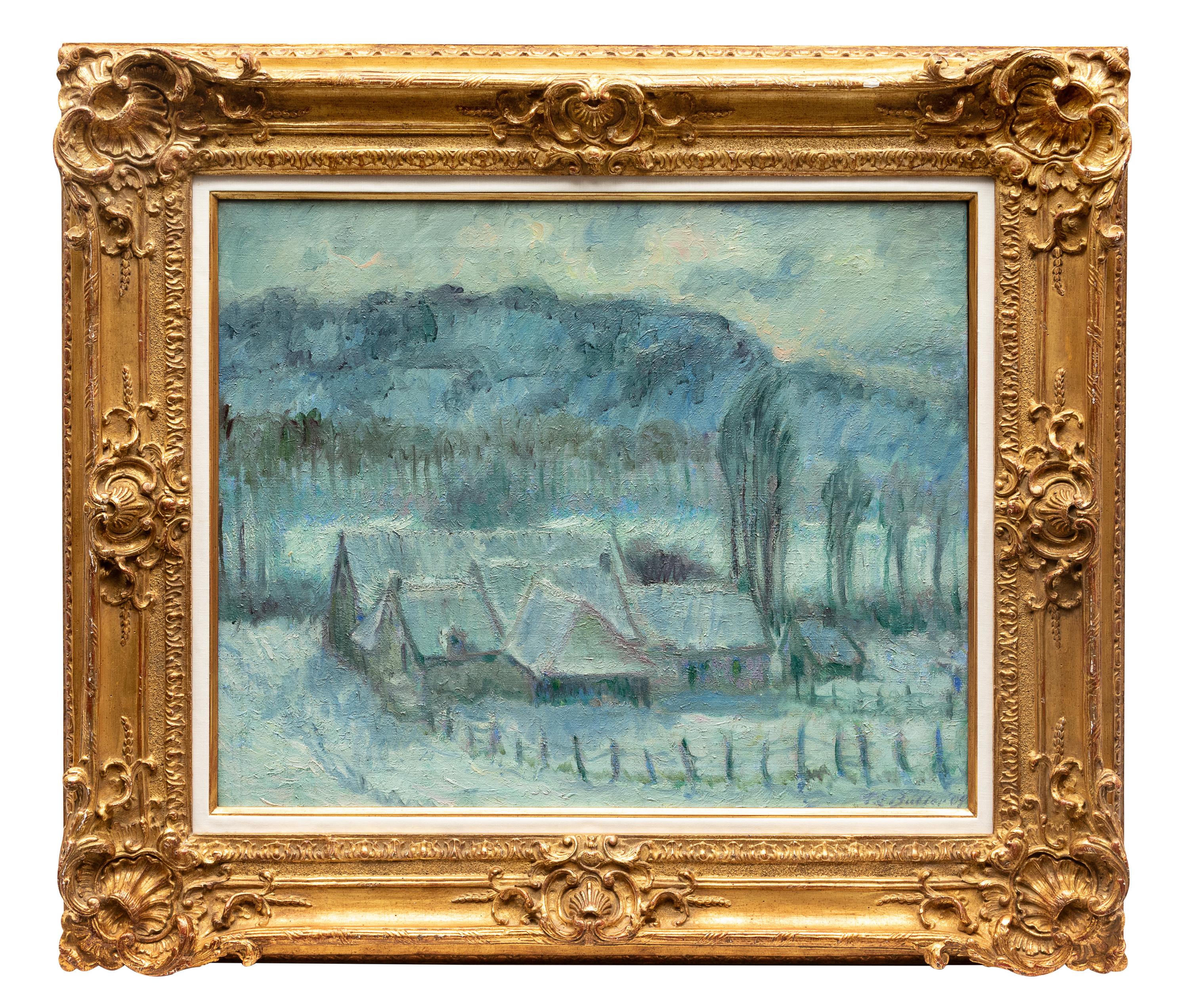
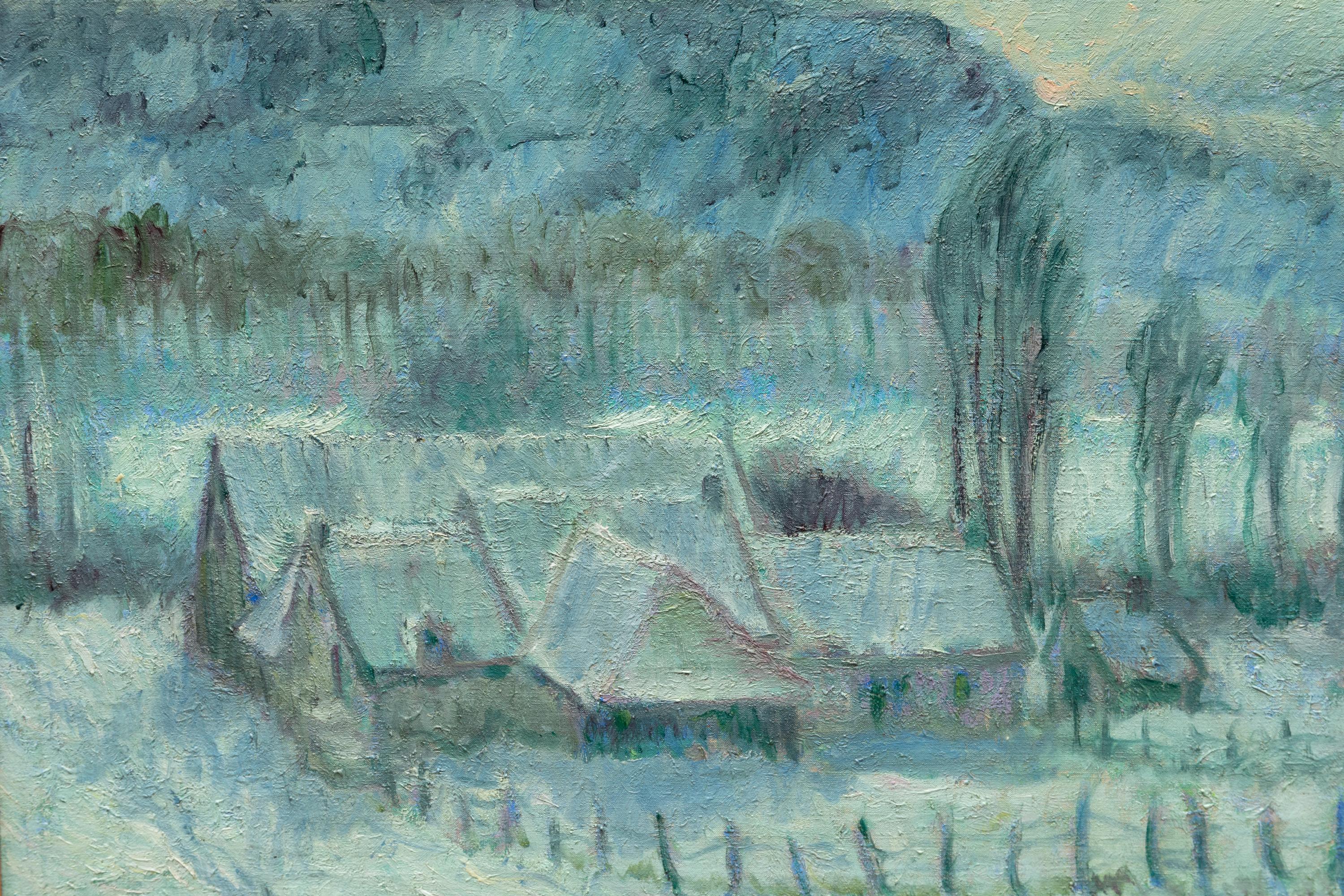
The present work, Ferme de la Dîme, Giverny, 1909, depicts a historic structure in Giverny dating to the 13th century. Dimière barns, including the one in Giverny, were built to store the tithe (Dîme), a tax of one tenth of all cattle and crops intended for the Catholic church. The Dîmière barn served to protect these harvests from bad weather until they were redistributed to their beneficiary, the secular clergy of the Abbey of Saint-Ouen of Rouen. But with the fall of the Ancient Régime, during the French Revolution, the barn lost its secular utility and was transformed into a farm building. It now exists as a bespoke bed and breakfast.
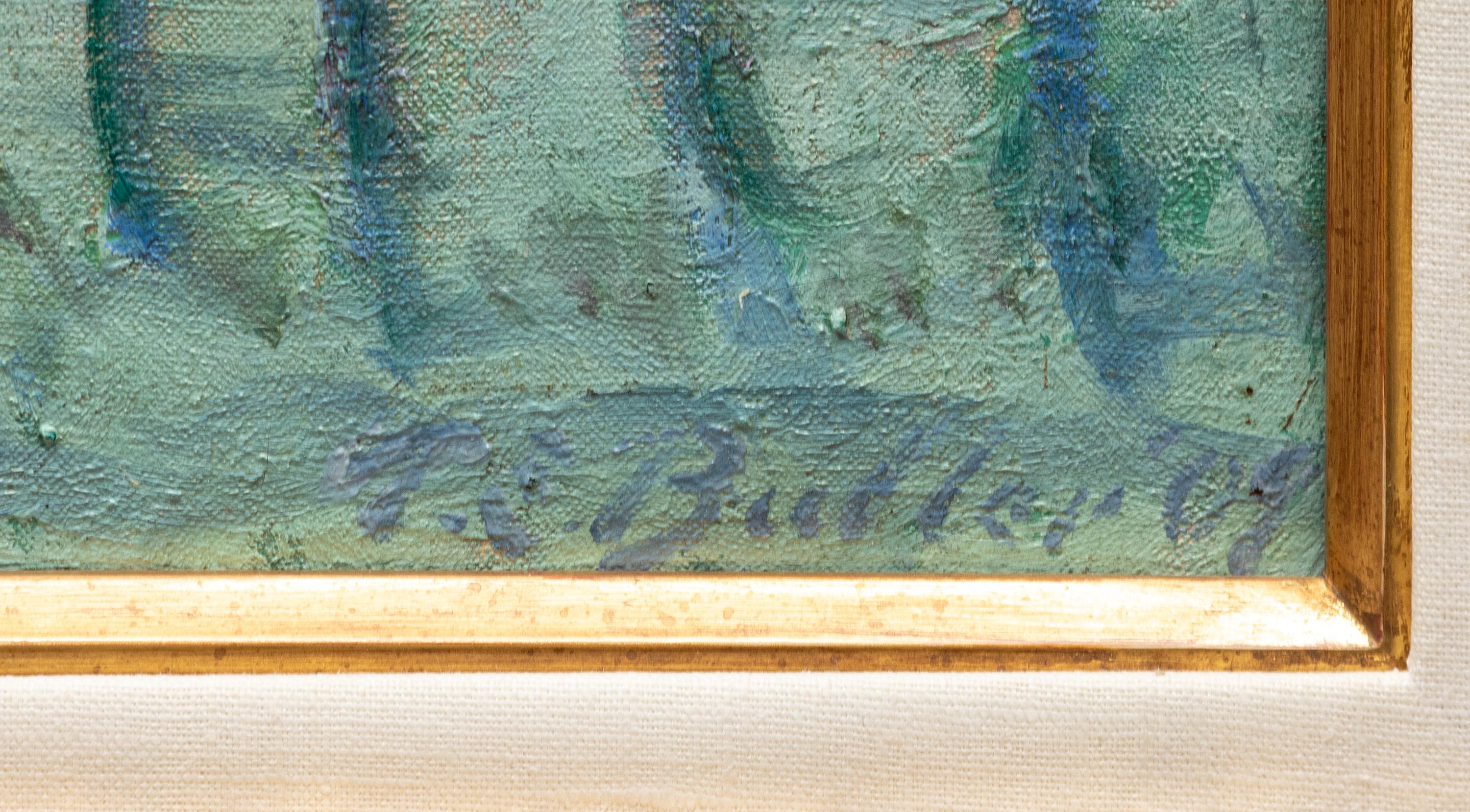
The son of a prominent businessman, Columbus, Ohio born Theodore Earl Butler settled in Giverny, France in 1892, after attending the Art Students League of New York and the academies Julian and Colarossi in Paris. The artist was to become an integral part of a burgeoning American Impressionist artistic community, which included Theodore Robinson and Philip Leslie Hale, among others. Butler also befriended Claude Monet, and eventually married Monet’s stepdaughter Suzanne Hoschedé and, after her death, her sister, Marthe Hoschedé.
At Giverny, Butler crafted his own style, combining Impressionist color and brushwork with Post-Impressionist abstracted, flattened forms and an emphasis on patterning. He used this technique to craft numerous variations of the landscape surrounding him. The artist was particularly fascinated with the changeability of the winter season, and found endless possibilities in its gray days, overcast skies, leafless trees, and snow-covered fields and roads. Ferme de la Dîme, Giverny exhibits the expressive, flat brushwork of Post-Impressionism, as seen in the brushy outlines of the trees and thick borders describing the farm’s shape, while simultaneously, the blue, purple, and gray tones scintillate across the surface and perfectly evoke the chill of a misty winter day.
Minor deposits of surface dirt and dust; canvas is not lined; instances of minor craquelure scattered throughout, though primarily located upper center and upper right areas of the sky; under a dirty and yellowed varnish. Under UV light: no apparent inpainting is visible. Additional images available upon request.
Framed: 34 1/2 x 40 x 3 1/4 in.
The physical condition of lots in our auctions can vary due to age, normal wear and tear, previous damage, and restoration/repair. All lots are sold "AS IS," in the condition they are in at the time of the auction, and we and the seller make no representation or warranty and assume no liability of any kind as to a lot's condition. Any reference to condition in a catalogue description or a condition report shall not amount to a full accounting of condition. Condition reports prepared by Freeman's staff are provided as a convenience and may be requested from the Department prior to bidding.
The absence of a posted condition report on the Freeman's website or in our catalogues should not be interpreted as commentary on an item's condition. Prospective buyers are responsible for inspecting a lot or sending their agent or conservator to inspect the lot on their behalf, and for ensuring that they have requested, received and understood any condition report provided by Freeman's.
Please email [email protected] for any additional information or questions you may have regarding this lot.