To request further details about this lot, please email [email protected]
Monica Brown
Managing Director, Vice President, Fine Art, Head of Department, Prints and Multiples
Sale 6339
| Chicago
| Chicago
To request further details about this lot, please email [email protected]
Monica Brown
Managing Director, Vice President, Fine Art, Head of Department, Prints and Multiples
Estimate$1,000 – $2,000
Lot Note:
Harry Callahan
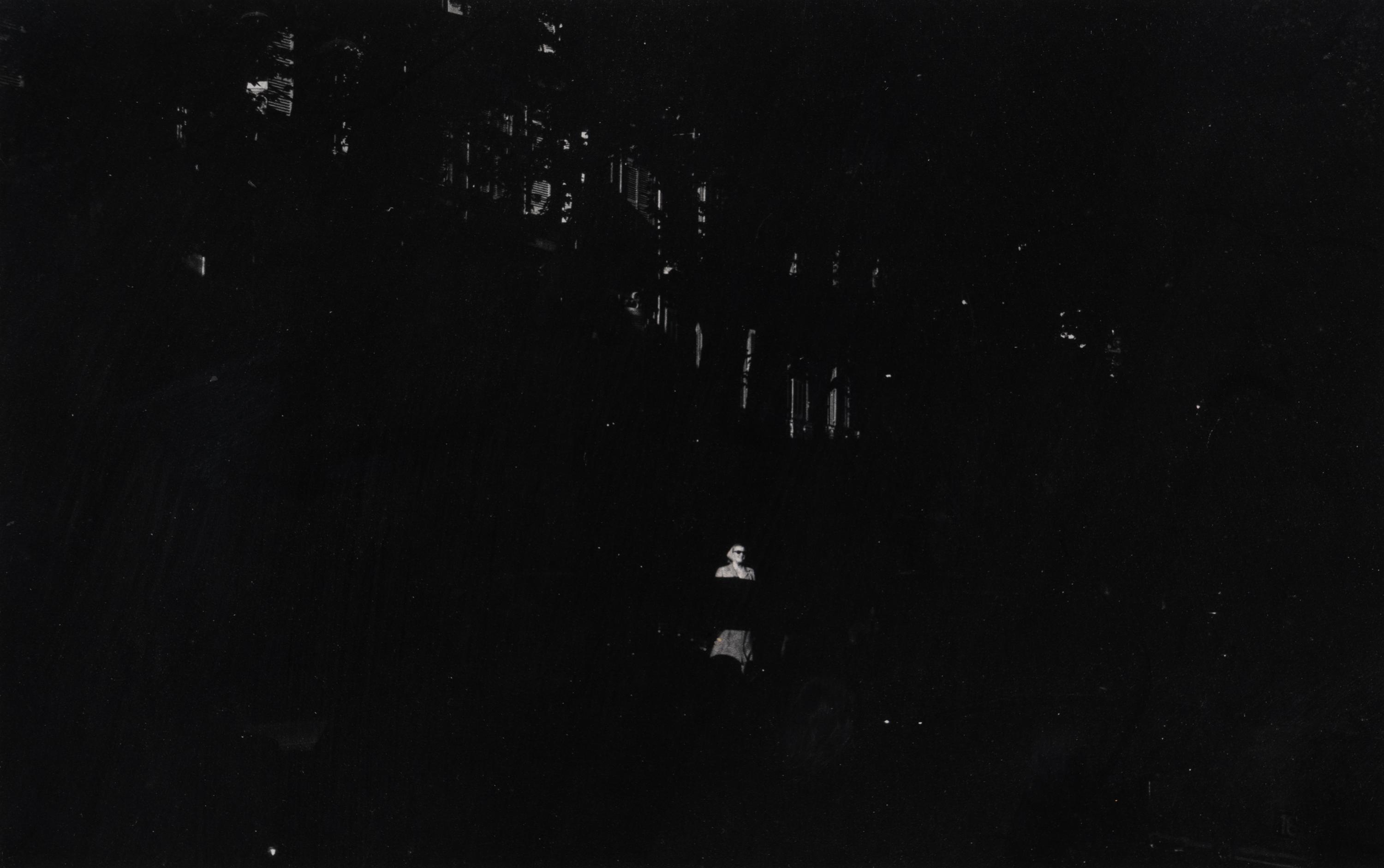
Harry Callahan’s groundbreaking experimentation; emphasis on his personal life experiences, human relationships, and Modernist principles; and championing of photography in his role as an educator places him as one of the most foundational photographers of the twentieth century.
Born in Detroit in 1912, following college Callahan began to work for General Motors, where he joined the Chrysler Camera Club in 1938 as a hobby, buying his first camera. Self-taught, he began to pursue photography more seriously following a 1941 workshop and lecture by Ansel Adams. Following time spent in New York in 1945, where he interacted with several influential photographers like Helen Levitt, Paul Strand, and Berenice Abbott, Callahan moved to Chicago in 1946 to teach photography at The New Bauhaus—the Institute of Design at the Illinois Institute of Technology. The school, started by László Moholy-Nagy in 1937, emphasized Modernist and Bauhaus values about the importance of integrating design and everyday life as well as a focus on experimentation. Teaching alongside Aaron Siskind, Callahan was a pioneer of experimental techniques in the dark room, embracing the use of double and triple exposures, heavy contrasts, collage, and blurring to achieve impressive and often abstract effects. Callahan also emphasized the importance of drawing from personal experience and human connection. His muses throughout his career were his wife, Eleanor, and his daughter, Barbara. He would also comb the cities in which he lived for candid shots, expertly adapting his shutter speed and exposure to meet the challenge of capturing his moving subjects in real time without losing the depth of his subjects’ intensity and emotion.
In 1961, Callahan was invited to begin a photography department at the Rhode Island School of Design, which he chaired until 1975. From his many contributions to the medium, Callahan was chosen as the first photographer to represent the United States at the Venice Biennale in 1978.
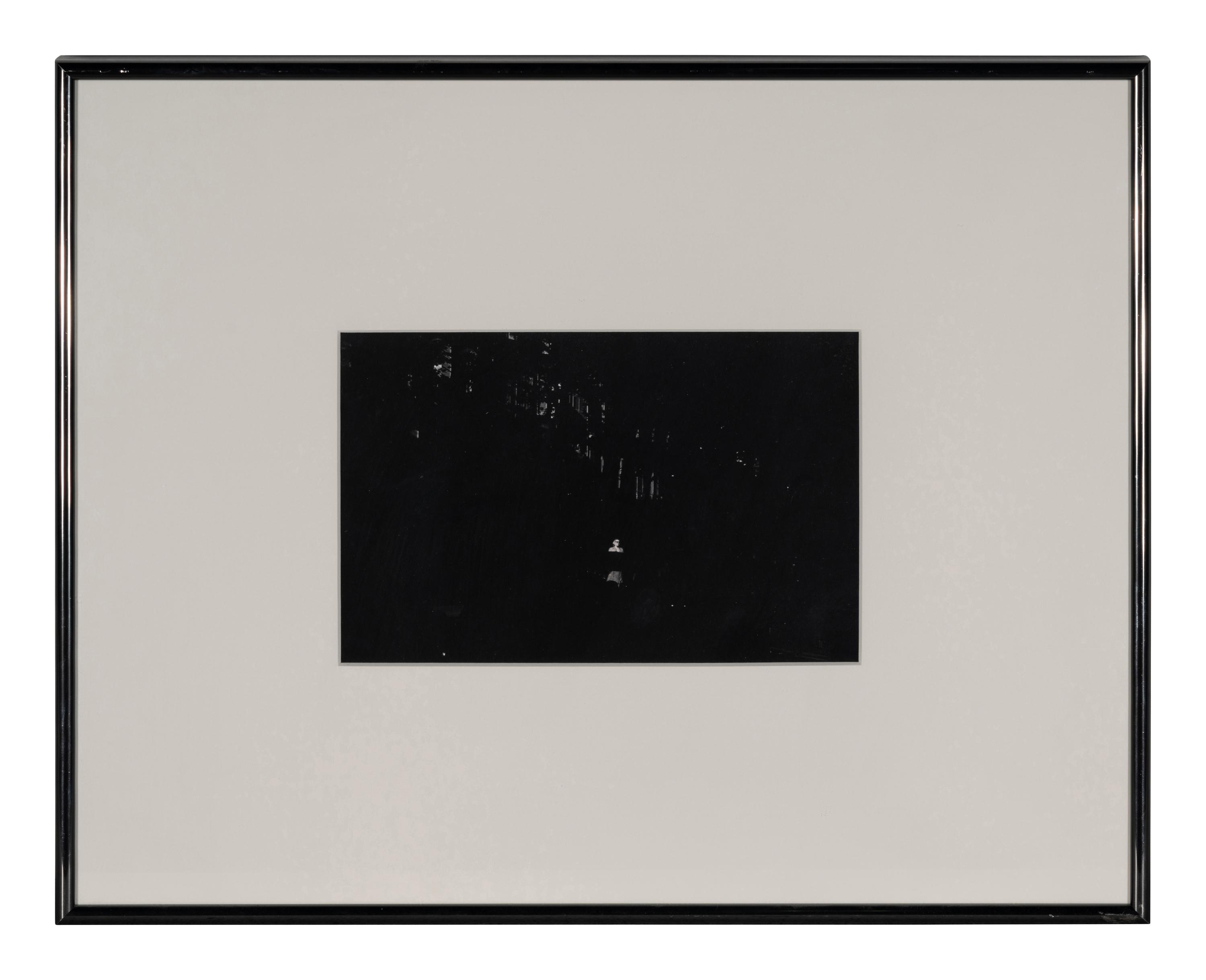
This exciting example from 1949 offered here of Callahan’s wife Eleanor particularly illustrates his innovative working methods and fastidious pursuit of perfection.
Framed: 16 1/4 x 20 1/4 inches.
Sheet: 8 x 10 inches.
Cornered to backmat; appears to be in good condition. Please request additional images.
The physical condition of lots in our auctions can vary due to age, normal wear and tear, previous damage, and restoration/repair. All lots are sold "AS IS," in the condition they are in at the time of the auction, and we and the seller make no representation or warranty and assume no liability of any kind as to a lot's condition. Any reference to condition in a catalogue description or a condition report shall not amount to a full accounting of condition. Condition reports prepared by Freeman's staff are provided as a convenience and may be requested from the Department prior to bidding.
The absence of a posted condition report on the Freeman's website or in our catalogues should not be interpreted as commentary on an item's condition. Prospective buyers are responsible for inspecting a lot or sending their agent or conservator to inspect the lot on their behalf, and for ensuring that they have requested, received and understood any condition report provided by Freeman's.
Please email [email protected] for any additional information or questions you may have regarding this lot.