To request further details about this lot, please email [email protected]

Corbin Horn
Vice President, Head of Department, European Furniture & Decorative Arts
Sale 6452
| Chicago
| Chicago
To request further details about this lot, please email [email protected]
Corbin Horn
Vice President, Head of Department, European Furniture & Decorative Arts
Estimate$800 – $1,200
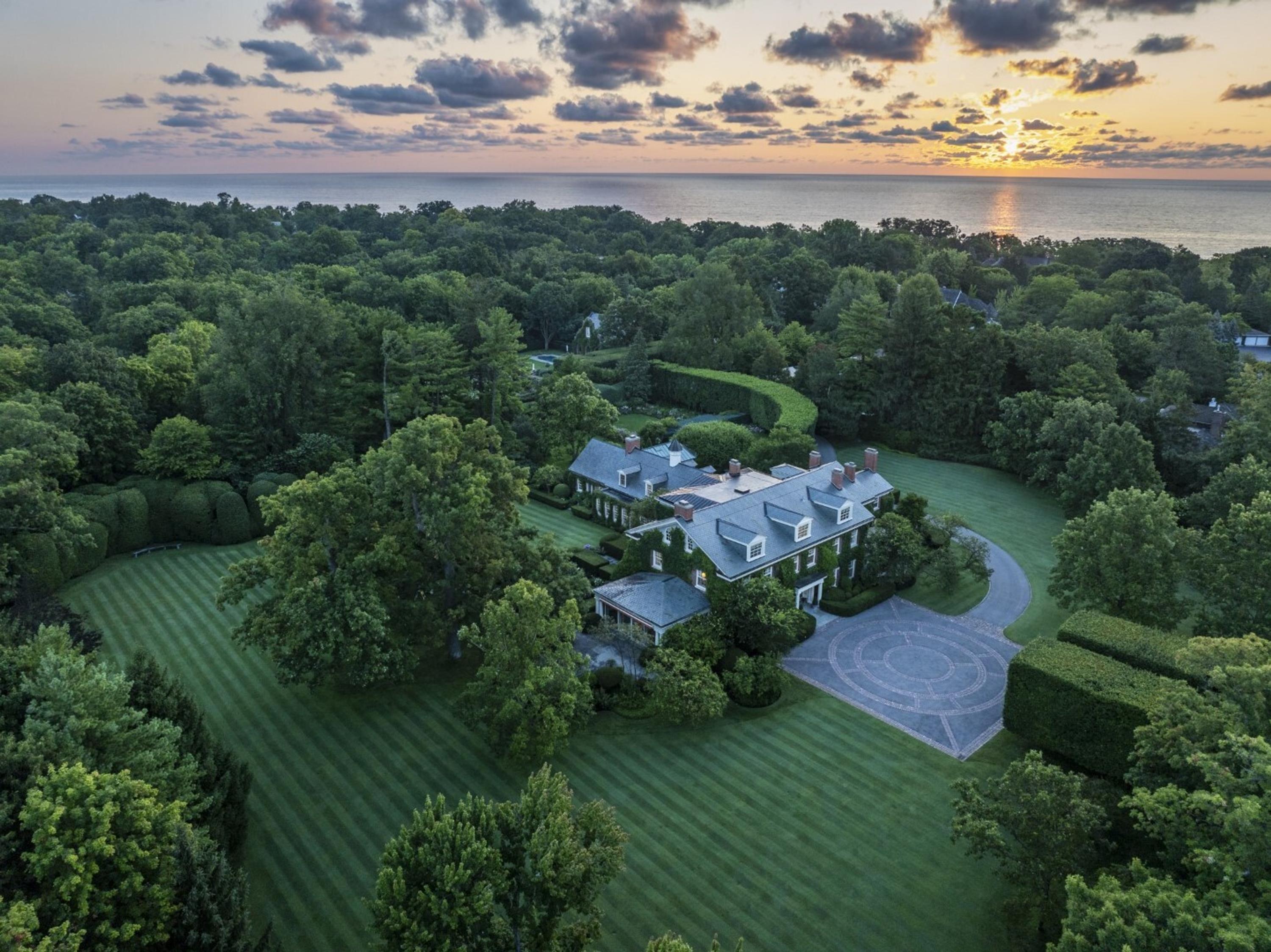
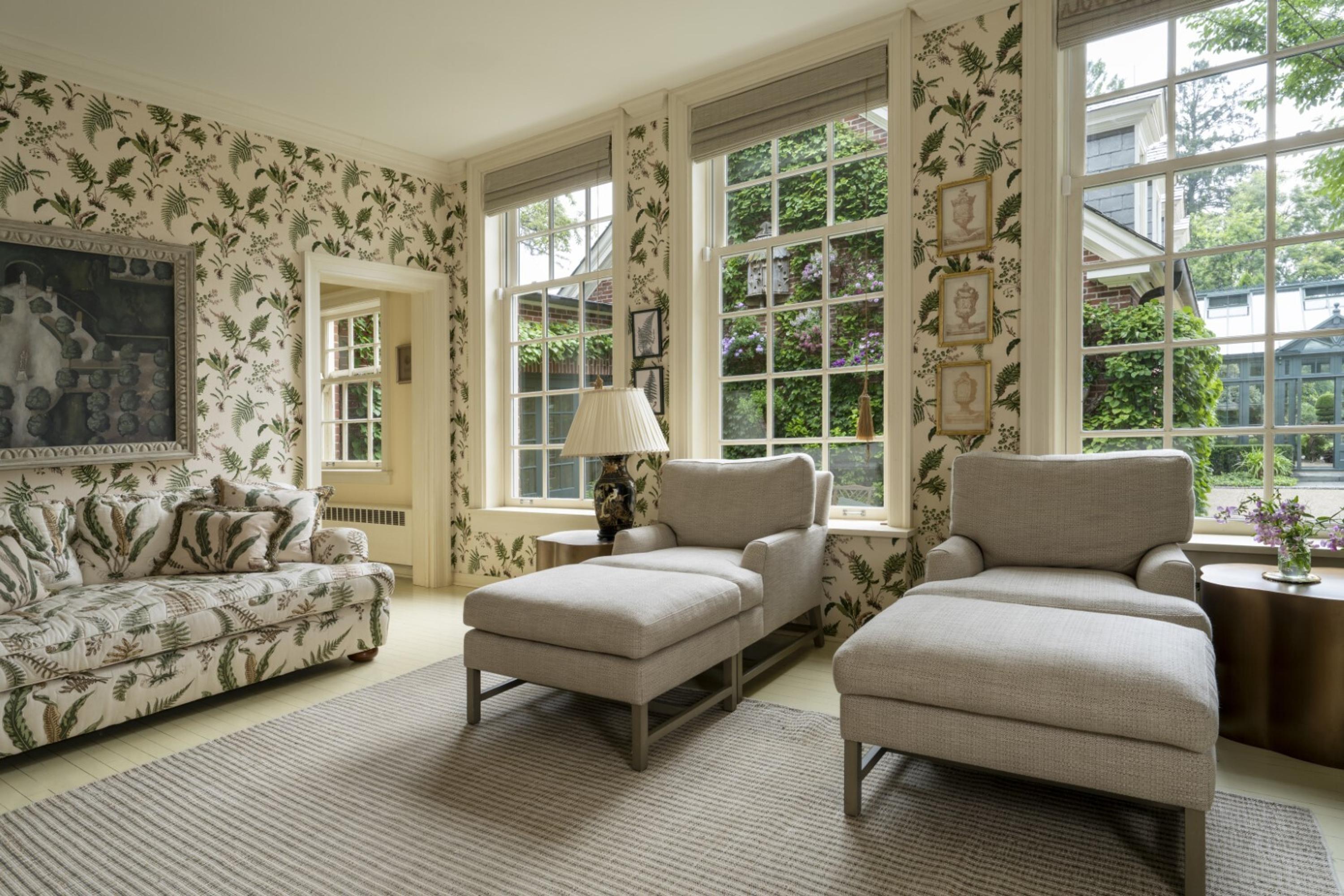
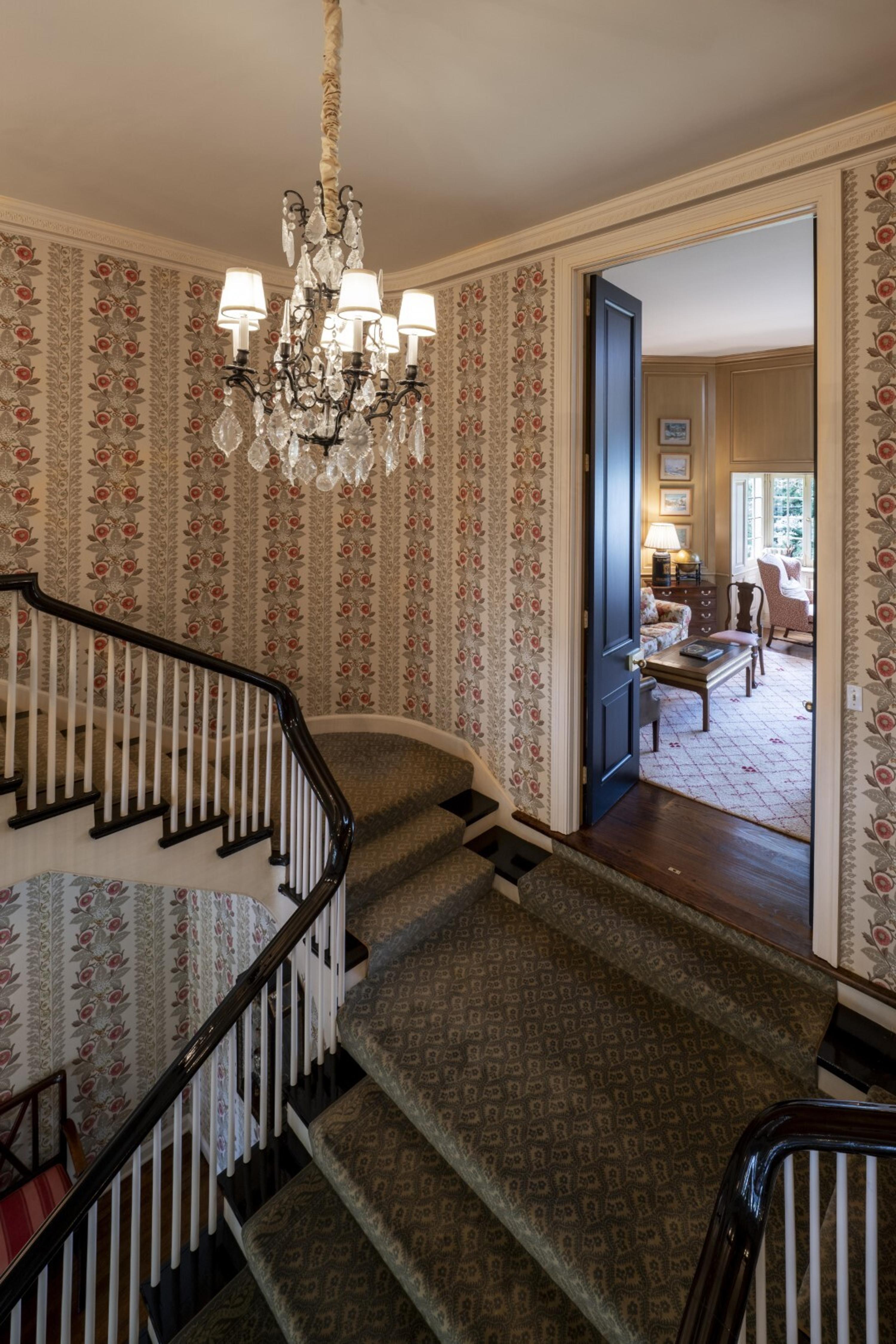
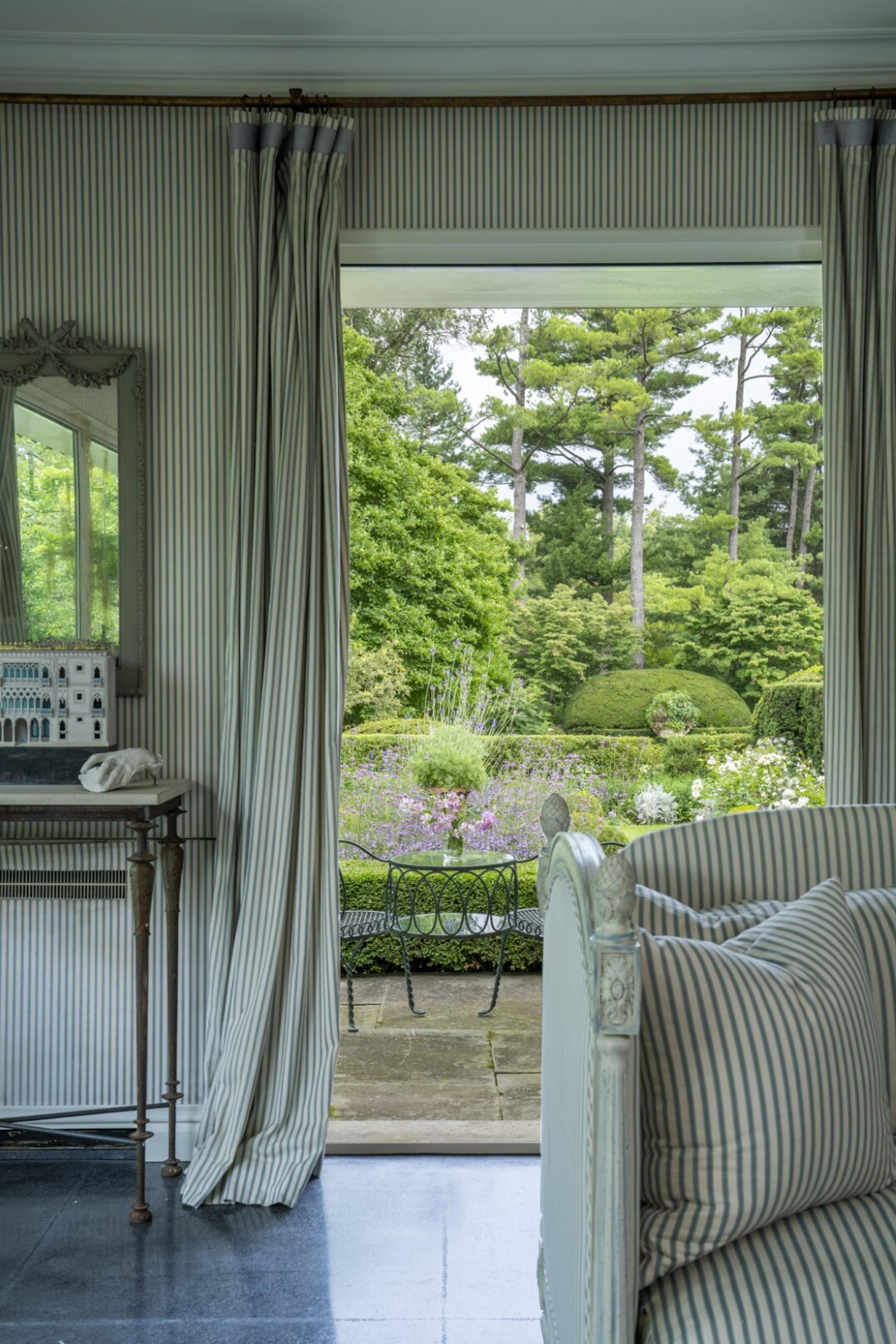
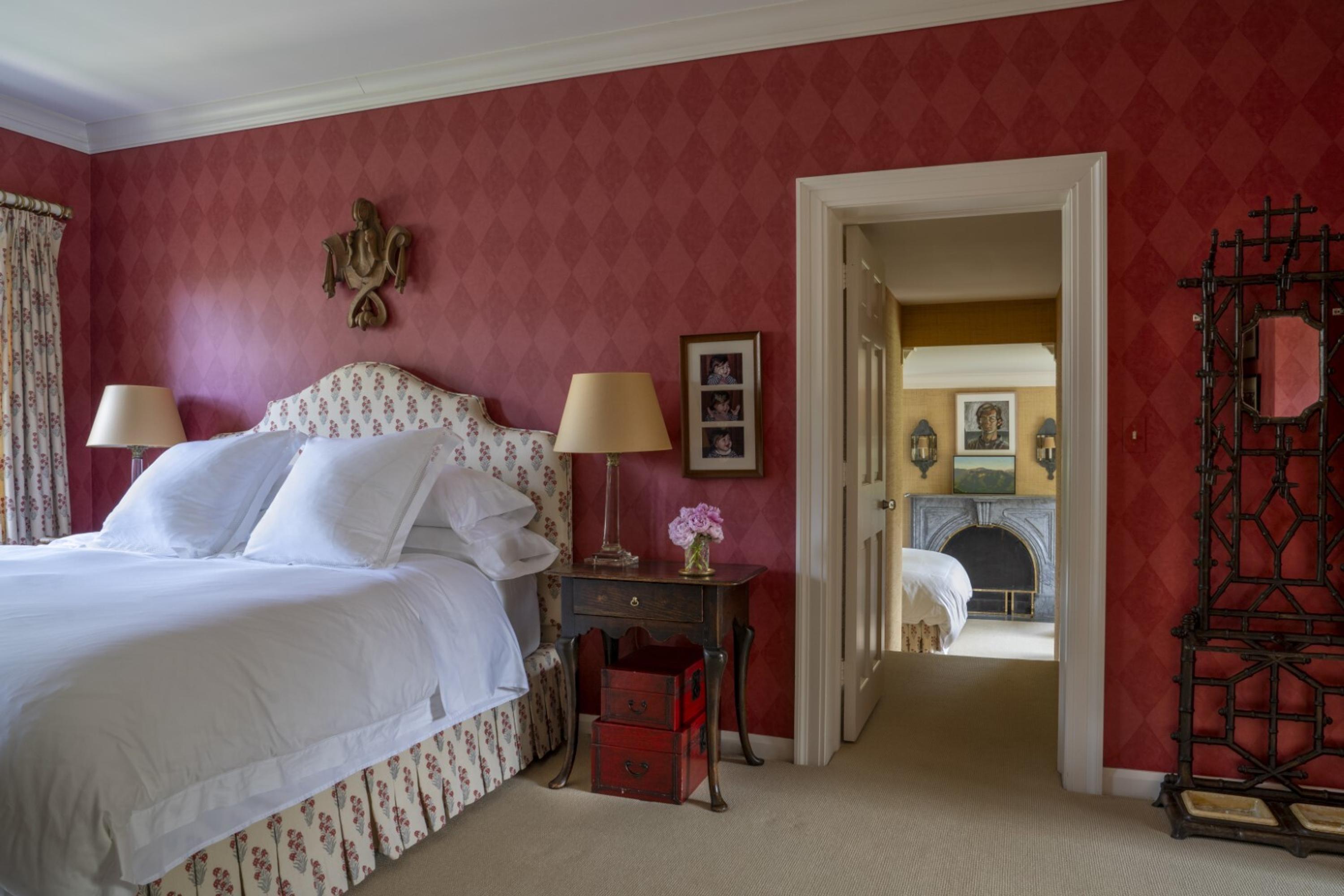
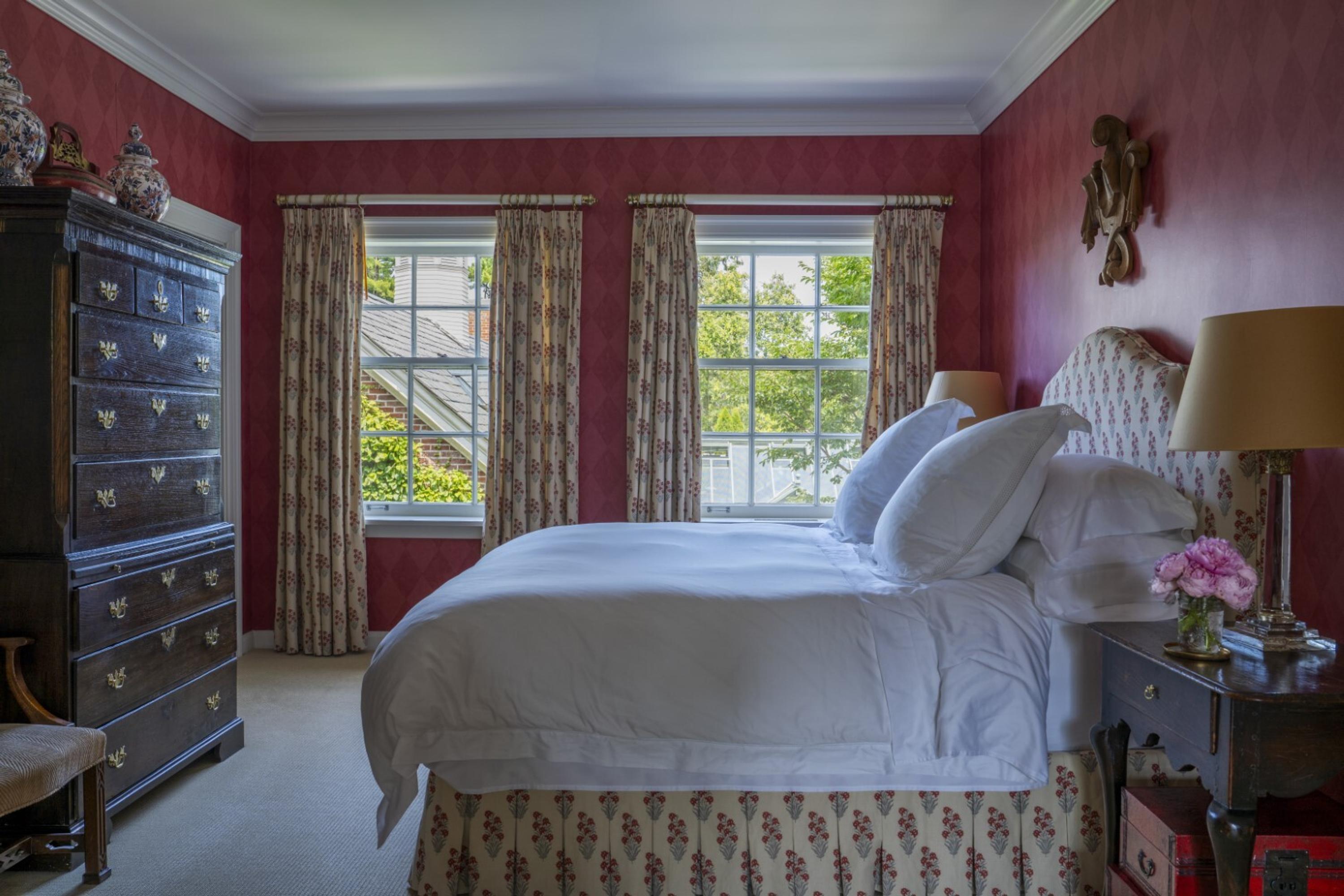
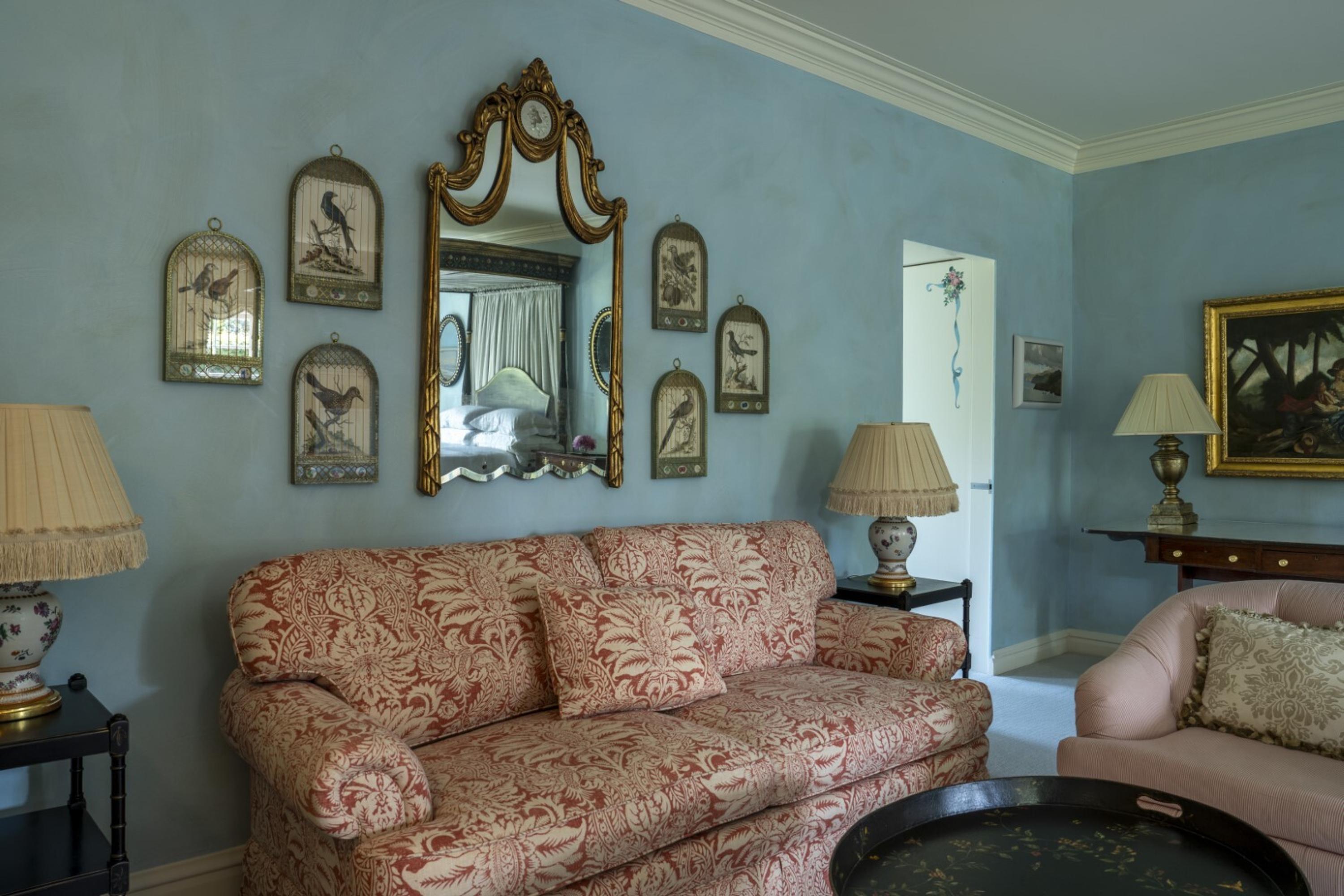
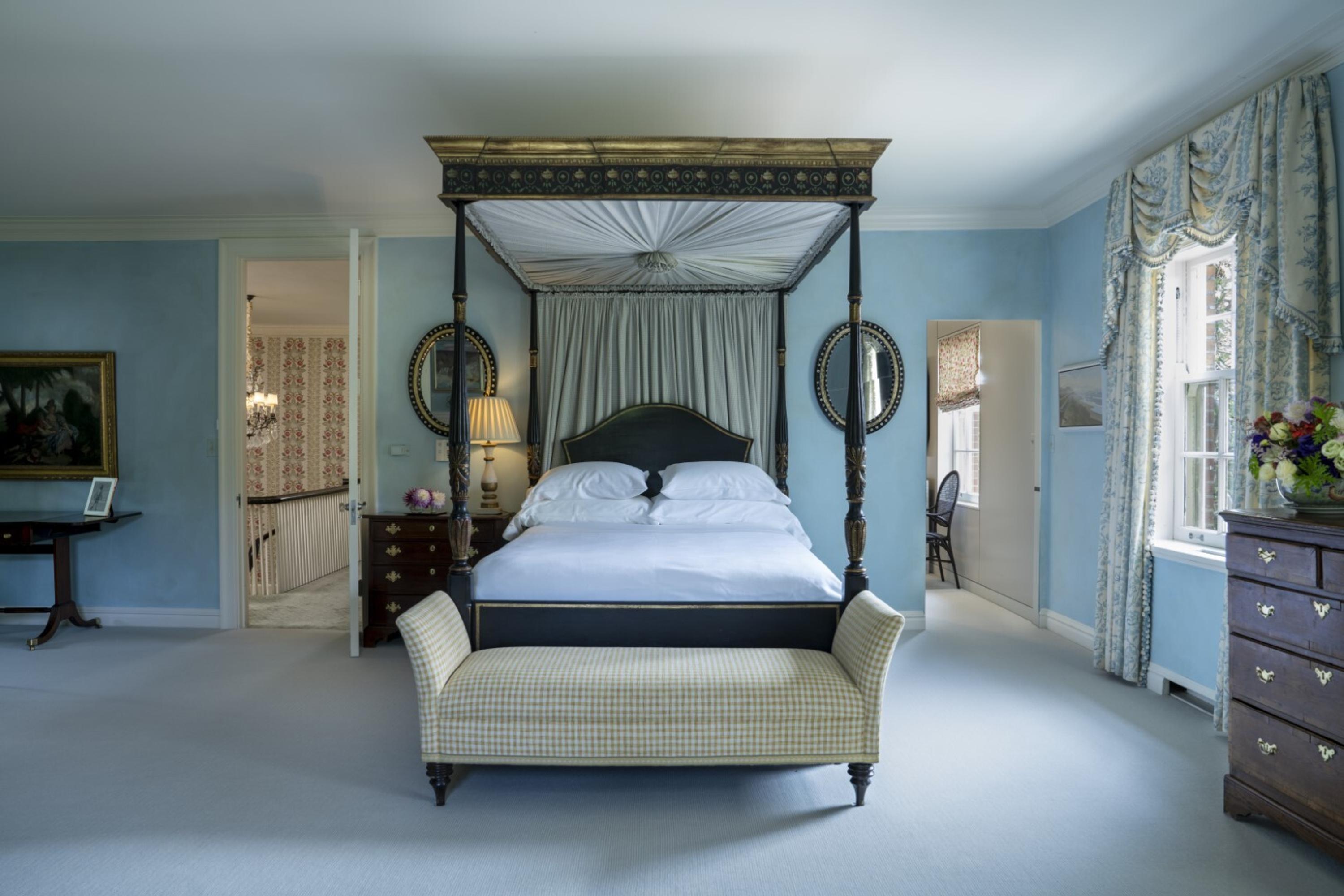
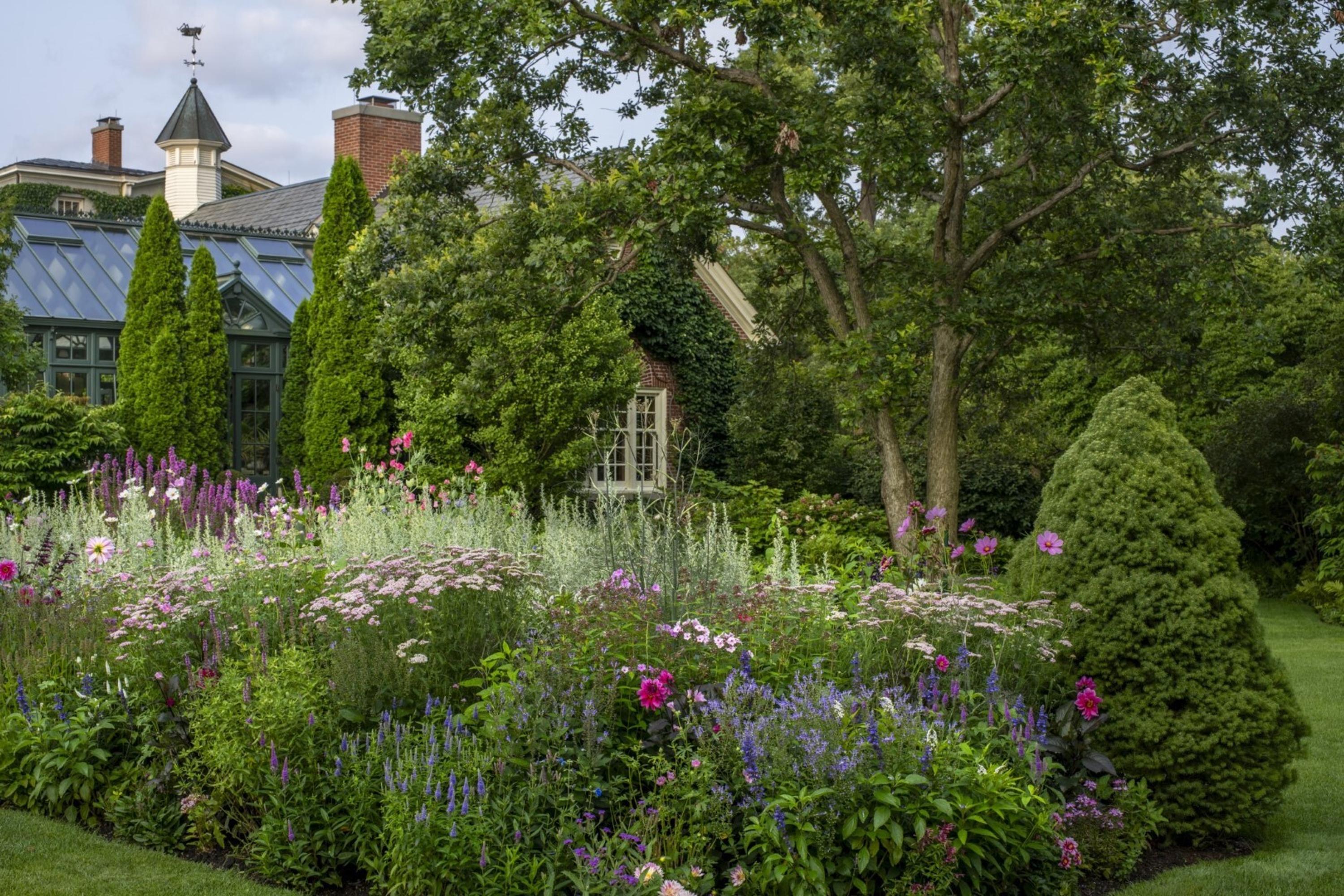
Camp Rosemary, as it is affectionately known by the family who have been its stewards since 1988, comprises nearly nine acres of awe-inspiring gardens and a classically proportioned red brick Georgian house designed in 1904 by Benjamin Marshall for John Taylor Pirie (1871-1940) and his wife Sophie Skirving Hunter (1872-1966). At the time, Marshall engaged Bostonian landscape architect Rose Standish Nichols to design the estate’s formal gardens. Today, the house and gardens are a culmination of thirty years of collaboration between Posy Krehbiel, her family, a dedicated team of workers, architects, designers, and distinguished gardeners.
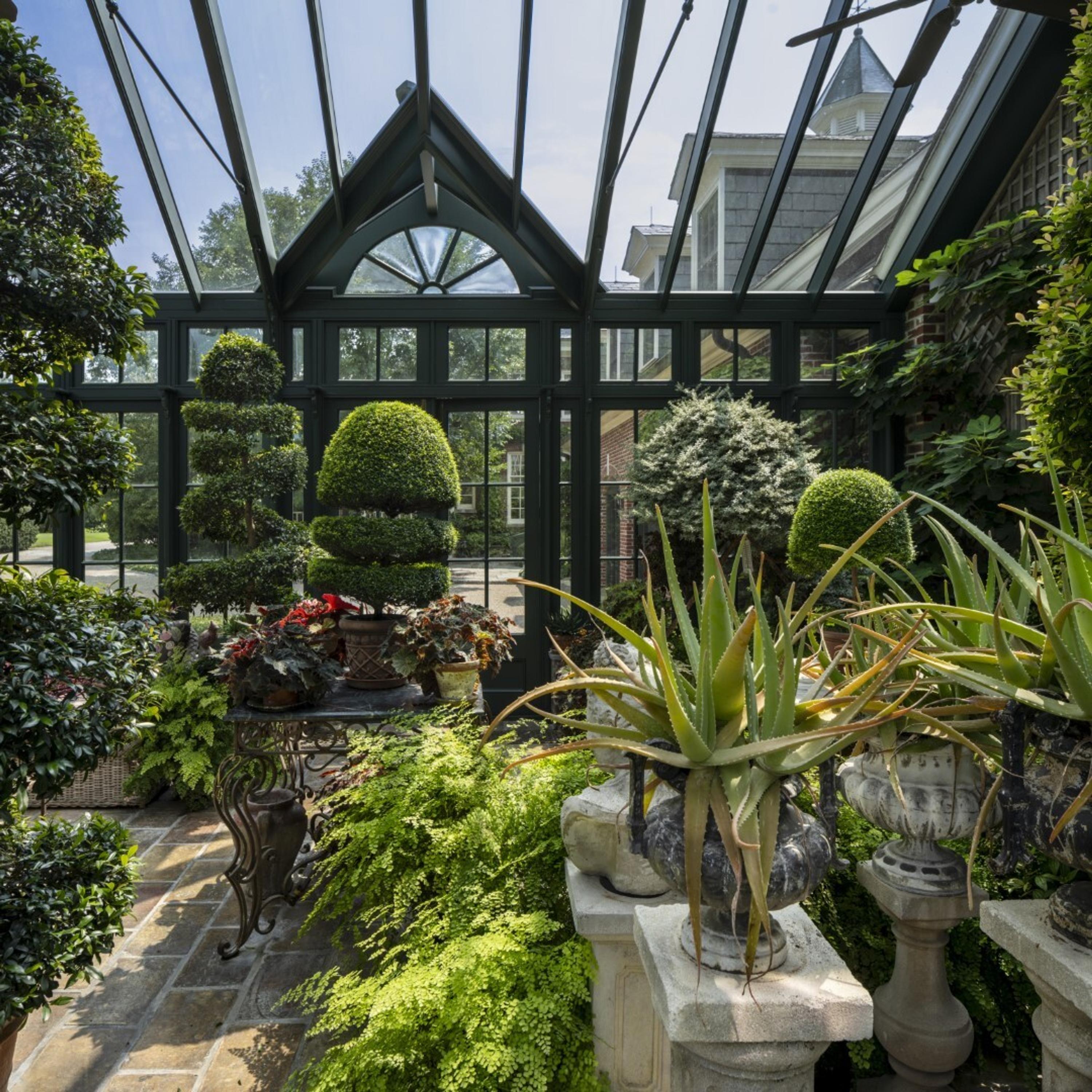
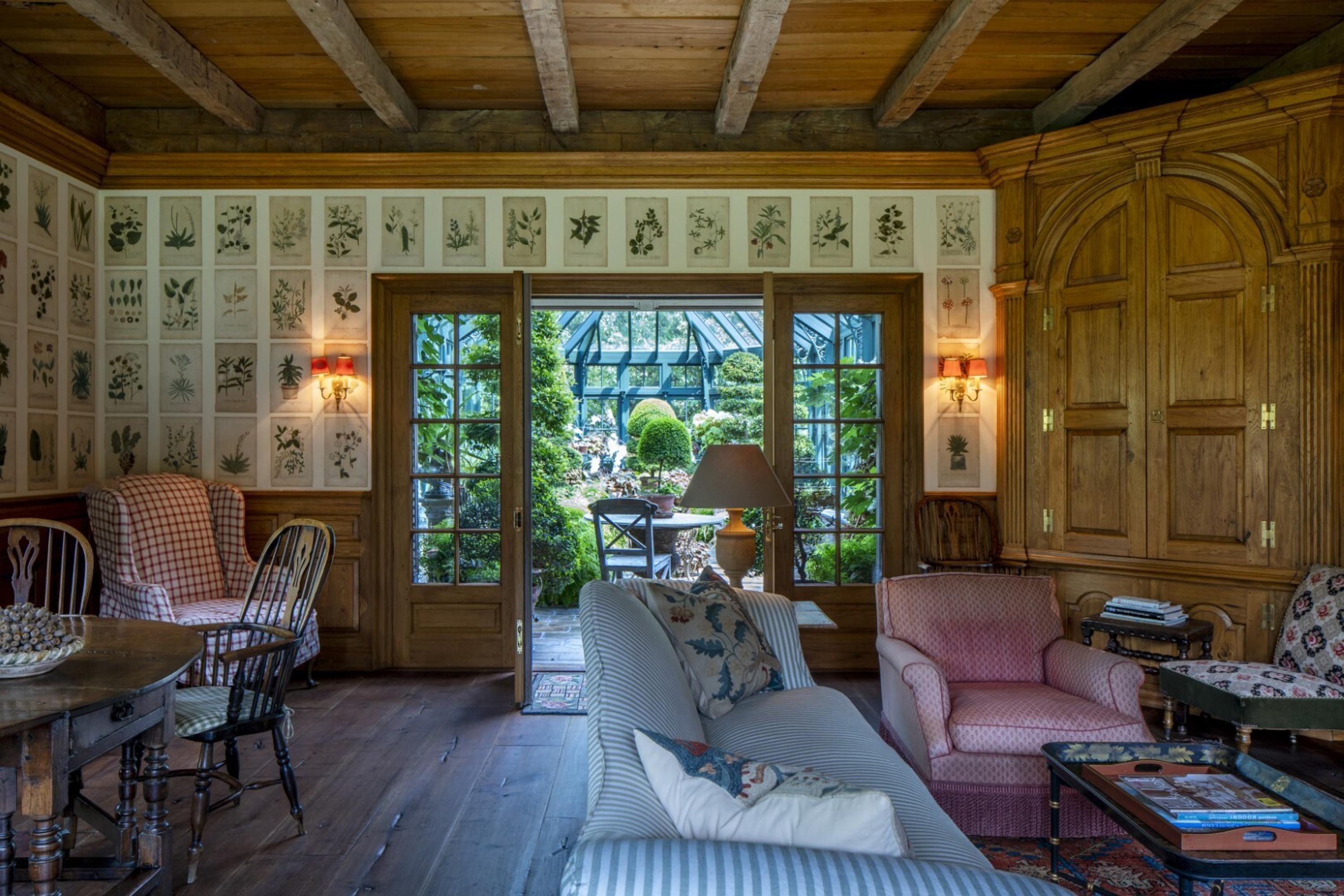
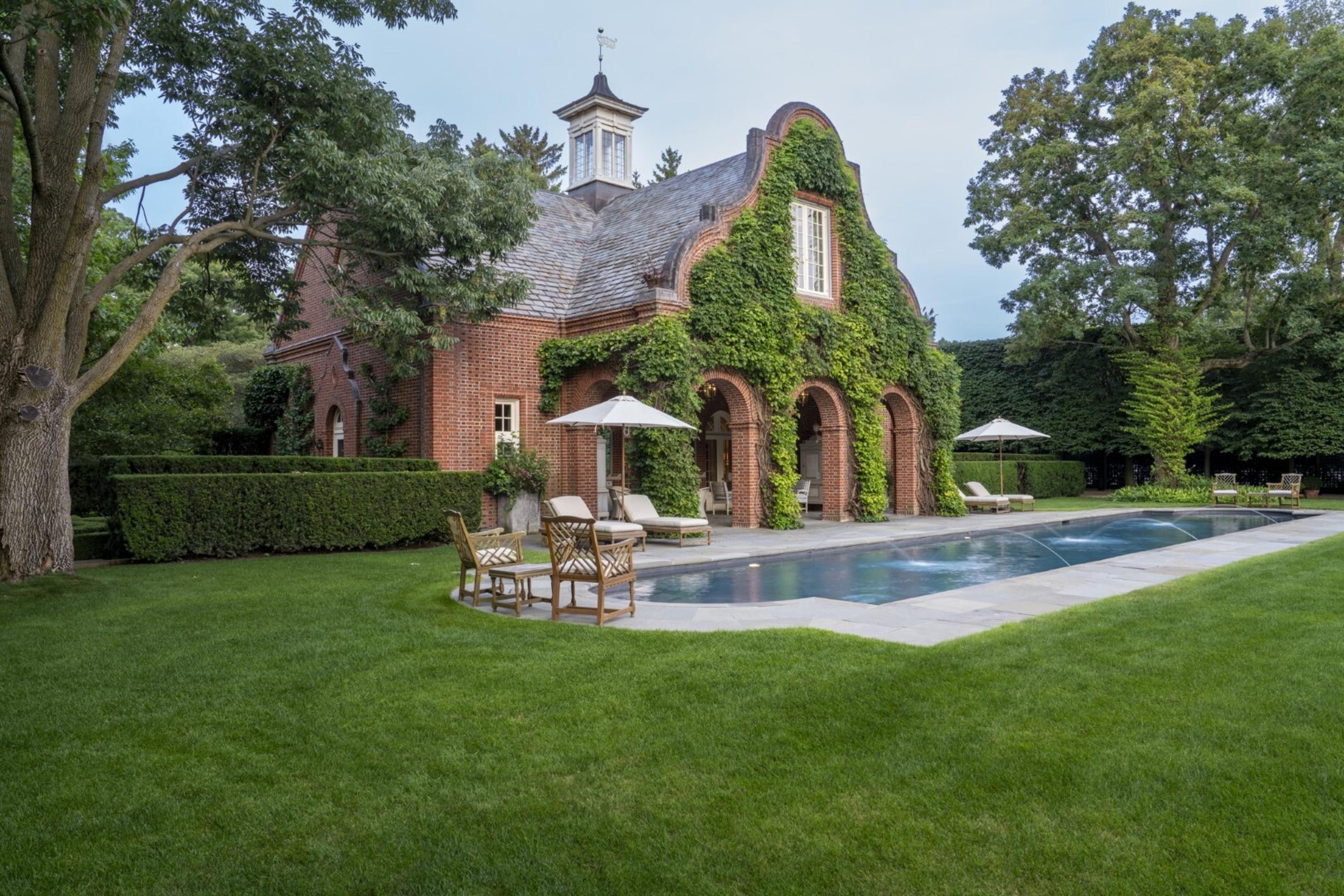
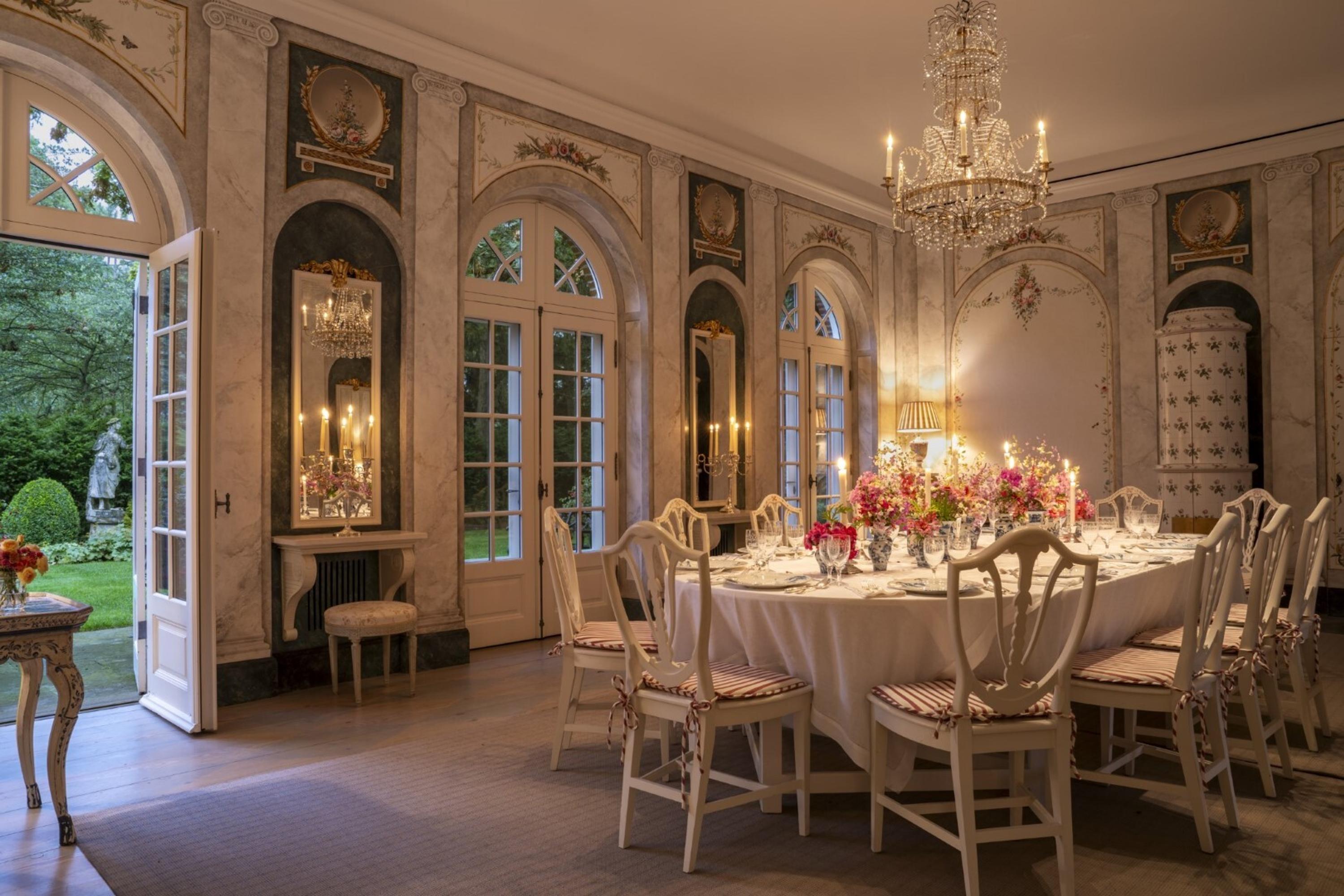
Posy Krehbiel, a renowned philanthropist, artist, athlete, world traveler, and avid gardener, cultivated an extraordinary life at Camp Rosemary. Beginning with renovations by Chicago architect Thomas Beeby, Kirsten Beeby, and later working with Imogen Taylor of Colefax and Fowler—the leading arbiters of English country house taste—Posy and John Krehbiel preserved and enhanced their historic property, a treasured stalwart of Lake Forest heritage. With a thoughtful eye for preservation and a keen sense of taste, Posy and John breathed new life into the home, expanding its footprint through the addition of a delightfully ornamental swimming pool folly with a Dutch-inspired gable rising over an open terrace. The pool house’s interiors, on the other hand, are inspired by classical Swedish rooms, with trompe l’oeil painted murals. A destructive fire in 1995 ruined part of the garage wing and the apartment above it, providing an opportunity to build a conservatory and with it an adjoining guest house. And on and on, creating a stylish, comfortable, and unpretentious residence, as well as perhaps the finest private garden in North America.
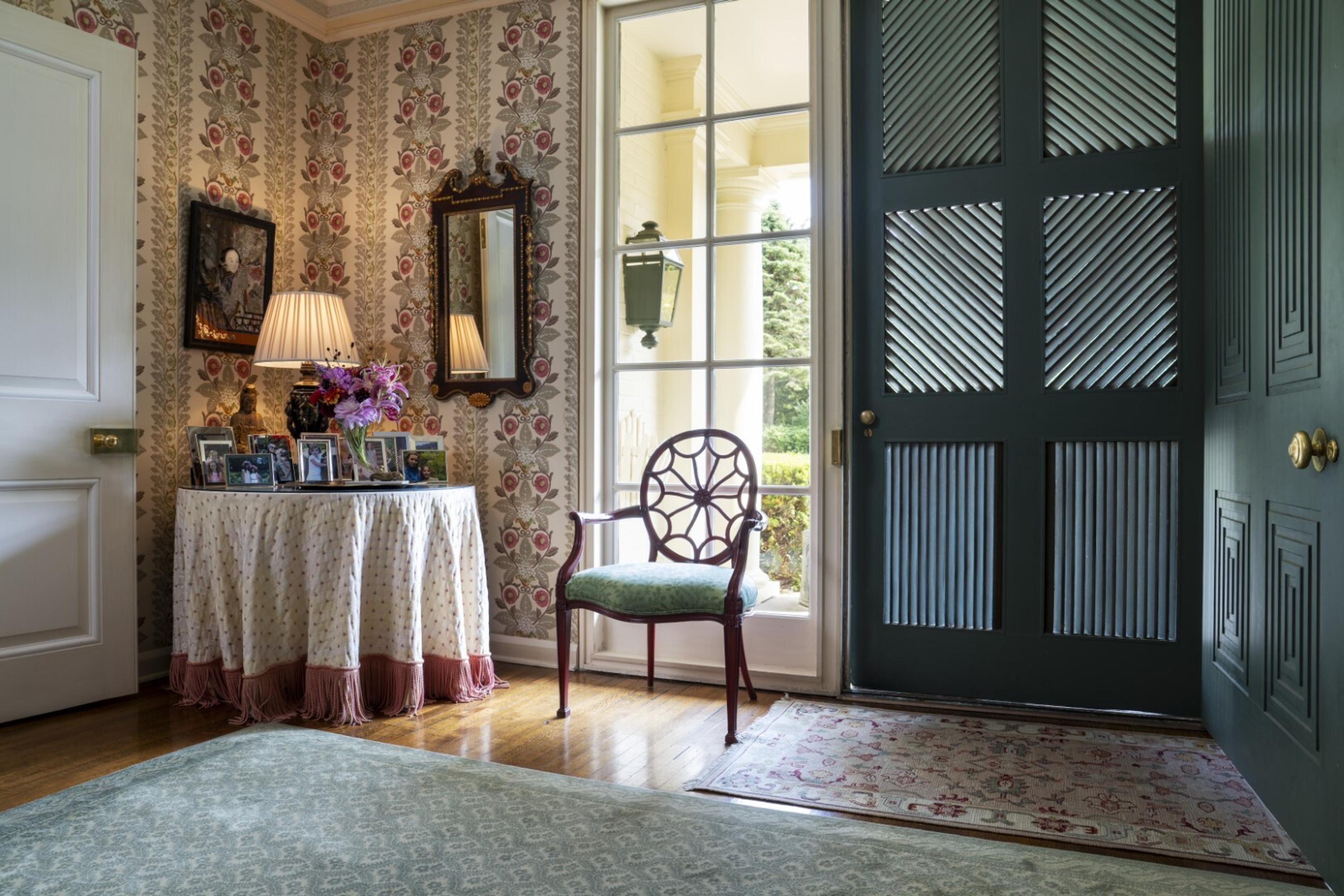
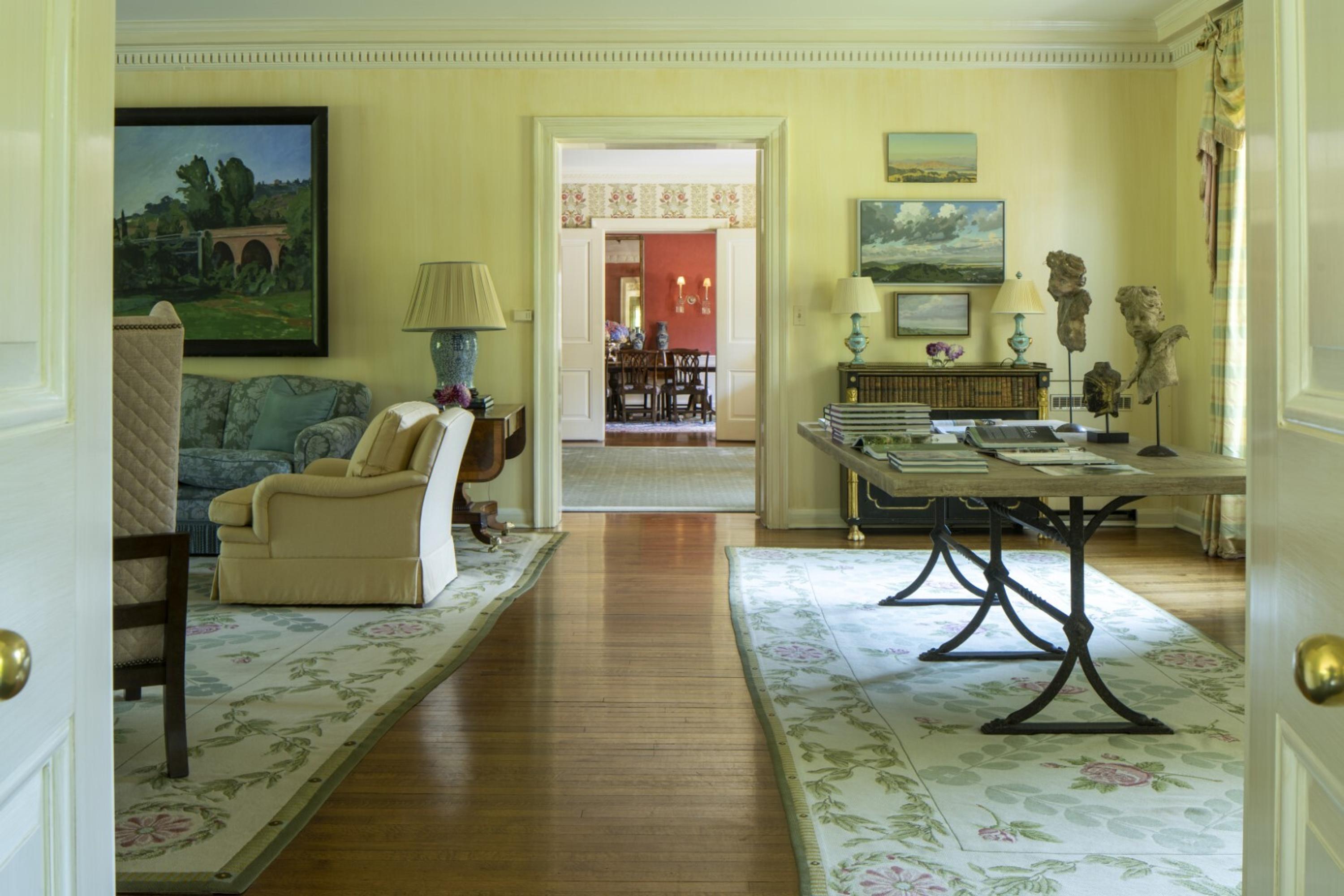
Throughout Posy’s home’s collection, the connection to the garden is profound. Botanical upholstery, framed specimens, and leaf-form ceramics are pervasive. Eighteenth century English and Continental furniture complete the country house idyll. Now, the thousands of enthusiasts who followed Posy Krehbiel through her garden gate can acquire one of many objects in which her vibrant, joyful essence is palpable.
Photos of Camp Rosemary by Tom Rossiter.