American Furniture, Folk & Decorative Arts
Department
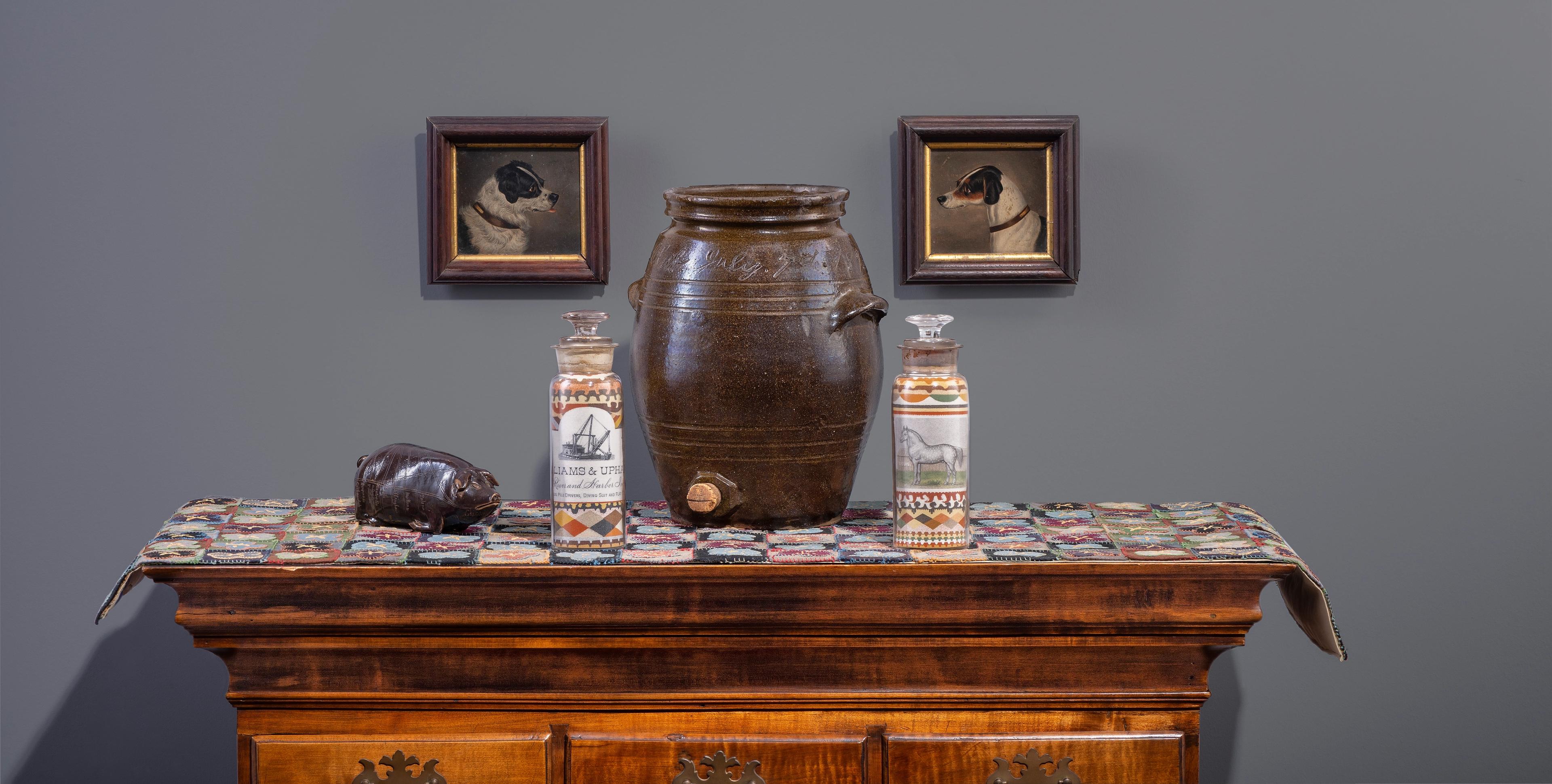
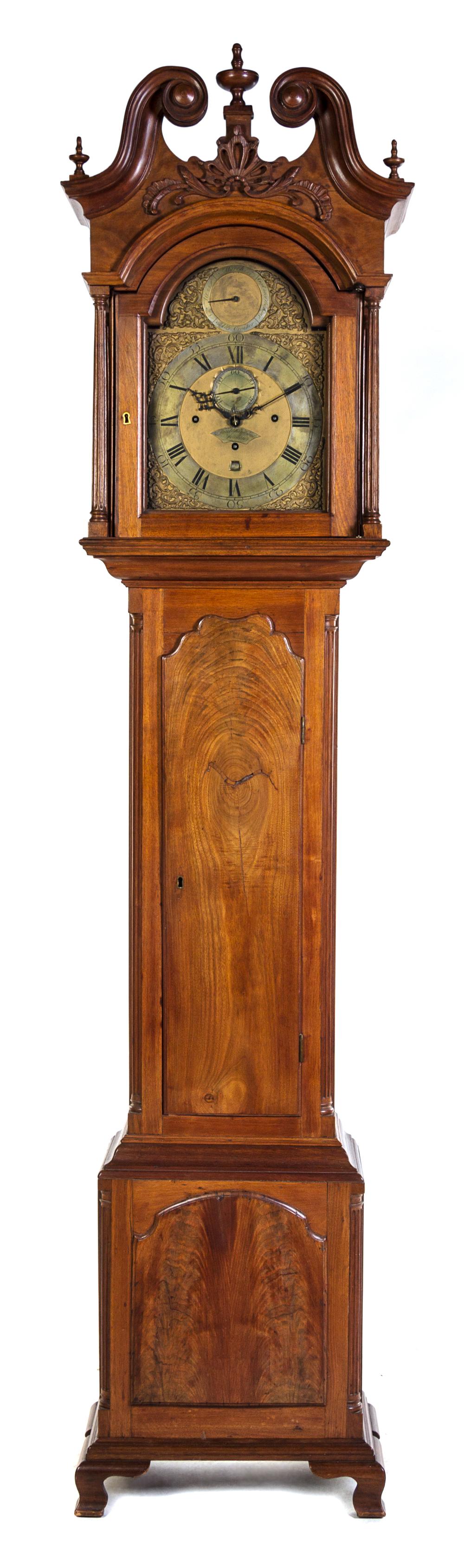
Freeman’s has sold fine American furniture and decorative arts longer than any auction house in the country. The department specializes in American furniture, decorative arts, and folk art from the late 17th century to the 20th century, with examples from the Mid-Atlantic, New England, the Mid-West, and the South, including items brought to the colonies and early United States by settlers and merchants. With a focus on regionalism, research, and scholarship, the team of knowledgeable and experienced specialists continually deliver strong results for a range of works such as clocks, silver, needlework, quilts, portraits, Chinese Export porcelain, pottery, decoys, Fraktur, weathervanes, and more.
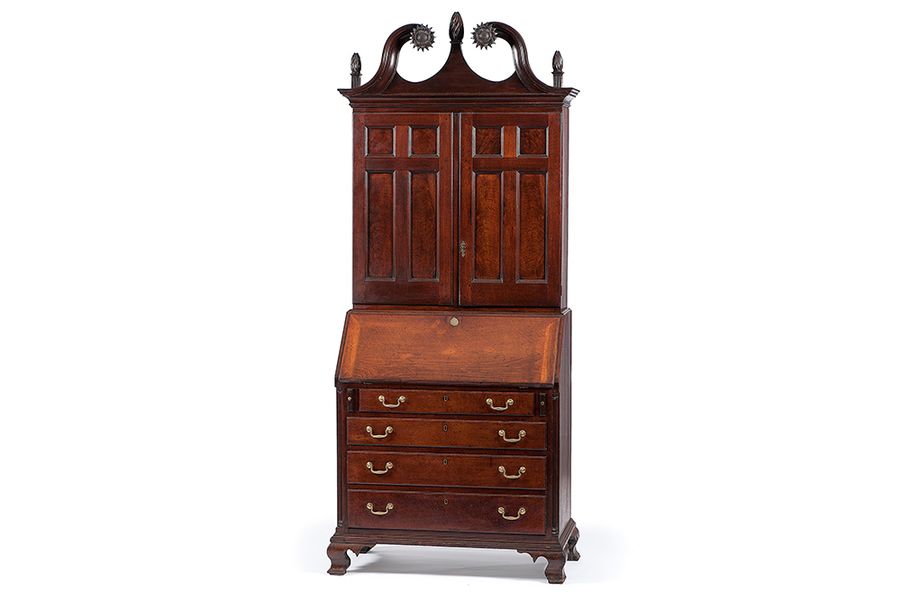
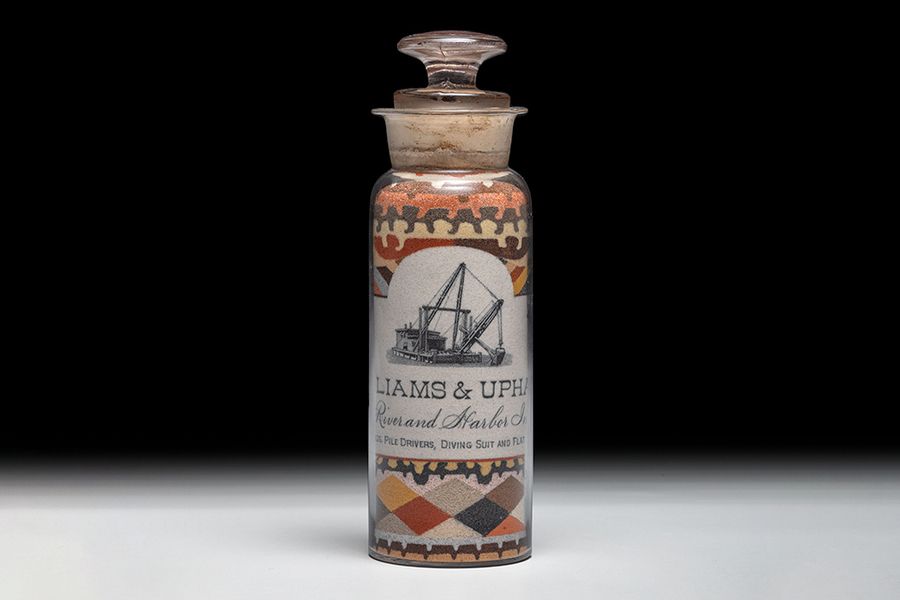
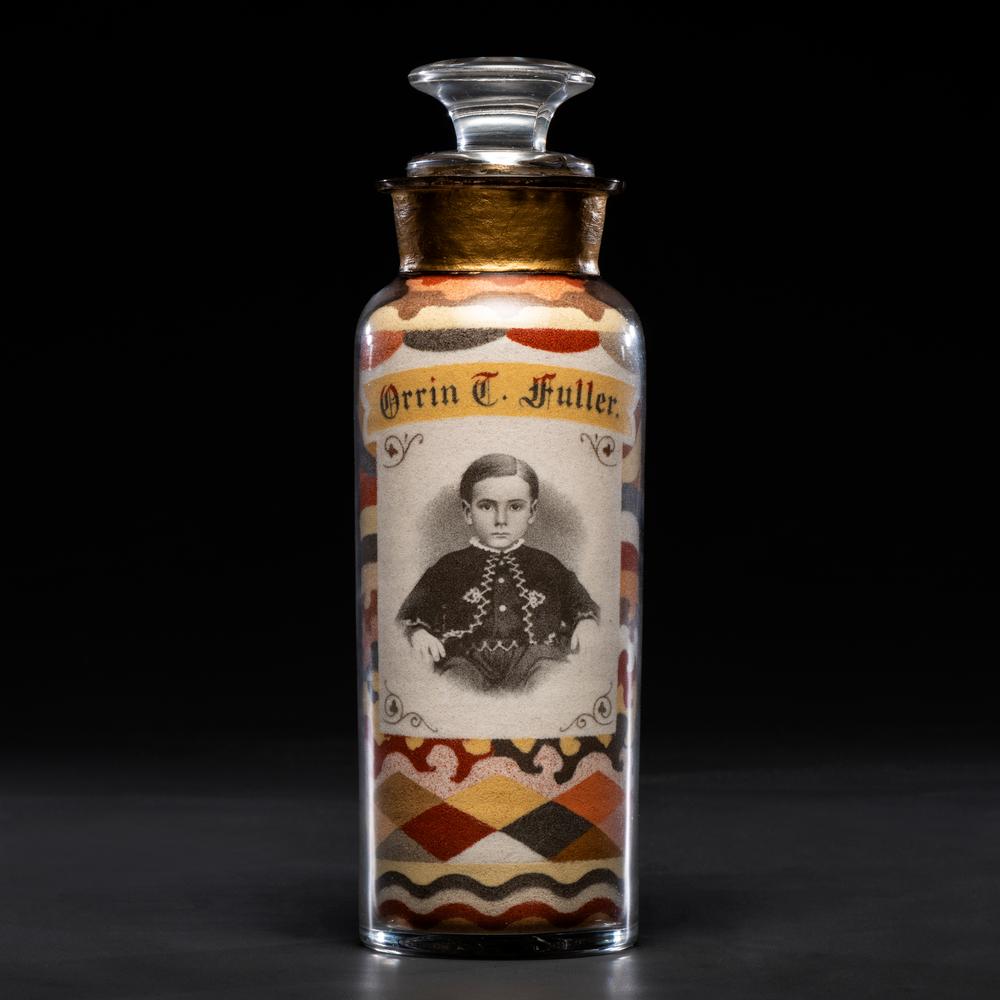
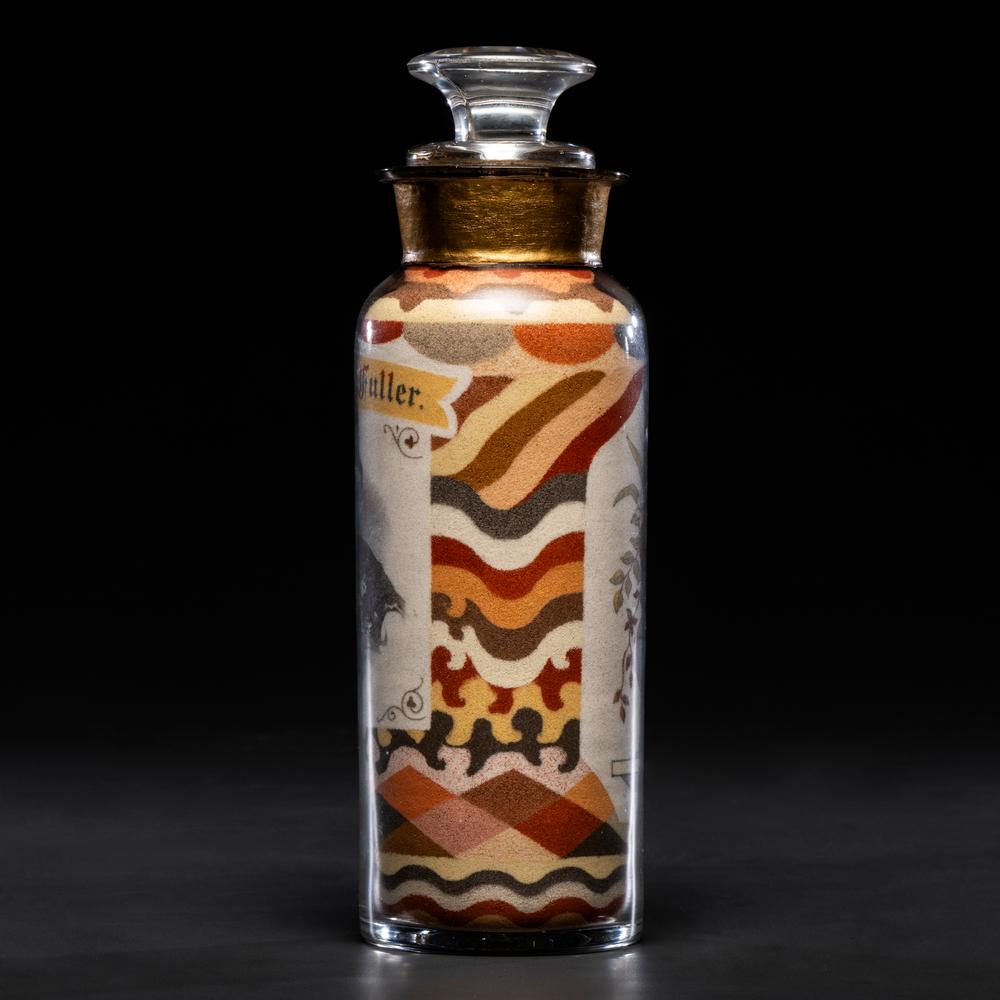
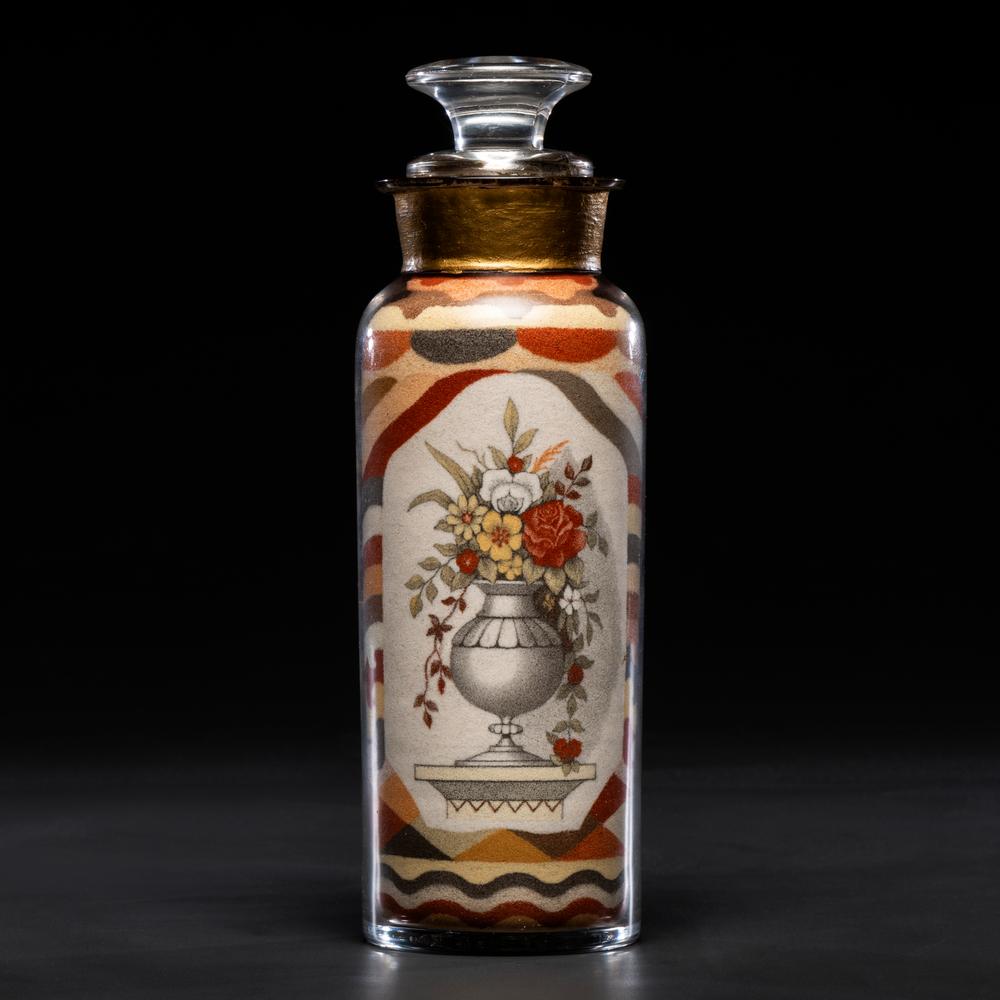
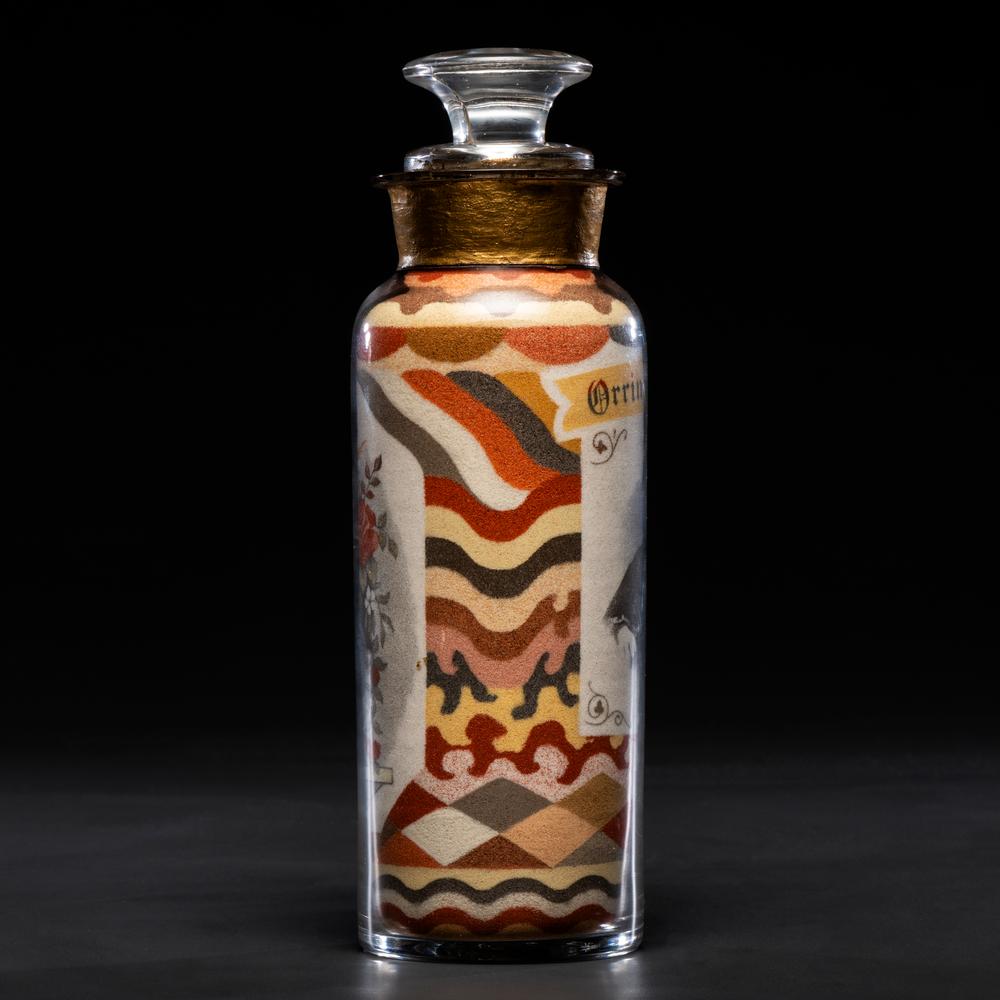
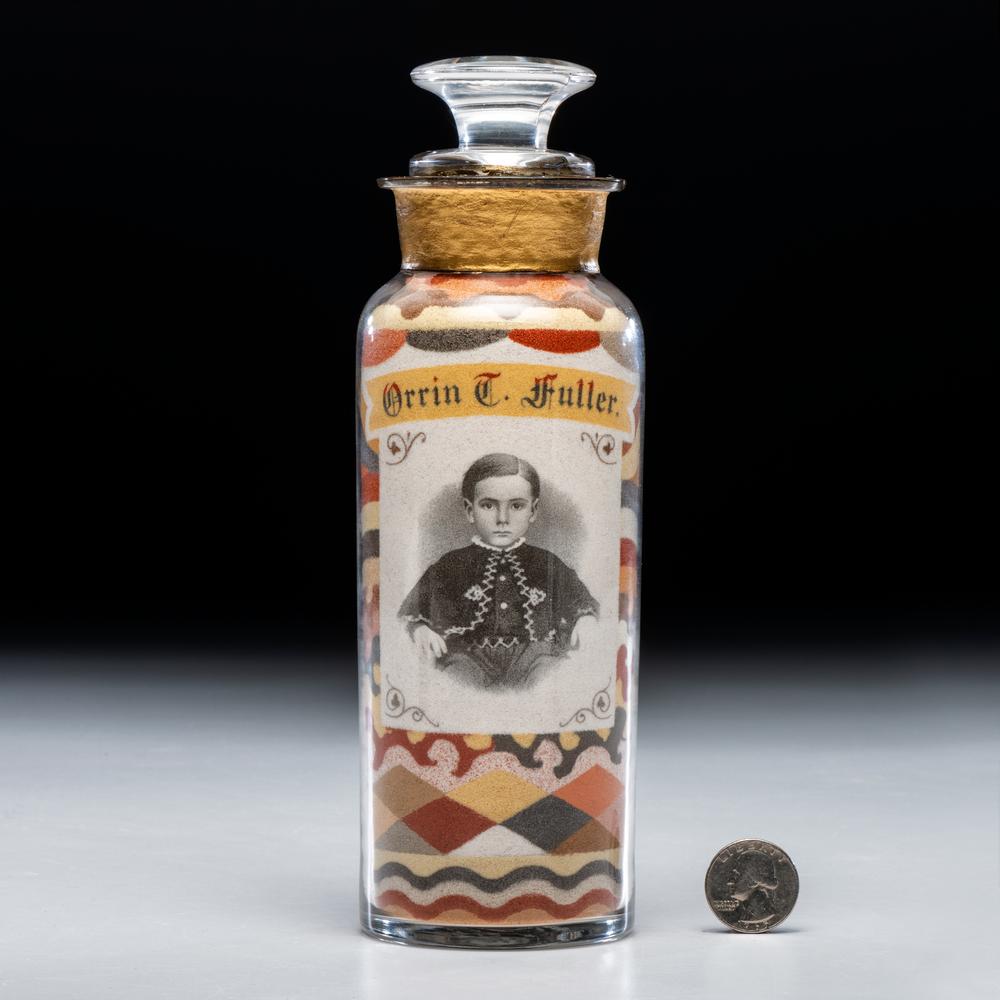
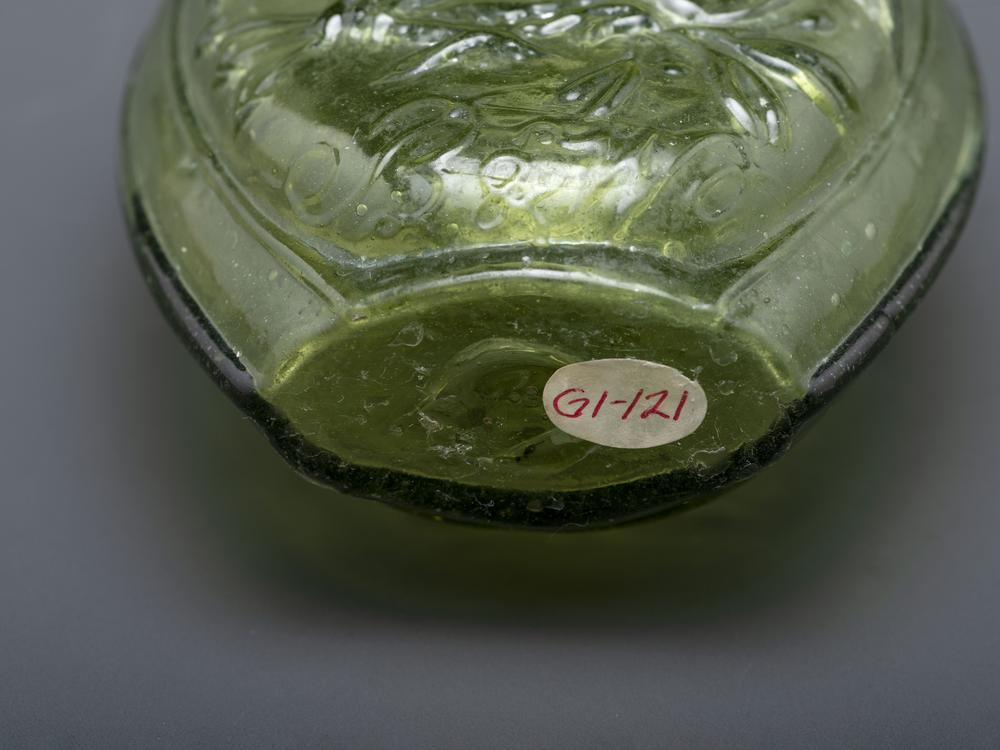
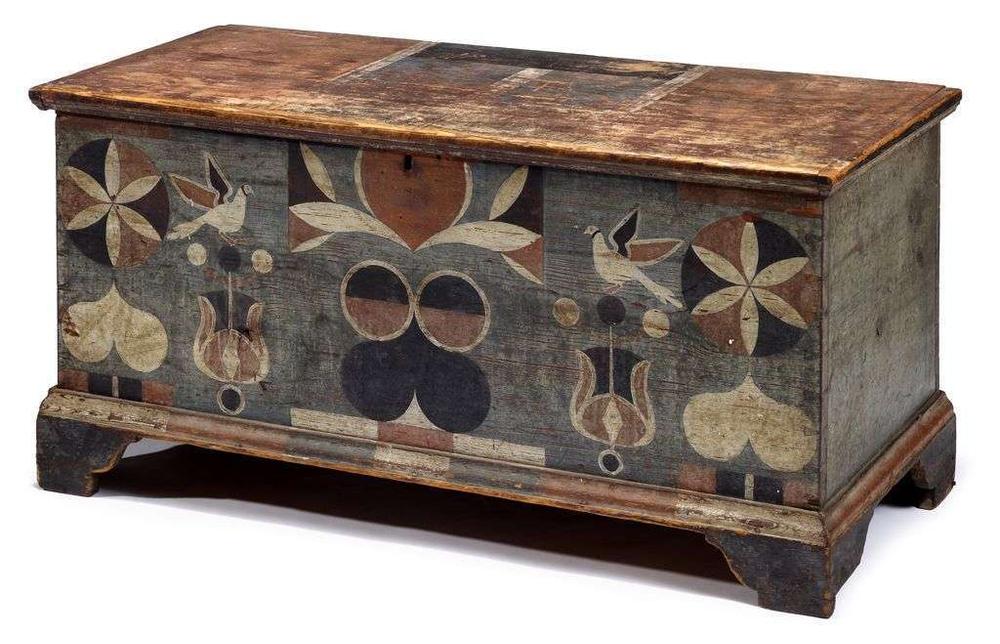
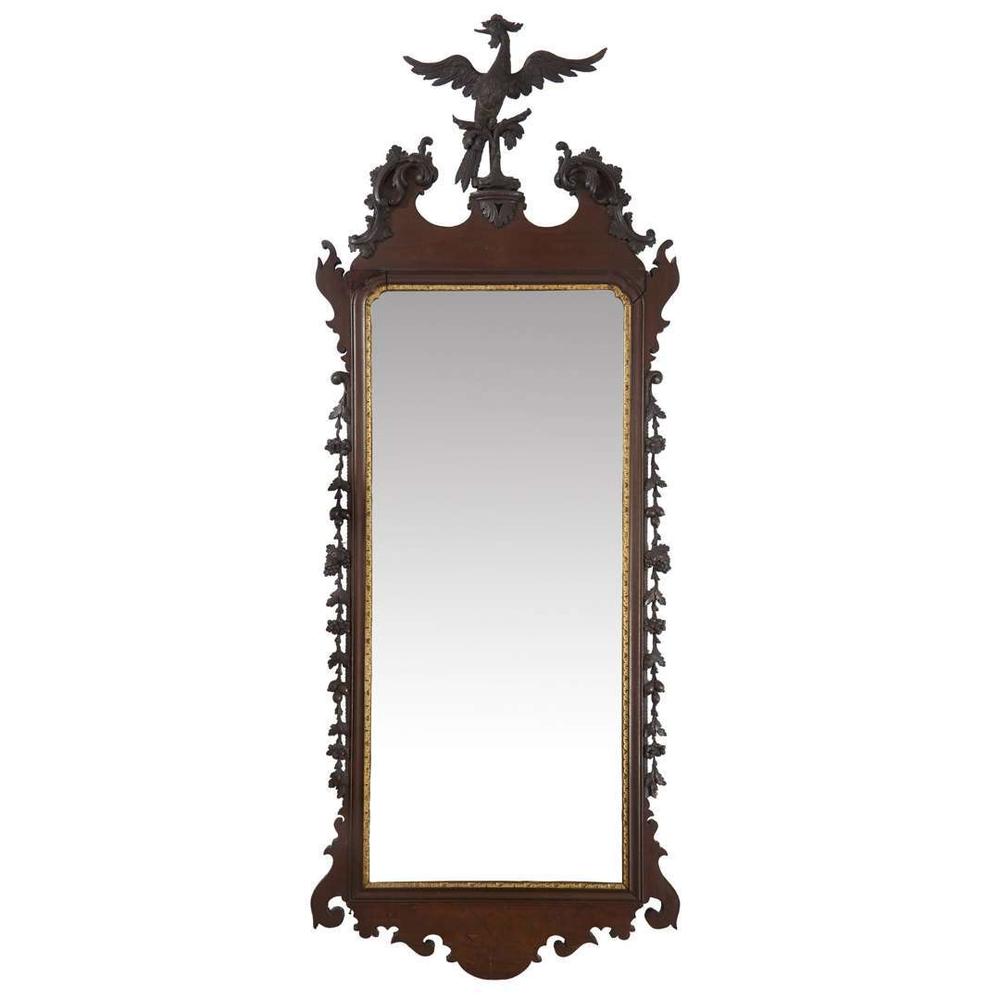
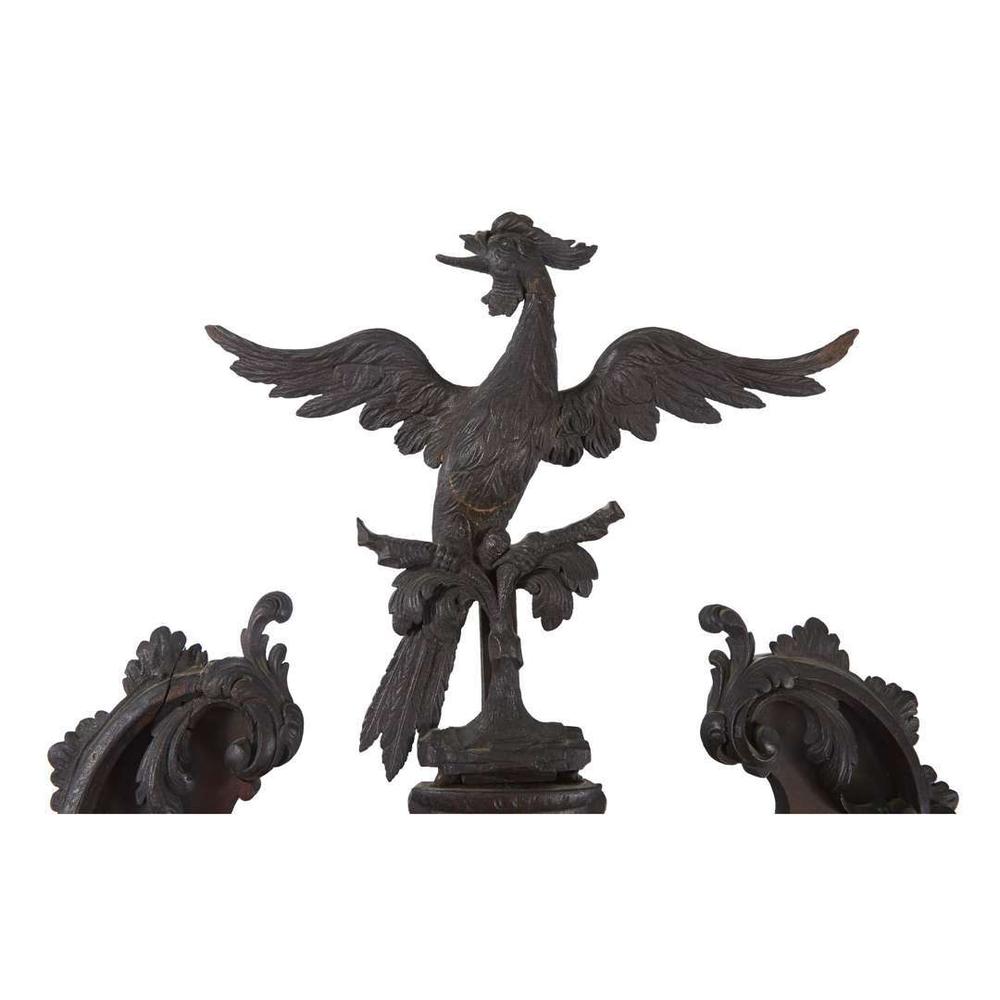
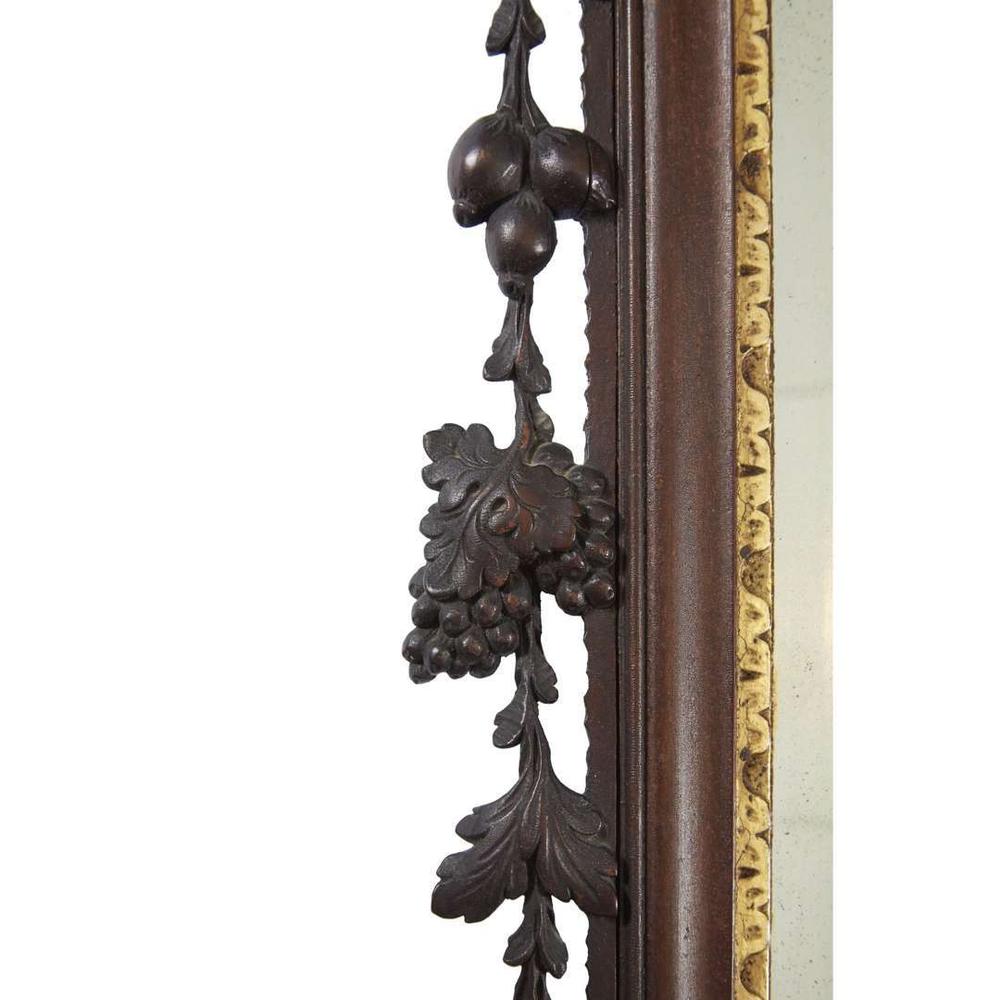
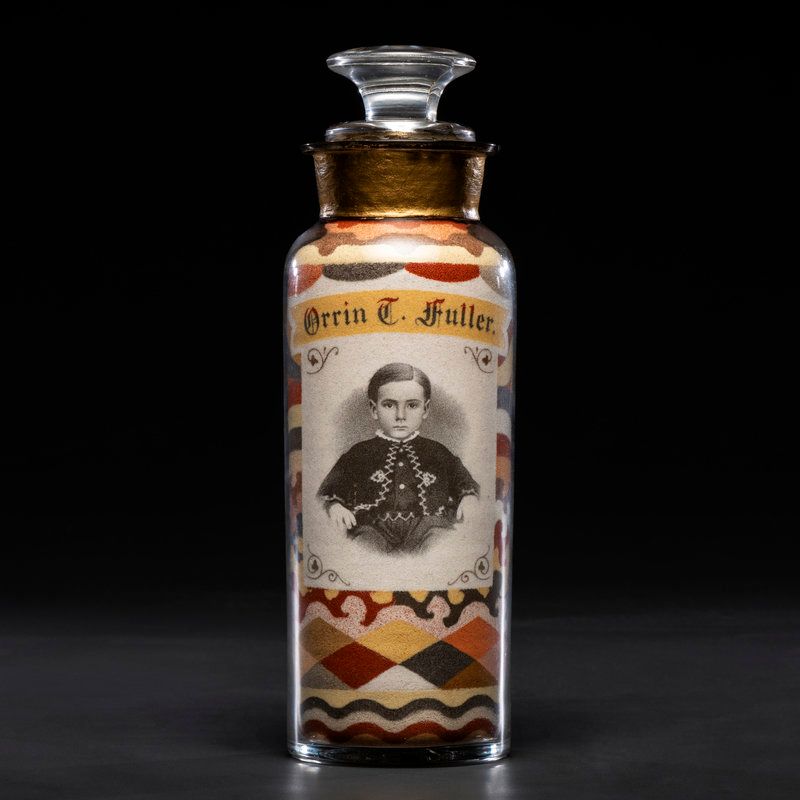
Over the years, Freeman’s has set numerous world decorative art and furniture auction records in the category, including a paint-decorated Pennsylvania box ($744,825), an important Andrew Clemens portrait sand bottle ($956,000), The Captain John Cowan Kentucky Secretary ($498,750), a Pennsylvania watercolor Fraktur by Reveran George Geistweite ($366,750), and an American looking glass ($293,000).
The firm has been entrusted with a number of private collections and deaccessions from important institutions such as Property Deaccessioned from the Mount Vernon Ladies’ Association, Furnishings from Historic Lemon Hill Mansion, A Grand Old Flag: The Stars & Stripes Collection of Dr. Peter J. Keim, and The Donald F. Moylan, M.D. Collection of American Furniture, Folk & Decorative Arts.
Looking to consign?
Interested in selling American Furniture, Folk & Decorative Arts in one of Freeman’s sales?
Department Categories
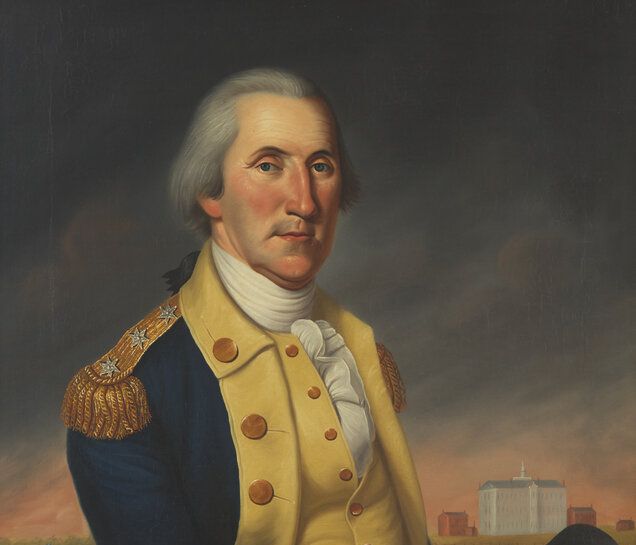
American Portraiture & Genre Scenes
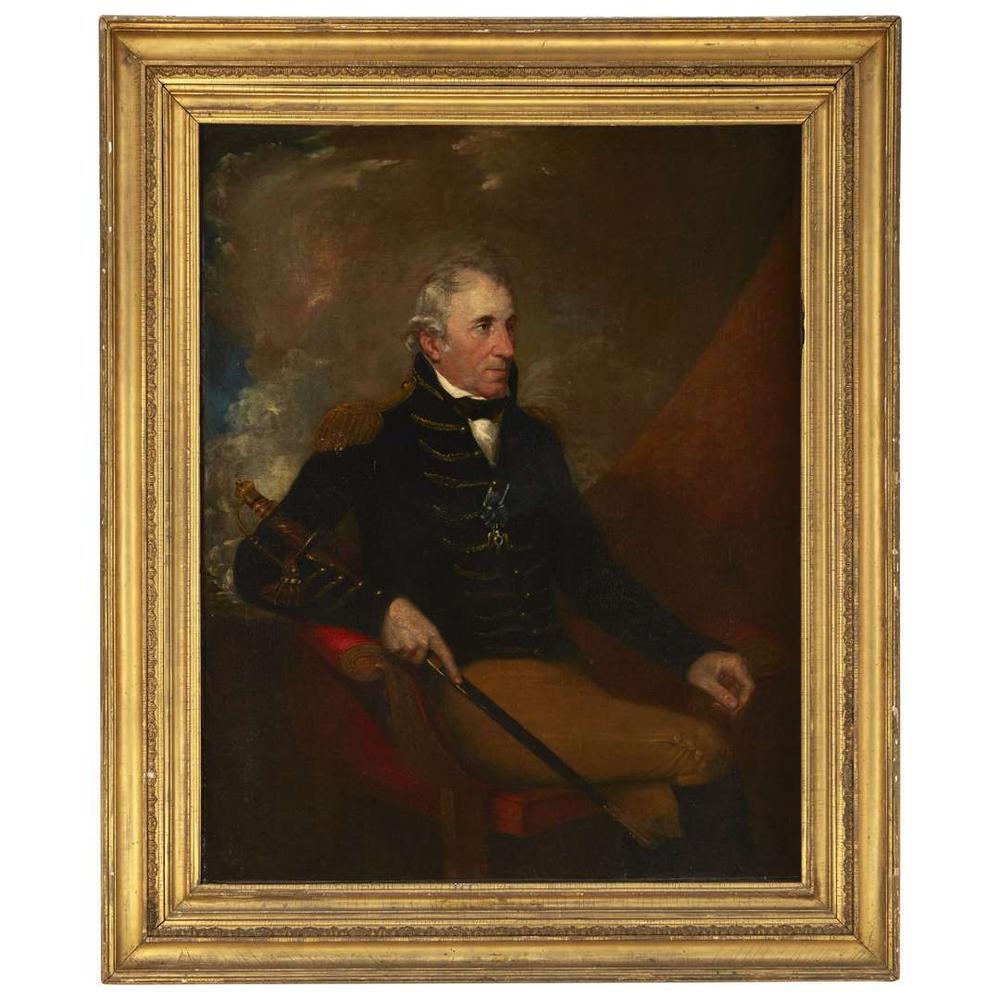
American portraiture and genre paintings offer a compelling window into the nation's cultural, social, and artistic history. Freeman's specialists present works by celebrated and regional artists that capture the people, traditions, and everyday moments that have shaped American life from the colonial period through the early twentieth century. Our auctions feature portraits, domestic interiors, rural landscapes with figures, and scenes of work and leisure, appealing to both seasoned collectors and those building meaningful collections of American art.
Department highlights
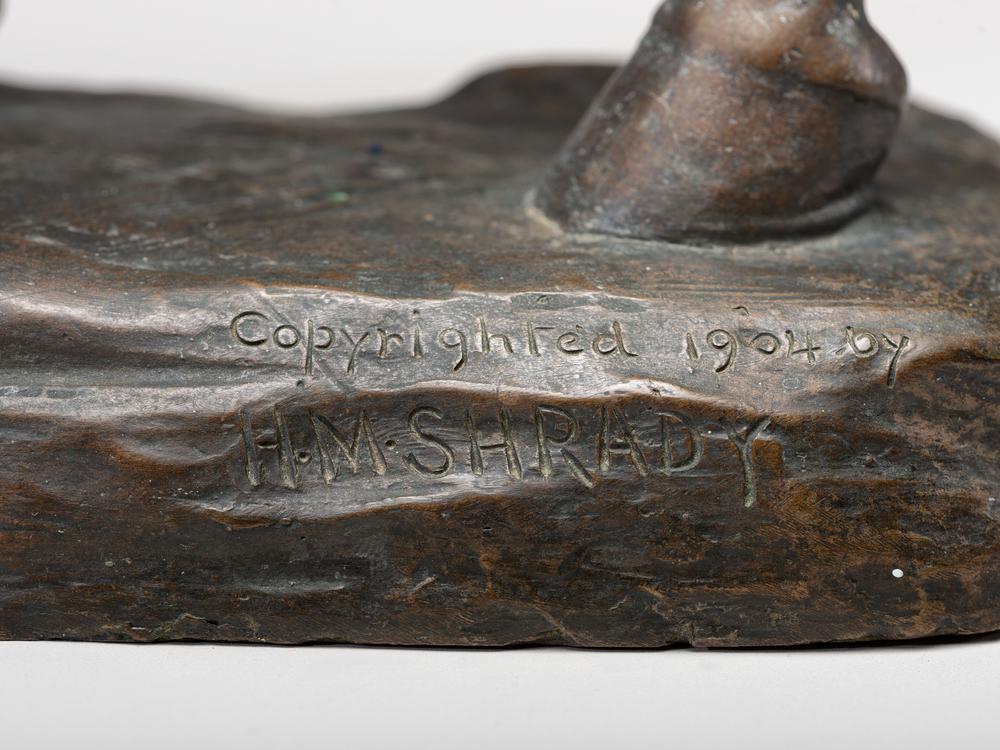
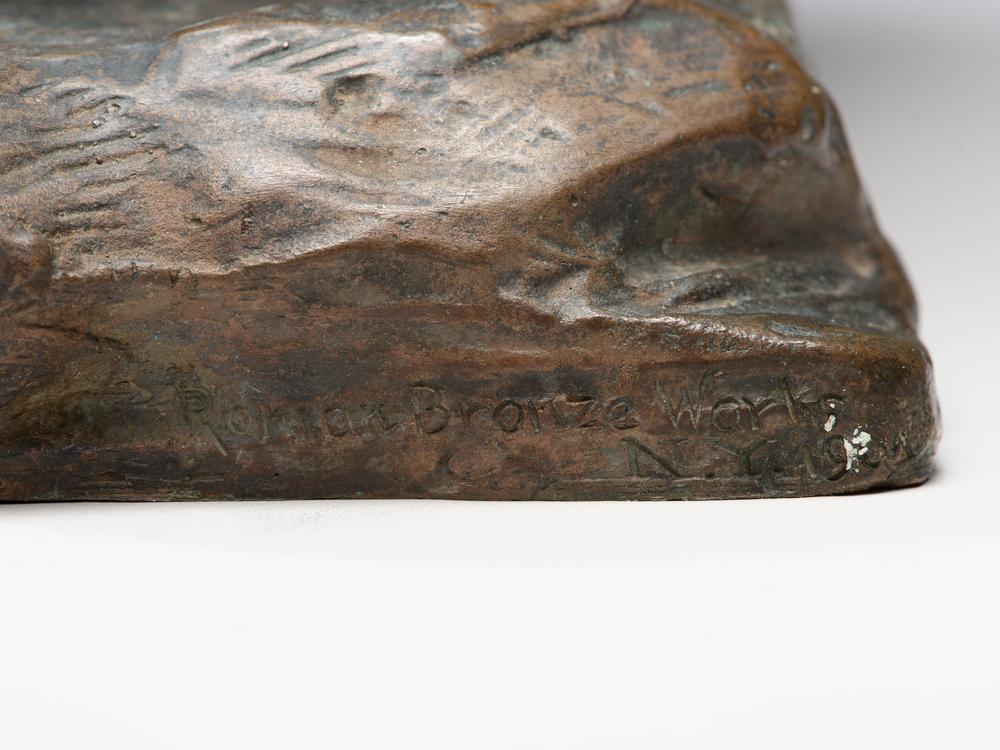
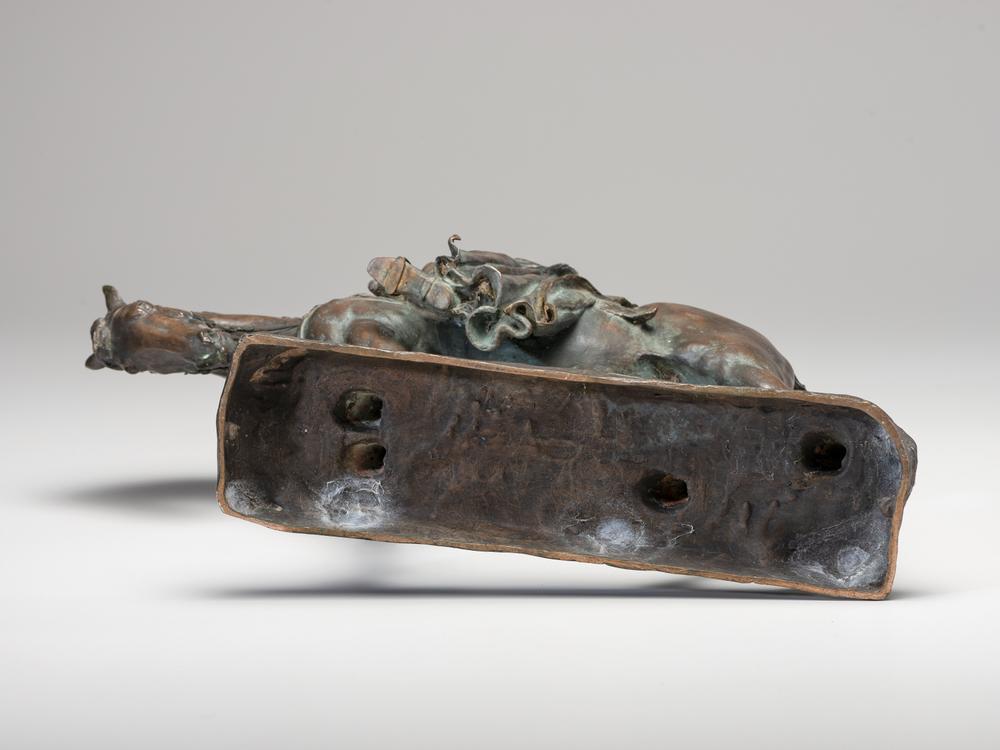
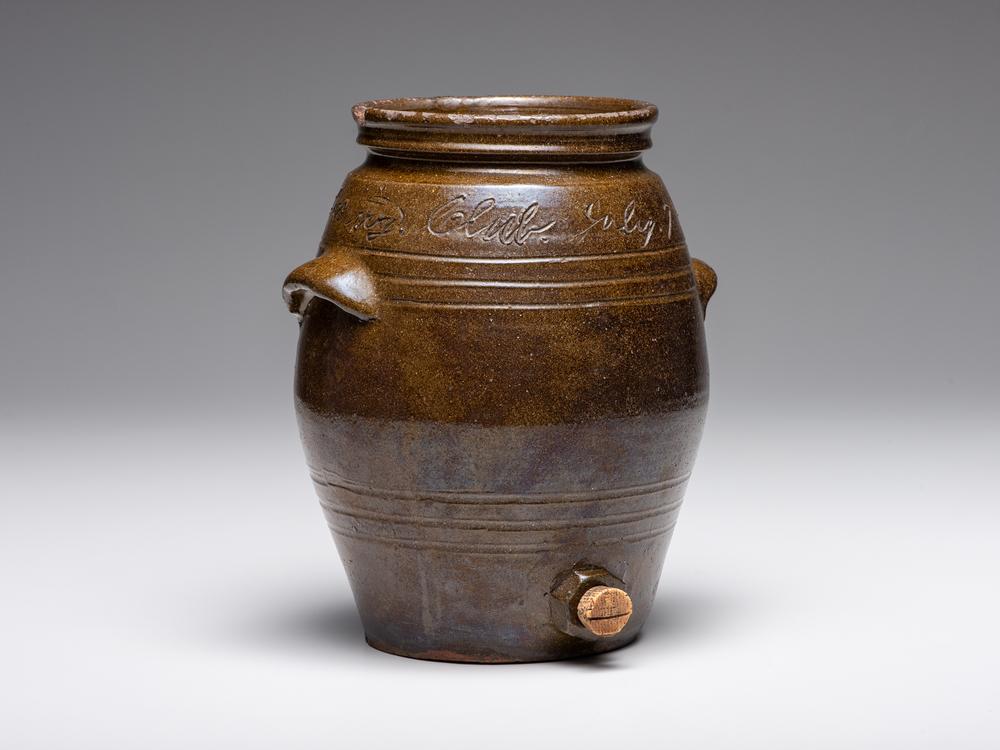
Sell with Confidence.
Get a complimentary valuation from one of our specialists.
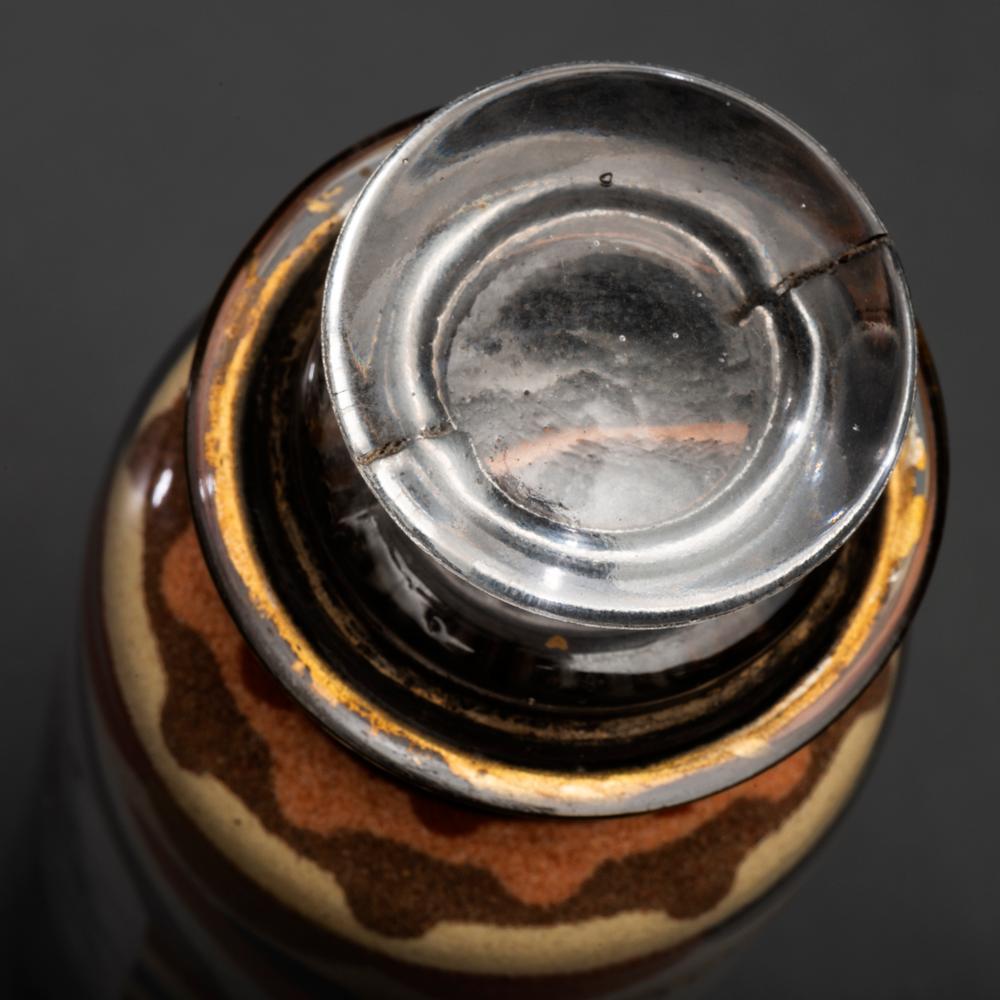
A Rare and Important Andrew Clemens (American, 1857-1894) Portrait Sand Bottle
Sold for $956,000
Team


Lynda Cain
VP, Head of Department, American Furniture, Folk and Decorative Arts
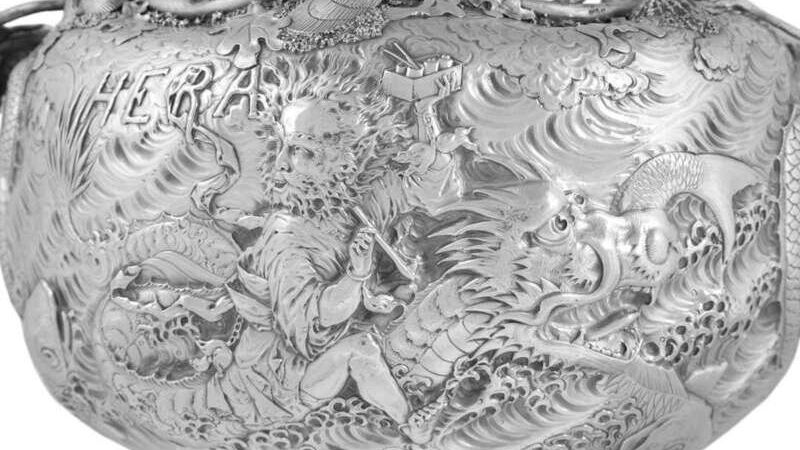
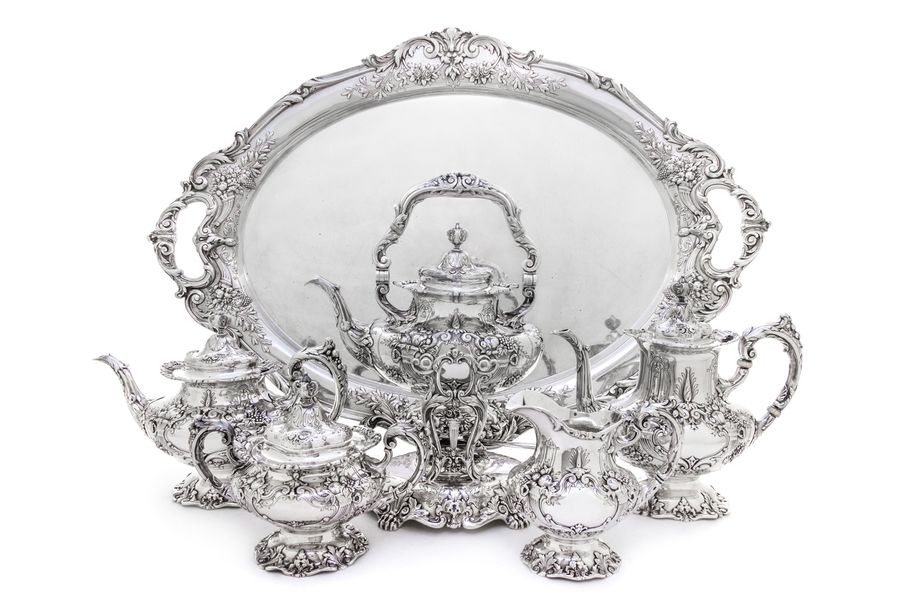
American Aesthetic Sterling Silver
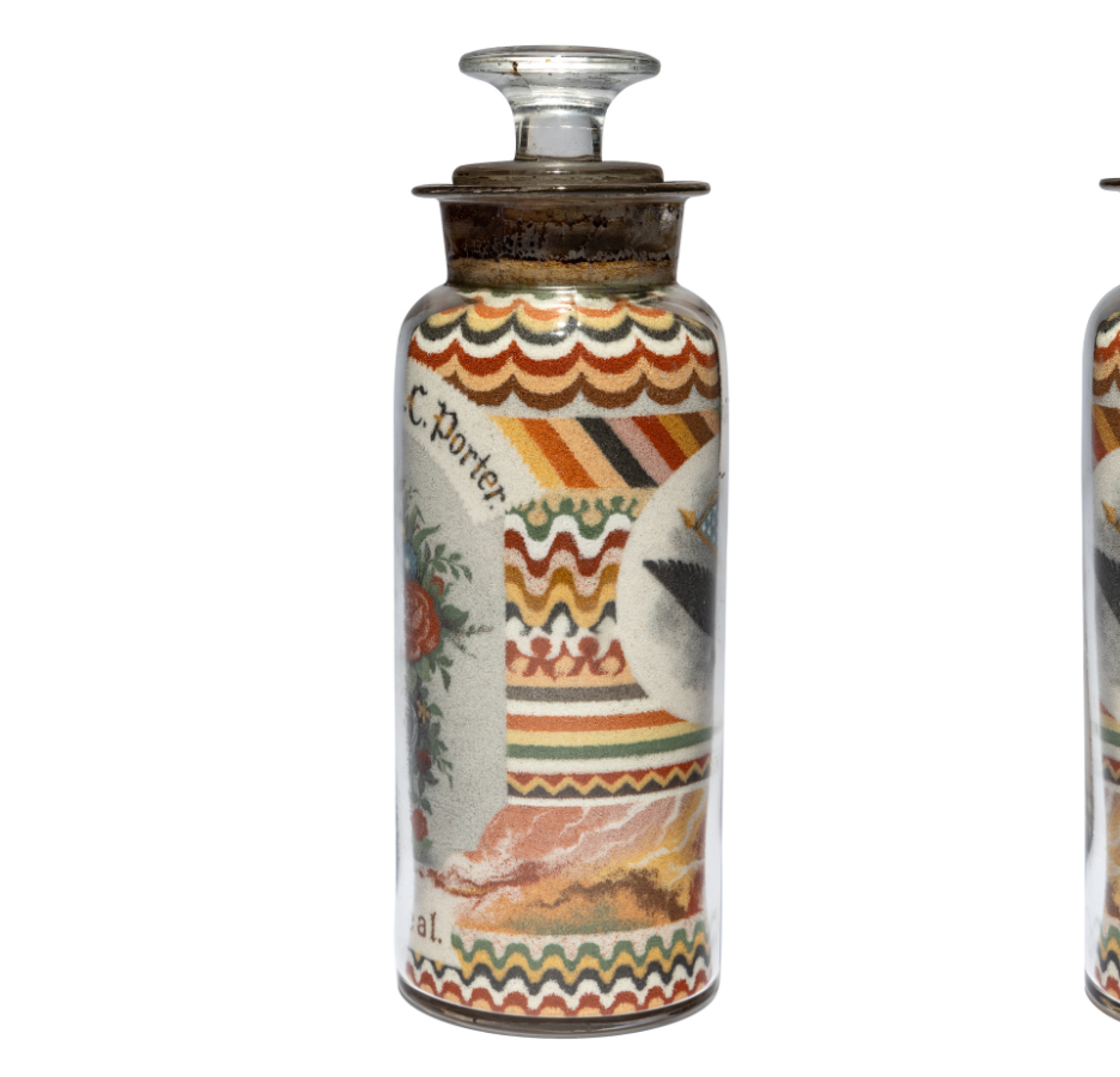
Freeman’s Spring American Furniture, Folk and Decorative Arts Sale Surpasses $1M, Led by Andrew Clemens Sand Art Bottle
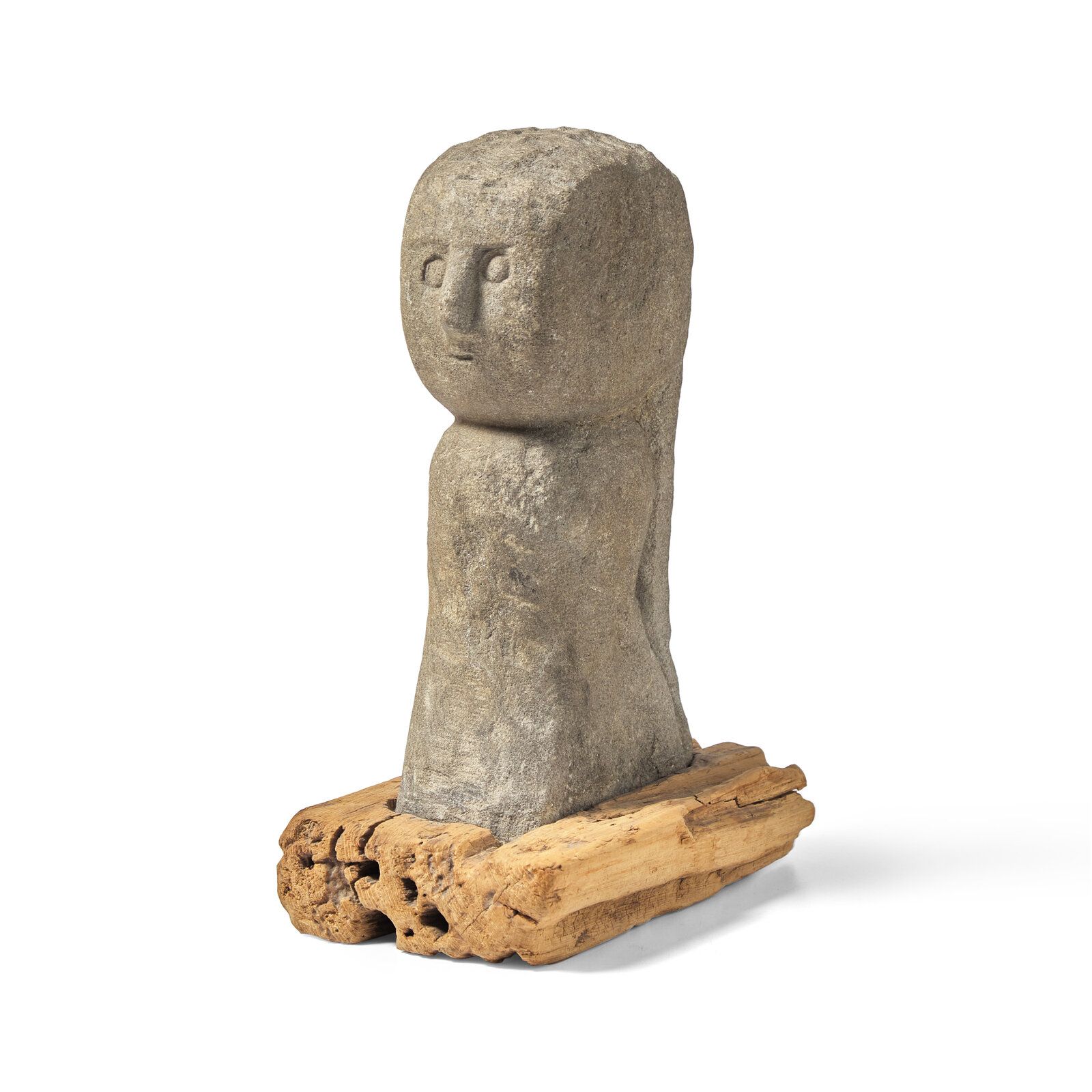
Freeman’s American Furniture, Folk & Decorative Arts auction presented more than 250 lots spanning the breadth of American material culture. The sale brought together both academic and vernacular traditions, featuring fine needlework samplers, silver, paintings, rugs, brass, and sculpture, among other objects. Strong participation drove the auction to 124% by value, with 13%of buyers new, for a total realized of $1,107,904—continuing the celebration of the nation’s 250th anniversary. “We had competitive bidding throughout the sale, with participation from 55 new bidders and the addition of 15 new buyers. Notably, many of the rarest and most significant works were acquired by private collectors and institutions, underscoring the continued strength and discernment of the market.” — Lynda Cain, Vice President, Head of Department, American Furniture, Folk & Decorative Arts Highly Desirable Outsider Art and Folk Artists Top lots included an intricate sand art bottle by Andrew Clemens (1857–1895), McGregor, Iowa, circa 1886 (lot 214), measuring seven inches in height, which sold for $128,000 to a private collector. Also achieving $128,000 was a carved limestone figure with a wood base, Girl with Braided Hair (lot 221), by William Edmondson (1874–1951), acquired by a private client, both of which performedmore than twice their low estimate. Patriotism and Historical Legacy: An Enduring Appeal Additional standout lots underscored the enduring appeal of historically significant and patriotic works. A Neoclassical sterling silver-covered sauce tureen presented by Elizabeth Willing Powel (1743–1830) to Edward Shippen Burd (1779–1848) (lot 46) achieved $28,800, more than five times its low estimate of $5,000, acquired by a regional instituion. A Joseph Bonaparte Neoclassical carved marble mantel (lot 114) realized $57,600, acquired by a private collector. Also drawing strong interest was a pieced and appliqué cotton 48-star American flag, measuring 78 by 89 inches (lot 230), which sold for $10,880. Portraits of Significant Americans and Rare Depictions of Early Cities Notable lots further highlighted the depth of American history and the figures who shaped it. An intimate watercolor portrait miniature of George Washington (1732–1799) by Robert Field (1769–1819), housed in a gilt locket case (lot 49), achieved $83,200, selling to a private client. An oil on canvas portrait of Captain Samuel Lewis (1764–1820) by José Francisco Xavier de Salazar y Mendoza (lot 65) was acquired by a museum for $25,600. Also of note, a matted and framed work in ink, watercolor, and gouache on paper by William Russell Birch (1755–1834), Alexander Hamilton’s First Bank of the United States (lot 86), realized $12,160. A portrait of William Wirt (1772–1834) by Charles Bird King (1785–1862) (lot 108), executed in oil on canvas, sold to an institution for $15,360. Rounding out the group, an American School 19th-century oil on canvas, The Landing of Pedro Menéndez de Avilés in Florida (lot 1), sold for$6,080to a private collector. Notable Rare Makers Complete the Sale Rare handcrafted objects rounded out the auction, with strong results across the category. Highlights included a charming silver caudle cup by John Coney (1655–1722), Boston, Massachusetts, circa 1700 (lot 25), which achieved $32,000 and sold to the trade. Also of note was an exceptionally rare engraved brass sundial by goldsmith Chandlee (1751–1821), Winchester, Virginia, dated “1789” (lot 52), which realized$21,760 and was acquired by a private Southern collector. Freeman’s is a premier American auction house offering services in multiple categories including fine art, jewelry, design, books and manuscripts, furniture, decorative arts, antiquities, couture, and Asian works of art. With 16 regional locations nationwide, the firm provides auctions, appraisals, private sales, and art advisory services, connecting clients to the global art market. Freeman’s strives to bring art, history, and design to life by connecting people with extraordinary objects through exceptional service and expertise.
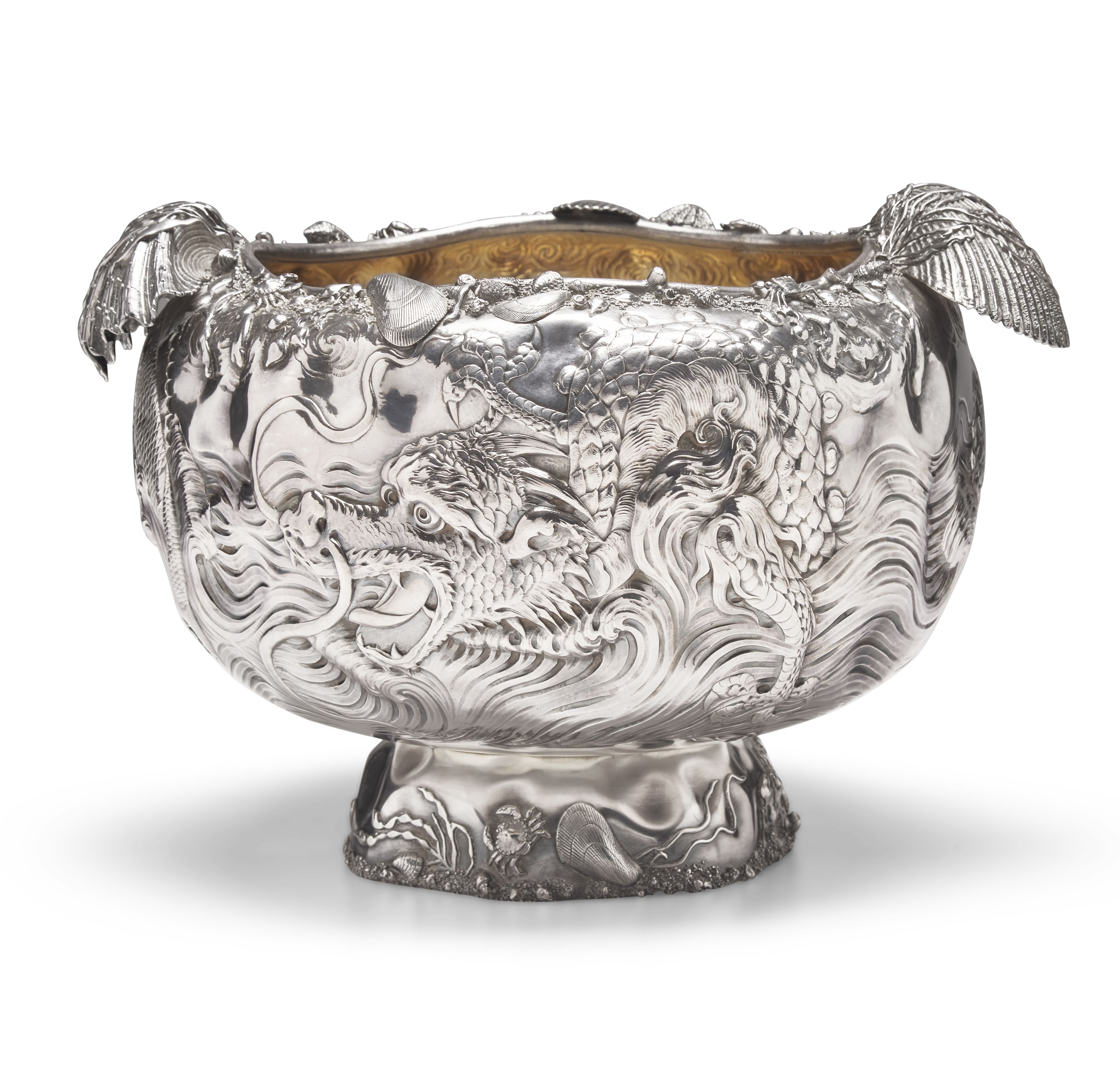
Freeman’s Fall American Furniture Sale Surpasses $1M, Draws 12% New Buyers
Freeman’s American Furniture, Folk & Decorative Arts auction presented over 300 lots showcasing property from prominent and early American collectors in New York and Philadelphia, including the Astor, Morgan, Stotesbury, and Scott Families. Other offerings include fine Queen Anne, Chippendale, and Federal furniture, as well as portraiture from New England to the Southern States. The sale achieved a total of $1,097,080, with 81% lots sold, and welcomed 12% new buyers to the firm. “This sale offered a wonderful diversity of property, and there were passionate bidders across all categories, from Astor Family material to Aesthetic Movement silver and folk paintings,” said Andrew Taggart, Specialist, American Furniture, Folk & Decorative Arts. “The Lafayette pocket watch and the Gorham Japonesque punch bowl were highlights of the auction, and the sale concluded with a strong realized price on a Ralph Cahoon work.” Notable collections from this sale included the Scott Family, which achieved a 100% sell-through rate. Leading their collection was an extensive Chinese Export porcelain dinner service from the late 18th century (lot 40), which sold for $11,520. The Astor Family also achieved a white glove result, with all lots sold. The top lot (lot 2), a gold-mounted walking stick monogrammed for John Jacob Astor IV (1864–1912), realized $23,040. Additional lots that took center stage included a rare and monumental sterling silver Japonesque Punch Bowl, (lot 249) sold for $54,400, A Historic 18 Karat Tricolor Gold Open Face Jacquemart Automaton Quarter Repeater Pocket Watch Purportedly Owned by Marquis de Lafayette (lot 76) sold for $44,800, and Ralph Cahoon (American, 1910-1982), Seaman's Bethel (lot 315) sold for $41,600. Top Lots Include: · Lot 249 | A Rare and Monumental Sterling Silver Japonesque Punch Bowl Sold for $54,400 · Lot 76 | A Historic 18 Karat Tricolor Gold Open Face Jacquemart Automaton Quarter Repeater Pocket Watch Purportedly Owned by Marquis de Lafayette Sold for $44,800 · Lot 315 | Ralph Cahoon (American, 1910-1982), Seaman's Bethel Sold for $41,600 · Lot 138 | A Chippendale Carved Walnut Dressing Table, Philadelphia, Pennsylvania, Circa 1765 Sold for $35,200 · Lot 260 | An Assembled 14 Karat Gold Dressing Set, William B. Kerr & Co., Newark, New Jersey, Early 20th Century Sold for $32,000 · Lot 2 | A Gold-Mounted Walking Stick Monogrammed for John Jacob Astor IV (1864-1912), Dated, "1894" Sold for 23,040 · Lot 310 | A Carved and Polychrome Painted Tobacconist Figure Sold for $21,760 · Lot 90 | A Needlework Sampler, Signed, "Jane Brimblecom's Work Age 11 Years 1811," Marblehead, Massachusetts Sold for $19,200 · Lot 199 | An Impressive Pair of Classical Silver Sauce Boats Sold for $16,640 · Lot 263 | Ammi Phillips (1788-1865), A Portrait of a Young Woman possibly Hanna Mills Raymond (1815-1837) of Kent, Connecticut, Circa 1836 Sold for $16,640 About Freeman’s Freeman’s is a premier American auction house offering services in multiple categories including fine art, jewelry, design, books and manuscripts, furniture, decorative arts, antiquities, couture, and Asian works of art. With 16 regional locations nationwide, the firm provides auctions, appraisals, private sales, and art advisory services, connecting clients to the global art market. Freeman’s strives to bring art, history, and design to life by connecting people with extraordinary objects through exceptional service and expertise.
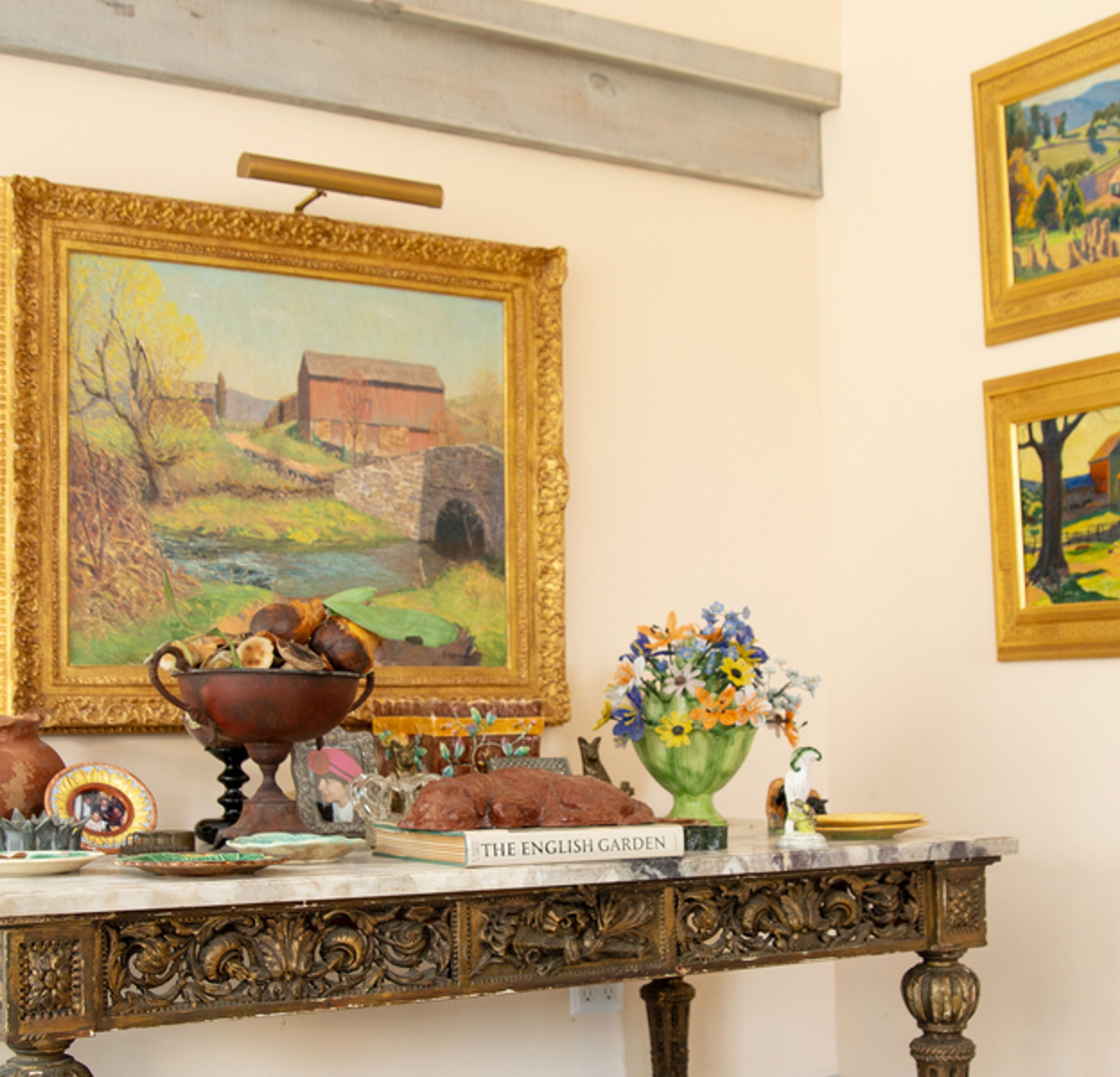
Garden Party: The Collection of Renny Reynolds
As a landscape architect, Renny Reynolds has long championed the beauty and joy of gardens, turning his career into a lifestyle. His journey began in the 1960s with the opening of his first shop in New York City, soon followed by a commission from fashion icon Bill Blass to design a penthouse terrace garden. Over time, Reynolds’s client list grew to include Giorgio Armani, Diana Ross, Andy Warhol, and others. He planned legendary events at Studio 54—including the launch of Yves Saint Laurent’s Opium—and orchestrated receptions at the White House for Presidents Ford, Nixon, Reagan, and Clinton following his tenure in Washington. In 1972, he founded Renny Design for Entertaining, later Renny & Reed, and in 1992, published The Art of the Party, often referred to as “the party planner’s bible.” His achievements were recognized in 2008 with the Great American Gardener Award, the American Horticultural Society’s highest honor. At his core, Reynolds is a steward of gardens and architectural treasures. Both his “Dogs and Frogs” estate—a 1780 farmhouse in Bucks County—and Hortulus Farm, an 18th-century homestead he restored with partner Jack Staub (1951–2020), reflect that lifelong devotion. The latter was eventually turned into a foundation to publicly showcase its gardens and the couple’s private art collection. It’s no surprise, then, that Reynolds developed a deep affinity for the Impressionist painters of Bucks County, whose works mirror his reverence for both natural and designed landscapes. The collection offered at Freeman’s | Hindman this fall speaks in a vibrant pictorial language that parallels his vision of landscape—both raw and refined. Daniel Garber (American, 1880-1958) Sycamore and Elm, 1932 | $50,000 – 80,000 Two artists in particular embody this duality: Daniel Garber and Edward Willis Redfield. Sycamore and Elm epitomize Garber’s soft lyricism and thoughtful assemblage of quaint details filling the landscape with soothing poetry, while Early Spring exemplifies Redfield’s muscly approach, wrestling beauty from the landscape, shown in its full vigor and seemingly untouched. Edward Willis Redfield (American, 1869-1965) Early Spring | $25,000 – 40,000 Yet the line between raw nature and designed landscape can be misleading. Thoughtful garden design often conceals its own construction—enhancing nature through subtle, deliberate arrangements. Works by Fern Coppedge, Samuel George Phillips, and R.A.D. Miller further this idea, highlighting a harmonious interplay between built structures and the natural world. These scenes reflect the philosophy behind a well-designed garden: curated yet organic, framed yet free. Robert Spencer (American, 1879-1931) Waterloo Row, 1917 | $60,000 – 100,000 Through sensitive composition, light, and color, the paintings elicit varied moods. In winter nocturnes by Harry Leith-Ross and George Sotter, the mood is hushed and contemplative. In contrast, Robert Spencer’s Waterloo Row, the top lot, captures the calm before a day’s labor begins—still and full of quiet expectancy. A leading figure of the New Hope art colony, Spencer portrayed working-class life with empathy and honesty. In Waterloo Row, nature subtly disrupts the grid-like structure, just as a garden might soften architecture with the promise of renewal. The theme of cultivation extends beyond paintings. Reynolds’s furnishings reflect a blend of formal 18th-century style and rustic charm, with painted surfaces, patinated finishes, and playful contrasts. Indoors and outdoors merge through majolica tableware, beaded floral arrangements, tinware lighting, and garden seating. The sale is rounded out by over 150 volumes from Reynolds’s personal library on garden design and architecture, featuring works by Humphry Repton, Gertrude Jekyll, Vita Sackville-West, William Robinson, and others—offering a window into the mind of a lifelong gardener, collector, and designer. INQUIRES: [email protected]
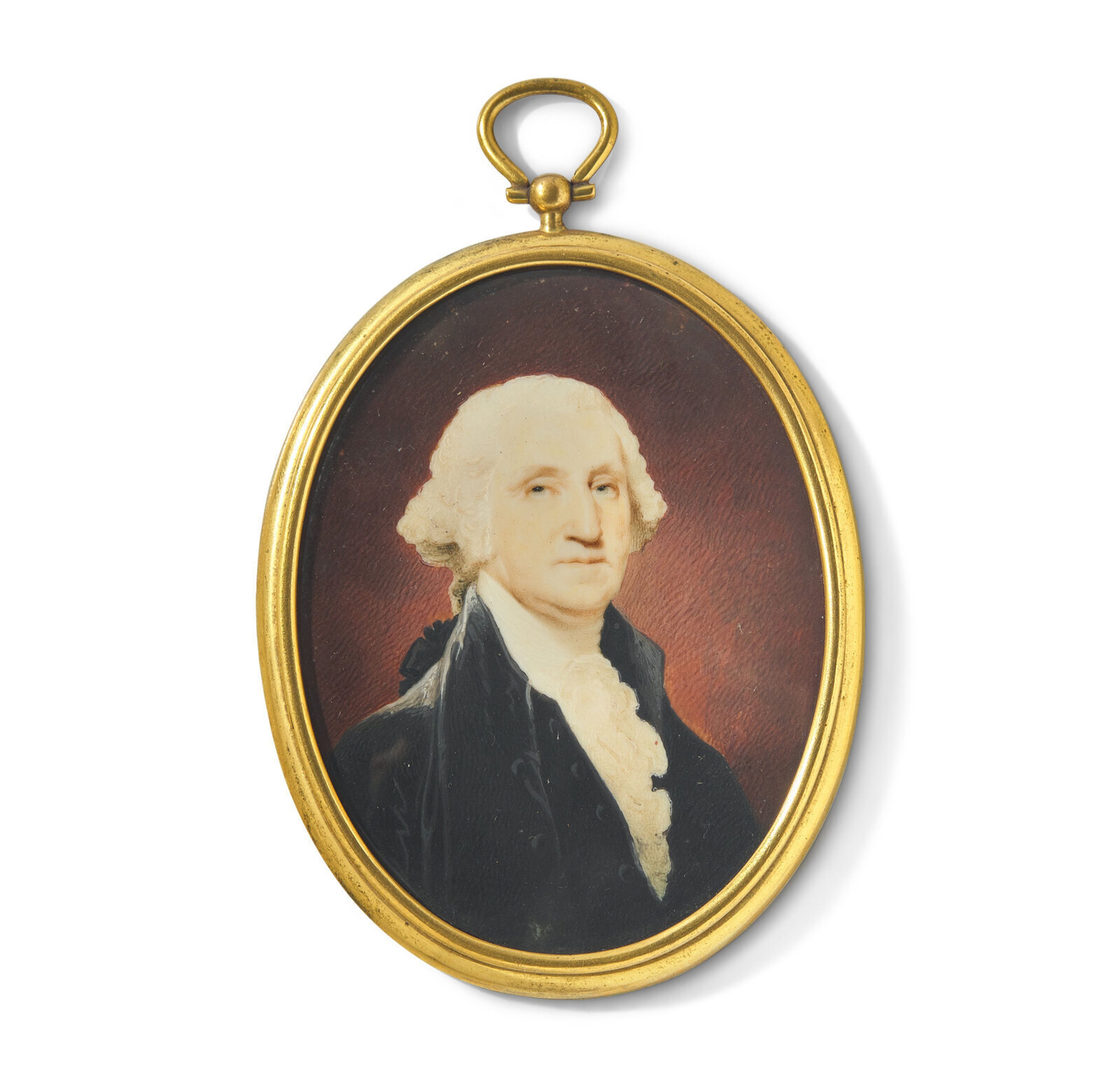
Robert Field’s Portrait Miniature of George Washington
A portrait miniature of George Washington in Presidential attire, by Robert Field (1769-1819) after Gilbert Stuart (1755-1828), mounted in a gilt-locket frame, circa 1800. Born in London and trained at the Royal Academy, Robert Field arrived in the United States in 1794, with aspirations of depicting the new nation's cultural and political elite. Traveling first to Baltimore, and then to the temporary capital of Philadelphia, Field joined an active group of native and foreign-born artists—prominent among them, Charles Willson Peale, James Peale, and Gilbert Stuart. George Washington was the most coveted subject, and Stuart, creator of highly desirable portraits of Washington, declared Field as the era's greatest portrait miniaturist. This advocacy supported Field's ability to secure numerous commissions of miniature versions of Gilbert Stuart's portraits of the First President, in military uniform and presidential attire. View the American Furniture, Folk & Decorative Arts Auction, April 28, Philadelphia.

Never Miss An Auction