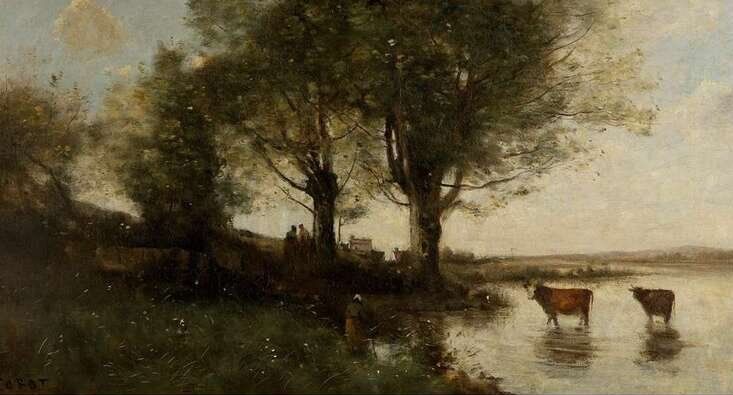
Old Masters & 19th Century European Art
Department
Freeman's is one of the lone houses outside of New York that regularly holds sales specifically dedicated to European Art and Old Masters, including paintings, sculptures, and works on paper ranging from the 15th through the late 19th century.
A strong emphasis on selectivity and connoisseurship paired with highly academic and well-researched essays has yielded our consignors consistently strong results by classical painters of the Renaissance, Baroque, Pre-Raphaelites, Barbizon, and La Belle Epoque working in both the United Kingdom and the Continent.
Notable Old Masters auction successes include those featuring works by such leading names as Hubert Robert, Solomon van Ruysdael, William Adolphe Bouguereau, Charles-Amable Lenoir, Jean-Baptiste-Camille Corot, Eugène Boudin, Léon-Augustin L'Hermitte, John Atkinson Grimshaw, Edward Burne-Jones, Johann Wilhelm Preyer, Rudolph Ernst, and Franz Unterberger. We invite you to explore the notable results of recent Freeman’s Old Masters and 19th-century artists’ auctions. Then contact us to arrange a complimentary valuation of your artwork by one of our art appraisers.
Looking to Consign?
Interested in selling Old Masters & 19th Century European Art in one of Freeman’s sales?
Department highlights
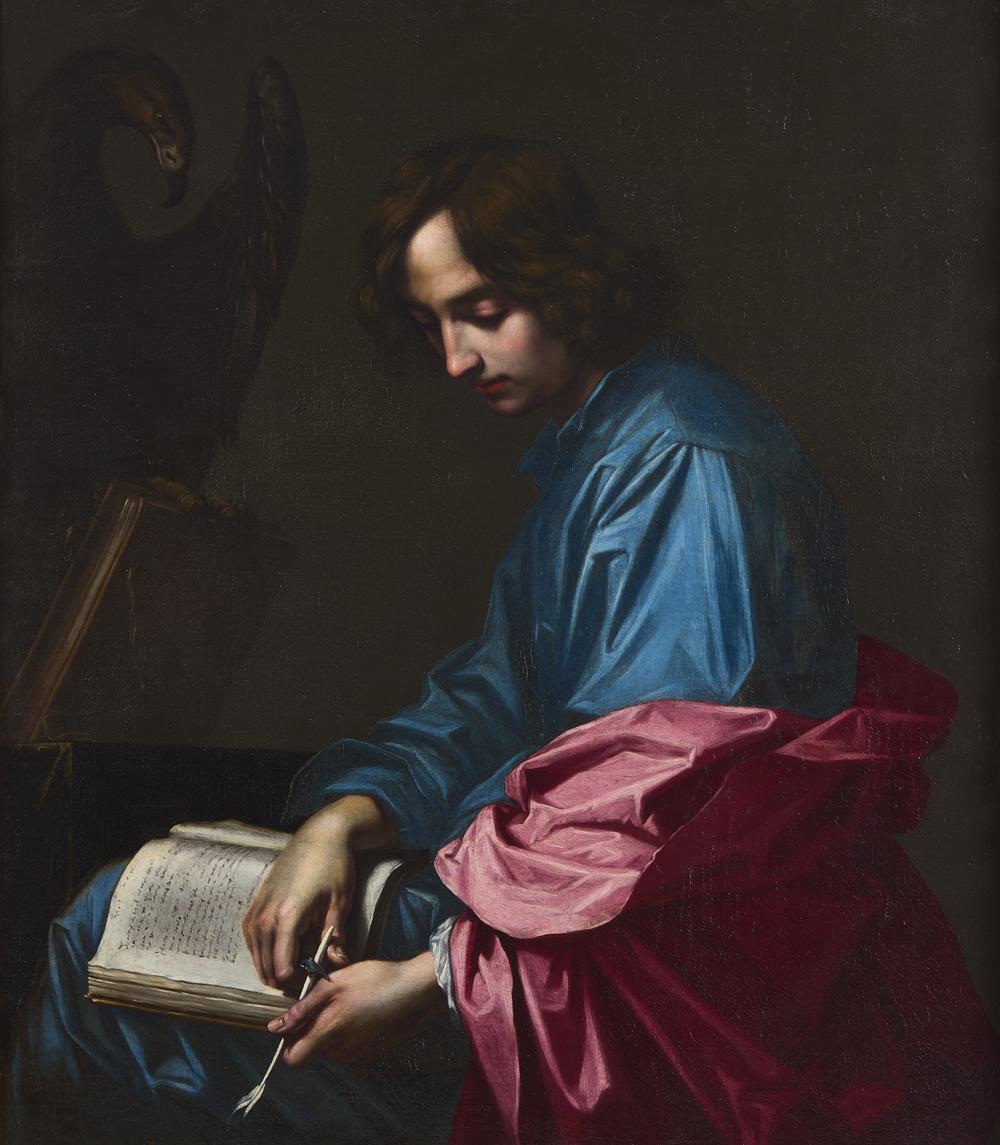
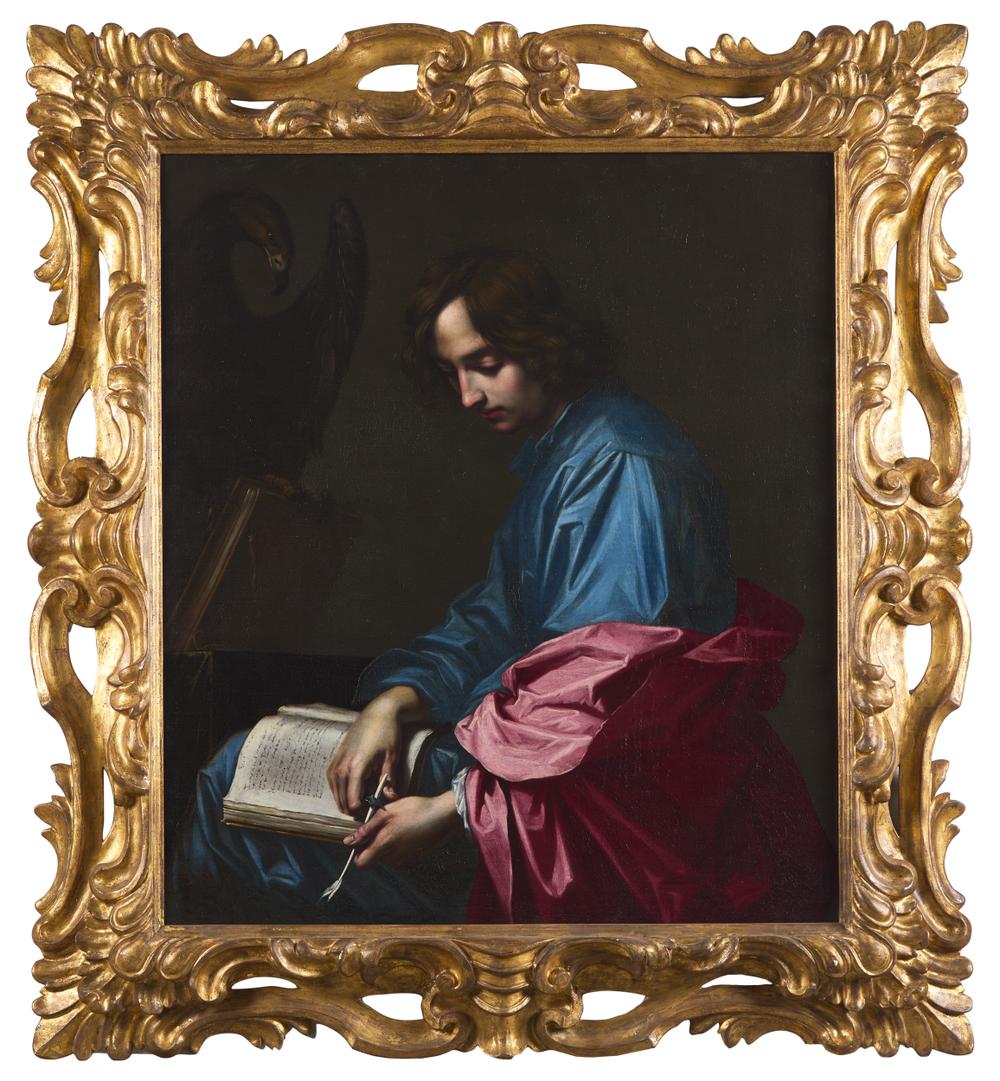
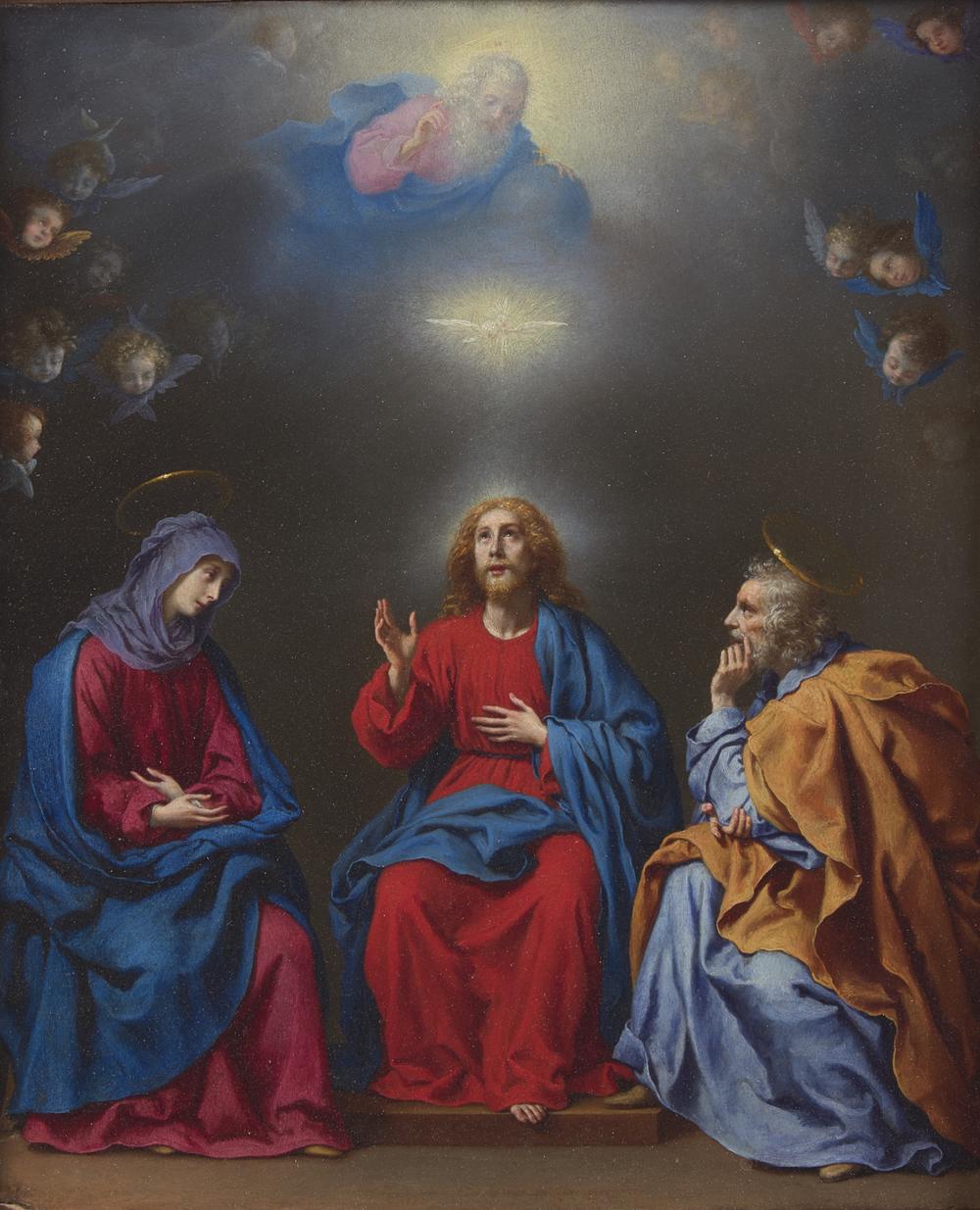
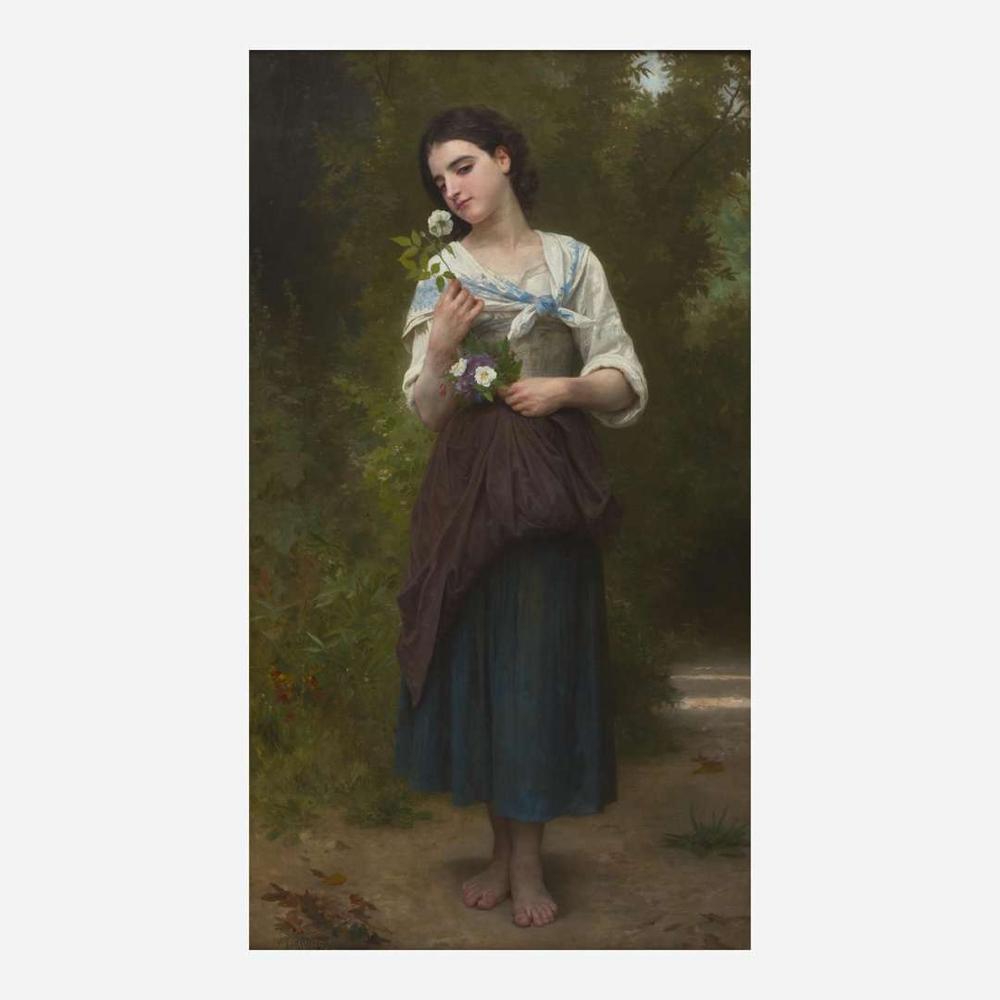
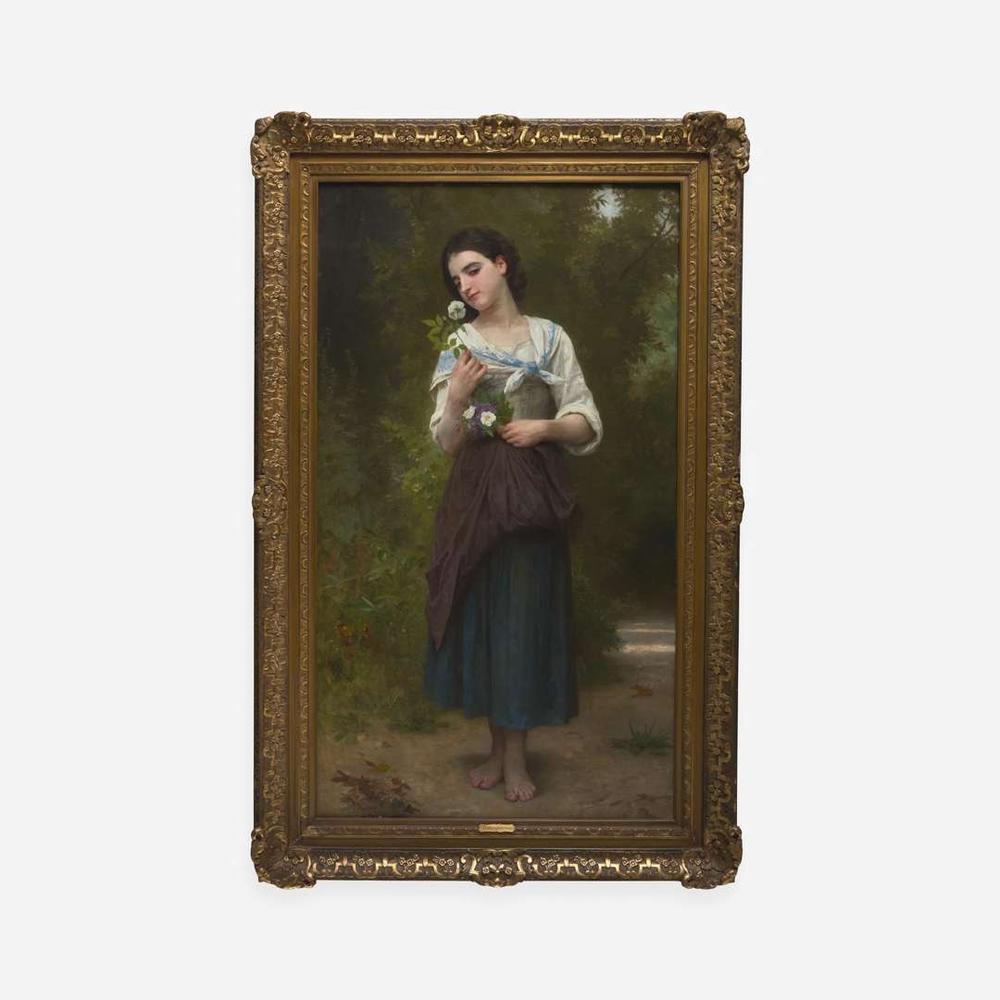
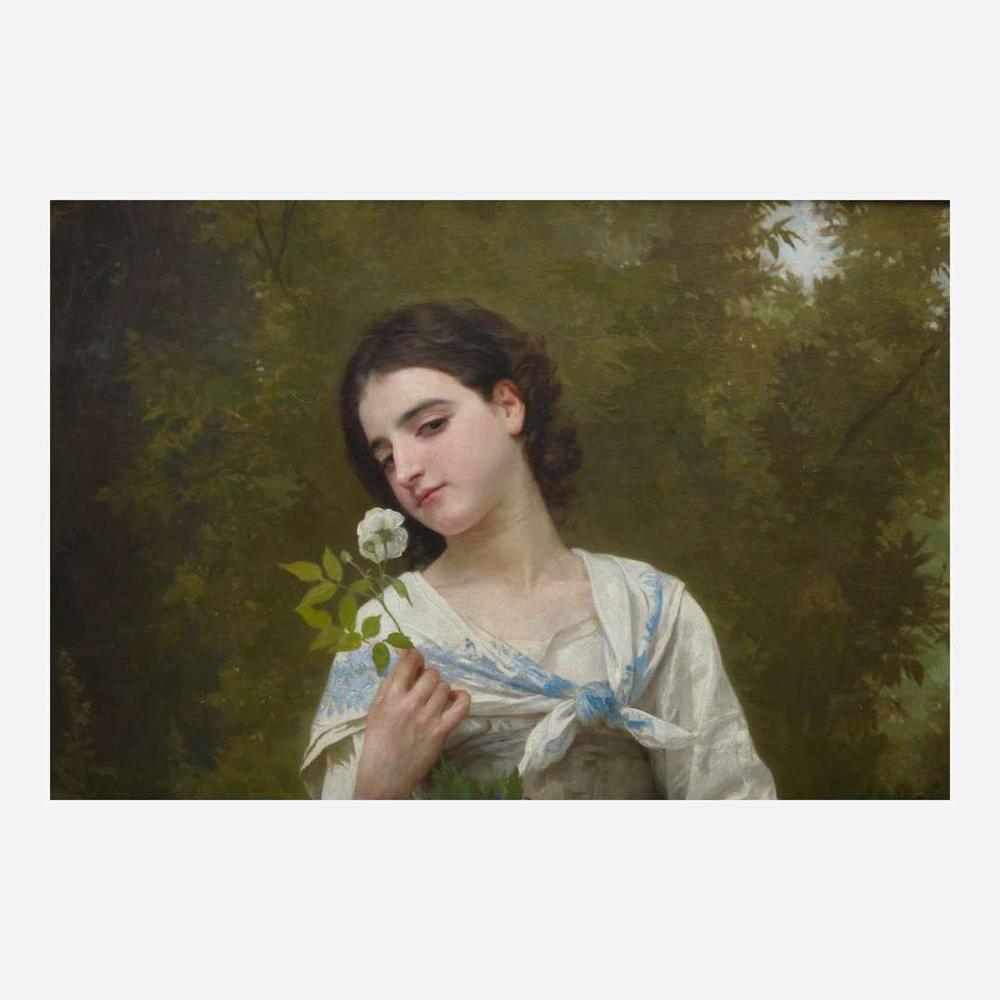
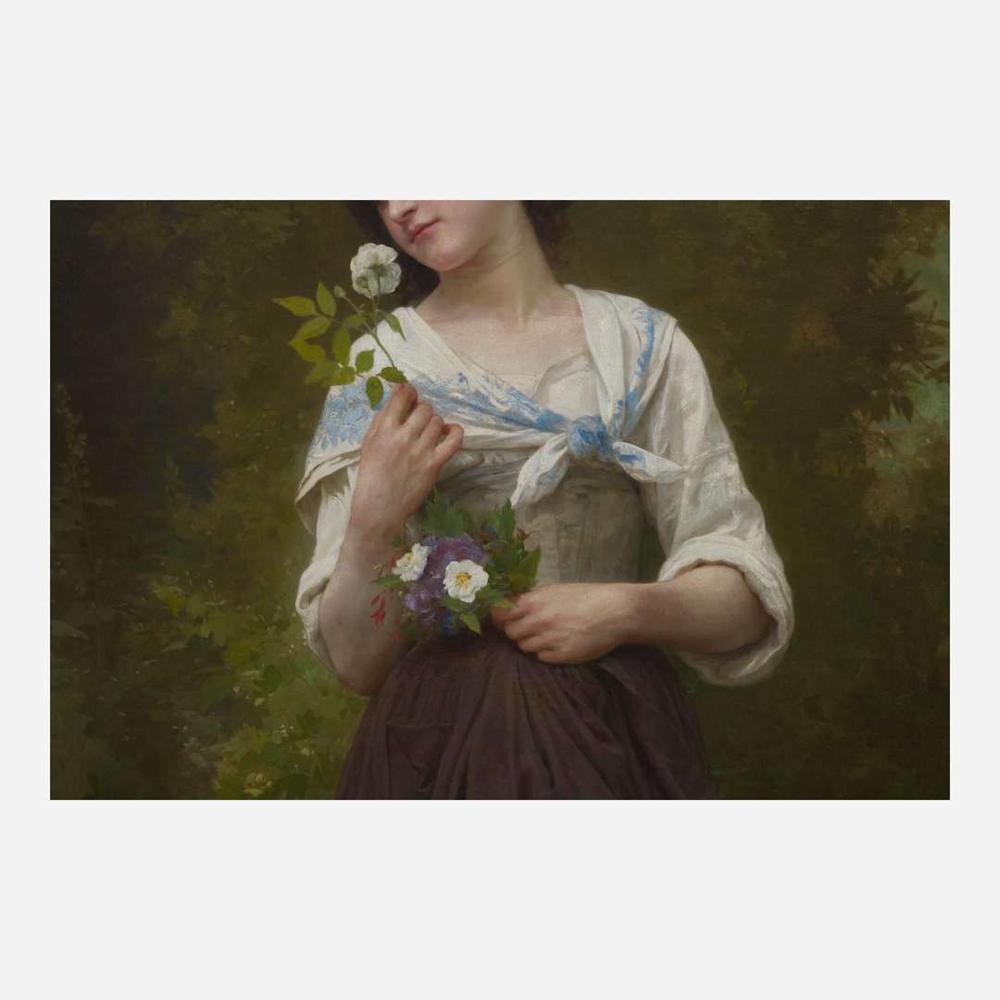
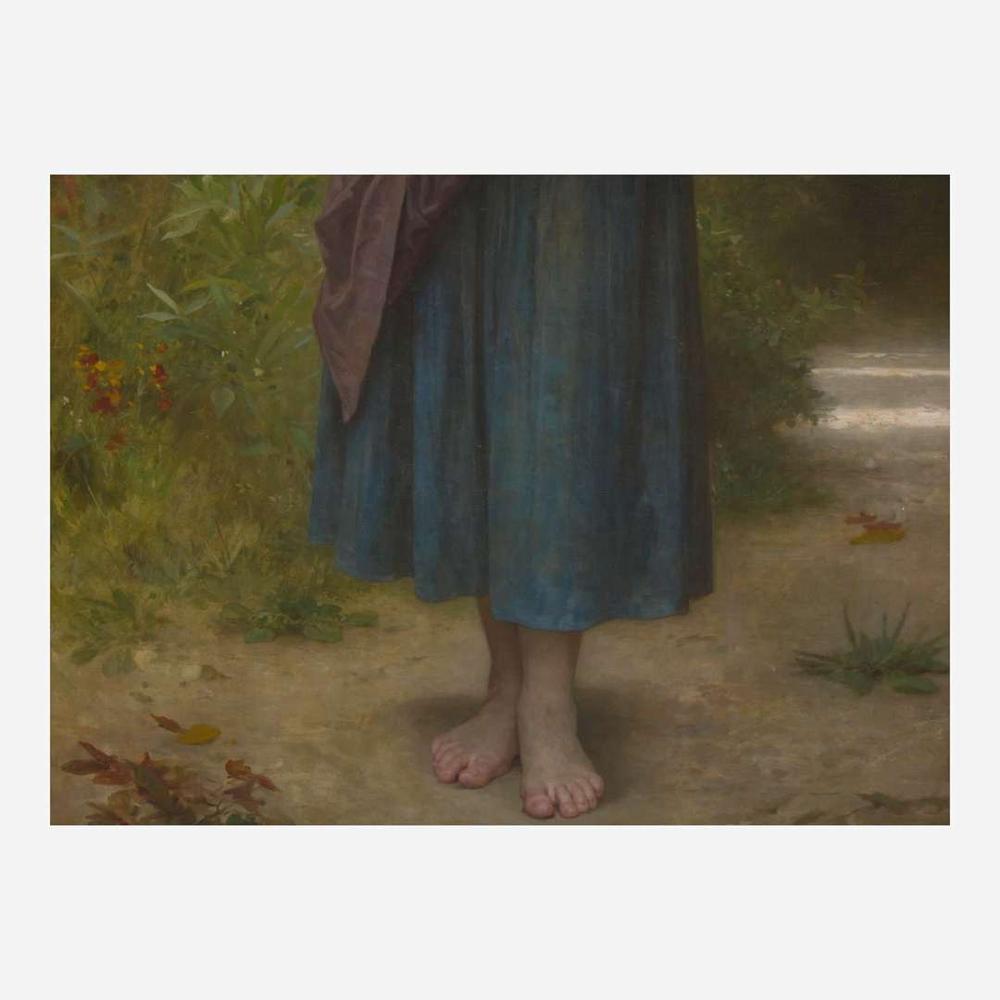
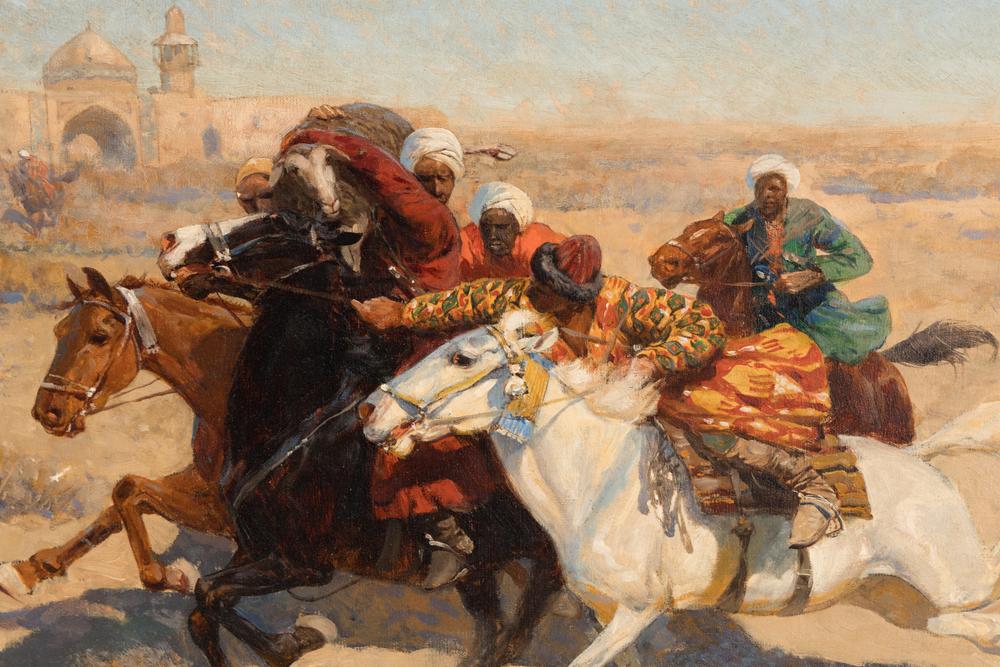
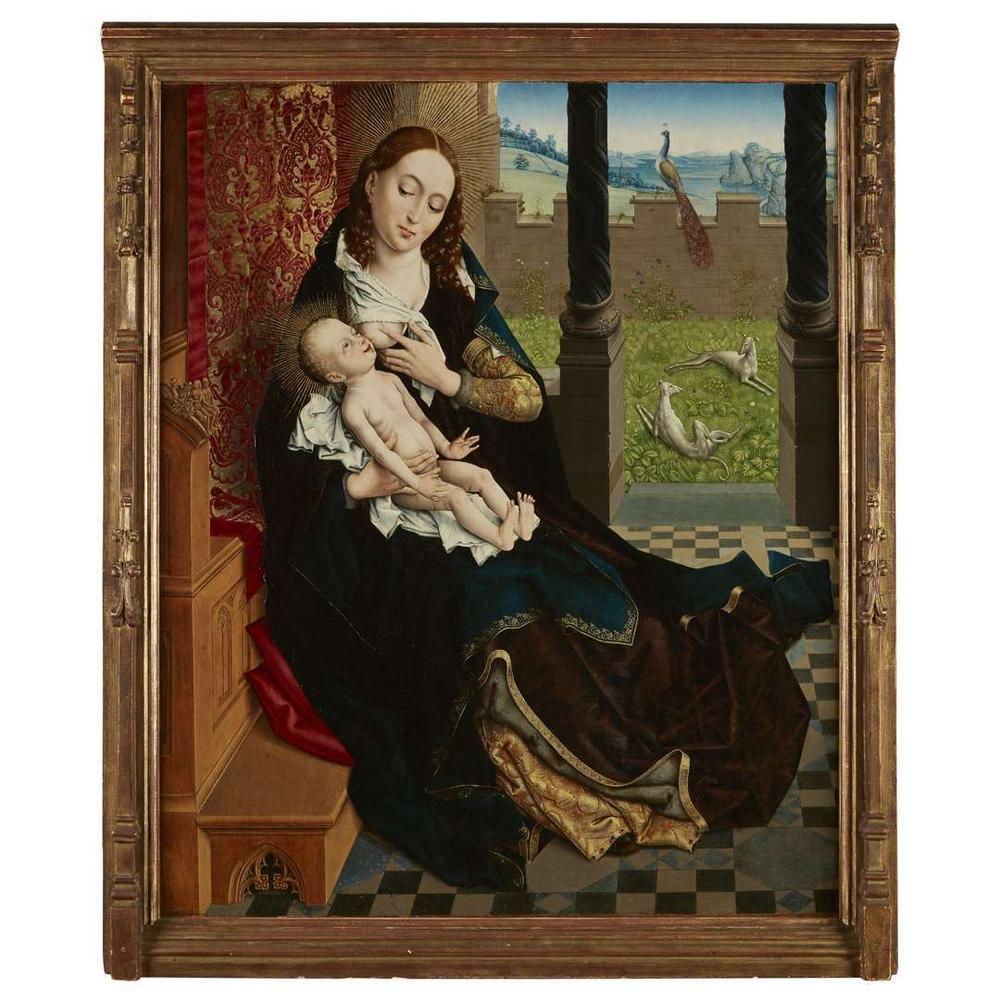
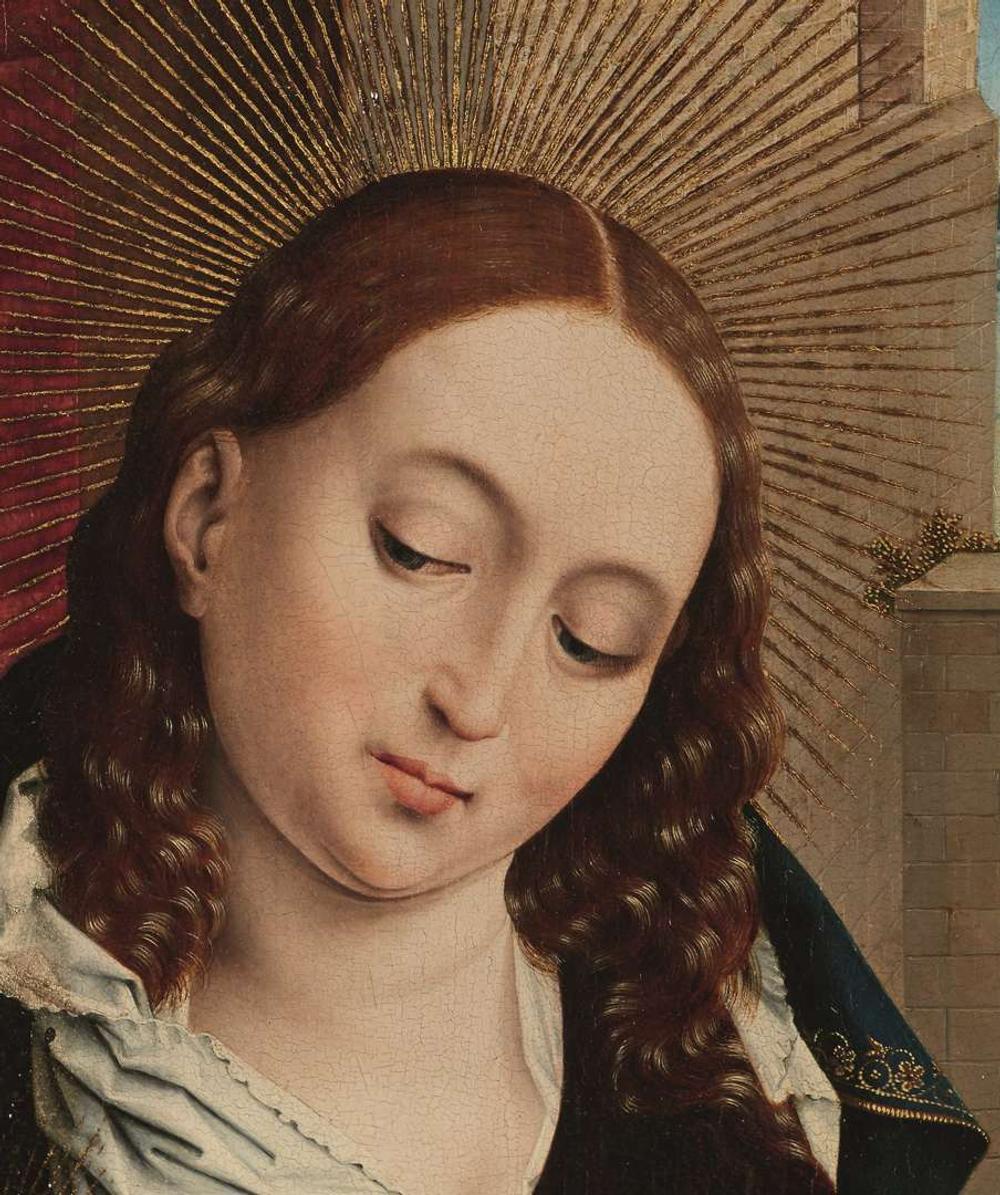
Sell with confidence.
Get a complimentary valuation from one of our specialists.
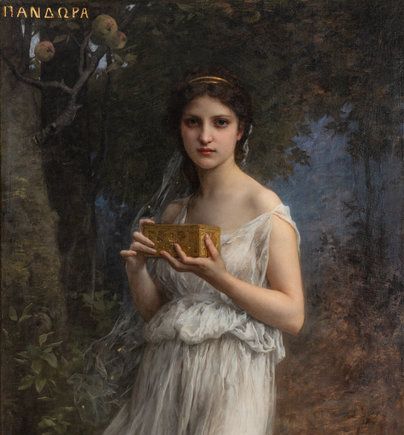
Charles Amable Lenoir (French, 1861–1940) Pandora, 1902
Sold for $176,400
Auction Specialists

Jelena James
Senior Specialist, Head of Sale, 19th Century European and Old Master Paintings


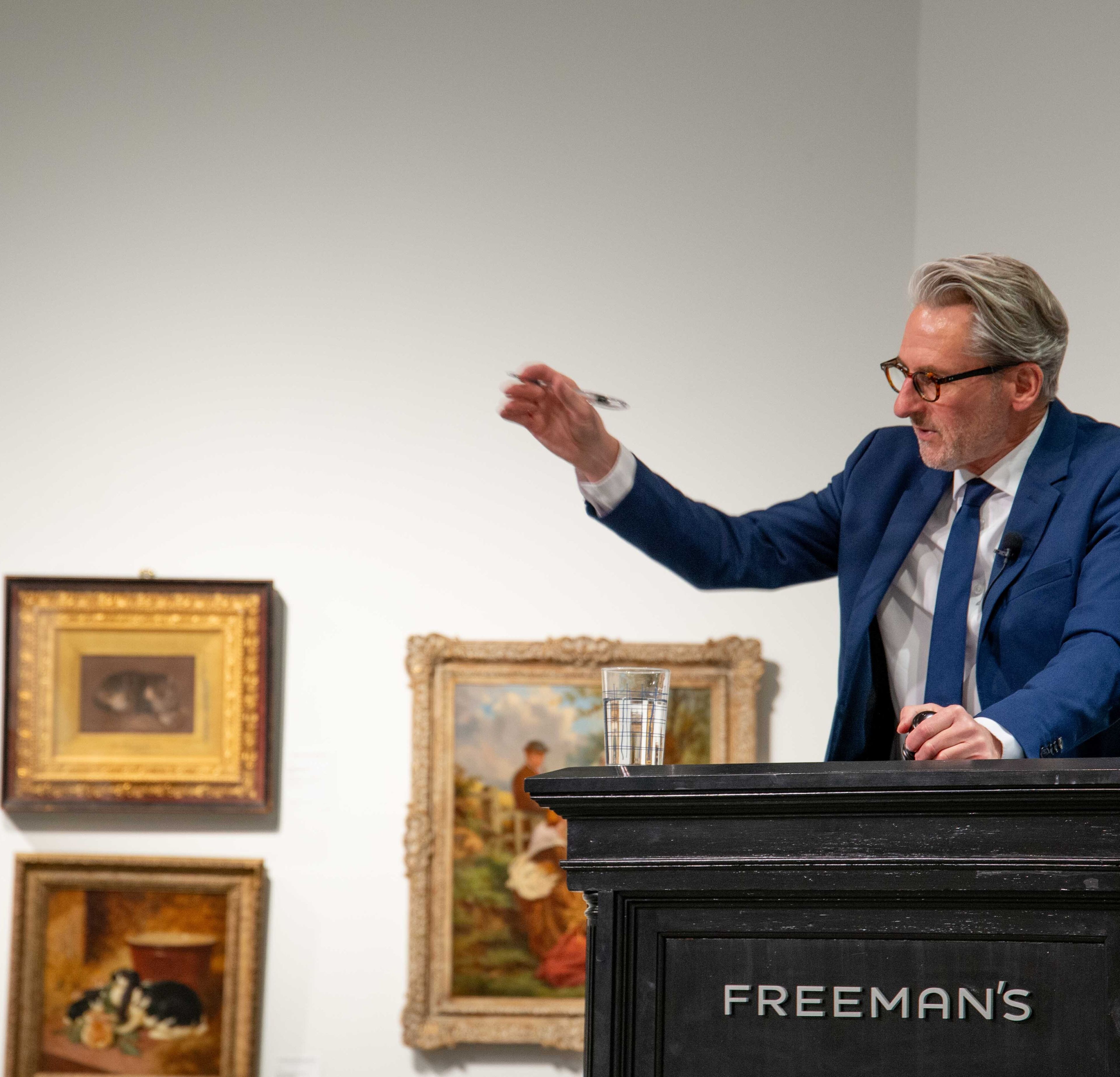
Specialist Spotlight: David Weiss
Join us as we spotlight David Weiss, Senior Vice President, Fine Art, ahead of our Old Masters & 19th Century Artauction, to be held live in New York on May 12. Learn about his journey in the world of fine art, notable achievements at Freeman’s, and his favorite lots from our upcoming sale.
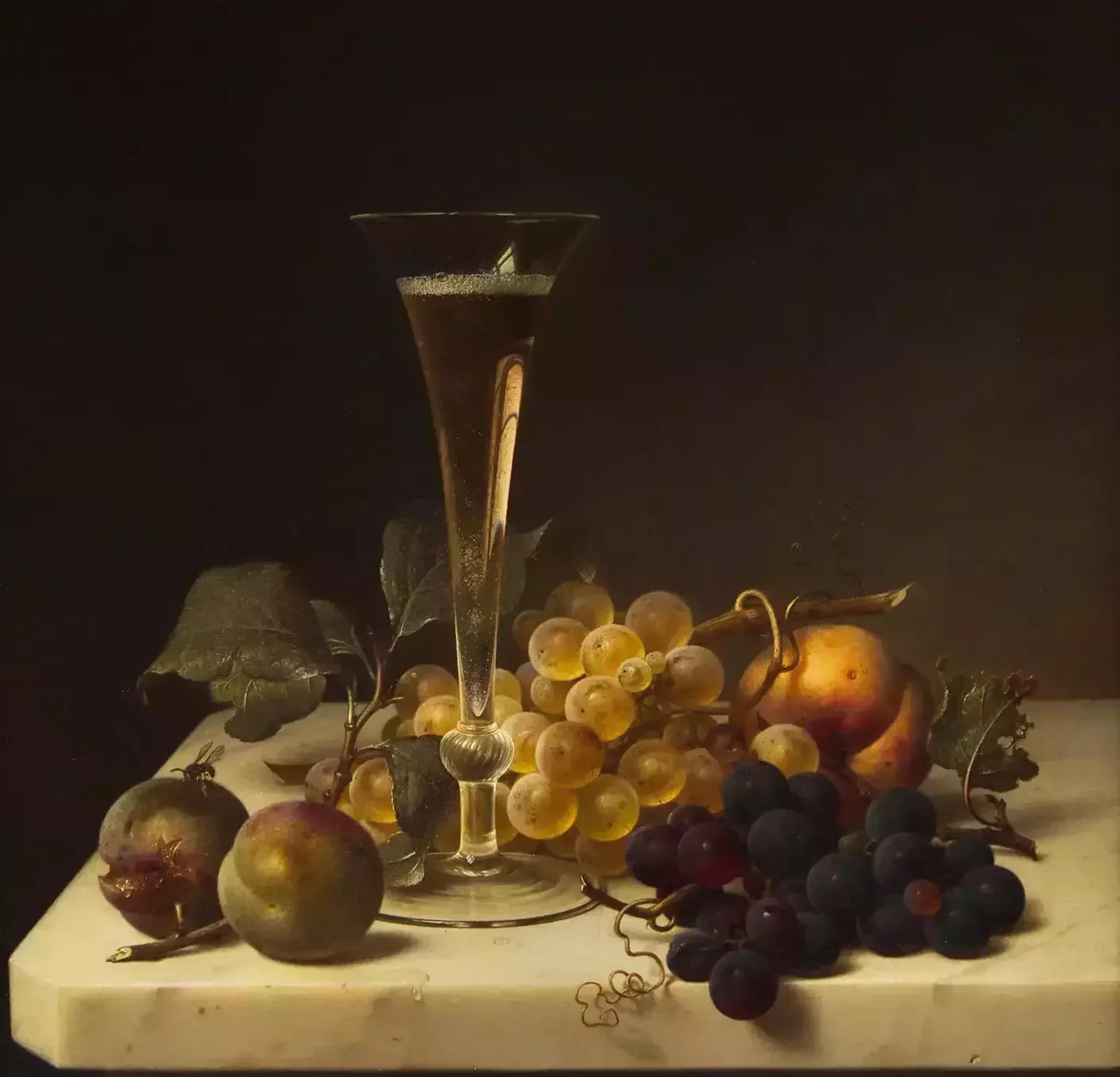
Johann Wilhelm Preyer's 'Still Life with Champagne Flute, Greengages, Peach, and Grapes, 1867,'
This exquisitely rendered still life is by the artist Johann Wilhelm Preyer, a student of the Düsseldorf School of painting, and one of the few of that school to specialize in still lifes.
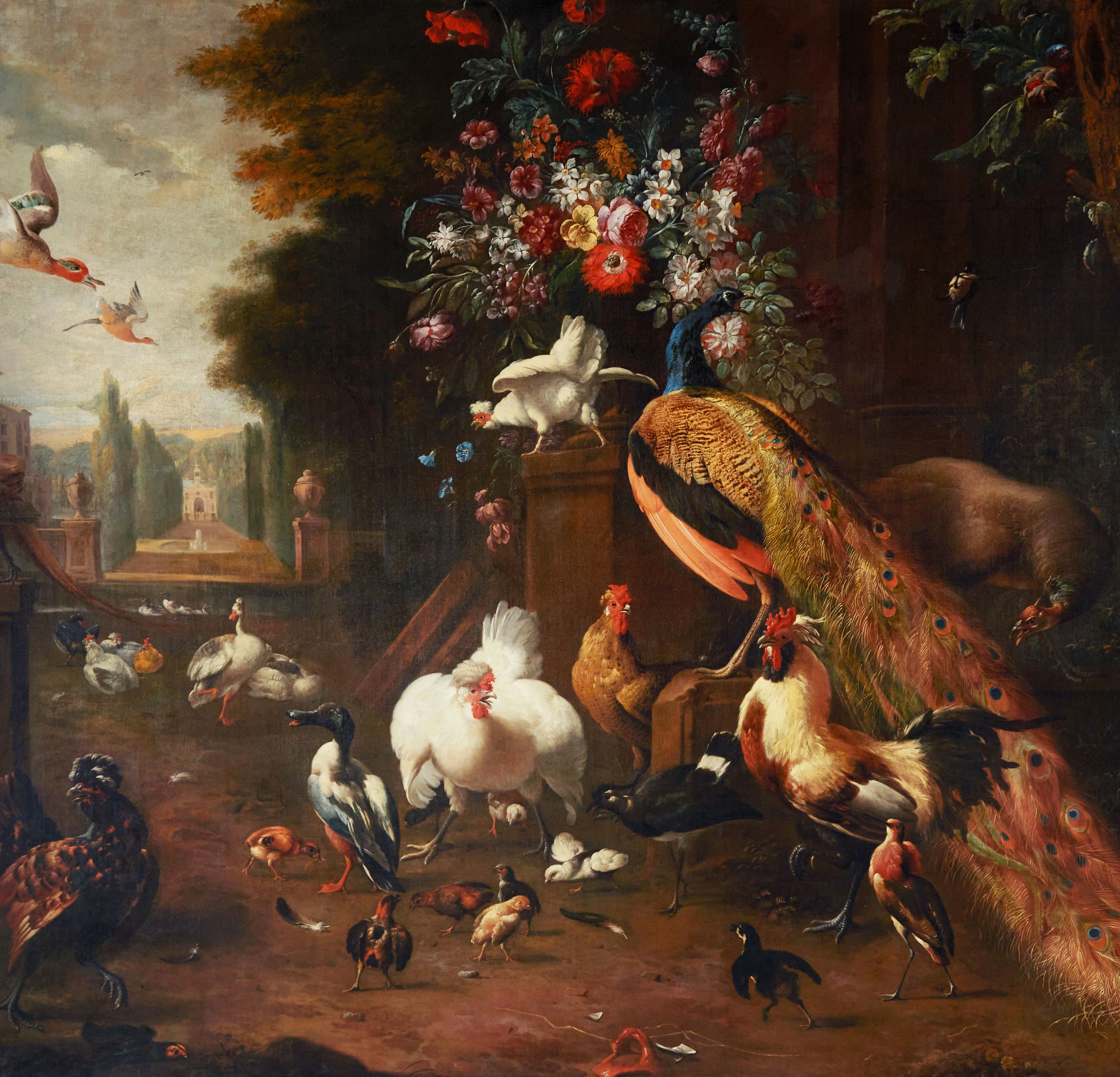
Freeman’s Sells $2.5 Million of Old Masters and 19th Century European Art On the First Day Under the Unified Freeman’s Brand
On the same day that Freeman’s announced that the firm would rebrand under the historic name of Freeman’s, the firm held two auctions of Old Masters and 19th Century European Art auctions that exceeded expectations on its way to a $2.5 million day.
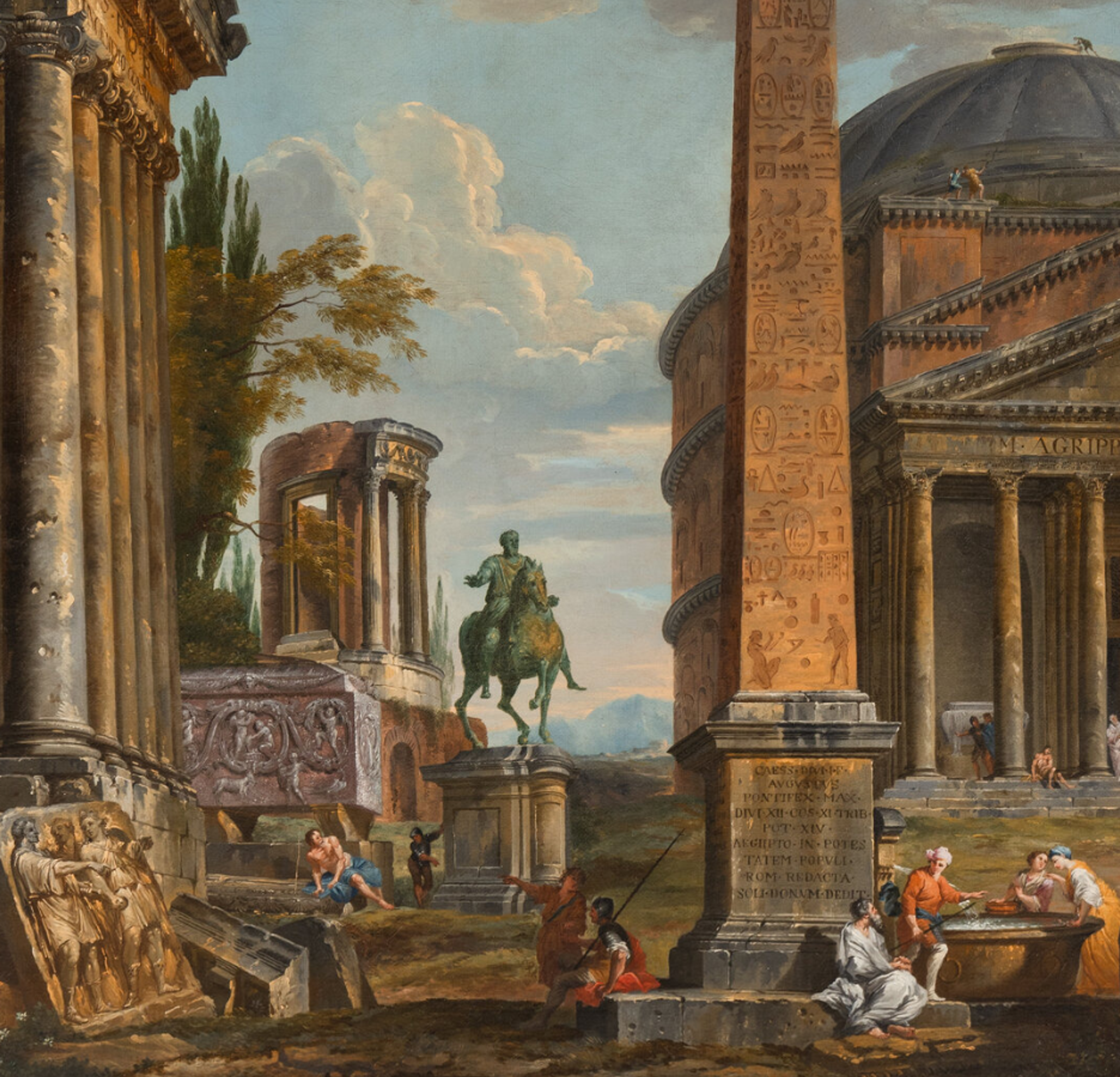
Panini's Vision of Rome: A Rare Capriccio Masterpiece
Rome's ancient architectural treasures have captivate artists and travelers for centuries.
Old Masters & 19th Century European Art
Frequently asked
questions
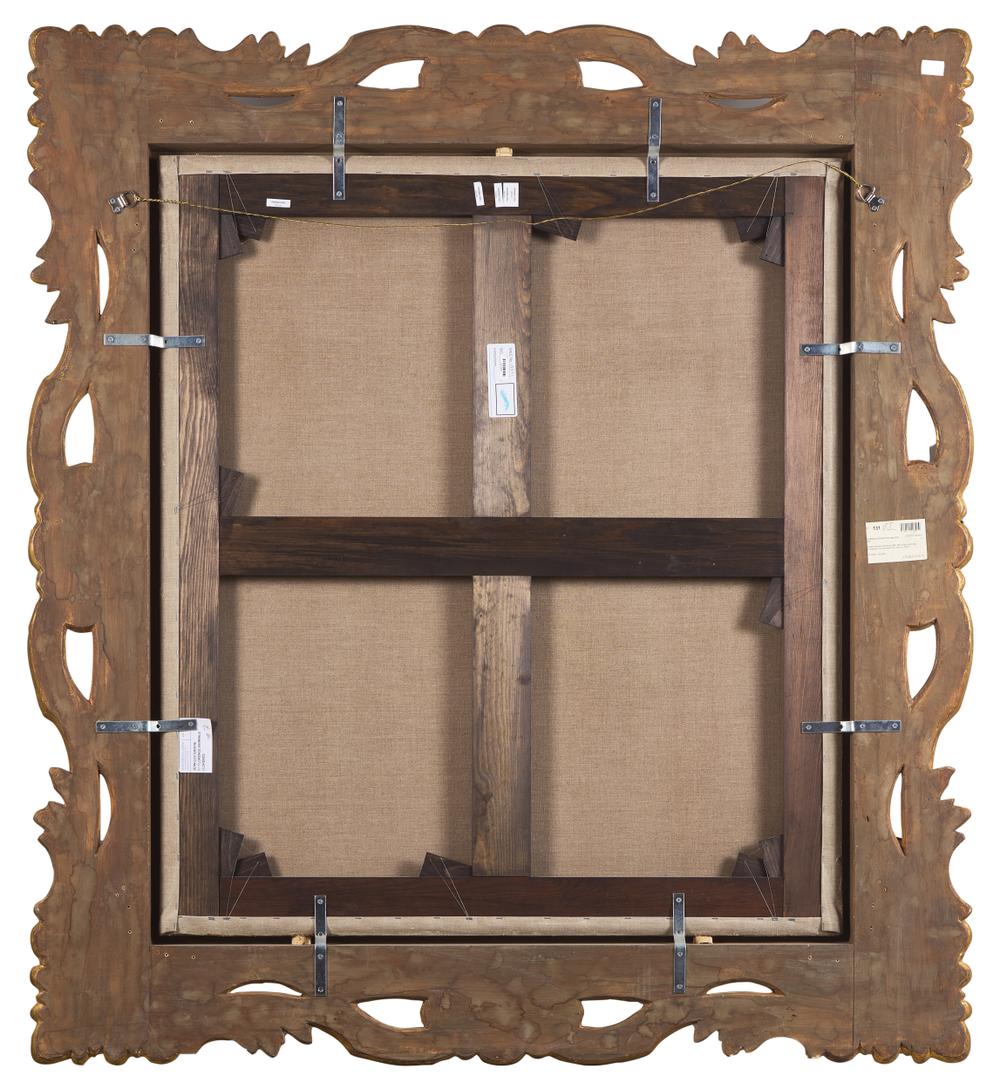
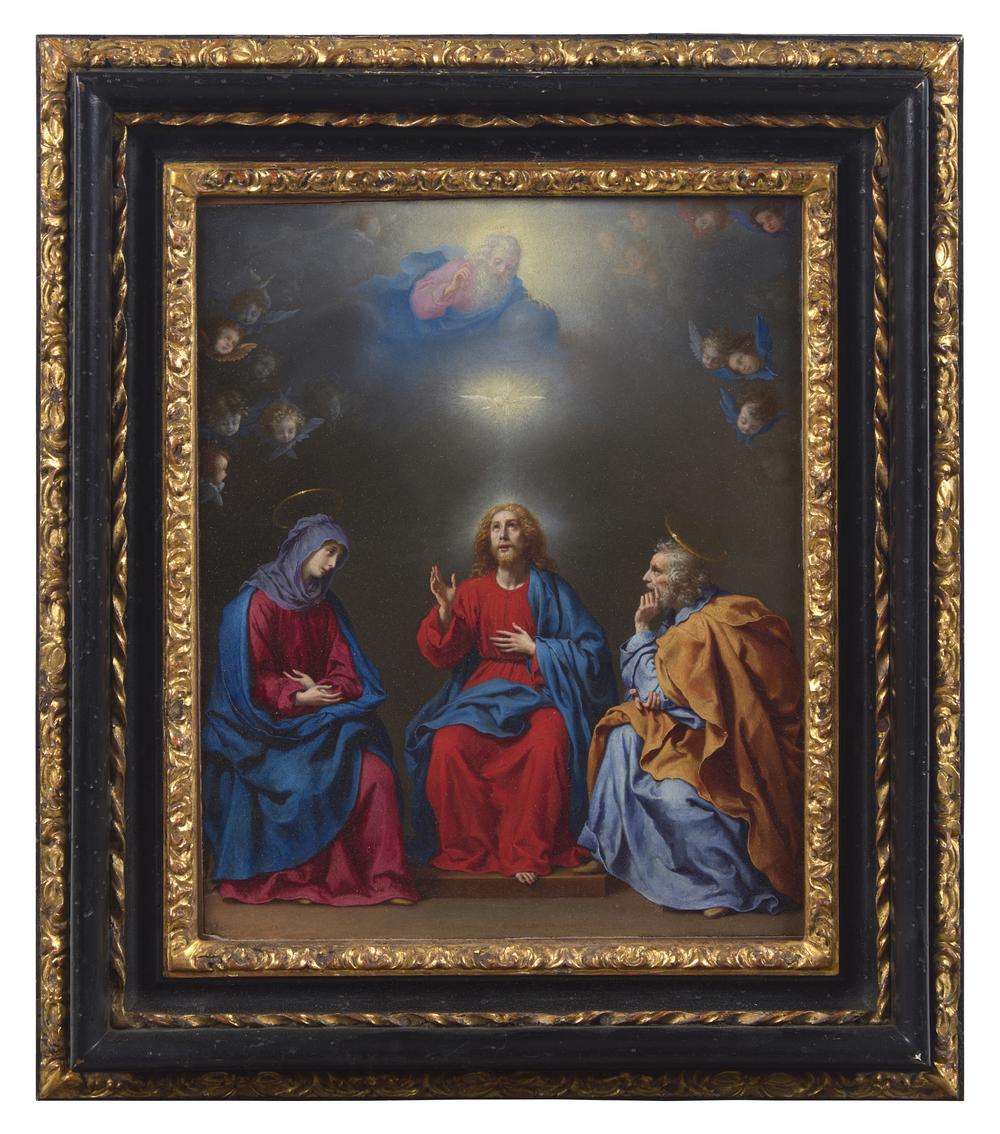
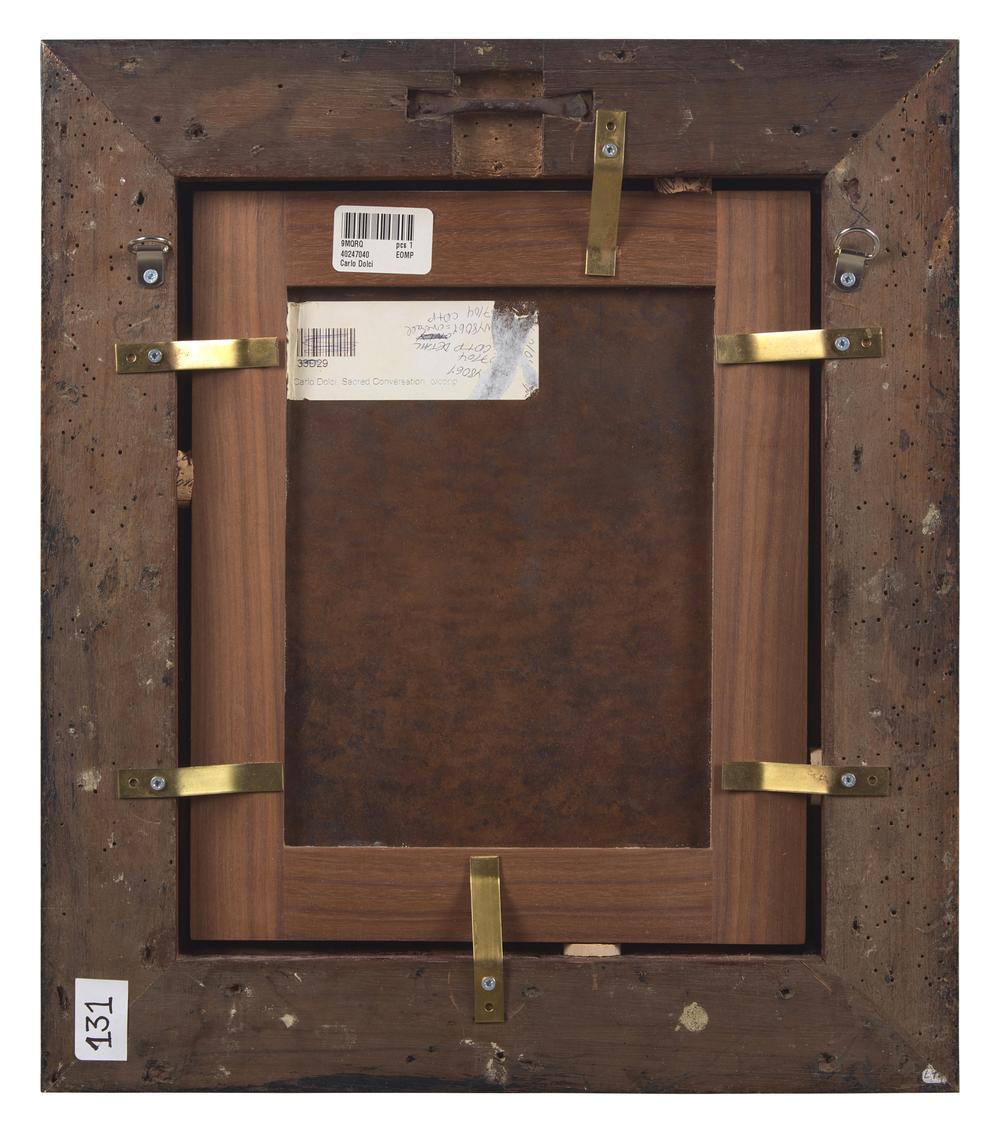
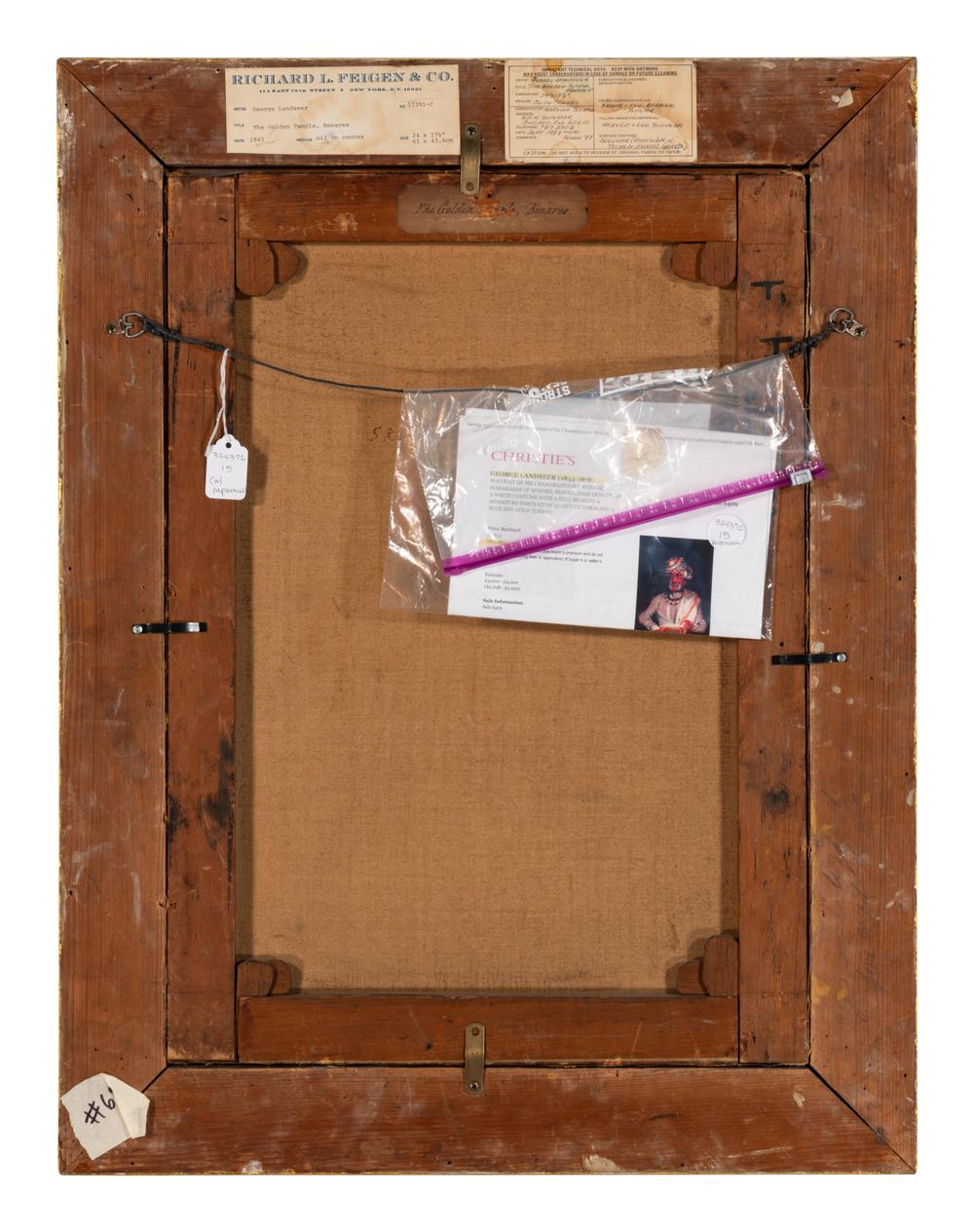
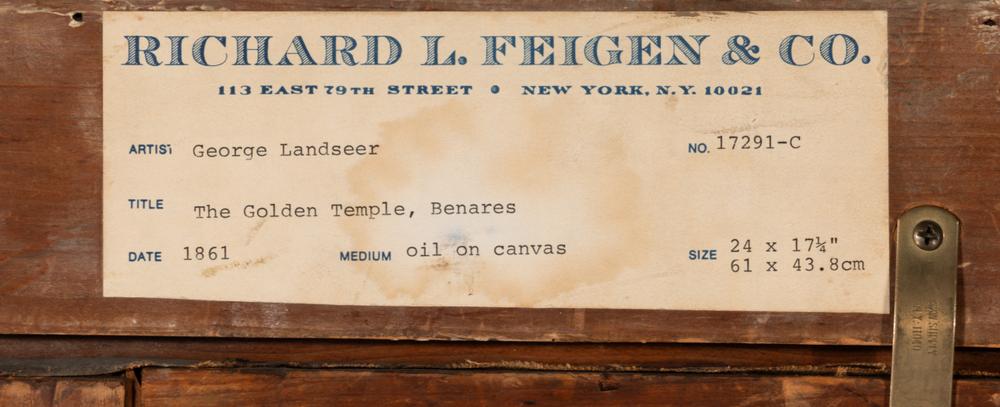
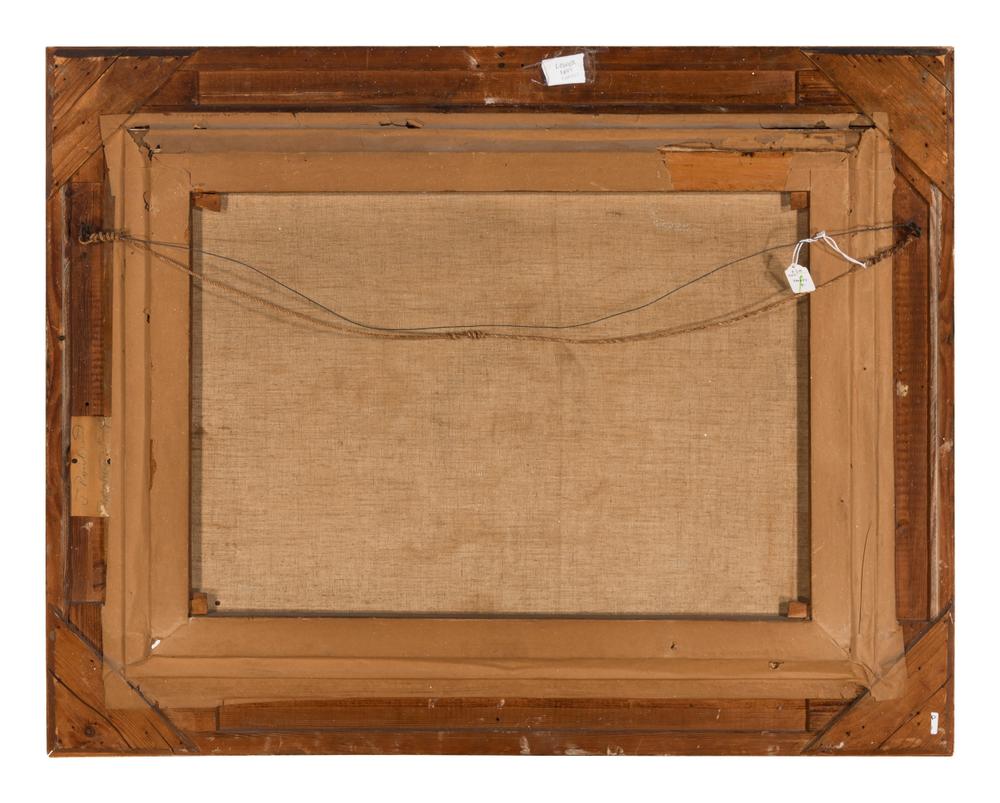
To sell an Old Master painting with Freeman’s we request that you submit photographs of the painting – including a photograph showing the front of the painting in full, the back of the painting in full, as well as a photograph(s) of any labels or markings you see on the back of the painting. Tell us where and when you acquired the painting and any other history about the painting you may know. If you have a receipt or documentation, kindly include a photograph for us to see it. Based on these photographs we will provide you with a complimentary auction estimate.
The value of a European painting is contingent on a number of factors, including who the artist is (or who we attribute the painting to in the event it is not signed, which is often the case with 17th and 18th century paintings in particular), condition, rarity, quality, subject matter, and above all, market demand for the painting in question. Many European artists were accomplished painters, however Freeman’s generally only sells paintings by European artists whose works have sold either at Freeman’s or at other established auction houses in the past, as well as paintings by artists whose work is represented by major museums and art galleries. If a talented artist has not had her or his work previously sold at auction or if their work is not located in major institutions Freeman’s will generally not have a good market for it.
Yes, in most instances we can assist with the identification and valuation of even unsigned paintings. As noted above, most paintings from the 17th and 18th century were not signed. (Most of the 19th century paintings sold by Freeman’s are signed, however). Please note that just because a work is hand-painted and has age, that does not mean Freeman’s necessarily has a market for it.
The paintings which sell best at Freeman’s are by famous artists with a proven track record at auction.
Yes, in many instances Freeman’s sells paintings that are from the studio/atelier or school of a famous artist, such as Rembrandt, Rubens, van Dyck, Breughel, Guardi, and Canaletto. While there is always strong demand for paintings that are fully attributable to a well-known artist, important studio/atelier or school paintings executed in the master’s style are also highly valued by collectors.
Provenance is simply the documented ownership history of an artwork. A European painting with excellent provenance is not only invaluable for helping to establish authenticity. It also adds considerably to the price paid at auction.
Generally, no. Decisions concerning whether to restore should be undertaken are only made in consultation with a Freeman’s European painting specialist. Poor quality restoration adversely affects the value of a European painting. What’s more, most astute auction buyers prefer to buy European paintings in ‘as found’ rather than ‘restored’ condition.
Freeman’s has specialists dedicated to the sale at auction of European paintings. Given both our expertise in this category and our proven track record of achieving high prices, selling your inherited European painting with Freeman’s is a great way to ensure that you receive maximum value.
When you sell with Freeman’s auction you enjoy the benefit of our presenting and marketing your European painting to the largest possible audience, both here and abroad. Buyers of European paintings at Freeman’s are located all over the world and include the most famous art galleries, as well as prominent collectors, museums, and institutions. Bidders at Freeman’s bid and compete in person, by telephone, by absentee bidding, or via one of four online platforms . Our extensive national/international reach coupled with multiple bidding options helps to ensure that you realize the best price for your European painting.
To sell an Old Master painting with Freeman’s we request that you submit photographs of the painting – including a photograph showing the front of the painting in full, the back of the painting in full, as well as a photograph(s) of any labels or markings you see on the back of the painting. Tell us where and when you acquired the painting and any other history about the painting you may know. If you have a receipt or documentation, kindly include a photograph for us to see it. Based on these photographs we will provide you with a complimentary auction estimate.
Never Miss An Auction