
Press & Announcements
Read the latest press coverage & announcements about Freeman's.
Read the latest press coverage & announcements about Freeman's.
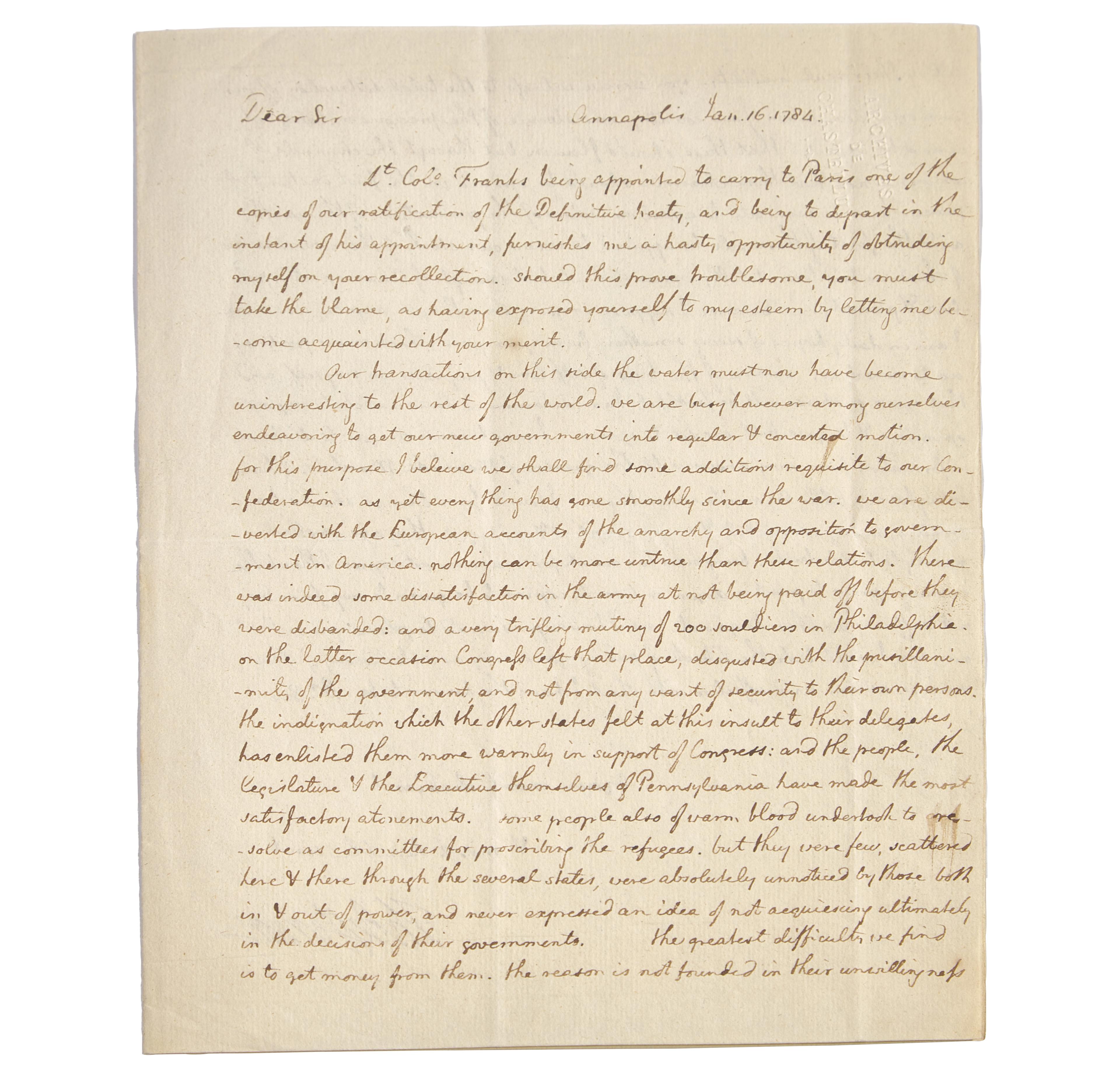
This summer, Freeman’s is pleased to present How History Unfolds on Paper: Important Americana from the Eric C. Caren Collection, Part X on June 30, 2026. This single-owner auction represents one of the most extensive documentations of American history in private hands. The collection spans the period before national independence through westward expansion, the Civil War and Reconstruction, the Civil Rights Movement, and into the 21st century. “It is an honor not only to put together an auction from the over one million items in Mr. Caren’s collection, but also to be able to personally choose the material with him that illustrates American history shown through objects that were meant to be saved but few survived,” said Darren Winston, Senior Vice President, Head of Department, Books & Manuscripts, Philadelphia. Eric C. Caren has been called “The Babe Ruth of Historical Collecting,” as he assembled a collection of over one million original items, including rare newspapers, books and pamphlets, broadsides, manuscripts, early photographs, ephemera, and printed records documenting pivotal moments in American and world history. The collection tells a broad and compelling story of America, highlighting communities and individuals whose voices have too often been overlooked. What distinguishes this sale is not only its scale and rarity, but the distinctly American narrative it presents. The Freeman’s sale marks the tenth major auction of Mr. Caren’s extensive and carefully curated holdings. The previous nine sales have attracted international attention and strong institutional and private bidding. Auction Highlights: Thomas Jefferson’s Birth of a New Nation Letter Announces the Definitive Treaty of Paris Estimate: $100,000 – 200,000 Annapolis, January 16, 1784. A very fine two-page autograph letter, signed by Thomas Jefferson to Francois Jean de Beauvoir, Chevalier de Chastellux. At the dawn of American sovereignty, only two days after the Confederation Congress ratified the Treaty of Paris officially ending the Revolutionary War, Jefferson writes to his friend and fellow man of letters, the Marquis de Chastellux. Wide-ranging in content, this letter was delivered alongside official copies of the definitive treaty by Lt. Col. David S. Franks (1740-93), likely the first Jewish American employed in the nascent diplomatic corp, who had been working for Jefferson for nearly a year. Discursive in nature, Jefferson communicates the treaty, offers an appraisal of the young republic following the war, dispels rumors of American “anarchy,” and makes reference to preparations on the publication of his only published book, Notes on the State of Virginia. When asked, Mr. Caren exclaimed that of the over one million items that he has collected in his lifetime, this letter is by far his favorite. “Bombs &c keeping up a heavy bombardment on Fort McHenry” From the Logbook of a British Midshipman during the bombing of Fort McHenry Estimate: $60,000 – 80,000 Malden, Charles Robert. Log book kept by British Midshipman Charles R. Malden, RN, aboard the HMS Trave, May 1814 to May 1816. Extensive ship’s log kept by future Royal Navy officer Charles Malden while serving aboard the HMS Trave. Among the detailed entries for the night of September 13-14, 1814, is a first-person account of the Battle of Baltimore during the War of 1812, and the fateful shelling of Fort McHenry, the inspiration for Francis Scott Key's Star-Spangled Banner. "We have met the enemy and they are ours" Oliver Hazard Perry is Appointed Master Commander in the United States Navy During the War of 1812. One of the MostImportant Military Commissions in Private Hands Estimate: $40,000 – 60,000 Washington, D.C., August 28, 1812. Partially-printed military commission on vellum, signed by President James Madison, counter-signed by Secretary of the Navy Paul Hamilton, a year before Hazard’s stunning victory at Lake Erie. Engraved vignette at top and bottom, paper seal with ribbon intact at bottom. One of the First Printed Announcements of American Independence Estimate: $10,000 – 20,000 The Pennsylvania Magazine: Or, American Monthly Museum for June 1776. Philadelphia: 1776. First edition. Possibly Postmaster Ebenezer Hazard's copy. Rare original stiff printed wrappers. Among the first of any type of publication to announce American independence, preceded only by the Pennsylvania Evening Post issue of July 2. Although dated June 1776, the monthly issues were traditionally published the first Wednesday of the following month, which would have been on July 3. Due to a temporary paper shortage, the printing was delayed until no later than July 4 or 5, allowing enough time to add at the end of the "Monthly Intelligence" section the important Congressional announcement, that on, "July 2. This day the Hon. Continental Congress declared the UNITED COLONIES FREE AND INDEPENDENT STATES." Born in the USA, July 4, 1776: First Day of Printing in the United States Estimate: $10,000 – 20,000 The Pennsylvania Evening Post, July 4, 1776. Philadelphia: Benjamin Towne, July 4, 1776. Vol. II, No. 227. An outstanding example of this important newspaper, the only one published in Philadelphia on the day of American independence. How to Bid How History Unfolds on Paper: Important Americana from the Eric C. Caren Collection, Part X will be offered at auction on June 30 at 10 AM EDT in our Philadelphia saleroom. Bidding will be available in person, over the phone, and via absentee or live online bidding. Freeman’s is a premier American auction house offering services in multiple categories including fine art, jewelry, design, books and manuscripts, furniture, decorative arts, antiquities, couture, and Asian works of art. With 16 regional locations nationwide, the firm provides auctions, appraisals, private sales, and art advisory services, connecting clients to the global art market. Freeman’s strives to bring art, history, and design to life by connecting people with extraordinary objects through exceptional service and expertise.

Freeman’s is honored to present Gavel & Grace: The Estate of the Honorable Sandra Schultz Newman, a collection that reflects the life and legacy of one of Philadelphia’s most distinguished and pioneering figures. A native of the city, Justice Newman built a groundbreaking legal career defined by a series of historic firsts—from serving as Montgomery County’s first female assistant district attorney to becoming the first woman elected to the Pennsylvania Supreme Court. Her tenure on the bench and decades in private practice established her as a sharp, tenacious advocate and a relentless trailblazer for women in law. Beyond her professional achievements, Justice Newman was a commanding presence in Philadelphia’s cultural and social spheres. Frequently described as a “force of nature,” she moved effortlessly between the courtroom and the city’s most prominent gatherings, cultivating a reputation not only as a jurist, but as a discerning tastemaker. That sensibility is evident throughout the collection she assembled over a lifetime, spanning fine art, design, and jewelry. The auction series begins in New York on June 10 with the inclusion of Justice Newman’s personal jewelry in the Important Jewelry sale. Then in Philadelphia on June 23, Freeman’s will host a dedicated, live single-owner sale featuring the fine art and design that formed the backdrop of her private life. Finally, additional jewelry will be included in the online, June 24 Essential Jewelry sale. Lauren Colavita, Specialist, Fine Art, Head of Sale, states: “Justice Sandra Schultz Newman was a force of nature—dynamic, fearless, and entirely original—and her collection reflects that same spirit. She gravitated toward objects with presence and personality, creating a collection that is as bold, distinctive, and unforgettable as she was.” Diamond and Platinum Ring, featuring an emerald cut diamond weighing 19.12 carats | Estimate $350,000 – 450,000 Important Jewelry: New York (June 10, 2026) The first opportunity for collectors to engage with the estate occurs on June 10 in New York, where Justice Newman’s fierce eye for gemstones and bold design will be a highlight of the Important Jewelry auction. The centerpiece of this selection is a staggering 19.12-carat emerald-cut diamond ring (estimate: $350,000 – 450,000), a piece with a storied history purchased with the winnings from her record-setting racehorse, Nihilator. Her passion for the equestrian world, shared with her son, is further evidenced by a striking Diamond, Sapphire and Gold Horse Brooch, a Gold Equestrian Bracelet, and a charming Enamel and Gold Stick Pin depicting a harness race in action. The collection also features extraordinary colorful specimens, such as a suite of Retro gold and diamond jewelry with an asymmetrical ribbon design centering large amethysts and pear-cut citrine drops. Alongside these personal treasures are subtle nods to her trailblazing career, including 14K Gold Cufflinks and a Diamond and 14K Gold Ring with her monogram, representing a lifetime of professional and personal achievement. Harry Bertoia, Bush Form, c. 1970s | Estimate $50,000 – 70,000 Vladimir Kagan, Bar cabinet | Estimate $5,000 – 7,000 Single-Owner Sale - Fine Art & Design: Philadelphia (June 23, 2026) Gavel & Grace: The Estate of the Honorable Sandra Schultz Newman The auction series continues June 23 in Philadelphia with a live, dedicated sale of Justice Newman’s fine art and design. The premier highlight of this session is Alex Katz’s 1975 painting Trishie and Laddy (Lady), which carries the highest estimate in the collection at $600,000 – 800,000. A close-cropped view of a woman and her dog set within a sunlit park, the work reflects Katz’s ability to distill personality while exploring broader social types through portraiture. In Trishie and Laddy (Lady), Katz presents a specific moment between the two subjects while also suggesting a more universal dynamic. Subtle visual parallels link the pair: the V-neck of the woman’s blouse echoes the triangular openness of the dog’s mouth, while the soft fringe of her bangs finds a counterpart in the waves of the dog’s ears. Katz’s characteristically flat handling of color—built from warm pinks, oranges, and browns set against lush greens—removes extraneous detail and centers attention on expression and mood. The contrast between the figures defines the composition. Trishie’s downcast eyes and composed, carefully arranged appearance—accentuated by her vertical beehive hairstyle—convey a sense of stillness and restraint. In contrast, Laddy’s animated presence, with the extended snout and panting mouth, introduces energy and immediacy. Through this juxtaposition, Katz captures both a particular relationship and a familiar pairing of composure and exuberance, offering a scene that feels at once personal and widely recognizable. The sale also features a remarkable group of five sculptures by Harry Bertoia (1915–1978), illustrating the breadth of his practice across materials, scale, and form. Working in brass, copper, and steel, Bertoia developed a sculptural language that moves fluidly between design and fine art, exploring line, texture, and spatial interaction. Highlights include a finely wrought brass and copper wall hanging (estimate: $20,000 – 30,000), whose open lattice appears to float against the wall, and a large, oxidized copper sculpture, Organic Form(estimate: $30,000 – 50,000), with a verdigris patina that evokes natural, almost geological qualities. The tall steel Spray (estimate: $25,000 – 35,000) with upward-reaching branches, suggests organic growth despite its industrial material, while two “bush” forms—one intimate and tabletop in scale (estimate: $50,000 – 70,000), the other slightly larger (estimate: $70,000 – 90,000)—demonstrate how subtle shifts in size can transform a work’s presence. Together, these five works offer a compelling cross-section of Bertoia’s experimentation with form, scale, and material. Additional Auction Highlights Bösendorfer, 1986, Grand Piano, Model 225 Estimate: $20,000 – 40,000 Dorothea Tanning, Double Curve with Scholar, c. 1985 Estimate: $15,000 – 25,000 Ernest Trova, Study/Falling Man (Walking Jackman), 1985 Estimate: $15,000 – 25,000 Jasper Johns, Two Flags, 1980 Estimate: $15,000 – 25,000 Red Grooms, Thomas Jefferson with a Quill Pen, 1982 Estimate: $10,000 – 15,000 Pablo Picasso, Femme Echevelee, 1963, Glazed ceramic plate Estimate: $8,000 – 12,000 Vladimir Kagan, Bar cabinet Estimate: $5,000 – 7,000 Justice Newman’s collection reflects a sophisticated vision shaped by the same precision and insight that defined her historic tenure on the Pennsylvania Supreme Court. Freeman’s is honored to present this curated legacy, which stands as a vibrant tribute to her distinguished eye and lifelong dedication to the arts. Auction Schedule Important Jewelry, featuring The Newman Estate June 10, 2026 | Live, New York Gavel & Grace: The Estate of the Honorable Sandra Schultz Newman, Single-Owner Sale June 23, 2026 | Live, Philadelphia Essential Jewelry June 24, 2026 | Online Auction Previews Jewelry from the Newman Estate will be included in the Important Jewelry sale national tour: Palm Beach (highlights only) May 6–7 | 10 am – 5 pm Los Angeles (highlights only) May 14–15 | By appointment only Chicago May 26–28 | 10 am – 5 pm Philadelphia (highlights only) June 2–3 | 10 am – 5 pm New York June 5–9 | Weekdays: 10 am – 5 pm; Weekends: 11 am – 5 pm Fine art highlights from the Newman Estate, including Alex Katz’s Trishie and Laddy (Lady), will be on view in New York during the Post War & Contemporary Art sale preview: May 6–9, 11–12 | 10 am – 5 pm Closed May 10 Additional highlights from the single-owner sale will be exhibited in New York May 16 – June 10. How to Bid The Important Jewelry and Gavel & Grace: The Estate of the Honorable Sandra Schultz Newman auctions will be offered live in Freeman’s salerooms. Bidding will be available in person, over the phone, and via absentee or live online bidding. Freeman’s is a premier American auction house offering services in multiple categories including fine art, jewelry, design, books and manuscripts, furniture, decorative arts, antiquities, couture, and Asian works of art. With 16 regional locations nationwide, the firm provides auctions, appraisals, private sales, and art advisory services, connecting clients to the global art market. Freeman’s strives to bring art, history, and design to life by connecting people with extraordinary objects through exceptional service and expertise.
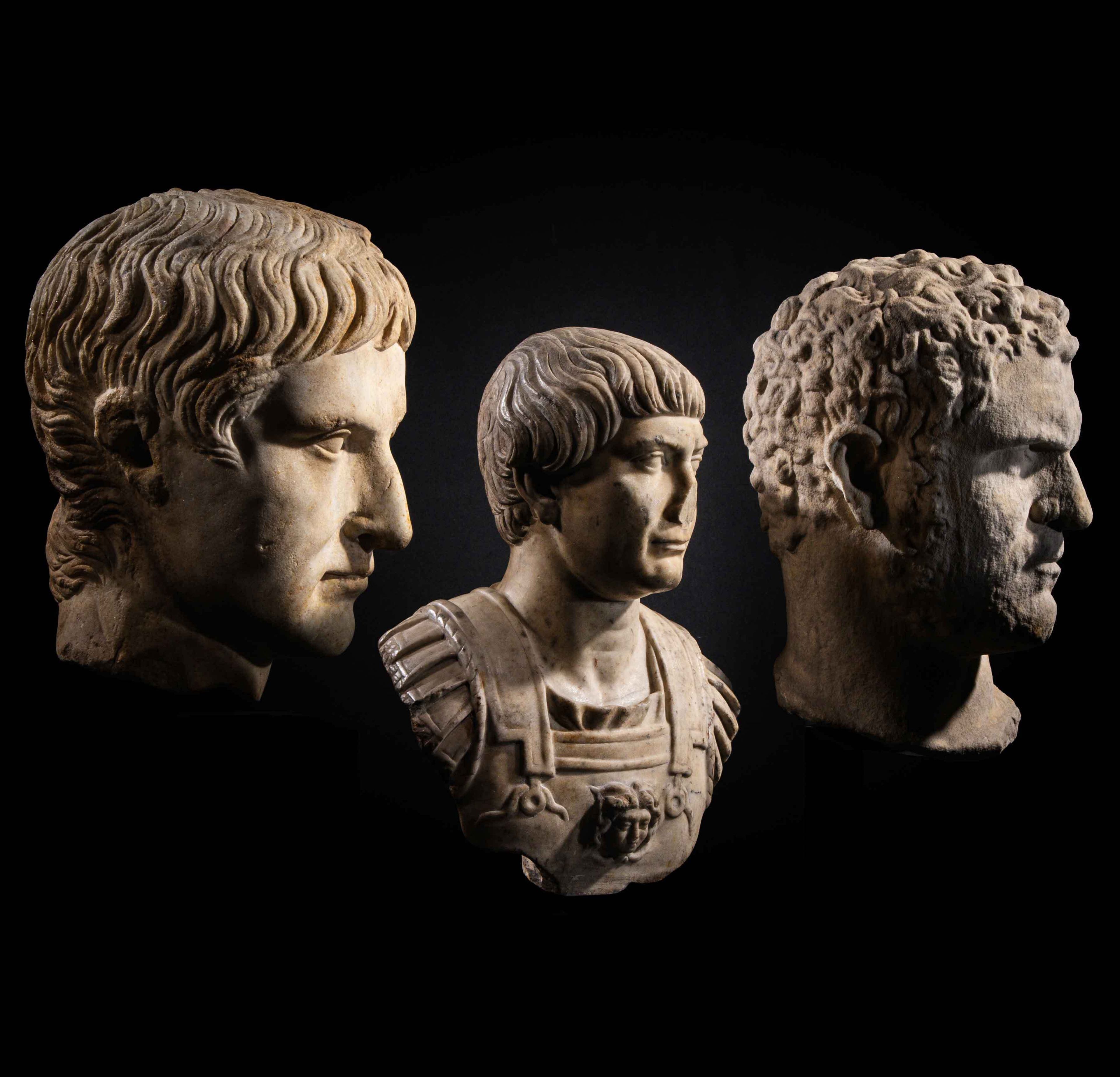
Freeman’s will present a two-session auction series on May 20, commencing with the single-owner collection Antiquities of the Garden: A Collector’s Living Ancient World at 9:00 AMCT, followed by a second session at 12:00 PM CT, entitled Antiquities and Ancient Art.
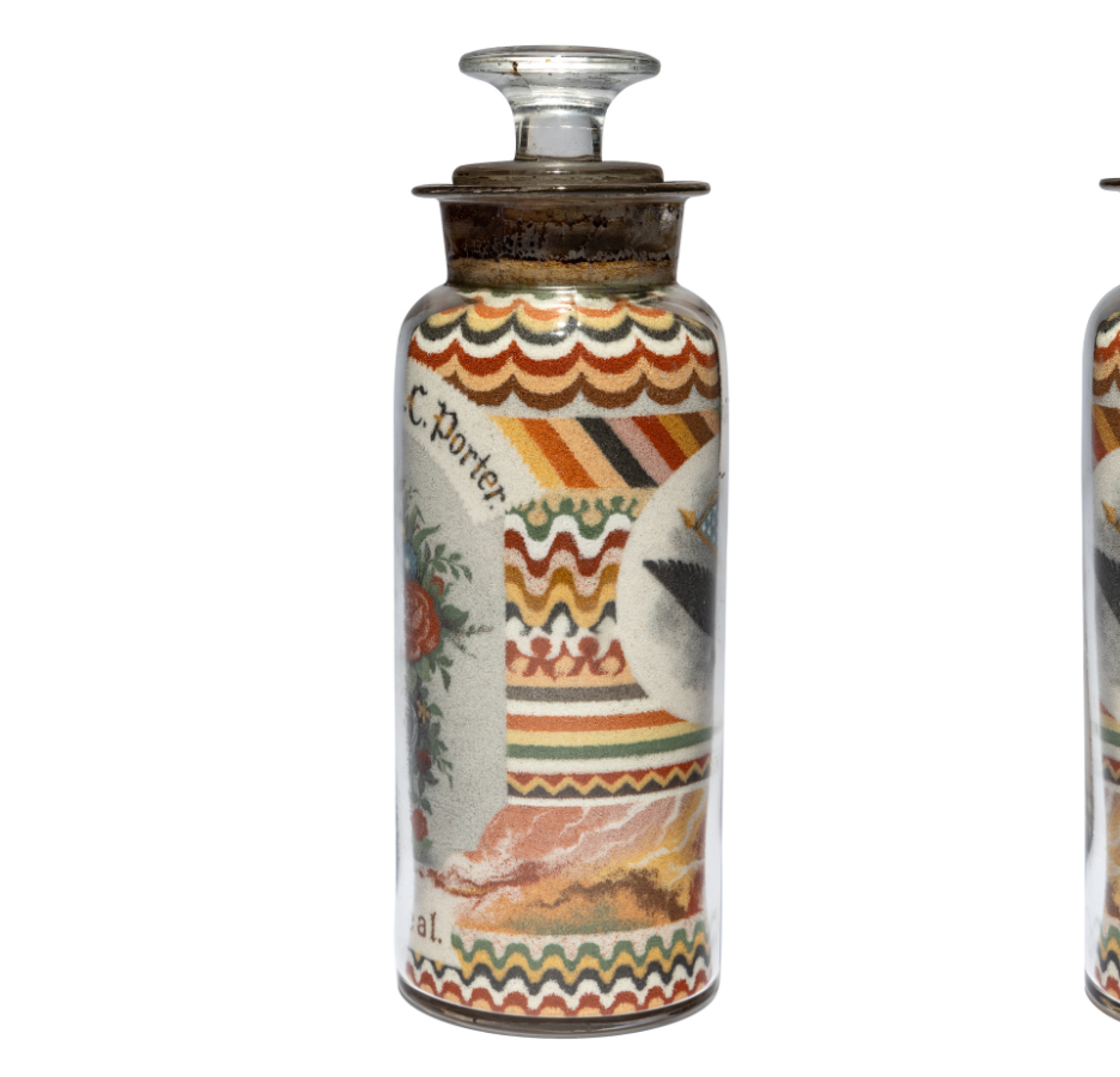
Freeman’s American Furniture, Folk & Decorative Arts auction presented more than 250 lots spanning the breadth of American material culture. The sale brought together both academic and vernacular traditions, featuring fine needlework samplers, silver, paintings, rugs, brass, and sculpture, among other objects. Strong participation drove the auction to 124% by value, with 13%of buyers new, for a total realized of $1,107,904—continuing the celebration of the nation’s 250th anniversary. “We had competitive bidding throughout the sale, with participation from 55 new bidders and the addition of 15 new buyers. Notably, many of the rarest and most significant works were acquired by private collectors and institutions, underscoring the continued strength and discernment of the market.” — Lynda Cain, Vice President, Head of Department, American Furniture, Folk & Decorative Arts Highly Desirable Outsider Art and Folk Artists Top lots included an intricate sand art bottle by Andrew Clemens (1857–1895), McGregor, Iowa, circa 1886 (lot 214), measuring seven inches in height, which sold for $128,000 to a private collector. Also achieving $128,000 was a carved limestone figure with a wood base, Girl with Braided Hair (lot 221), by William Edmondson (1874–1951), acquired by a private client, both of which performedmore than twice their low estimate. Patriotism and Historical Legacy: An Enduring Appeal Additional standout lots underscored the enduring appeal of historically significant and patriotic works. A Neoclassical sterling silver-covered sauce tureen presented by Elizabeth Willing Powel (1743–1830) to Edward Shippen Burd (1779–1848) (lot 46) achieved $28,800, more than five times its low estimate of $5,000, acquired by a regional instituion. A Joseph Bonaparte Neoclassical carved marble mantel (lot 114) realized $57,600, acquired by a private collector. Also drawing strong interest was a pieced and appliqué cotton 48-star American flag, measuring 78 by 89 inches (lot 230), which sold for $10,880. Portraits of Significant Americans and Rare Depictions of Early Cities Notable lots further highlighted the depth of American history and the figures who shaped it. An intimate watercolor portrait miniature of George Washington (1732–1799) by Robert Field (1769–1819), housed in a gilt locket case (lot 49), achieved $83,200, selling to a private client. An oil on canvas portrait of Captain Samuel Lewis (1764–1820) by José Francisco Xavier de Salazar y Mendoza (lot 65) was acquired by a museum for $25,600. Also of note, a matted and framed work in ink, watercolor, and gouache on paper by William Russell Birch (1755–1834), Alexander Hamilton’s First Bank of the United States (lot 86), realized $12,160. A portrait of William Wirt (1772–1834) by Charles Bird King (1785–1862) (lot 108), executed in oil on canvas, sold to an institution for $15,360. Rounding out the group, an American School 19th-century oil on canvas, The Landing of Pedro Menéndez de Avilés in Florida (lot 1), sold for$6,080to a private collector. Notable Rare Makers Complete the Sale Rare handcrafted objects rounded out the auction, with strong results across the category. Highlights included a charming silver caudle cup by John Coney (1655–1722), Boston, Massachusetts, circa 1700 (lot 25), which achieved $32,000 and sold to the trade. Also of note was an exceptionally rare engraved brass sundial by goldsmith Chandlee (1751–1821), Winchester, Virginia, dated “1789” (lot 52), which realized$21,760 and was acquired by a private Southern collector. Freeman’s is a premier American auction house offering services in multiple categories including fine art, jewelry, design, books and manuscripts, furniture, decorative arts, antiquities, couture, and Asian works of art. With 16 regional locations nationwide, the firm provides auctions, appraisals, private sales, and art advisory services, connecting clients to the global art market. Freeman’s strives to bring art, history, and design to life by connecting people with extraordinary objects through exceptional service and expertise.
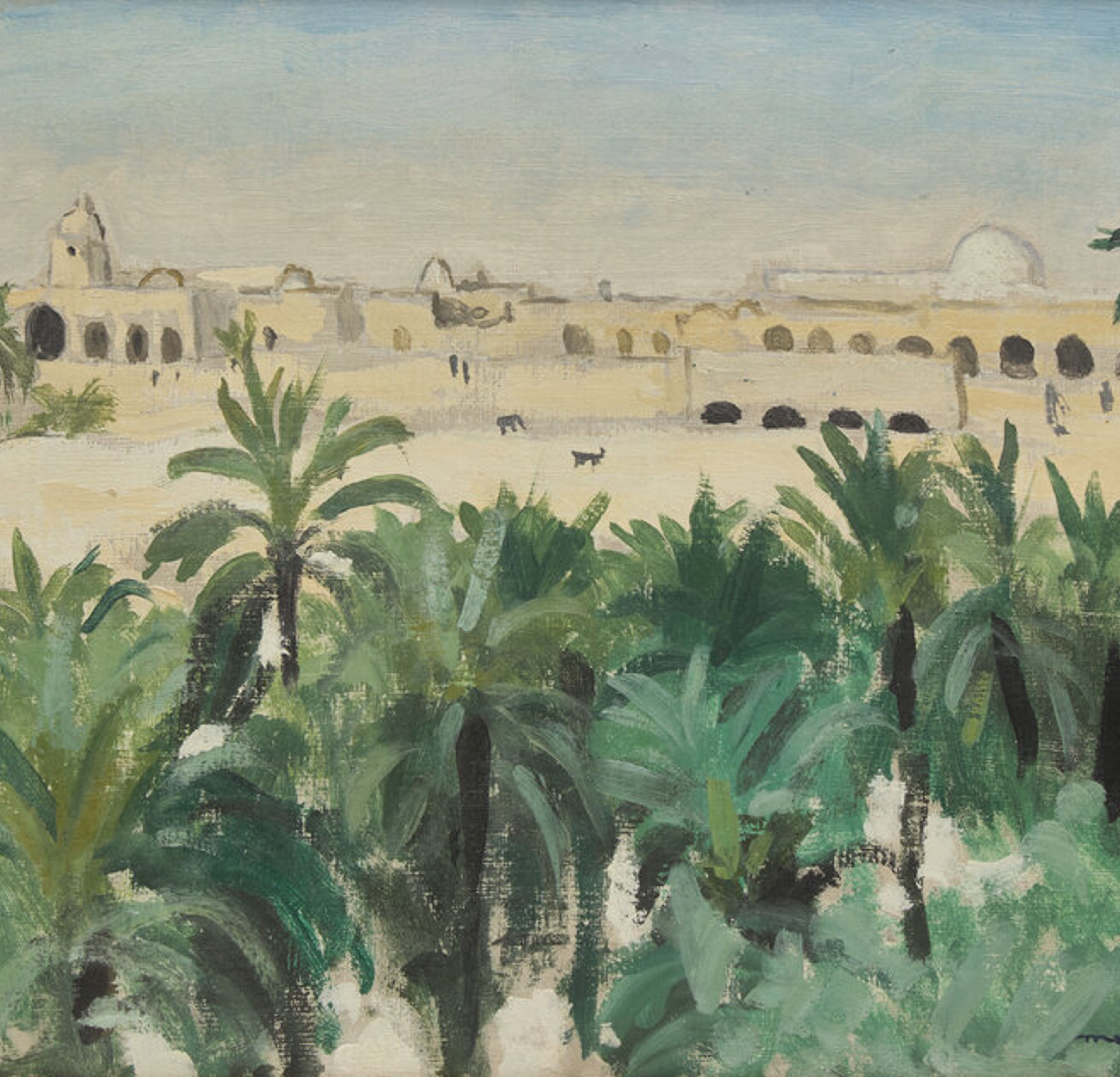
Rediscovered Masterpiece Achieves $1.5 million, Over 407% Above the Low Estimate On a spring New York day, Freeman’s achieved the second-highest auction result for a work by Czech artist Josef Šíma with the recently rediscovered masterpiece Europa (1927). The oil on canvas, which sold for $1,522,000 (estimated at $300,000–500,000), achievedmore than 407% above the low estimate. Leading the day’s Impressionist and Modern Art auction, the painting offered from Philadelphia’s Ingersoll Family Collection is among the most significant reappearances of a 20th-century avant-garde painting in recent memory, having been hidden from public view for nearly a century. Property from the Ingersoll Family Collection, Philadelphia, Pennsylvania Following a flurry of bidding activity spanning over ten minutes, including phone, absentee, and online participation from six bidders, Europa sold to a Czech online buyer via the Freeman’s Live Room. The sale marks the highest result for the artist’s work from the 1920s, considered his rarest and most coveted period. Overall, the sale realized over $2.5 million, with the firm welcoming 24% new buyer participation, bidders from 37 countries, and a sold-by-value rate of 147%. Speaking to this landmark result is Raphaël Chatroux, Vice President, Head of Department, Impressionist and Modern Art. "I couldn't be more thrilled. Today’s results are a powerful confirmation ofŠíma’s relevance in the current art market, especially in contrast to Surrealism. This remarkable price also honors both Mr. Ingersoll’s visionary eye and Philadelphia’s tradition of forward-thinking collecting. It’s a unique story that resonates with Freeman's core values, so it feels like a full-circle moment to me, too." The Rediscovery of the Century: Europa’s Journey Painted in Paris during a pivotal moment in Šíma’s career, Europa embodies the artist’s shift away from Cubism toward a deeply symbolic and metaphysical visual language. The composition—featuring two headless torsos beneath a hovering cosmic egg—explores themes of creation, unity, and the origins of existence. The egg, a recurring motif in Šíma’s work, serves as a powerful symbol of both genesis and universal connection. Left: Josef Šíma, Europa, 1927 (oil on canvas, 99.7 x 73cm), Sold at Freeman’s Previously unknown to scholars, the version of Europa offered at Freeman’s is closely related to the artist’s celebrated example in the Moravian Gallery in Brno, which was long considered unique. Its rediscovery prompted renewed scholarly attention, with leading Šíma scholar Rea Michalová, Ph.D describing it as “the rediscovery of the century.” First owned by visionary collector Bernard M. Davis, Europa later entered the collection of Robert Sturgis Ingersoll, a prominent figure in American cultural life and longtime director of the Philadelphia Museum of Art. The work remained in the Ingersoll family collection for decades, preserving its remarkable historical continuity, before heading to the auction block. Additional Sale Highlights From Left to Right: Lot 44 | Gabriele Münter (German, 1877-1962), Stilleben mit grauer Teekanne (Still Life with Gray Teakettle), 1935 | Sold for $121,600 Lot 24 | Christian Bérard (French, 1902–1949), Pair of Cartouches for the "Bal du Panache" held at the Maison de L'Amérique Latine, Paris, 1947 | Sold for $70,400 Beyond the day’s remarkable success, other top highlights of the auction included Gabriele Münter’s Stilleben mit grauer Teekanne (Still Life with Gray Teakettle), 1935 (selling for $121,600 against a low estimate of $50,000), Christian Bérard’s Pair of Cartouches for the "Bal du Panache" held at the Maison de L'Amérique Latine, Paris, 1947 (realizing $70,400 against a low estimate of $50,000), and Grigory Gluckmann’s Ballet Dancer (achieving $51,200 against a low estimate of $40,000). The results of Freeman’s April 29 sale demonstrated continued robust interest in rare and unique works of the 20th century, including the surreal and poetically abstract. Further top lots include: Lot 36 | Henri Jean Guillaume Martin (French, 1860-1943) | Labastide du Vert (Lot), 1908 | Sold for $64,000 Lot 61 | Albert Marquet (French, 1875-1947) | Vue de Laghouat à Travers la Palmeraie (Algérie), 1921 | Sold for $60,800 Lot 9 | Grigory Gluckmann (Belarusian, 1898-1973) | Ballet Dancer | Sold for $51,200 Lot 63 | Roger Mühl (French, 1929-2008) | Cap d'Antibes | Sold for $44,800 Freeman’s is a premier American auction house offering services in multiple categories including fine art, jewelry, design, books and manuscripts, furniture, decorative arts, antiquities, couture, and Asian works of art. With 16 regional locations nationwide, the firm provides auctions, appraisals, private sales, and art advisory services, connecting clients to the global art market. Freeman’s strives to bring art, history, and design to life by connecting people with extraordinary objects through exceptional service and expertise.

On May 13, Freeman’s will present its Post War & Contemporary Art auction, a thoughtfully curated offering of 83 lots that invites bidders on a visual journey through eight decades of art history. Exploring a cohesive yet diverse range of mediums, movements, and dimensions, the sale features an impressive array of works by sought-after 20th- and 21st-century artists. Leading the sale is a series of cornerstone works, including a fresh-to-market landscape by Richard Mayhew; a provocative text-based Andy Warhol canvas; and an emblematic mid-1960s Robert Rauschenberg solvent transfer. The selection is further distinguished by a vivid, large-scale Peter Halley abstraction, monumental outdoor sculptures by Allan Houser, and an impressive 28-foot-tall Beverly Pepper column. Pushing the boundaries of material and technique are "shapeshifting" works by Olga de Amaral, Dorothea Rockburne, and Heidi Bucher. For fans of non-objective works, stellar examples by Frank Stella, Gerhard Richter, and Sam Francis lead the charge, balanced by the edgy photorealism of Janet Fish and Marilyn Minter. The sale is rounded out by energetic, contemporary voices, including Ann Craven, Sterling Ruby, and Austin Eddy. Zachary Wirsum, SVP, Head of Department, Post War & Contemporary Art, says, “In typical Freeman’s fashion, our May Post War & Contemporary Art auction is a smoothly curated shuffle of the familiar and the unexpected, offering something extraordinary for every discerning taste and budget. True to form, the sale is enticingly punctuated by opportunities to discover overlooked works for the savvy and the daring, including the top lot: Richard Mayhew’s fresh-to-market, dreamlike landscape, distinguished by its mesmerizing magentas and hazy blazes of orange, as his rising market continues to show room for growth.” LEFT TO RIGHT Lot 7 | Andy Warhol, Repent and Sin No More! (Positive), c.1985-1986 | Estimate $100,000 - 150,000 Auction Highlights Lot 7 | Andy Warhol, Repent and Sin No More! (Positive), c.1985-1986 Estimate: $100,000 – 150,000 A compelling example of Warhol’s late work, Repent and Sin No More! (Positive) highlights the artist’s engagement with religious subject matter through the lens of mass media. Employing his signature silkscreen technique—borrowed from commercial production—Warhol transforms a biblical directive into a bold visual statement, underscoring the tension between sacred message and mechanical reproduction. The designation “Positive” references the photographic process, reinforcing the work’s industrial language. Reflecting Warhol’s complex relationship with faith, the composition operates simultaneously as a meditation on spirituality and a commentary on the circulation of moral messages within contemporary culture. Lot 28 | Richard Mayhew,Finale, 2002 Property from the Collection of James Washington Compton, Chicago, Illinois. Estimate: $150,000 – 250,000 Offered at auction for the first time, Finale is a centerpiece of the sale and a compelling example of Richard Mayhew’s mature practice. Over the course of an eight-decade career, Mayhew developed a distinctive visual language that seamlessly unites abstraction and landscape, producing lyrically colored, atmospheric compositions rooted in both memory and place. Painted at the turn of the millennium, the work captures the artist at the height of his powers, unfolding as a radiant, dreamlike terrain where vivid passages of orange, violet, and blue guide the viewer through a richly immersive space. A founding member of the Spiral collective, Mayhew believed in landscape as a shared human experience—an idea that resonates throughout Finale, where the interplay of light, color, and form evokes both introspection and a broader sense of collective consciousness. Lot 56 | Olga de Amaral, Fragmento incompleto, 1980 Estimate: $25,000 – 35,000 Reflecting the growing market recognition of textile-based practices, Fragmento incompleto highlights Olga de Amaral’s pioneering approach to fiber as a fine art medium. Working with linen, cotton, gesso, and pigment, Amaral creates richly textured surfaces that blur the boundaries between weaving, painting, and sculpture. Her work often evokes architectural and historical references—from pre-Columbian traditions to ecclesiastical ornament—while engaging with light and material in striking ways. With renewed institutional and market interest in textile art, Amaral’s work continues to gain prominence, reinforcing her position as a leading figure in the field. Lot 60 | Allan Houser, Spirit of the Wind, 1993 Estimate: $80,000 - 120,000 Lot 61 | Allan Houser, Migration, 1992 Estimate: $50,000 - 70,000 Two important sculptures by Allan Houser—Migration (1992) and Spirit of the Wind (1993), estimated at $50,000–70,000 and $80,000–120,000, respectively—highlight the artist’s late-career shift toward increasingly abstract and monumental forms. Created just one year apart, the bronzes distill figuration into dynamic silhouettes: the smooth, flowing contours of Migration recall his earlier stylized figures, while the sharper, more angular Spirit of the Wind evokes the energy of his warrior subjects. Rooted in Houser’s Chiricahua Apache heritage, both works engage themes of cultural continuity and transformation, while his sophisticated use of negative space lends a sense of movement and openness, underscoring his lasting contribution to American sculpture. Lot 72 | Robert Rauschenberg, Battery, 1965 Estimate: $100,000 – 150,000 Created during the height of Rauschenberg’s exploration of solvent transfer, Batteryexemplifies a technique that became central to his practice from the late 1950s through the 1960s. By transferring printed imagery onto paper using chemical solvents, Rauschenberg collapsed distinctions between drawing and collage, as well as between handmade and mass-produced images. In this work, fragments of everyday life—citrus fruits, utilitarian objects, and partial commercial text—are layered into a lively composition animated by gestural marks. Lot 52 | Gerhard Richter, FAZ-Übermalung, 2002 | Estimate $60,000 - 80,000 Additional Highlights Lot 26 | Ann Craven, Yellow Canary (Stepping Out on Orange, with Hollyhocks and Cherries), 2019 Estimate: $15,000 – 25,000 Lot 34 | Roger Brown, Nuclear Winter, 1984 Estimate: $50,000 – 70,000 Lot 41 | ManoloValdés, Selene, 2020 Estimate: $60,000 – 80,000 Lot 44 | Jamie Nares, Western, 2001 Estimate: $50,000 – 70,000 Lot 49 | Janet Fish, Pink Ribbon and Yellow Ribbon, 1981 Estimate: $50,000 – 70,000 Lot 52 | Gerhard Richter, FAZ-Übermalung, 2002 Estimate: $60,000 – 80,000 Lot 68 | Peter Halley, Blue Velvet, 2002 Estimate: $80,000 – 120,000 Sale Preview The sale preview will be held at Freeman’s New York gallery, 32 East 67th Street: May 6 - 9, 11 - 12 | 10 am to 5pm May 13, 9 am until the final hammer of the sale Closed May 10 How to Bid The Post War & Contemporary Art auction will be offered on May 13 at 10am EDT in Freeman’s New York saleroom. Bidding will be available in person, over the phone, and via absentee or live online bidding. For more information, please visit freemansauction.com. Freeman’s is a premier American auction house offering services in multiple categories including fine art, jewelry, design, books and manuscripts, furniture, decorative arts, antiquities, couture, and Asian works of art. With 16 regional locations nationwide, the firm provides auctions, appraisals, private sales, and art advisory services, connecting clients to the global art market. Freeman’s strives to bring art, history, and design to life by connecting people with extraordinary objects through exceptional service and expertise.
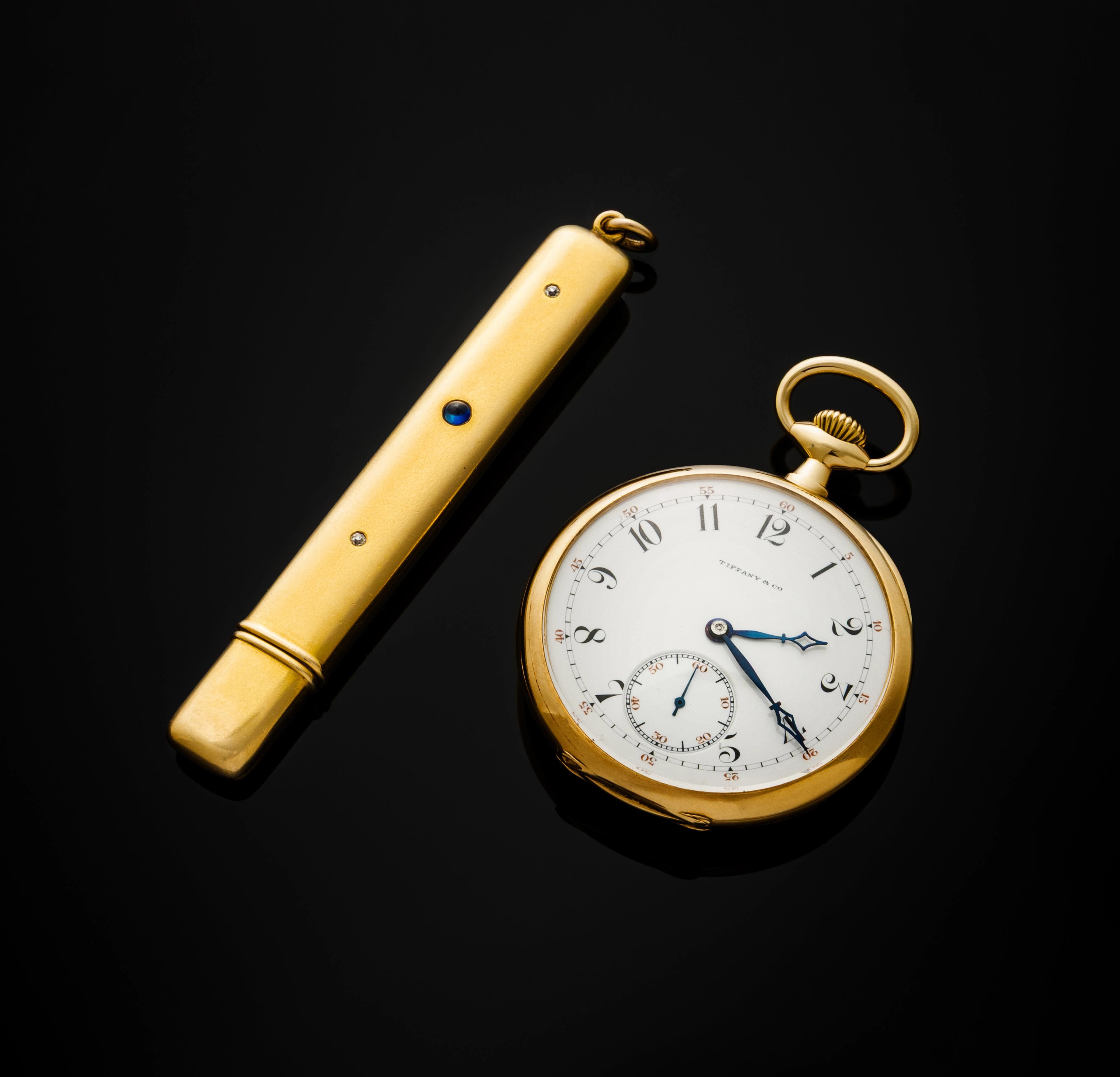
Freeman’s Watches auction on April 22 achieved remarkable results with the sale of two historic items associated with John Jacob Astor IV from the 1912 sinking of the RMS Titanic: a gold pocket watch made by Patek Philippe and retailed by Tiffany & Co., which sold to an Irish businessman for $1,024,000—241% above the low estimate—and a gold pencil by Battin & Co., which sold for $204,800—an impressive 1,948% over the low estimate. Preserved within the Astor family for over a century, both objects were offered at auction for the first time, achieving a combined total of $1,228,800. “These results show a rare convergence of history, craftsmanship, and human narrative,” said Reginald Brack, SVP, Head of Department, Watches at Freeman’s. “It is uncommon to find property that unites four significant names—John Jacob Astor IV, the RMS Titanic, Tiffany & Co., and Patek Philippe. Each has its own legacy, but together they tell a unique and moving story. The market’s response confirms these objects’ emotional and historical significance to collectors worldwide.” The auction attracted robust international participation, with 28% of buyers being new to the firm. The Watches sale totaled over $1.8M with a sell-through rate by value of 132%, underscoring the enduring market strength for rare watches of historic significance. Provenance and Preservation Recovered from Astor’s body days after the sinking, the watch and pencil remained in continuous descent through the Astor family, passing from Vincent Astor to Brooke Astor, and subsequently through later generations before entering the market from the estate of Charlene Marshall. The watch, accompanied by archival documentation from Patek Philippe, stands as both a masterwork of horology and a poignant relic of one of the 20th century's defining tragedies. Astor’s Final Hours Aboard the Titanic Astor, among the wealthiest passengers aboard the Titanic, famously ensured his wife's safety before remaining on deck as the ship foundered—an act that has become emblematic of the human stories behind the disaster. The objects he carried in those final hours now serve as tangible witnesses to that history. National Tour and Public Exhibitions Ahead of the sale, the watch and pencil embarked on a national tour that generated significant attention among collectors and institutions alike. The treasures were well received at a series of private events in Chicago, New York, Philadelphia, and Palm Beach, offering an intimate opportunity to experience these historic artifacts firsthand. Public previews were held at Freeman’s New York and Chicago galleries, where the objects drew strong attendance and underscored their broad cultural resonance ahead of auction day. For more information about The John Jacob Astor IV Titanic Legacy, click here. Freeman’s is a premier American auction house offering services in multiple categories including fine art, jewelry, design, books and manuscripts, furniture, decorative arts, antiquities, couture, and Asian works of art. With 16 regional locations nationwide, the firm provides auctions, appraisals, private sales, and art advisory services, connecting clients to the global art market. Freeman’s strives to bring art, history, and design to life by connecting people with extraordinary objects through exceptional service and expertise.
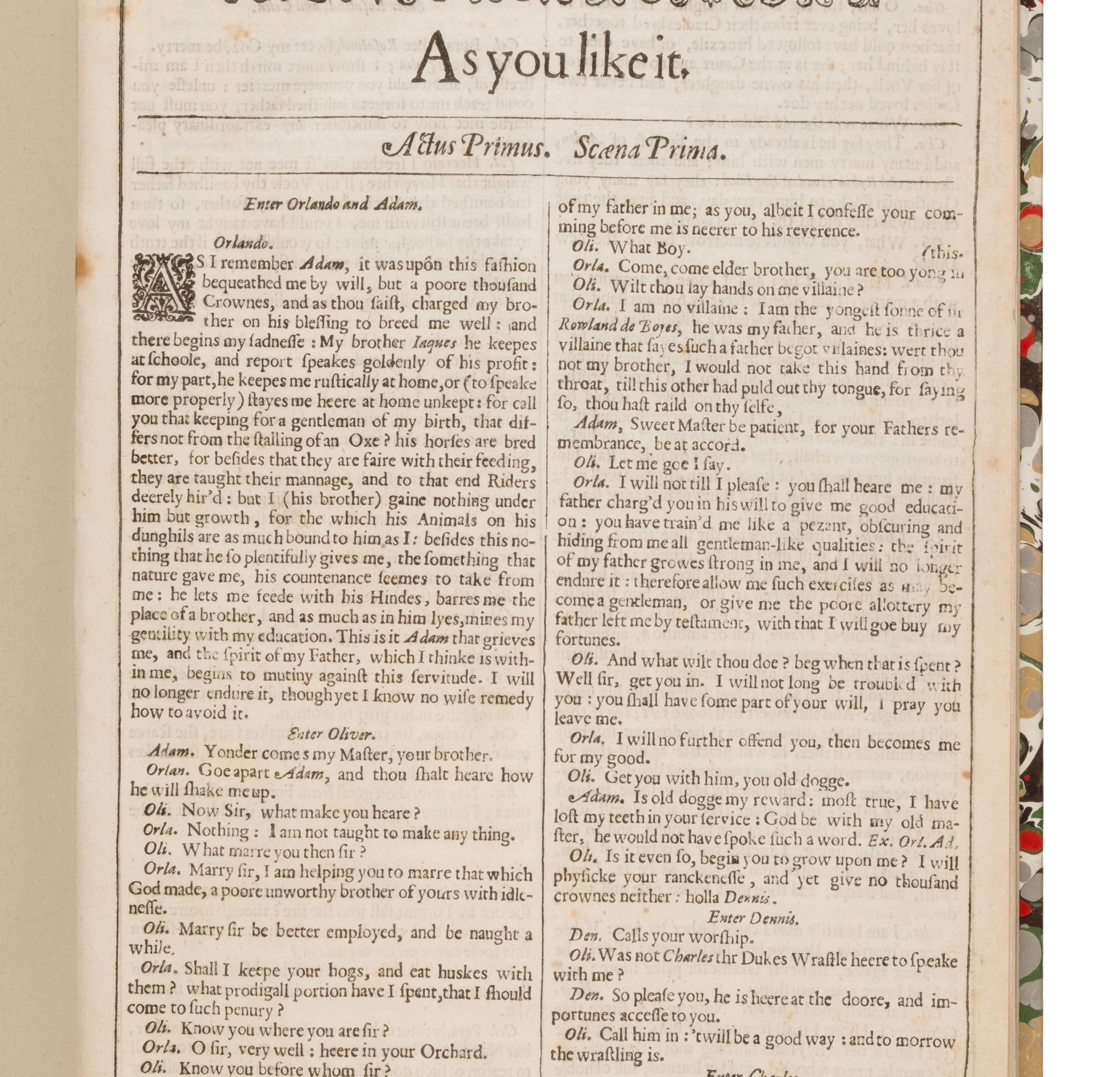
This spring, Freeman’s is pleased to present The Library of Stephen J. Farber on May 14, 2026. Over the course of nearly seven decades, Mr. Farber assembled superb copies of some of the most important works of literature ever printed. "I am particularly excited to offer this library in its entirety, as it tells the story of one collector’s lifelong passion—an almost sixty-year pursuit of the books and manuscripts he most deeply loved—and of the new stewards who will, in turn, cherish them with the same care and devotion.” — Christopher Brink, Senior Specialist, Books & Manuscripts Born in New York City and raised in Miami Beach, Florida, Mr. Farber pursued a distinguished medical career that took him to New York, St. Louis, Ann Arbor, Charlottesville, and Toledo. Along the way, he developed a lifelong passion for books. When asked what sparks his enthusiasm, the word that comes up every time is “whimsy.” Beginning with the classics, mysteries, and science fiction he devoured in h youth, he spent decades building a collection that reflects both intellectual rigor and personal joy. Accompanied by his wife, Nancy, Mr. Farber traveled thousands of miles across the United States, visiting book fairs, rare book dealers, antique shops, and auction houses in pursuit of exceptional material. The result is a collection of remarkable breadth and quality, encompassing literature, science fiction, women’s rights, and beyond—one that speaks as much to passion as it does to connoisseurship. When Freeman’s asked why he chose to bring the collection to auction, Mr. Farber’s answer was simple: “I would want to see these books go to people who will love them.” It is in that spirit that Freeman’s is honored to present this extraordinary library to a new generation of collectors. Auction Highlights: Reflecting Decades of Passionate and Meticulous Collecting Highlights include a near-pristine first edition of George Orwell’s Nineteen Eighty-Four with the scarce original wraparound band; numerous original printings of works by Edgar Allan Poe, among them a first printing of “The Raven” in the exceptionally scarce original wrappers; a first edition set of J.R.R. Tolkien’s The Lord of the Rings; and Mary Wollstonecraft’s foundational feminist text, A Vindication of the Rights of Woman. Beyond these landmark works are important texts by figures such as Charles Darwin, Alfred Russel Wallace, and John Stuart Mill. Carefully preserved in custom-built wooden bookcases with glass doors, the collection reflects decades of thoughtful stewardship and deep appreciation for the printed word. Additional Top Lots · Lot 194 | Shakespeare, William (1564-1616). As You Like It. -- The Taming of the Shrew. [Two complete plays extracted from: The First Folio]. [London: Isaac laggard and Ed. Blount, 1623]. Estimate: $30,000 – 50,000 · Lot 208 | Tolkien, J.R.R. (1892-1973). [The Lord of the Rings trilogy:] The Fellowship of the Ring. 1954. -- The Two Towers. 1954. -- The Return of the King. 1955. All London: Allen & Unwin Ltd. First edition, first impression set. Estimate: $15,000 – 20,000 · Lot 263 | Jefferson, Thomas (1743-1826). Notes on the State of Virginia. London: John Stockdale, 1787. First edition with the large folding map. Estimate: $10,000 – 15,000 · Lot 162 | Orwell, George (1903-1950). Nineteen Eighty-Four. London: Secker & Warburg, 1949. First edition with the rare wrap-around band. Estimate: $8,000 – 12,000 · Lot 173 | Poe, Edgar Allan (1809-1849). "The Raven" in The American Review. Volume I, number II. New York: Edward O. Jenkins for Wiley and Putnam, February 1845 [but early January]. First printing, in the rare original wrappers. Estimate: $8,000 – 12,000 · Lot 201 | Stoker, Bram (1847-1912). Dracula. Westminster: Archibald Constable & Company, 1897. First edition, first issue. Estimate: $6,000 – 8,000 How to Bid The Library of Stephen J. Farber will be offered at auction on May 14 at 10 AM CT in our Chicago saleroom. Bidding will be available in person, over the phone, and via absentee or live online bidding. Freeman’s is a premier American auction house offering services in multiple categories including fine art, jewelry, design, books and manuscripts, furniture, decorative arts, antiquities, couture, and Asian works of art. With 16 regional locations nationwide, the firm provides auctions, appraisals, private sales, and art advisory services, connecting clients to the global art market. Freeman’s strives to bring art, history, and design to life by connecting people with extraordinary objects through exceptional service and expertise.
It will lead their Impressionist and Modern Art sale in New York Freeman’s will hold its Impressionist and Modern Art auction on April 29, 2026, at its New York saleroom. Leading the sale is the rediscovery of Europa (1927) (Lot 22), a painting by Josef Šíma estimated at $300,000–500,000. Absent from public view for nearly a century and only recently authenticated, the work is among the most significant reappearances of a 20th-century avant-garde painting in recent memory. Painted in Paris during a pivotal moment in Šíma’s career, Europa embodies the artist’s shift away from Cubism toward a deeply symbolic and metaphysical visual language. The composition—featuring two headless torsos beneath a hovering cosmic egg—explores themes of creation, unity, and the origins of existence. The egg, a recurring motif in Šíma’s work, serves as a powerful symbol of both genesis and universal connection. Property from the Ingersoll Family Collection, Philadelphia, Pennsylvania Previously unknown to scholars, this version of Europa is closely related to the artist’s celebrated example in the Moravian Gallery in Brno, long considered unique. Its rediscovery has prompted renewed scholarly attention, with leading Šíma scholar Rea Michalová, Ph.D describing it as “the rediscovery of the century.” Following a year of rigorous authentication, including forensic and archival analysis, the painting is now recognized as an unquestionably authentic and major work of the European avant-garde. Offering his reflections on this exciting rediscovery is Raphaël Chatroux, Vice President, Head of Department, Impressionist and Modern Art. “I couldn't be more thrilled to be bringing Josef Sima's Europa back into the light. After nearly a century, its reappearance on the open market is a groundbreaking event. It allows us to better understand the artist's working method and to better grasp his immense talent. It's also so very refreshing to bring a work that offers many more layers and nuances to the Surrealist movement. Europa brings alone a degree of poetry, mysticism, and beauty that is rare in today's landscape". Adding to its significance is the painting’s exceptional provenance. First owned by visionary collector Bernard M. Davis, Europa later entered the collection of Robert Sturgis Ingersoll, a prominent figure in American cultural life and longtime director of the Philadelphia Museum of Art. The work has remained in the Ingersoll family collection for decades, preserving its remarkable historical continuity. Additional Sale Highlights Lot 44 | Gabriele Münter (German, 1877-1962) | Stilleben mit grauer Teekanne (Still Life with Gray Teakettle), 1935 | Estimate: $50,000 - 80,000 Lot 9 | Grigory Gluckmann (Belarusian, 1898-1973) | Ballet Dancer | Estimate: $40,000 - 60,000 The April 29 sale also includes a broad selection of works tracing modern art across Europe and America. Highlights include Young Girl with White Headscarf by Nicolai Fechin (Lot 45), which blends Russian academic training with expressive, impressionistic brushwork, and Gluckmann's dancer compositions (Lot 9, Lot 10), which offer a quieter counterpoint to the theatricality of Edgar Degas. Two works by Basil Marros (Lot 40, Lot 49), an underappreciated Greek Modernist influenced by Fernand Léger will also take center stage. Also featured is Still Life with Gray Teakettle (1935) by Gabriele Münter (Lot 44), which draws on influences from Henri Matisse and Vincent van Gogh into a bold, personal visual language. The sale spans a wide cross-section of Impressionist and Modern work. · Lot 36 | Henri Jean Guillaume Martin (French, 1860-1943) | Labastide du Vert (Lot), 1908 | Estimate: $80,000 - 120,000 · Lot 18 | Henri Matisse (French, 1869-1954) | Pensive Woman, c. 1906 | Estimate: $50,000 - 70,000 · Lot 24 | Christian Bérard (French, 1902–1949) | Pair of Cartouches for the "Bal du Panache" held at the Maison de L'Amérique Latine, Paris, 1947 | Estimate: $50,000 - 80,000 · Lot 61 | Albert Marquet (French, 1875-1947) | Vue de Laghouat à Travers la Palmeraie (Algérie), 1921 | Estimate: $40,000 - 60,000 How to Bid Europa will be offered at auction on April 29 at 10 AM ET in Freeman’s New York saleroom. Bidding will be available in person, over the phone, and via absentee or live online bidding. Freeman’s is a premier American auction house offering services in multiple categories including fine art, jewelry, design, books and manuscripts, furniture, decorative arts, antiquities, couture, and Asian works of art. With 16 regional locations nationwide, the firm provides auctions, appraisals, private sales, and art advisory services, connecting clients to the global art market. Freeman’s strives to bring art, history, and design to life by connecting people with extraordinary objects through exceptional service and expertise.
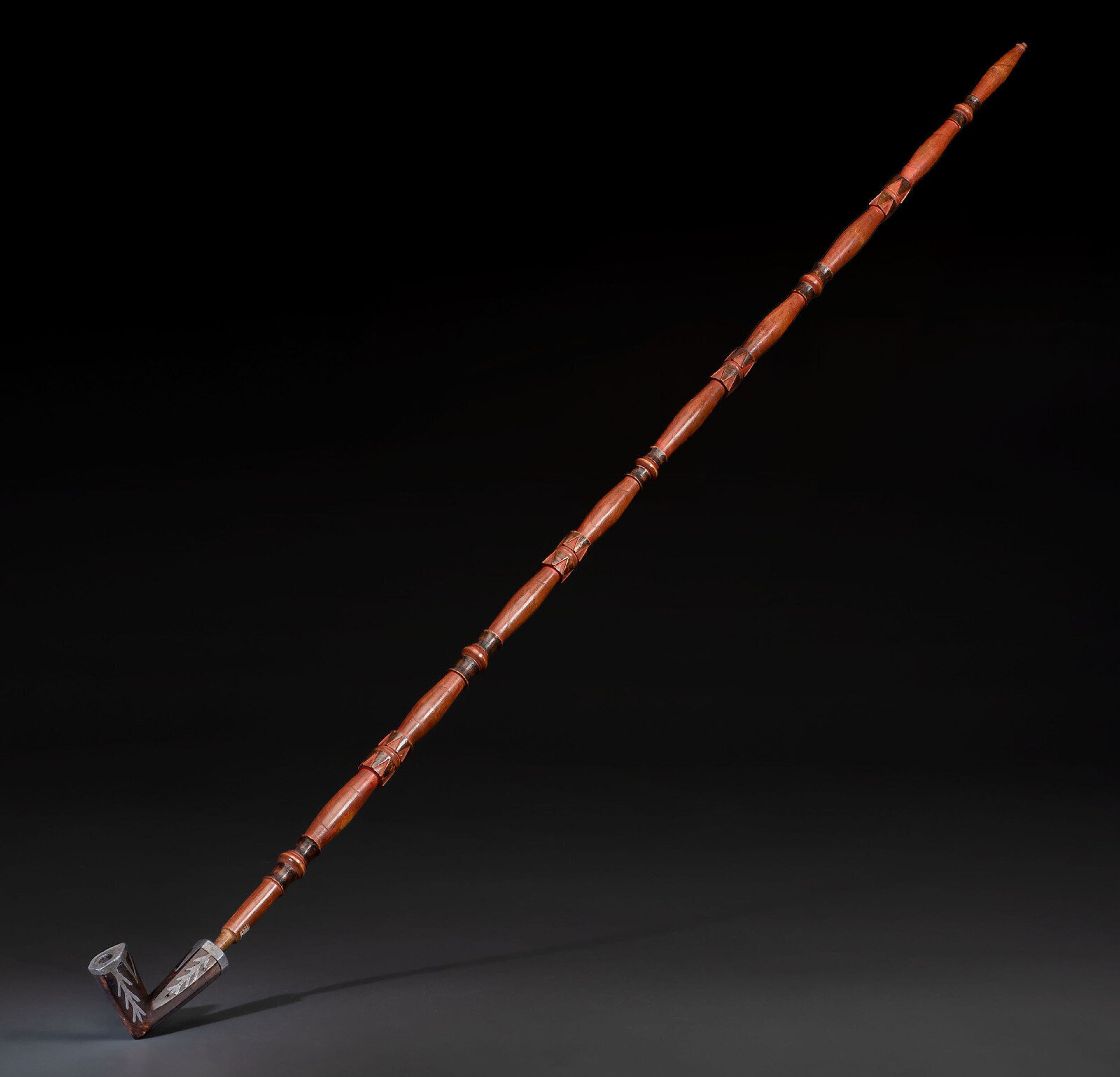
Freeman’s two-day Native American Art auctions, presented live in Chicago and online, realized a combined total of $1,382,252, surpassing pre-sale expectations and underscoring sustained collector demand.
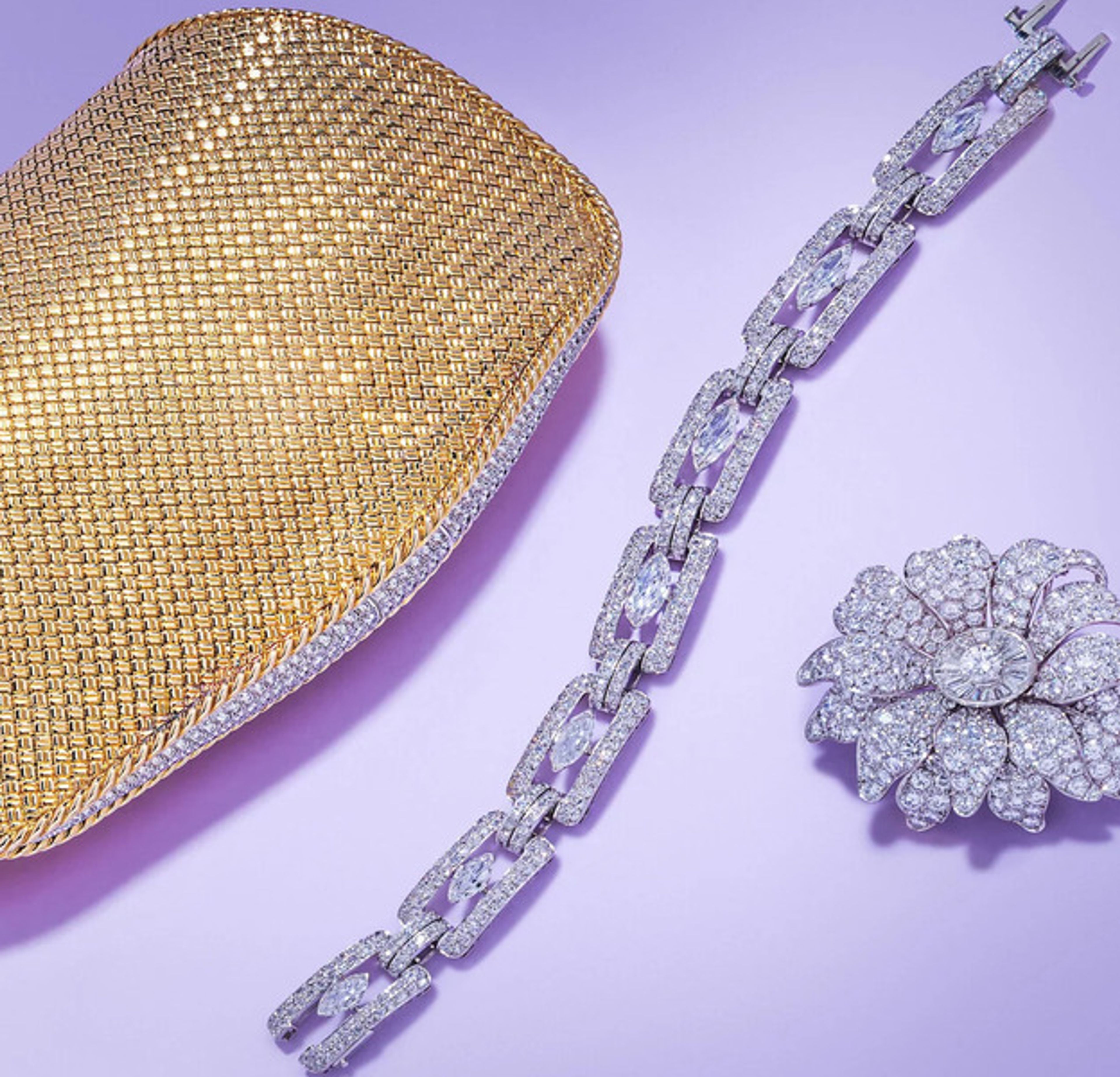
Freeman’s reports strong first-quarter results for its luxury categories in 2026, reflecting continued market confidence and the firm’s momentum from 2025.

Seasoned specialist brings over 15 years of auction experience and deep expertise in American Art
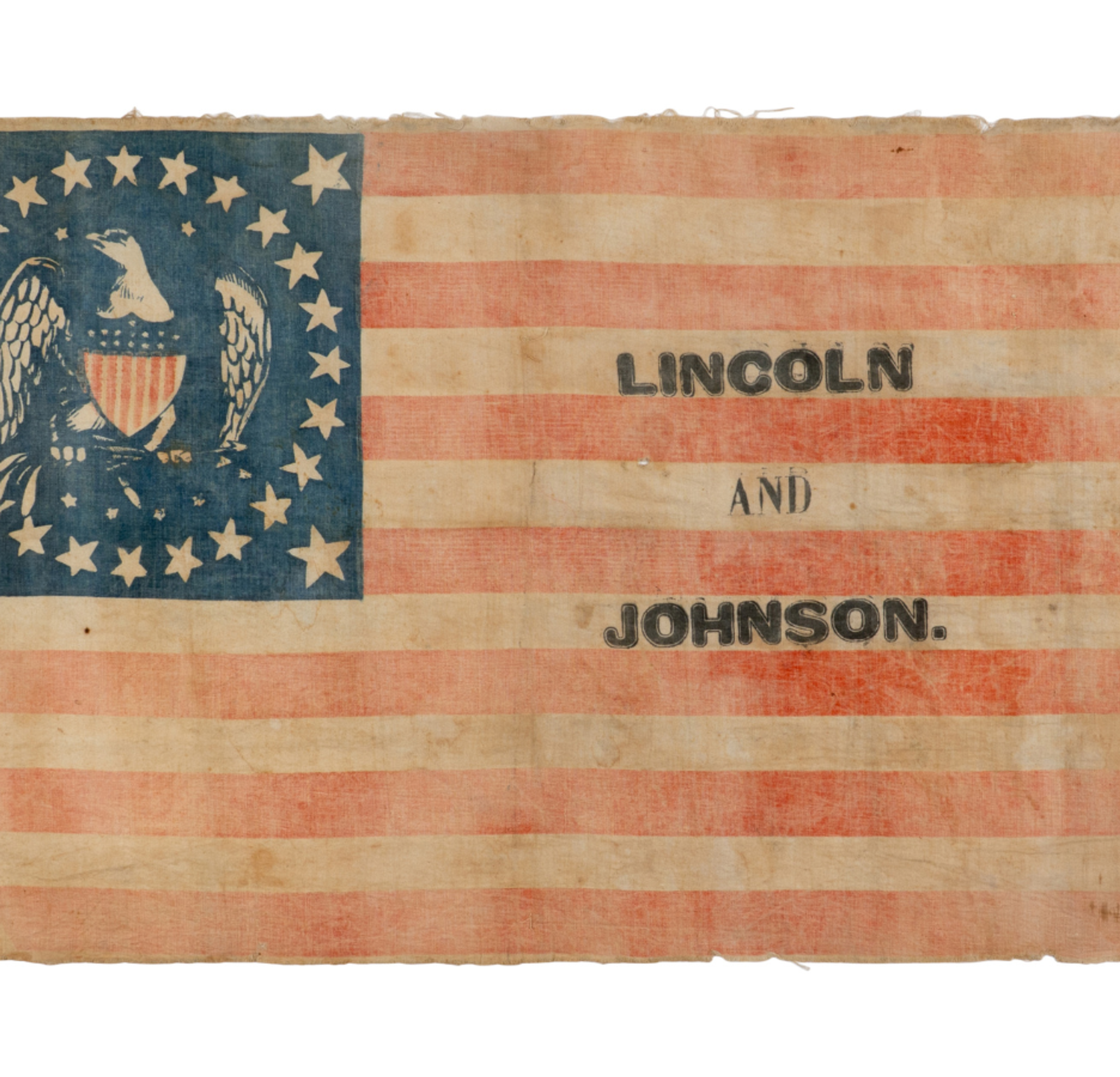
Freeman’s Fathers and Saviours of Our Country: A Presidential Sale, a multi-category auction anchored by several important private collections, was held on March 26 and totaled an impressive $1,582,080.
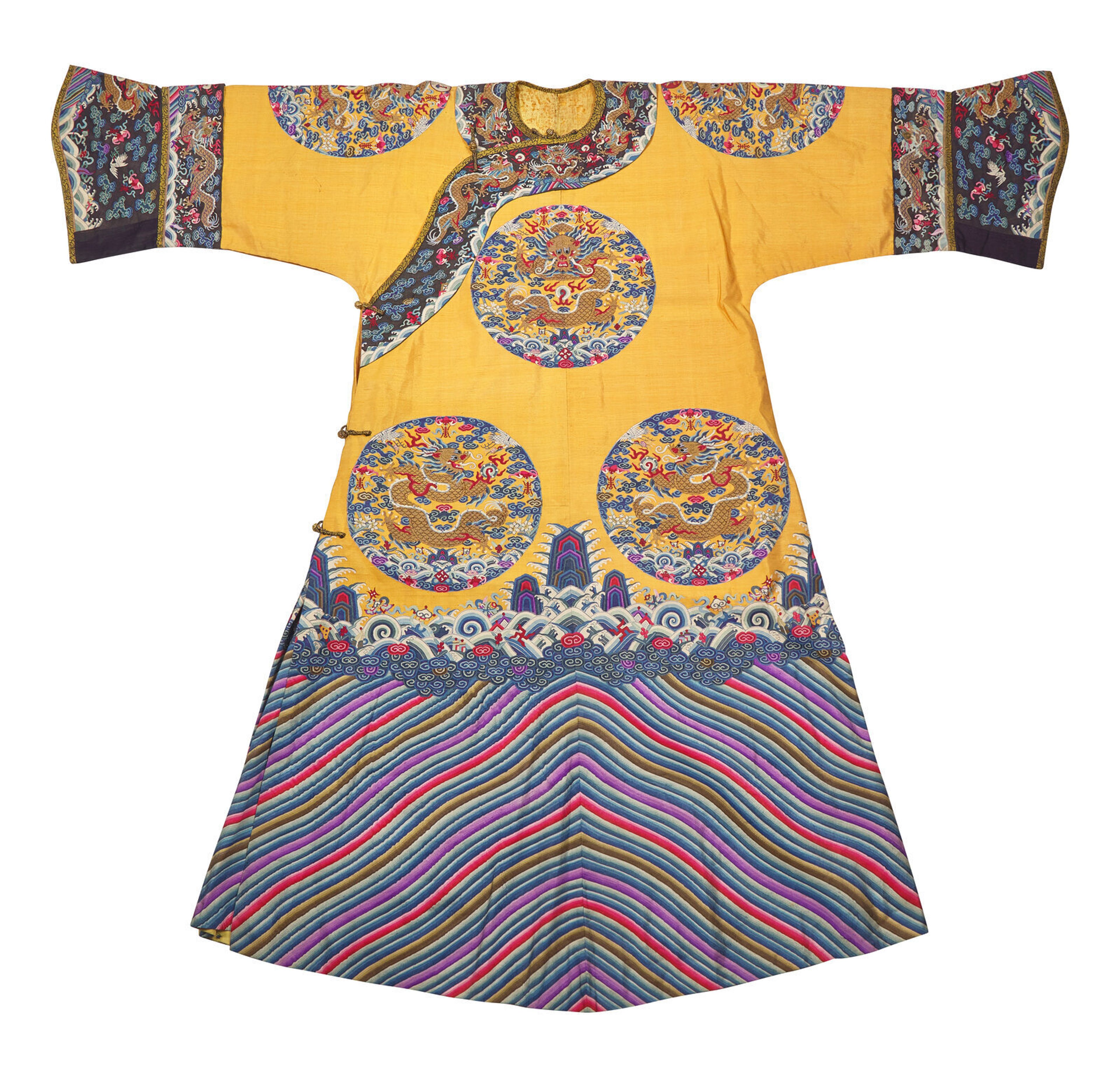
Freeman’s Asian Works of Art auction on March 27 delivered exceptional results, achieving a total of $2,013,952 (including buyer’s premium)—more than double the pre-sale low estimate.
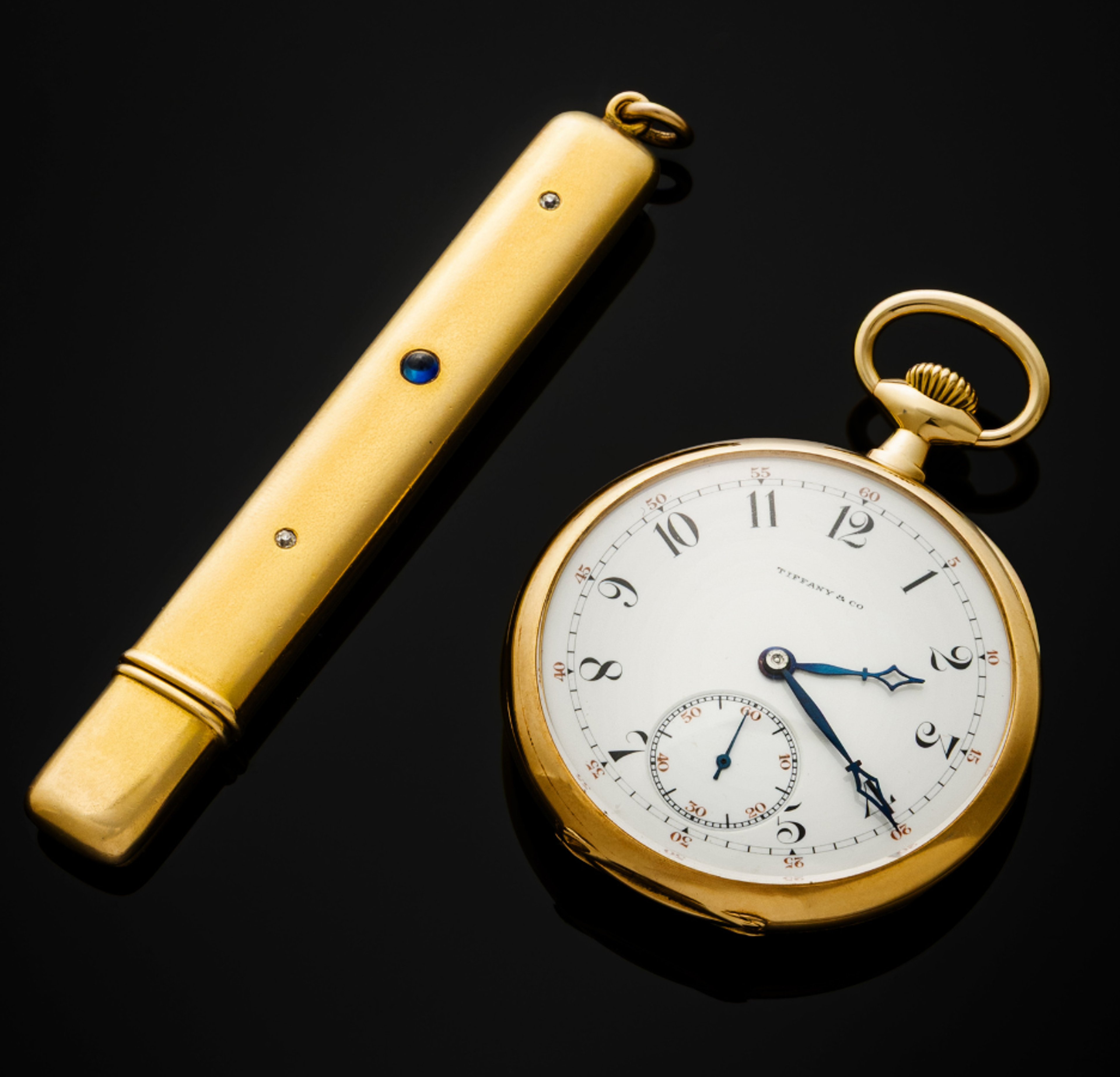
Historic artifacts recovered from the Titanic disaster have remained in continuous possession of the Astor family for more than a century.
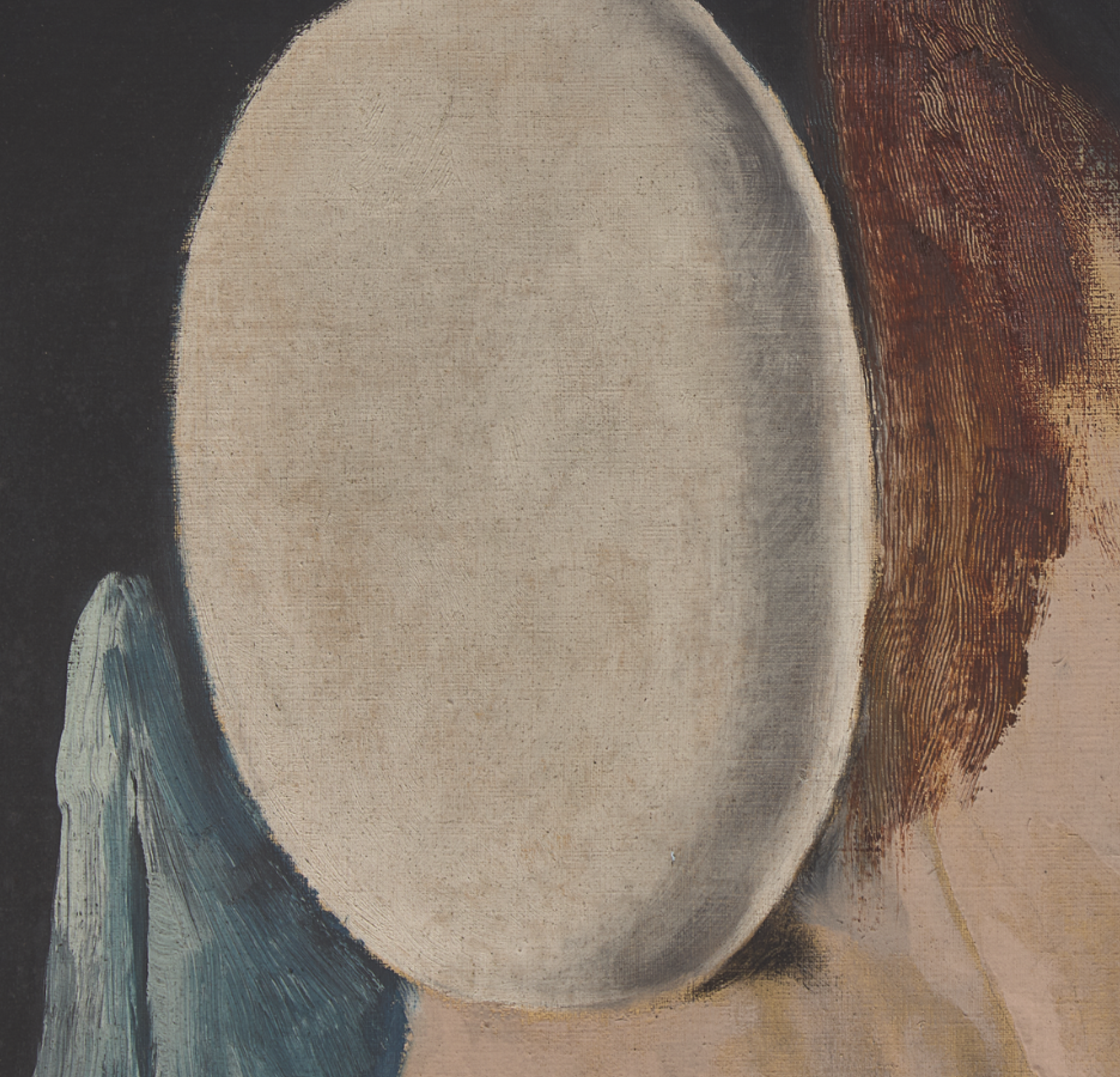
Freeman’s is pleased to announce the rediscovery of a rare and important painting by Josef Šíma, a leading figure in twentieth-century Czech art. After nearly a century out of public view, this masterwork surfaced in a Philadelphia collection and has been called “the rediscovery of the century” by Šíma scholar Rea Michalová, Ph.D. Property from the Ingersoll Family Collection, Philadelphia, Pennsylvania Titled Europa, the 1927 oil was painted in Paris and will be offered at auction at Freeman’s New York saleroom on April 29, 2026, as part of its Impressionist and Modern Art auction. Previously unknown to scholars, this work is a near twin to the iconic version in the Moravian Gallery in Brno—long considered Šíma’s most important painting. Offering his reflections on this exciting rediscovery is Raphaël Chatroux, Vice President, Head of Department, Impressionist and Modern Art. “We are beyond excited to present this newly authenticated painting by Sima. It offers a compelling glimpse into the Parisian avant-garde but also reshapes our long-held assumptions about the artist’s working methods and creative process. His oils from the 1920s are exceedingly rare and highly sought after. This is a unique opportunity to acquire one of them: a quintessential work that was already celebrated during the artist’s lifetime.” A Pivotal Year 1927 marked a decisive turning point in Šíma’s artistic evolution. Initially involved with Cubism, he began developing a new visual language rooted in myth, cosmology, and archetypal representation after meeting the poet and critic Pierre Jean Jouve. In his late 1920s compositions, the artist sought to express on canvas his desire to become one with the universe, and turned increasingly toward symbolism to explore an interior, unknown mystical world. Europa embodies this breakthrough moment. The composition depicts two headless torsos over one of which hovers a monumental egg -one of the artist’s most potent symbols. Appearing in at least four other compositions from the same period, the egg represents both the origin of the world and the unity of existence. It is from this cosmic form that the figures emerged, interpreted as Adam and Eve, set against a black void evocative of primordial chaos. A Landmark Rediscovery First presented last season, Europa quickly drew global attention and scholarly debate for its resemblance to the Brno version, once thought unique. Freeman’s withdrew the painting from auction for comprehensive research and authentication. Right: Josef Šíma, Europa, 1927 (oil on canvas, 80 x 65 cm) After a year of rigorous study—including provenance research, forensic analysis, and advanced imaging—Freeman’s presents Europa as “unquestionably authentic.” This rediscovered painting stands as a major work of the European avant-garde and offers a rare insight into Šíma’s creative process. Dr. Michalová affirms: “Each work stands out as entirely unique in its artistic style, crafted with the same skill, finesse, and expressive delicacy, demonstrating confident artistic bravura without hesitation.” Archival research revealed that this specific version of Europa was already known during Šíma’s lifetime. Larger in size and slightly distinct in execution, it was first reproduced in 1928 in the Parisian art journal Cahiers d’Art, one of the leading publications promoting modern art in Europe, which firmly placed Šíma alongside Picasso, Matisse, and Chagall. The rediscovered painting also appears to correspond to the larger version of Europa mentioned in a 1936 Prague exhibition catalogue, which records another canvas of the same subject located in a Philadelphia collection. Exceptional Provenance The painting’s retraced provenance connects it to two influential figures in American cultural life. The first owner of Europa was the Ukrainian-born collector Bernard M. Davis, an eccentric and visionary patron known for championing emerging modern artists. The painting later entered the collection of Robert Sturgis Ingersoll, a prominent lawyer, philanthropist, and longtime director of the Philadelphia Museum of Art. Ingersoll was an early American collector of European modernism, acquiring works by artists such as Amedeo Modigliani, Chaïm Soutine, and Constantin Brâncuși. The painting has remained with the Ingersoll family ever since. Right: Robert Sturgis Ingersoll (1891-1973), last owner of Europa and President of the Philadelphia Museum of Art from 1948 to 1964. Born in Bohemia and trained at the Academy of Fine Arts in Prague, Šíma was immersed in artistic culture from childhood. An admirer of Paul Cézanne's work, he became an influential member of the Czech avant-garde group Devětsil before moving to France, settling permanently in Paris in 1921. Naturalized as a French citizen in 1926, he emerged as one of the few Czech painters to achieve lasting international recognition. Right: Marie Michaela Šechtlová (Studio Šechtl et Voseček) Portrait of Josef Šíma in Paris, c. 1968 Although he was on friendly terms with the Surrealists in Paris, Šíma charted his own path and refused to align himself with the movement. In 1927, the same year he painted Europa, he co-founded Le Grand Jeu with a circle of young poets originating from Reims, dedicated to metaphysical and spiritual exploration through art and literature. In contrast, the Surrealists sought the unknown by channeling an imaginary, inner world that would carry personal meaning. Šíma and his peers aimed to break from reality to rediscover the pure, original state of existence from the origins of time. Šíma emerged as the group’s principal visual artist, and Europa ranks among the movement's most emblematic and defining images. “The rediscovery of this larger variant not only expands our understanding of Šíma’s creative process but also restores an important chapter of the European avant-garde — a moment when poetry, philosophy, and painting converged in search of new spiritual and artistic horizons,” says Michalová. Censored for decades under the Communist regime in Czechoslovakia, Šíma was finally rehabilitated in 1968 with two major retrospectives in Paris and Prague. Today, his market is undergoing renewed attention, specifically in France and the Czech Republic, where his work (albeit from a later period) often resurfaces. His auction record was broken in 2024, and specialists suggest that Europa could set a new benchmark. As one expert recently observed: “Josef Šíma is on the rise and has not yet been completely discovered.” Sale Preview New York | 32 East 67th St April 20-28: 10:00 AM – 5:00 PM Chicago | 1550 W Carroll Ave April 6-10: 10:00 AM – 4:00 PM, April 10: Extended Hours 5:00 PM – 8:00 PM April 11: 11:00 AM – 3:00 PM Freeman’s is a premier American auction house offering services in multiple categories including fine art, jewelry, design, books and manuscripts, furniture, decorative arts, antiquities, couture, and Asian works of art. With 16 regional locations nationwide, the firm provides auctions, appraisals, private sales, and art advisory services, connecting clients to the global art market. Freeman’s strives to bring art, history, and design to life by connecting people with extraordinary objects through exceptional service and expertise.