New & Noteworthy
Stay up to date with news, highlights, & features from across Freeman's.
Stay up to date with news, highlights, & features from across Freeman's.
Join us as we spotlight Monica Brown, Managing Director, Fine Art | Head of Department, Prints and Multiples, ahead of our Prints and Multiples auction, to be held live in Chicago on September 26. Learn about her journey in the world of fine art and prints, notable achievements at Freeman’s | Hindman, personal collection favorites, and highlights of our upcoming sale. Freeman’s | Hindman: What originally attracted you to the world of fine art and specifically prints? What about editions appealed to you? Monica Brown: Coming out of undergrad, I really wanted to work in a museum. I started working at the Newberry Library in 2001 and began to pursue my MA in Art History (hoping someday to land at the Art Institute of Chicago). Through that process, I was introduced to auctions, and I was hooked. I took a break from my MA program in Chicago to attend Sotheby’s Institute of Art in London for an MA Art Business with the aim of working in an auction house. I wrote my dissertation on the auction market for English Private Press books and became very interested in art objects created in multiples. With my strong background in paper and printing from the Newberry Library, and my market knowledge gained from my MA programs, Prints and Multiples was a logical fit and one that I became even more passionate about after working at Coskun Fine Art in London, where I focused on American Pop Prints, specifically Andy Warhol. I find that the intersection of art history and economics is most apparent in the market for Prints and Multiples, and that is where my passion lies. FH: What are some of your favorite prints and multiples that you own? MB: My husband and I tend to acquire works by artists whose printmaking we feel is undervalued either in the market or in cultural discourse. My favorite is currently a monoprint by Mark Bradford. He is not a prolific printmaker, and I feel that this work shows the subtlety of his eye in any medium. Other favorites in our collection include works by Ed Ruscha (a few of our first acquisitions were by Ruscha), Harland Miller (from one of our favorite publishers), Robert Indiana, and John Buck. FH: What drew you to becoming a specialist and translating your passion into your career? MB: I find that I am most satisfied in my day when I can use my knowledge to help others. I’ve come to understand that knowing paper, prints, and their market is a pretty niche thing! When a collector comes to me, not knowing how to handle the condition on their print or wanting to sell their parents’ collection and not knowing where to start, being able to guide them in the process is rewarding in itself. I was also drawn to the fast pace of the auction world – I was able to handle more artworks in my first 6 months in auctions than I did during my four years in a museum. I feel lucky to be able to pursue my passion for prints and collectors in such a fast-paced environment. FH: Tell us about some trends in the world of fine art that you are most excited about. MB: Excitingly, there has been a strong uptick in demand for Prints and Multiples. Many are drawn in by the realization that you can collect blue-chip artists for a fraction of the price, but there is also a strong trend towards education in the Print market, which has driven demand for certain printing processes, publishers, printers, and even overlooked artists. When paired with the global increase in online sales, the market is becoming increasingly accessible. There are opportunities for entry at all price points, and buyer confidence in online transactions has made this very easy for collectors to access. FH: Describe a typical workday for you at Freeman’s | Hindman. MB: I absolutely cannot! There is no typical workday. The only common theme in everyday life is being in constant communication with my teammates across our 18 offices in Chicago, New York, Philadelphia, Denver, Palm Beach, St. Louis, Milwaukee, and Scottsdale. My day might involve visiting a client in their home to discuss honing their collection or working on a proposal for an institutional partner. It may involve telephone bidding in an auction in Chicago or giving a lecture in Atlanta for a group of collectors. It may involve cataloging an Old Master print or blacklighting a Picasso ceramic. I could be having lunch with a curator or dinner with an art advisor. No day is the same, and that is the beauty of this career. FH: Can you describe a collection of prints that you are proud to have brought to auction? MB: I tend to be most proud of moments where I can help clients maximize value in their collection, no matter the size. It isn’t always about the flashiest Warhol or the largest estate, but in the moments where I can use my knowledge to push the market to its full potential. In 2019, a consignor from one of our regional offices came to us with a collection of Alexander Calder prints and Picasso Ceramics that he acquired directly from Mourlot and Madoura just after they were published. He had kept them carefully wrapped, never framed or displayed, and they were in perfect condition. He came to us with a plan to begin selling them slowly over time, to avoid flooding the market. I advised him that a collection with this sort of condition is so incredibly rare that selling them together will boost the provenance and overall value of the collection. Our pre-sale estimates on the collection were completely in line with the market at about $73,000. It ended up bringing $195,000, setting multiple records for Calder and Picasso at that time. He was absolutely thrilled. It was a perfect example of how condition will speak in the market for Prints and Multiples, how provenance and being fresh to the market will drive demand, and is an example that I still use in speaking to clients about what drives the final hammer in the market. FH: Freeman’s | Hindman’s Prints and Multiples sale will take place this September 26 in Chicago. Can you tell us about some of your favorite lots in this sale? Julian Opie (British, b. 1958) | Walking in London II (set of 5), 2014 | Estimate: $60,000 - 80,000 I am a huge fan of Julian Opie, and I love that we have such dynamic works in this sale. Lot 8, Walking in London is a particular favorite of mine as I feel that having the complete set really gives you a feel of the action, a feeling of walking on a busy London street – it could be Hampstead, Green Park, or Angel. The Keith Haring session is also incredible and one that I certainly could not leave out of a list of favorites! Our marketing team’s reel for social media featuring the prints is one that I will never forget.
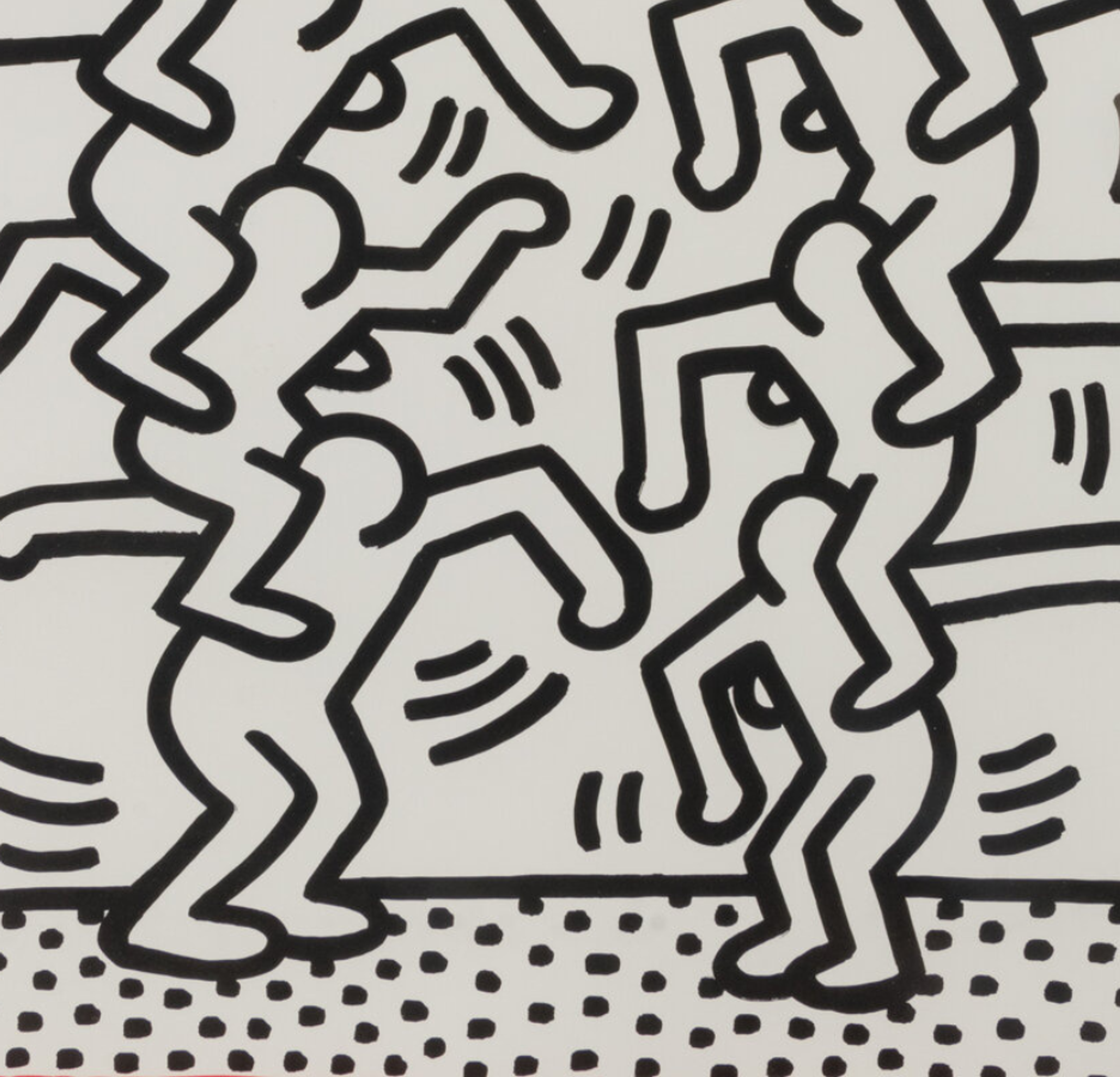
Freeman’s | Hindman is pleased to present a session of screenprints and lithographs by Keith Haring (American, 1958–1990), created between 1985 and the artist’s untimely death in 1990. Printmaking allowed Haring to experiment with form while expanding the reach of his public-centric practice. After moving to New York in 1978, Haring became known for his subway drawings: rapid, expressive chalk drawings on unused advertising panels emphasizing line. Influenced by artists such as Jean Dubuffet, Pierre Alechinsky, and William Burroughs, as well as comic books, Pop Art, and popular culture, Haring noted in 1984 that he was “continually amazed at the number of artists who continue working as if the camera were never invented, as if Andy Warhol never existed, as if airplanes and computers and videotape were never heard of”[i]. Keith Haring (American, 1958-1990) Untitled (from Three Lithographs), 1985 | $50,000-70,000 Interacting with the public daily, Haring emphasized a strong use of outline and recognizable iconographical language—angels, contoured people, scissors, flowers— to convey his thoughts and critiques of contemporary life to the widest possible audience, for which he became world-renowned. As a part of his goal of increasing engagement with his work, Haring opened the Pop Shop in SoHo in April 1986. He stated, “I wanted to attract the same wide range of people, and I wanted it to be a place where, yes, not only collectors could come, but also kids from the Bronx.” [ii] Alongside toys, ephemera, and T-shirts, he created six sets of four screenprints (1987–1989) specifically for sale at the shop—five impressions of which are featured in our September 26th sale. Also included are two impressions from Three Lithographs (1985), a striking series in black, white, and red that echoes the aesthetics of his subway drawings; two vibrant works from the Flowers series (1990), from the Collection of Alan Cooper; and International Volunteer Day (1988), a reminder of Haring’s lifelong commitment to social activism. As art historian Werner Jehle described, these works are “phosphorescent and fluorescent manifestations of mass culture”[iii]. This collection offers an exciting opportunity for collectors to engage with Haring’s enduring legacy through color, line, and message. [i] Werner Jehle, “Keith Haring: His Choice of Media,” in Keith Haring: Editions on Paper, 1982-1990, ed. Klaus Littmann (Stuttgart: Edition Cantz, 1993), 8. [ii] “The Pop Shop,” The Keith Haring Foundation, accessed August 12, 2025. https://www.haring.com/!/pop-shop. [iii] Jehle, 8. INQUIRIES: [email protected] VIEWING By Appointment Chicago, IL
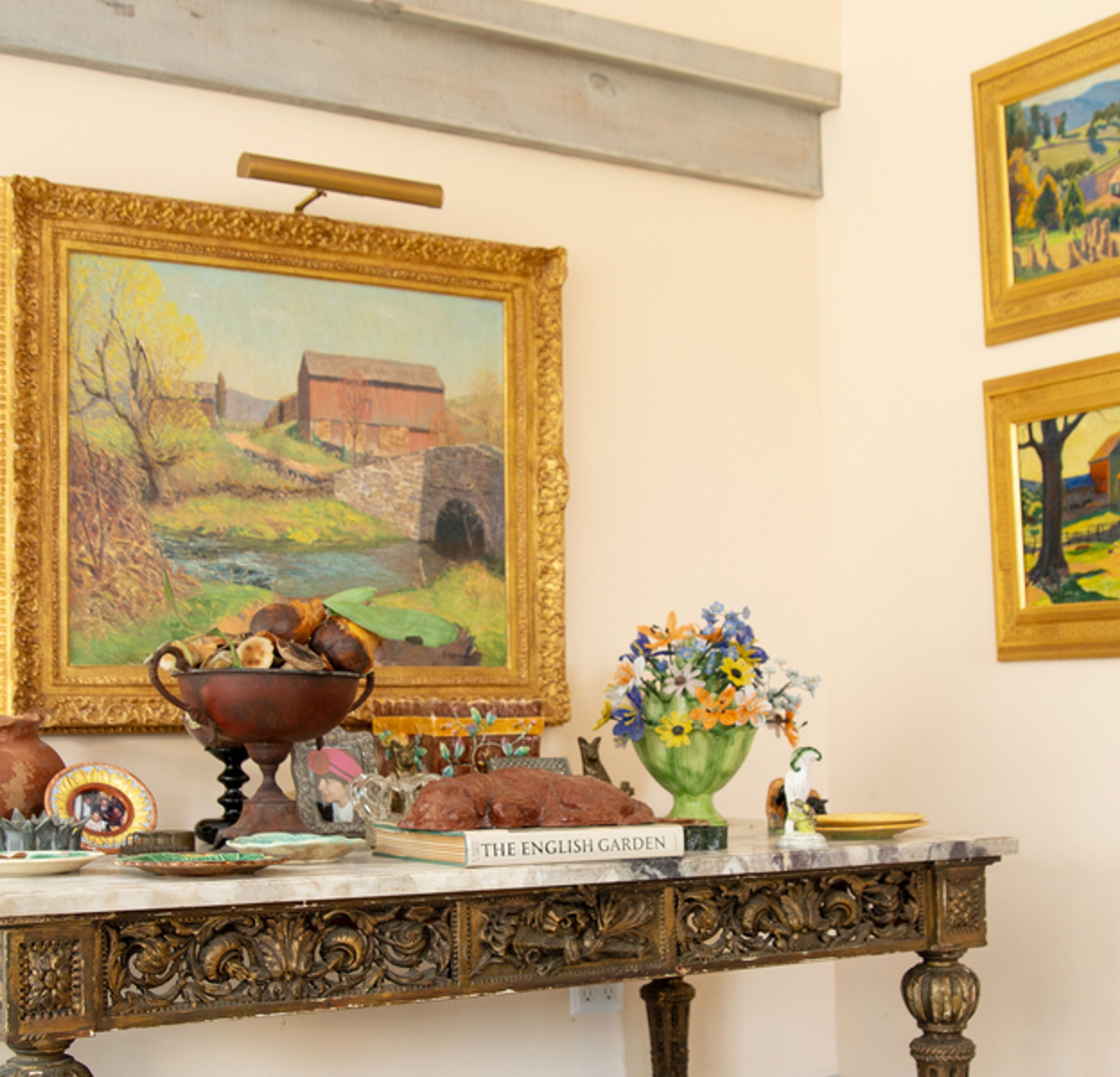
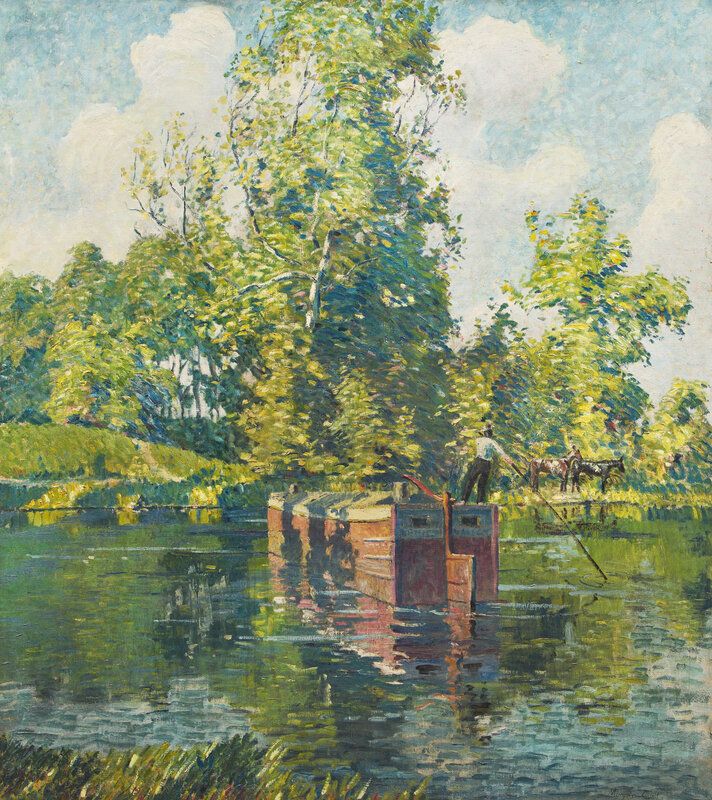
As a landscape architect, Renny Reynolds has long championed the beauty and joy of gardens, turning his career into a lifestyle. His journey began in the 1960s with the opening of his first shop in New York City, soon followed by a commission from fashion icon Bill Blass to design a penthouse terrace garden. Over time, Reynolds’s client list grew to include Giorgio Armani, Diana Ross, Andy Warhol, and others. He planned legendary events at Studio 54—including the launch of Yves Saint Laurent’s Opium—and orchestrated receptions at the White House for Presidents Ford, Nixon, Reagan, and Clinton following his tenure in Washington. In 1972, he founded Renny Design for Entertaining, later Renny & Reed, and in 1992, published The Art of the Party, often referred to as “the party planner’s bible.” His achievements were recognized in 2008 with the Great American Gardener Award, the American Horticultural Society’s highest honor. At his core, Reynolds is a steward of gardens and architectural treasures. Both his “Dogs and Frogs” estate—a 1780 farmhouse in Bucks County—and Hortulus Farm, an 18th-century homestead he restored with partner Jack Staub (1951–2020), reflect that lifelong devotion. The latter was eventually turned into a foundation to publicly showcase its gardens and the couple’s private art collection. It’s no surprise, then, that Reynolds developed a deep affinity for the Impressionist painters of Bucks County, whose works mirror his reverence for both natural and designed landscapes. The collection offered at Freeman’s | Hindman this fall speaks in a vibrant pictorial language that parallels his vision of landscape—both raw and refined. Daniel Garber (American, 1880-1958) Sycamore and Elm, 1932 | $50,000 – 80,000 Two artists in particular embody this duality: Daniel Garber and Edward Willis Redfield. Sycamore and Elm epitomize Garber’s soft lyricism and thoughtful assemblage of quaint details filling the landscape with soothing poetry, while Early Spring exemplifies Redfield’s muscly approach, wrestling beauty from the landscape, shown in its full vigor and seemingly untouched. Edward Willis Redfield (American, 1869-1965) Early Spring | $25,000 – 40,000 Yet the line between raw nature and designed landscape can be misleading. Thoughtful garden design often conceals its own construction—enhancing nature through subtle, deliberate arrangements. Works by Fern Coppedge, Samuel George Phillips, and R.A.D. Miller further this idea, highlighting a harmonious interplay between built structures and the natural world. These scenes reflect the philosophy behind a well-designed garden: curated yet organic, framed yet free. Robert Spencer (American, 1879-1931) Waterloo Row, 1917 | $60,000 – 100,000 Through sensitive composition, light, and color, the paintings elicit varied moods. In winter nocturnes by Harry Leith-Ross and George Sotter, the mood is hushed and contemplative. In contrast, Robert Spencer’s Waterloo Row, the top lot, captures the calm before a day’s labor begins—still and full of quiet expectancy. A leading figure of the New Hope art colony, Spencer portrayed working-class life with empathy and honesty. In Waterloo Row, nature subtly disrupts the grid-like structure, just as a garden might soften architecture with the promise of renewal. The theme of cultivation extends beyond paintings. Reynolds’s furnishings reflect a blend of formal 18th-century style and rustic charm, with painted surfaces, patinated finishes, and playful contrasts. Indoors and outdoors merge through majolica tableware, beaded floral arrangements, tinware lighting, and garden seating. The sale is rounded out by over 150 volumes from Reynolds’s personal library on garden design and architecture, featuring works by Humphry Repton, Gertrude Jekyll, Vita Sackville-West, William Robinson, and others—offering a window into the mind of a lifelong gardener, collector, and designer. INQUIRES: [email protected]
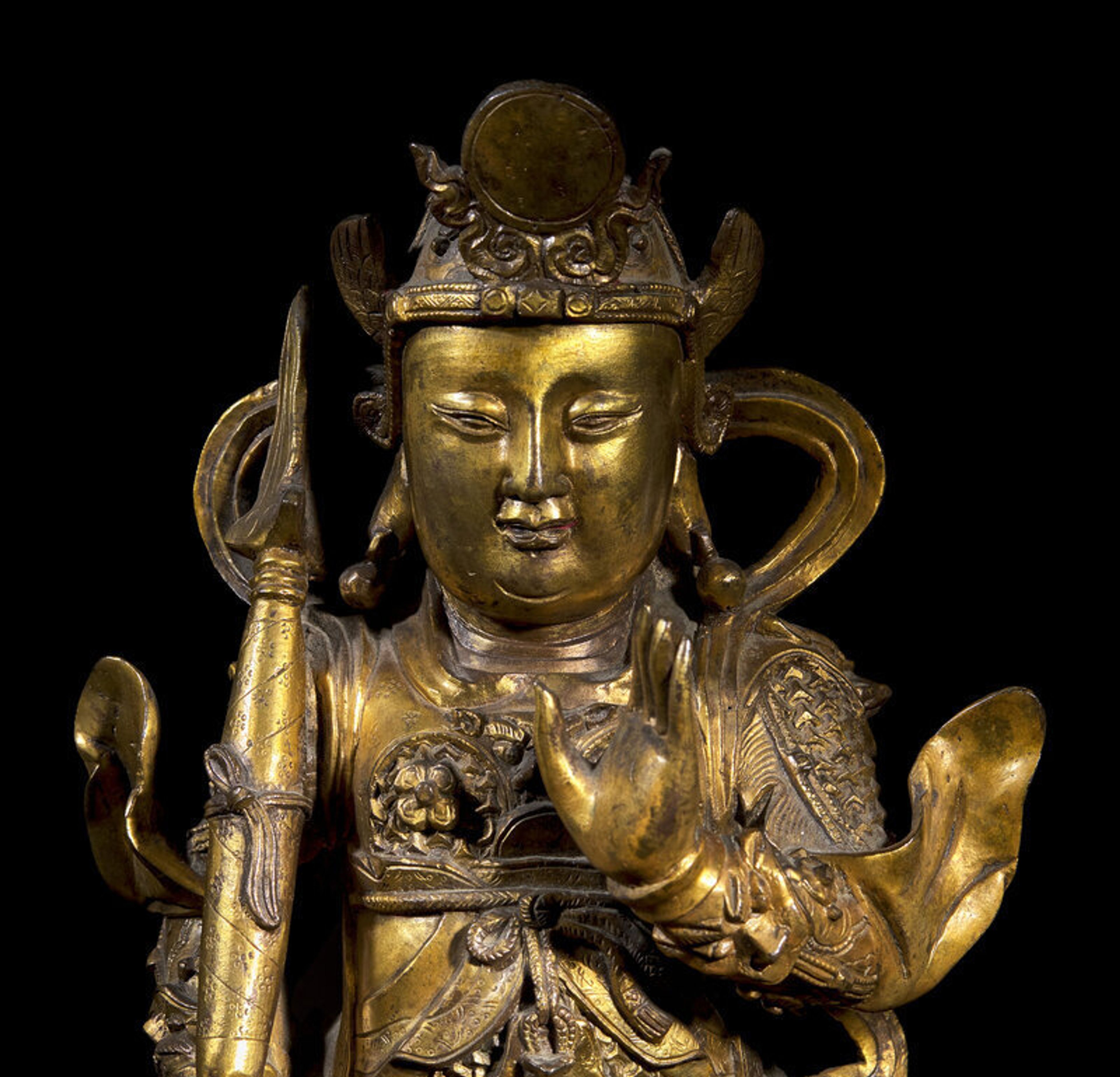
In Chinese religious settings—particularly in monasteries and prayer halls—the figure of Weituo, protector of the Dharma or Buddhist teachings, is often found. Frequently depicted in one of two poses: standing with hands held together in anjali mudra, with a sword laid horizontally behind the hands and resting on the forearms in a posture of devotion; or, as seen here, standing with a stylized vajra (thunderbolt weapon) held upright in the right hand, while the left hand is raised elegantly in front of his armored chest. Both versions are usually portrayed in the elaborate armor of a Chinese general, complete with flowing scarves and fluttering draperies. TO BE OFFERED SEPTEMBER 19, NEW YORK A Chinese Gilt Bronze Figure of Weituo Pusa, Ming Dynasty | $25,000-35,000 Weituo is often regarded as a Sinicized version of Skanda, tasked by the Buddha with a protective role, or as a manifestation of Vajrapani—an early attendant and symbol of the Buddha’s power. This example, dating to the Ming dynasty, is notable for retaining its stylized vajra (often lost), the powerful quality of its casting and chasing, and the exceptional preservation of its gilding. This gilded bronze is further distinguished by its provenance, having formerly been in the collection of noted fashion designer Mary McFadden. It once graced the gilt-stenciled living room of her extraordinary Manhattan apartment and was featured in an article published in the October 1, 2001, issue of Elle Décor. Undoubtedly, the sculpture appealed to the designer not only for the golden glow of its surface—harmonizing with her gilded walls and ceilings—but also for the tactile patterning of the guardian’s armor: an exotic figure of strength and power. INQUIRIES: [email protected] VIEWING: September 12-13, 15-18 32 East 67th St, New York, NY
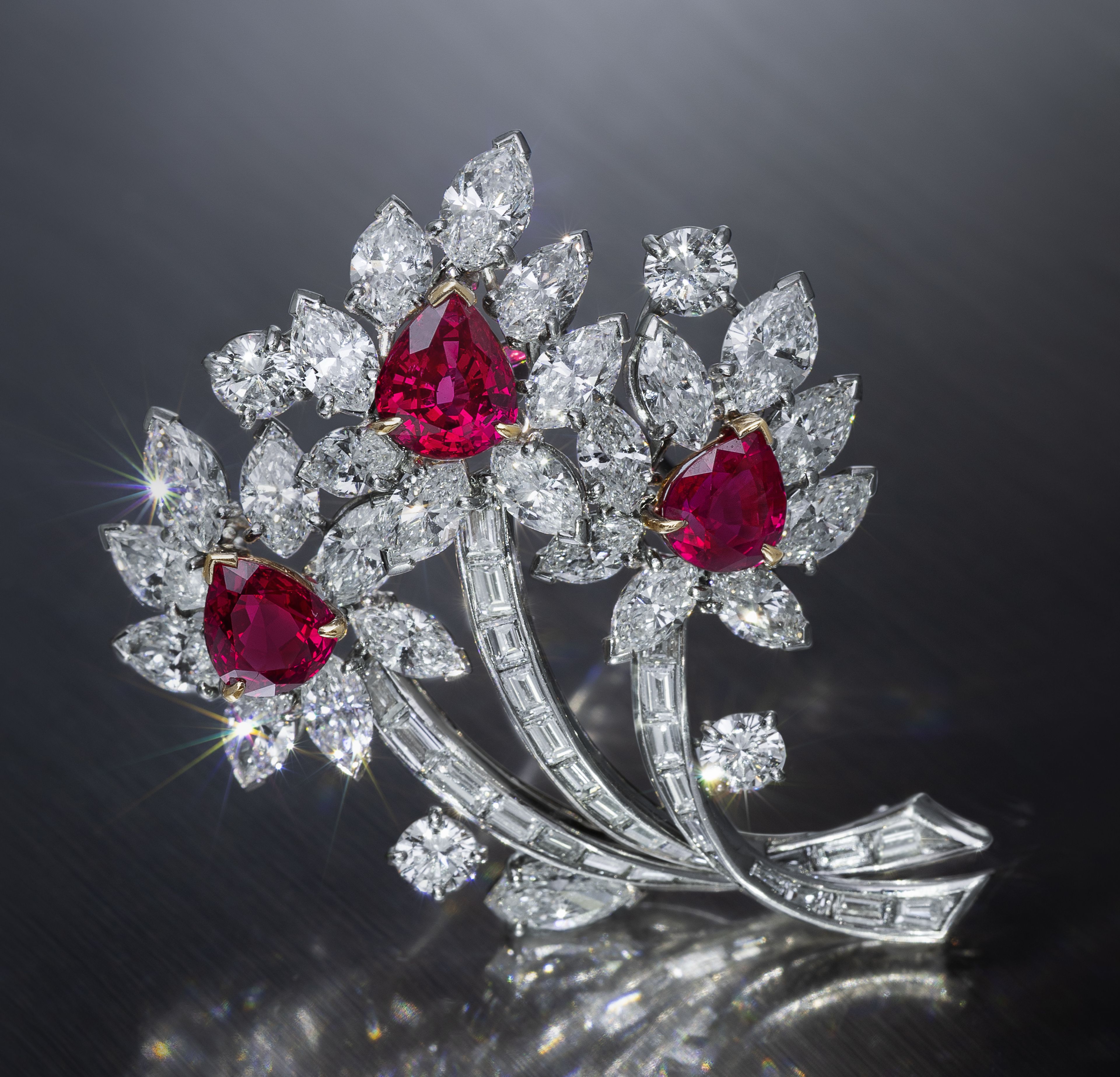
On September 16, Freeman’s | Hindman will have the distinct honor of presenting Important Jewelry, including property from the Collections of Phyllis Pressman and Carol Hardin Davis, together with the jewelry of other esteemed collections from across the country. With the phrase 'signed jewelry' taking top billing, let’s clarify what it means. Signed jewelry usually refers to a piece that bears a maker’s mark or signature of the designer, manufacturer, or house behind the jewelry. This small mark on the back of a piece can increase its value. Some marks are more significant than others because their presence shows that the piece was created with the highest standards of design, craftsmanship, and stone selection. Therefore, purchasing signed jewelry at auction is a wonderful way to start building a jewelry collection or to confidently make the step toward a five- or six-figure purchase. TO BE OFFERED SEPTEMBER 16, CHICAGO | Cartier, diamond and sapphire 'panthère' hoop earrings | $25,000 – 50,000 Panthère is synonymous with Cartier, one of the most highly collectible jewelry houses. Jeanne Toussant’s 1940s design is amongst the house’s most iconic, whether in the three-dimensional form of the powerful, graceful feline or simply the pattern of its coat executed in diamonds and gemstones or enamel. Panthère pieces have appeared in the collections of the Duchess of Windsor, Daisy Fellows, and Barbara Hutton. The earrings from the Collection of Phyllis Pressman—a member of the family behind Barneys New York—are hoop designs of pavé-set diamonds accented by calibre cut, buff top sapphire spots. These earrings are emblematic of Phyllis Pressman’s discerning and sophisticated eye. TO BE OFFERED SEPTEMBER 16, CHICAGO | An Important Van Cleef & Arpels, Burmese Ruby and Diamond Brooch | $50,000 – 70,000 An Important Burmese Ruby and Diamond Floral Spray Brooch by Van Cleef & Arpels, from the collection of Carol Hardin Davis, exemplifies a classic, glamorous, feminine design of the mid-20th century. With a clientele that included Elizabeth Taylor and Grace Kelly, the house of Van Cleef & Arpels is renowned for its use of high-quality diamonds and gemstones—Burmese rubies, displaying no evidence of heat treatment, are among the rarest gemstones in the world. The term pigeon blood red historically refers to rubies from Burma, which display a particularly intense red color, which is actually due to the high levels of chromium in the gemstones. The original mines have been depleted. While Van Cleef & Arpels is known for florals and other natural motifs, a piece like this brooch would have been produced in very limited quantities. This auction, scheduled for September 16 in Chicago, offers a rare opportunity to acquire signed pieces from renowned houses such as Buccellati, Bulgari, Tiffany & Co., and Harry Winston. INQUIRES: [email protected] VIEWING: September 11 – 15 1550 W. Carroll Ave, Chicago, IL
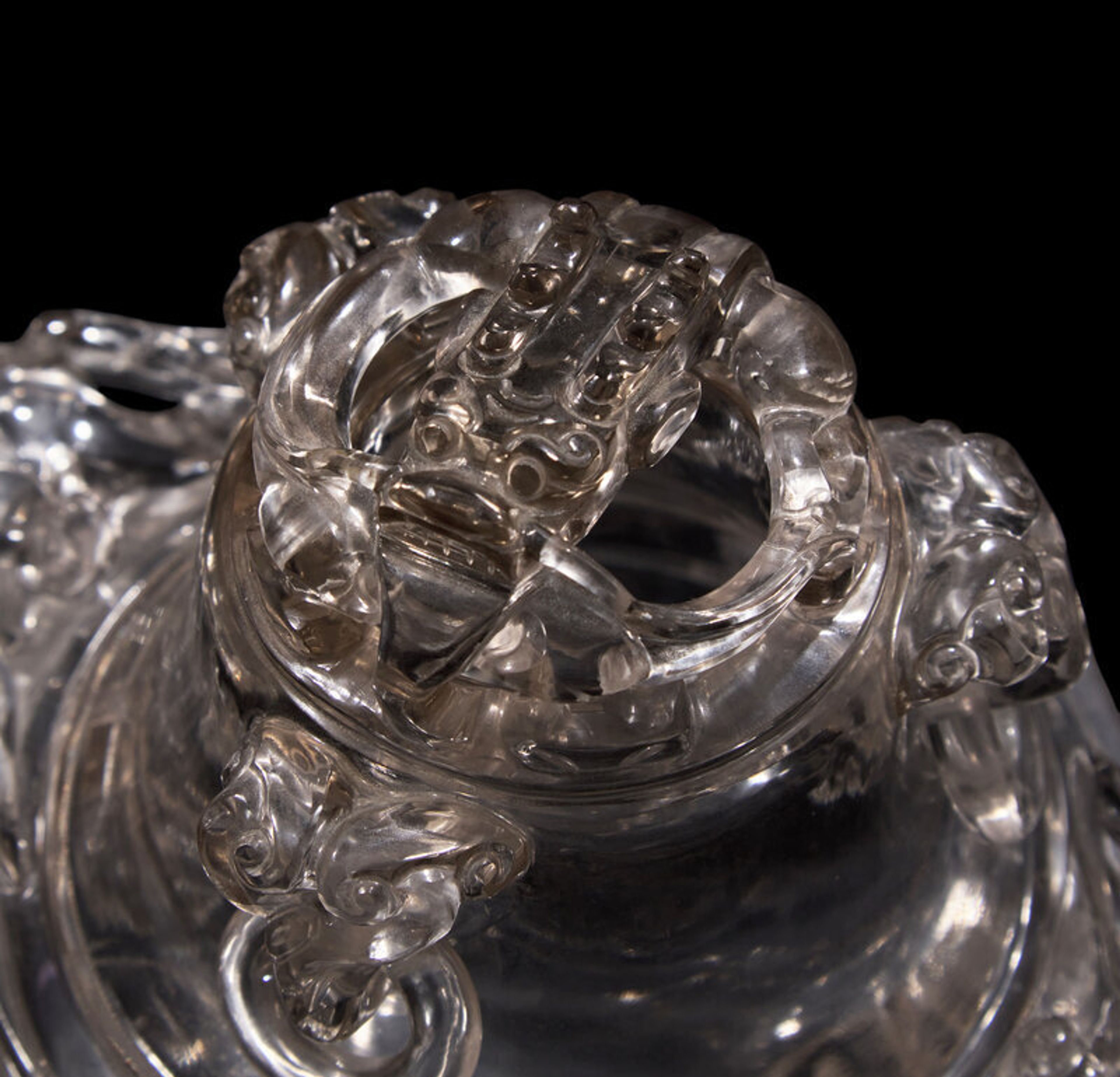
Praising Crystal By Wei Yingwu (Tang Dynasty 618-907 CE) “Reflecting objects, it takes their hues; Embracing emptiness, no form shows through. Held up to the bright moon, Its glitter fears to melt to dew.” (映物隨顔色,含空無表裏。持來向明月,的爍愁成水。唐.韋應物〈詠水精〉卷 193) In ancient China, rock crystal was imbued with poetic reverence. The Tang poet Wei Yingwu (韋應物) offers a meditation on the metaphysical nature of rock crystal, blending sensory observation with philosophical depth. Mythological texts from the Jin dynasty (266–420 AD) further elevated the status of rock crystal. According to the Records of the Supernatural (Soushenji搜神記), the immortal Chisongzi (赤松子) consumed crystal referred to as “water jade” (服水玉,能入火自燒), so “the Legend gained extraordinary abilities: immunity to fire and the power to travel freely between heaven and earth.” Archaeological evidence reveals the early use of rock crystal in China. A Neolithic-era crystal earring, exquisitely polished and unearthed from a Lingjiatan culture site (3800–3300 BCE) in Anhui, attests to ancient artistry. By the Warring States period (476–221 BCE), advancements in sourcing larger materials led to creations like the 2,500-year-old rock crystal cup collected in Hangzhou Museum—a national treasure whose sleek, almost modern design continues to astonish. Yet it was not until the Qing Dynasty, particularly during Qianlong period (1736-1796 AD) that scholarly artworks in crystal flourished, reaching their zenith of refinement. TO BE OFFERED SEPTEMBER 19, NEW YORK During Asian Art Week 2025, Freeman's | Hindman will present an exceptional single-owner collection of Chinese rock crystal vessels and scholarly items, acquired between 1986 and 1996. Highlights include an 18th/19th century ruyi scepter adorned with lingzhi motifs, comparable to an 18th-century example in the Heber R. Bishop collection at the Metropolitan Museum of Art, New York; a rare Qing dynasty censer featuring an unusual openwork domed cover, evolved from earlier jade prototypes such as one housed in the Palace Museum, Taipei (故玉000882N000000000); an elegant small Qing dynasty vase and cover flanked by lingzhi, similar to a coverless example in Taipei (故雜000133N000000000); and a floral vase whose composition references late Qing designs such as a Victoria and Albert Museum lidded vase (724 to B-1903), accessioned in 1903 from the W. H. Cope collection. TO BE OFFERED SEPTEMBER 19, NEW YORK A Small Chinese Rock Crystal Vase and Cover with Wood Stand, Qing Dynasty 清 水晶靈芝如意小蓋壺 | $1,000-2,000 A Chinese Rock Crystal Censer and Openwork Cover, early 20th Century 二十世紀初 水晶鏤空龍紋銜環香爐 | $1,500-2,500 The legacy of Chinese rock crystal collecting owes much to visionary Western connoisseurs such as Heber R. Bishop, whose monumental 1902 bequest of Asian decorative arts—including jades and carved hardstones—formed the cornerstone of the Metropolitan Museum’s holdings; and Major General and Mrs. William Crozier, whose 1944 donation of exquisite Chinese art, including imperial crystal objects, enriched the Philadelphia Museum of Art. These rock crystal vessels and scholarly items offer a rare opportunity for collectors to acquire works often overlooked by many connoisseurs—it is a privilege to see these precious gems shine again. INQUIRES: [email protected] VIEWING: September 12-13, 15-18 32 East 67th St, New York, NY
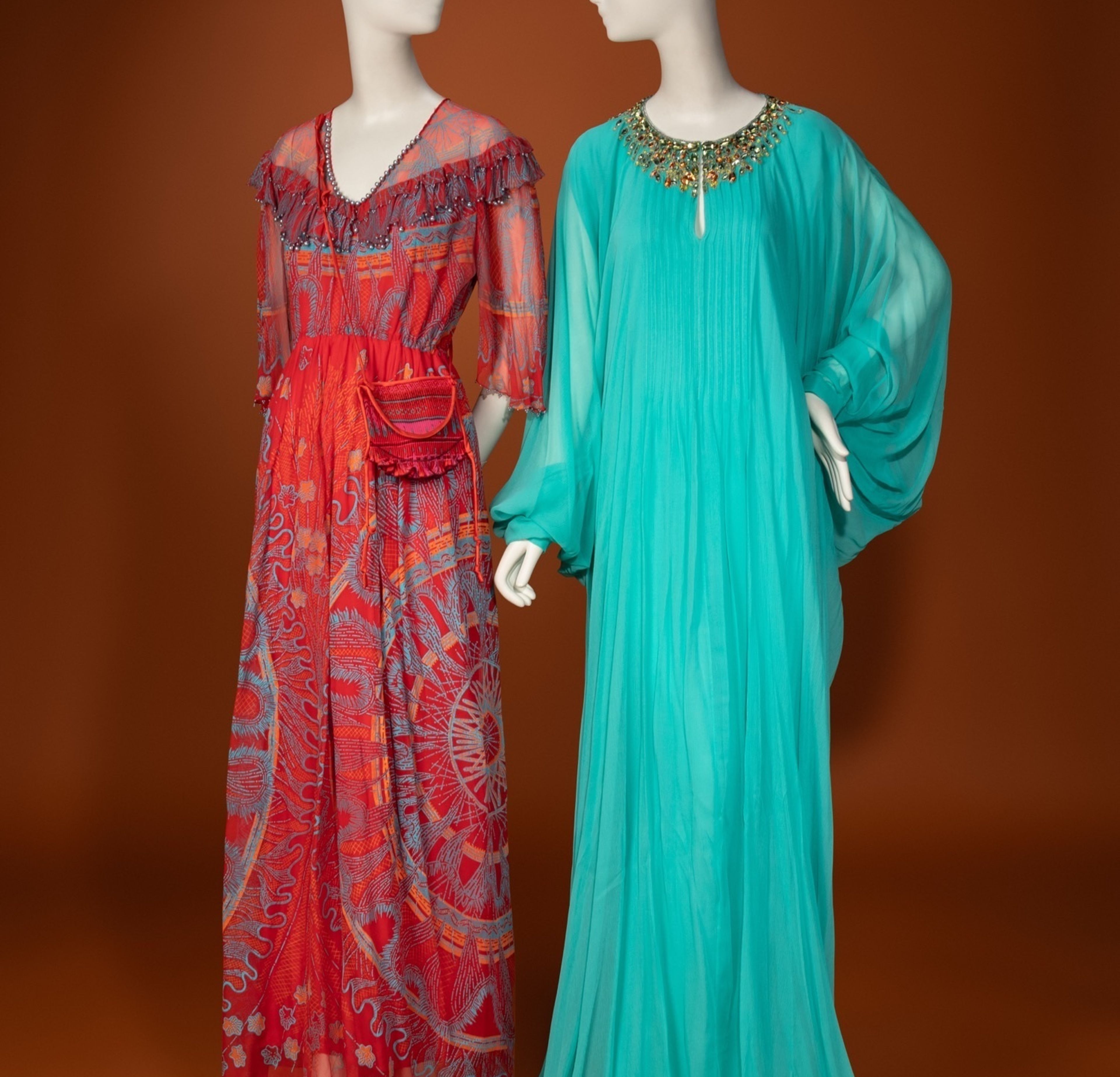
Maureen Dywer Smith, a respected Chicago civic leader and philanthropist, cultivated a wardrobe that reflected both sophistication and an eye for exceptional design. Her couture collection brings together garments by Ralph Rucci, Karl Lagerfeld for Chanel, and Emilio Pucci, paired with handbags from Chanel, Judith Leiber, and Hermès—pieces that speak to timeless style and impeccable taste. Select pieces from Mrs. Smith’s refined wardrobe—curated with both elegance and practicality in mind—will be featured across three luxury auctions at Freeman’s | Hindman: Fall Fashion, Holiday Lux, and The Holiday Edit. More than a style icon, Maureen Dywer Smith was a dedicated patron of the arts, founder of the Joffrey Ballet Women’s Board, and a beloved figure in Chicago’s cultural and philanthropic circles. TO BE OFFERED SEPTEMBER 12, CHICAGO | Hermès, Kelly 32 in Noir Box Leather | $4,000-6,000 Mrs. Smith was born in New York City on February 7, 1945, and grew up in New Rochelle, New York. She graduated from the Ursuline School before earning a B.A. in Painting and Studio Art from Newton College of the Sacred Heart in 1966. After college, she pursued graduate studies at The New School for Social Research in New York, focusing on the linguistic philosophy of Ludwig Wittgenstein. Mrs. Smith began her professional career in advertising at Benton & Bowles in New York. In 1968, she joined American Heritage Publishing Company, later Horizon Books as an associate editor. There, she researched and contributed to the writing and editing of seventeen art and history books, covering topics as diverse as Colonial America, Russia, and China. TO BE OFFERED SEPTEMBER 12, CHICAGO | Emilio Pucci, Fuchsia Embellished Kaftan | $400-600 In 1974, Maureen married Edward B. (“E.B.”) Smith, Jr., and moved to Chicago. While in Chicago, Mrs. Smith began a new career as a retail consultant, primarily with Marshall Field & Co., while dedicating herself to civic leadership. She served as Chair of the Board of the Joffrey Ballet, where she also founded its Women’s Board. Her leadership was widely credited with helping to establish a sound financial and managerial foundation for the Joffrey Ballet. TO BE OFFERED NOVEMBER 18, CHICAGO | Emilio Pucci, Pink Heavily Beaded Kaftan | $400-600 Mrs. Smith’s dedication to the arts and education extended to numerous other institutions. She was a Trustee of the Field Museum, the Chicago Public Library Foundation, the Museum of Contemporary Art, and After School Matters. She also co-authored 100 Masterpieces, the Art Institute of Chicago’s centennial publication. In addition, she served on the Women’s Boards of the Field Museum, the Art Institute, Rush University Medical Center, Northwestern University, the Alliance Française, the Goodman Theatre, the Lincoln Park Zoo, and the Shirley Ryan Ability Lab. Her commitment to civic engagement earned her shared awards from the Harvard Club of Chicago and DePaul University. TO BE OFFERED NOVEMBER 18, CHICAGO | Emilio Pucci, Orange Embellished Kaftan | $400-600 Mr. and Mrs. Smith built significant collections of contemporary glass paperweights and American paintings, as well as secular and religious stained-glass windows spanning eight centuries. Much of their collection is now housed in Chicago museums. INQUIRIES: [email protected]

As part of our In Conversation Series, we’re delighted to spotlight Tim Corfield, antiques expert and advisor. In anticipation of Mountain Meadow: Property from the Collection of Betty and Gordon Moore, Woodside, California, an auction to be held on October 8th, we sat down with Tim to discuss his love for English furniture and antiques, his relationship to the Moore family and their collection, and his personal favorites from their collection. Freeman’s | Hindman: Tim, how did you first develop your love and affinity for English furniture and antiques? Tim Corfield: I am the son of an antiques dealer, so antiques are in my blood! However, I am actually trained as an engineer and did not fully enter the world of antiques until I was about 30 years old. My father was a brilliant salesman and always had the ability to bring antiques to life always focusing on their history, where in the world the wood came from, and the technology of the time. I was fascinated. Hand-cut screws, for example, and how a tree was turned into timber that could be used to make furniture before circular saws were invented! Then, the whole social history of the period in which they were made, and how they were used. However, I was not a born 'dealer;' buying low and selling high did not suit my character. So, I ultimately became an expert advisor for hire, and Gordon and Betty were one of my first clients. FH: Can you tell us how your relationship with the Moore family began? What was your connection like over the years? TC: Strange though it might seem, the internet had not really been invented when I was first introduced to the Moores. I suppose without Gordon, there might never have been an internet! So, I was simply introduced through a mutual friend, an English lady who lived in Woodside. Gordon and Betty were on a business trip to Europe, to explore the possibility of opening a facility in Ireland, as it turned out, and had just bought Mountain Meadow and wanted to furnish it with predominantly English antiques. When I first met them, I had no idea ‘who they were.’ These days, when introduced to a new client, googling them is hard to resist, but to me, at that stage, they were just a charming couple who were friends of a friend! In fact, when they first arrived, they asked me to book them into a modest hotel, and I sent them to a friend of my Mother who ran a B&B as part of the Wolsey Lodge group. They loved it! From then on, we became firm friends and Betty used to call me almost every day, at supper/kids bedtime, in the UK, which was mid-morning for her, and we would discuss pieces I had seen in my travels and items coming up for auction that they might like. FH: Which pieces from their collection are personal favorites of yours, and what do you think gives the collection its enduring appeal? TC: The pieces I remember acquiring most fondly have to be the Water Clock. I have never seen another of these. Made in Scotland and the dial inscribed The Duke of Gordon, which tickled Gordon, it needs a constant supply of water to run, however, with this it keeps extremely accurate time in that the movement is designed as a ‘regulator’ with very few moving parts, but each precision made. Because Mountain Meadow was being fully modernized, they were able to install the water supply, and it has run ever since. Gordon’s love of engineering also drew him to another long case clock which has a full miniature organ movement enabling it to play tunes on the hour. Getting this restored and fully operational was a memorable task! Betty shared my love of carved Chippendale tripod tables, and the collection includes a number of these. The silver collection was built towards the end of the process, and it contains a very good so-called Beer Jug, and a Paul Storr water cistern. FH: Tim, can you tell our readers, as an antiques expert and advisor, what a typical day looks like for you? TC: My typical day starts with looking through the latest auction catalogues that hit my email inbox. I am always on the lookout for special pieces which may be at out-of-the-way auctions, and anything that might suit a particular client. Having done that, I will need to plan to view the pieces in person to assess just how good they are prior to contacting the clients to see if they like the look of it too. Then we have to discuss the knotty issue of what it is worth, and how much restoration has been, or will need to be done to it, finally deciding on how much to bid for it. These days, I seldom attend the actual auction, which is a shame, as they used to be fun; I prefer to bid online or on the phone. The other part of my job involves supervising restoration, which often requires visiting workshops and studios. Finally, we supervise installation/delivery of pieces to our clients' homes, so I am frequently on-site visits to beautiful houses like Mountain Meadow.
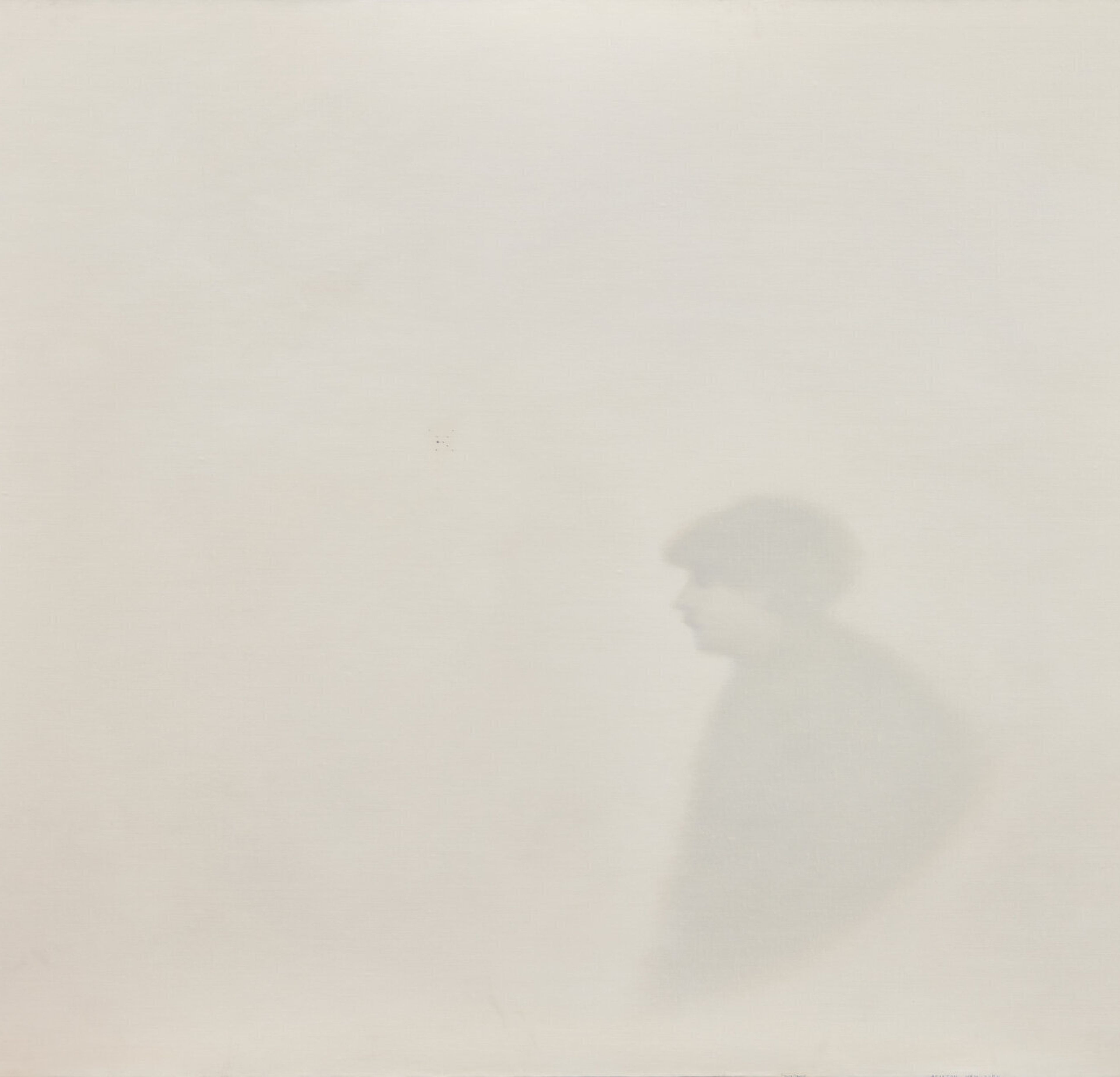
Freeman’s | Hindman was honored to present a selection of Thomas Chimes’ work in Tuesday’s Art + Design auction, which achieved a strong showing with spirited bidding. The collection spanned the artist’s career and represented the major touchstones of his artistic production. Chimes’ practice often blended elements of Surrealism and Abstraction, while exploring a deeply personal aesthetic, rooted in philosophical and literary theories and motifs, and engaging the irrational and the absurd. Creating paintings, drawings, etchings, and sculpture, the artist often depicted dream-like landscapes, geometric shapes, and enigmatic symbols, challenging viewers to investigate the boundaries of reality with him. Simultaneously embodying complexity and simplicity, Chimes' work continues to resonate with collectors and art historians alike. Thomas Chimes (American, 1921-2009) | IAMBOS I, 2008 | Sold for $10,880 Over the course of his life and career, Thomas Chimes made the pursuit of his authentic voice his work, reinventing himself in the process as he moved through different phases. Chimes’ sensitivity to his time and cultural milieu expressed itself in different modes, outlined in Michael Taylor’s seminal exhibition catalogue for the retrospective exhibition at the Philadelphia Museum of Art in 2007, Adventures in ‘Pataphysics, as: Crucifixion Paintings, Metal Boxes, Panel Portraits, and White Paintings. Freeman’s | Hindman presented engaging works from each of these groups, elucidating the extraordinary depth of the artist’s work throughout his life. While Chimes’ literary and philosophical source material can appear esoteric and conceptual, his paintings remain personal, authentic, and enlightening. Thomas Chimes (American, 1921-2009) | R.L. Stevenson, 1976 | Sold for $8,960 Freeman’s is a premier American auction house offering services in multiple categories including fine art, jewelry, design, books and manuscripts, furniture, decorative arts, antiquities, couture, and Asian works of art. With 16 regional locations nationwide, the firm provides auctions, appraisals, private sales, and art advisory services, connecting clients to the global art market. Freeman’s strives to bring art, history, and design to life by connecting people with extraordinary objects through exceptional service and expertise.
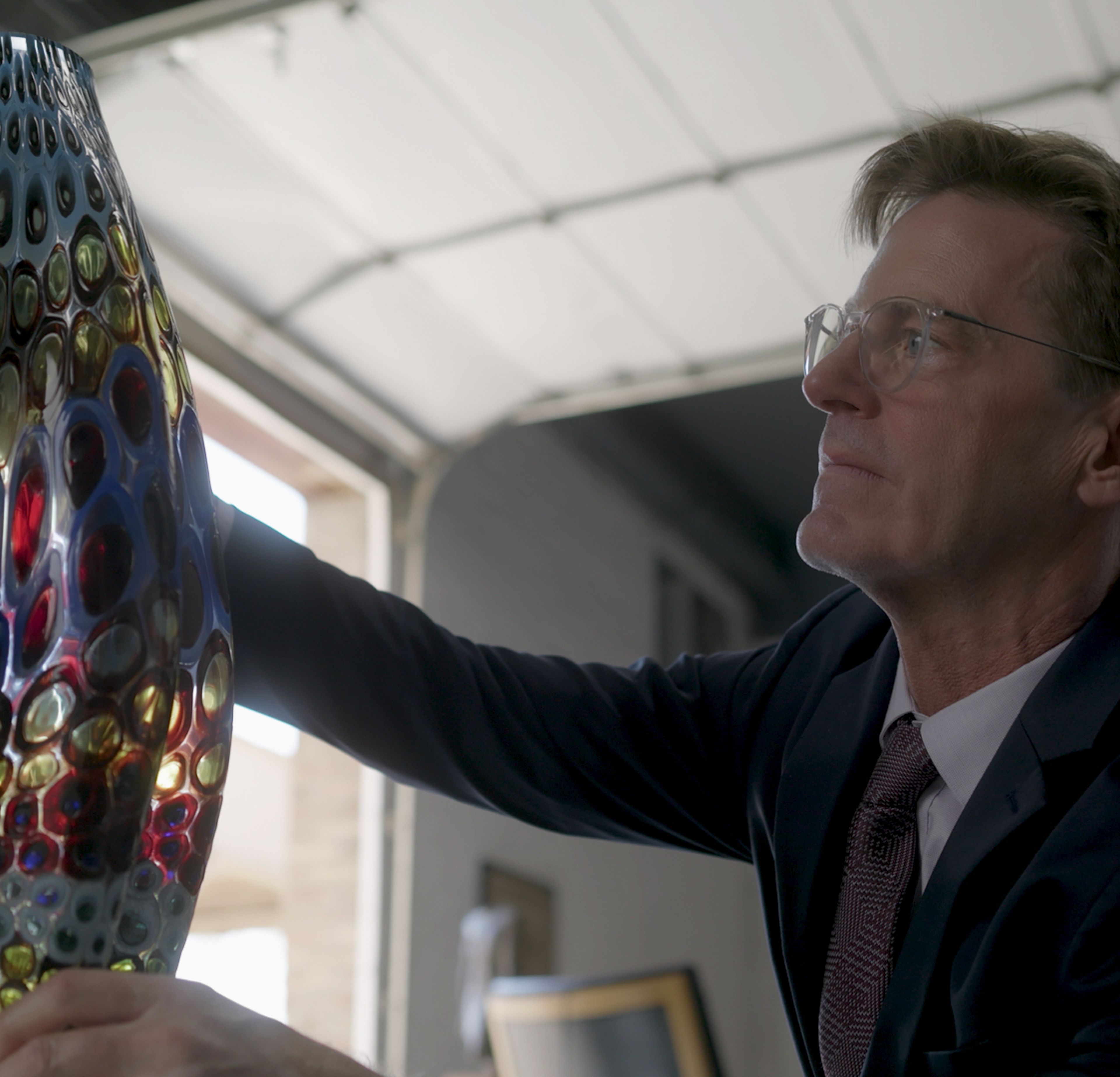
Join us as we spotlight Roger Ward, Head of our Design Department. Learn about his journey in the world of design, notable achievements at Freeman’s | Hindman, personal collection favorites, and highlights of our upcoming Art + Design auction, to be held this August 19th. Freeman’s | Hindman: What originally attracted you to the world of design? Do you have an early memory tied to this form of artistry? Roger Ward: A college friend who was studying architecture built a replica of Red and Blue Chair by Gerrit Rietveld that really blew my mind, and she also sent me a space-age clock from the famed Clignancourt flea market in Paris. She taught me that design permeates everything in our daily lives. Why not surround yourself with objects that inspire you? FH: What is your favorite piece of design that you own? RW: A brutalist ceramic table lamp by Marcello Fantoni that’s really a piece of functional sculpture. Some (okay... most) may describe it as ugly, as it looks a bit like a cross-section of a brain. But to me, it’s beautiful. I’ve owned it for 20 years and finally found a matching one at the Palm Springs Modernism show this spring. As the saying goes, two brains are better than one. FH: What drew you to becoming a specialist and translating your passion into your career? RW: I’ve always been a puzzle solver, so researching pieces to figure out the designer/history is somehow fun to me. I started as a picker with an antique mall space and eventually opened a vintage modern store in Brooklyn. So, I was an auction buyer for years prior to transitioning to working for an auction house. FH: Tell us about some trends in the world of design that you are most excited about. RW: Tastes have really changed over the past five years as the focus has moved from the 1950s/60s into the 1970s/80s. Postmodernism seems to be finally finding its footing in the market, although I find it’s the most mis-used design term on Instagram. FH: Describe a typical workday for you at Freeman’s | Hindman. RW: Coffee. Then addressing emails before I dive in to putting estimates together. More coffee. Because most of my time is interacting with consignors, I try to spend some time each day connecting with buyers, and also checking out what else is selling at auction. Looking through an auction catalog to me is like going to a museum. I am continually amazed that after 25 years in the antiques world I still see things I’ve never seen before. FH: Can you describe a collection of design that you are proud to have brought to auction? RW: A collection from Denver and Aspen that features a really eclectic but curated mix of design, art, jewelry and pottery. The consignor, who was an executive at an energy company, had clearly developed her eye over decades and it was obvious that her collecting brought her great satisfaction. We will be running several of her post-modern pieces in our November Design sale, as well as in the upcoming August Art and Design sale. FH: Freeman’s | Hindman’s Art + Design sale will take place this August 19th in Philadelphia. Can you tell us about some of your favorite lots in this sale? RW: The paintbrush chairs by David Krakov (lots 9-12) have that right mix of wit and whimsy. The Morigami Jin bamboo sculpture (lot 83) is a compelling example of an ancient craft with a modern twist. And the ceramic bowl by Otto and Getrud Natzler (lot 157) really showcases their exquisite craftsmanship, and the mottled glaze is simply mesmerizing.
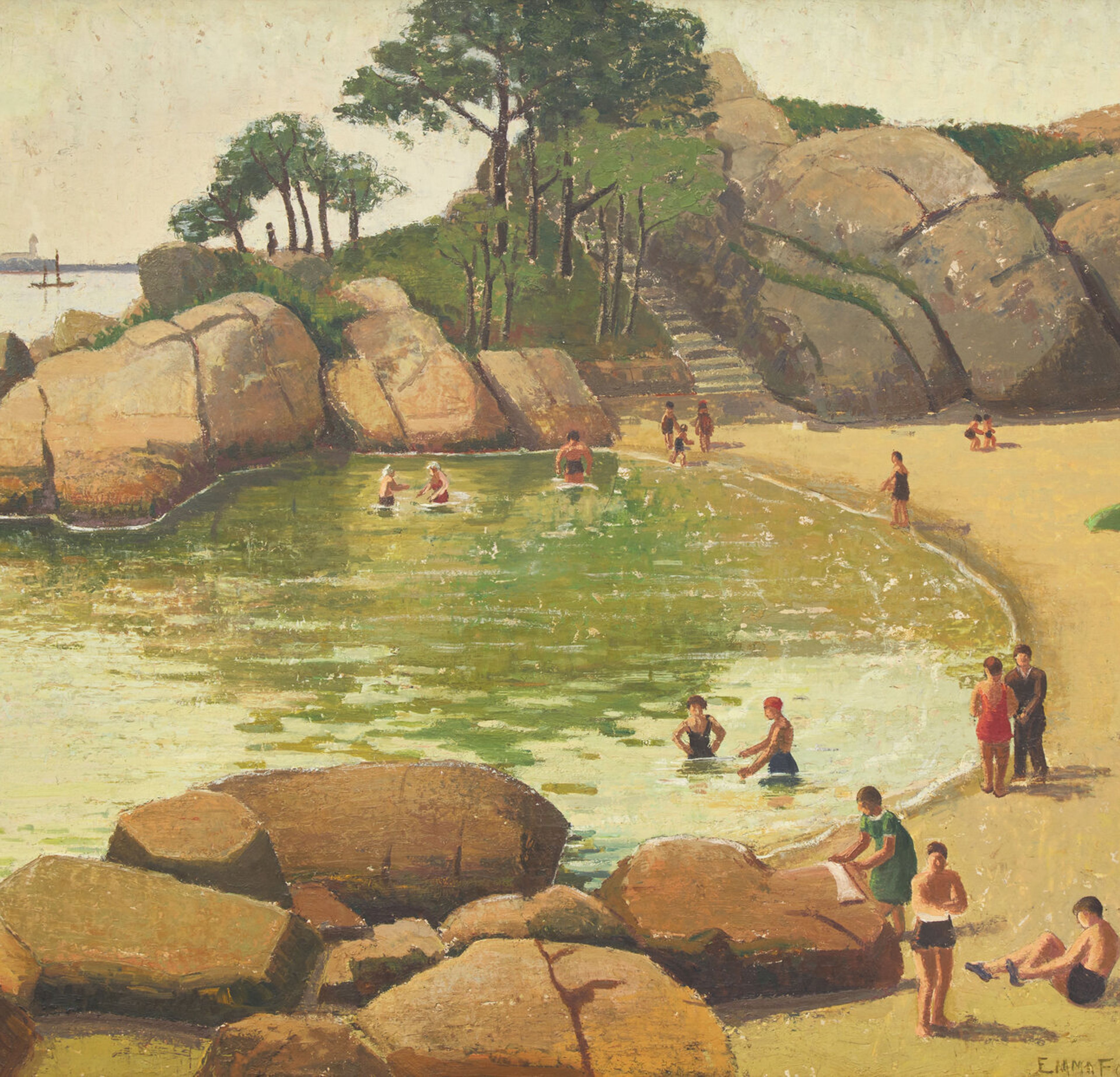
Half Moon Beach (Green Umbrella), currently on view at Freeman's | Hindman’s 32 East 67th St Manhattan galleries A Summer Exhibition in New York from August 11 to September 12 This summer, Freeman’s Hindman will present “The Modern Weaver,” a focused retrospective staged in New York City that reintroduces the refined, often enigmatic work of Emma Fordyce MacRae. Featuring a selection of a dozen works consigned directly from the artist’s estate through Alzheimer’s Research UK, the exhibition offers a rare opportunity to engage with paintings that have remained largely unseen by the public. Most of the works on view will be offered for sale later this season, with 100% of proceeds benefitting ongoing research into Alzheimer’s disease and other forms of dementia. Spanning four decades of artistic production, the exhibition surveys MacRae’s sophisticated visual language, one that wove together elements of classical composition, East Asian aesthetics, and modernist restraint. As such, it offers a rare and comprehensive look at one of the 20th century’s most stylistically distinctive, yet historically underrecognized, American modernists. A Painter of Pattern, Mood, and Mystery Self-Portrait in Brown (1925), sold at Freeman’s | Hindman for $21,420 in 2022. Born in Vienna in 1887 to American parents, Emma Fordyce MacRae trained at the Art Students League and the New York School of Art, where she studied under Kenneth Hayes Miller, a pedagogue renowned for emphasizing compositional rigor and design over expressive gesture. These lessons profoundly shaped MacRae’s approach, fostering a lifelong commitment to structure, balance, and surface modulation. She began exhibiting in 1918 at the Pennsylvania Academy of the Fine Arts and soon went on to become a vital member of The Philadelphia Ten, a collective of women artists who, from 1917 to 1945, carved out their own legacy by exhibiting their work together in order to counterbalance the male predominance in the art world. Dogwood in Hopi (1954), currently on view at Freeman's | Hindman’s 32 East 67th St Manhattan galleries As her work evolved, MacRae carved out a personal idiom that reflects a transhistorical fusion of influences: the decorative elegance of Japanese woodblock prints, the compositional clarity of early Italian Renaissance painting, and the graphic design sensibility of American urban realism and Modernist design principles. A Singular Voice While best known today for her floral still lifes (often set against stylized domestic backdrops) her portraiture remains her most critically lauded body of work. A reviewer for the Main Line Times once observed about those: “Her portraits are arresting, not because of the people (...) but because of the extraordinary sense of pattern and harmony of time. They are simple but forceful compositions.” It is true that MacRae’s portraits transcend realism. Her figures often appear stylized, emotionally opaque, and anchored within meticulously rendered spaces. The result is a synthesis of cultural traditions that lends her work a visual stillness—and a psychological ambiguity—that separates it from her peers. Timeless Texture Distant Mountains (1938), currently on view at Freeman's | Hindman’s 32 East 67th St Manhattan galleries While many of her contemporaries pursued lush impasto and expressive brushwork, MacRae favored a minimalist application. Her use of paint was sparse, almost dry, revealing the grain of the canvas beneath, lending her surfaces a plaster-like delicacy. This sparse approach, as one critic observed, imparted a “cool, detached… almost impersonal note,” contributing to the timeless quality of her work. Iris Decoration, sold at Freeman's | Hindman in 2022 for $30,204 Easter Lilies, sold at Freeman's | Hindman in 2024 for $27,940 At a 1930 exhibition at the Roerich Museum in New York, writer Frances R. Grant noted: “A loveliness of old textures constantly suggests itself in the work of Emma Fordyce MacRae... her paintings transmit the warp and woof of color and light, until her mood is delicately and subtly created.” A Market Reawakened Caption: From left to right: “Stelka” (1929), sold for $69,300 in 2022 (still a world record for the artist); “Melina in Green,” sold for $63,000; “Interior with Red Tapestry,” sold for $40,950. Though she exhibited widely during her lifetime, specifically in New York, MacRae was not a prolific seller. For decades, her market remained relatively quiet save for episodic sales at Richard York’s galleries in Manhattan. Many of her paintings remained in family holdings in the United Kingdom, limiting their visibility in the United States. That changed in 2008 with the succesful Cape Ann Museum restrospective, and even more in 2021 when Freeman’s introduced her to a new generation of collectors on the open market. That year, the house set a record with Melina in Green, followed six months later by Stelka which shattered that record at $69,300. The latter, a richly stylized 1929 portrait that won a gold medal at the National Arts Club, was acquired by the James A. Michener Art Museum, a leading institution in the reassessment of women artists of the Delaware Valley. According to Dr. Laura Turner Igoe, Chief Curator: “In recent years, we have focused our efforts on acquiring work by women affiliated with the Philadelphia Ten... Recent acquisitions of Emma Fordyce MacRae’s Stelka allows us to feature more of the women affiliated with this group on our gallery walls.” Such institutional acquisitions mark a significant shift in the reception of MacRae’s work, validating her contributions not only to the history of American modernism but also to feminist art historiography. A Legacy Renewed As renewed academic and market interest converge, MacRae’s work is finally gaining recognition for its unique synthesis of past and present, East and West, structure and emotion. Alasdair Nichol, co-Chairman of Freeman’s Hindman, recalls: “While I always revered her work, I didn’t have much luck with her paintings initially... But scholarship around the Philadelphia Ten—and Pennsylvania women artists in general—has finally caught up with her talent.” MacRae lived and worked in New York for much of her life—residing at 888 Park Avenue and maintaining a studio at 12 West 69th Street until her death in 1974. It is fitting, then, that this current exhibition is held in Manhattan, allowing visitors to experience her refined visual world in the city where much of it was conceived. Through portraits, still lifes, and interiors, Emma Fordyce MacRae: The Modern Weaver reintroduces a singular voice in American painting—one whose restraint, formal clarity, and transcultural sensibility place her firmly within the lineage of early modernist innovators. Central Park Restaurant sold at Freeman's | Hindman in 2023 for $22,680 As curator Raphaël Chatroux puts it: “This exhibition does not merely reclaim MacRae’s place in history; it underscores her enduring relevance in contemporary dialogues around gender, design, and the quiet power of painting.”
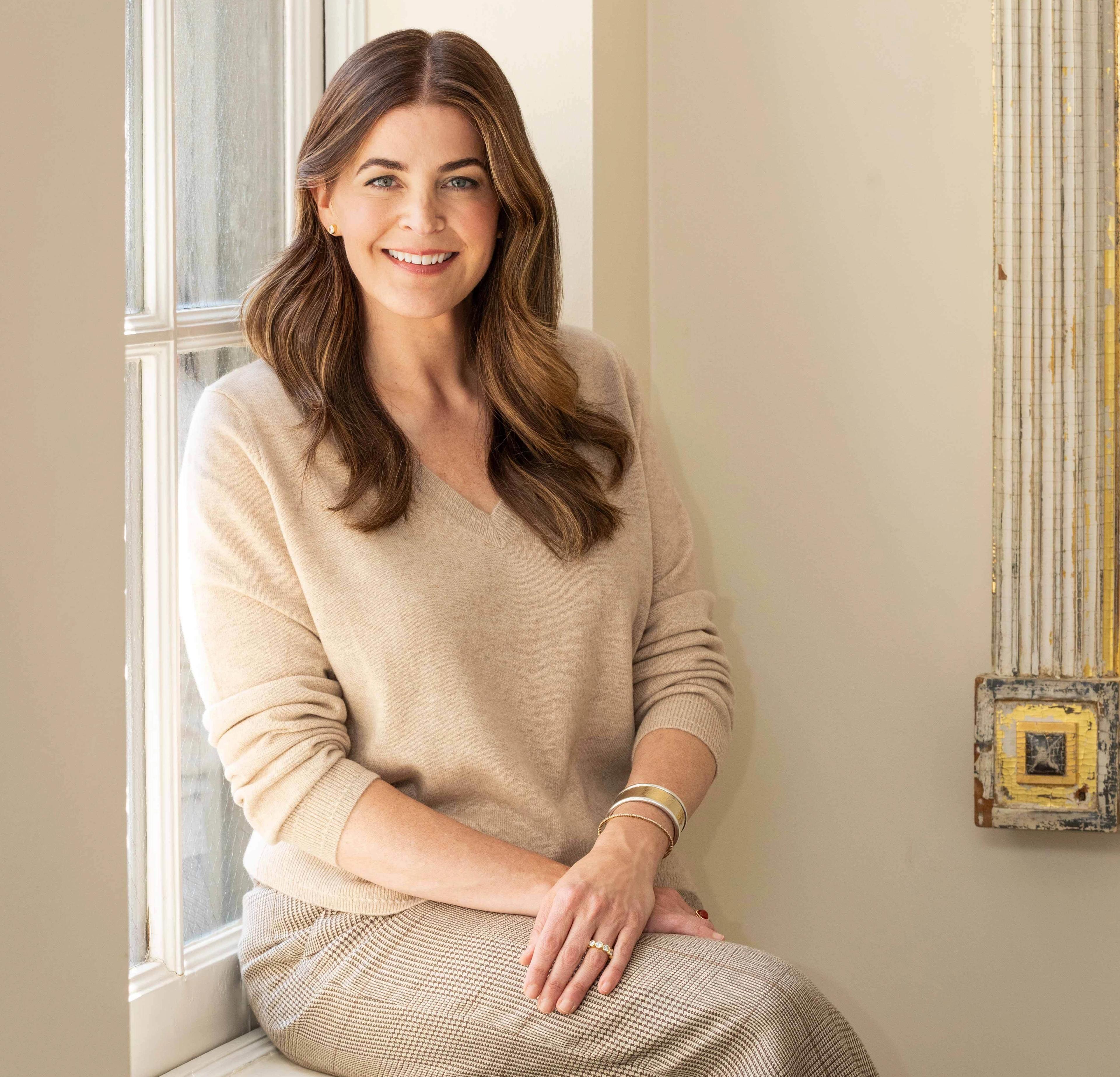
Ahead of Interiors – Including The Hamptons Design Edit, sold to Benefit East Side House Settlement, join Gemma Sudlow, Managing Director of the New York Region, as she speaks with renowned Interior Designer Elizabeth Lawrence of Williams Lawrence. Read as they discuss Lawrence’s interior design practice and her generous donations to the auction. Gemma Sudlow: It was such a pleasure working with you and your team to style some photographs of these gorgeous donations in our East 67th Street gallery! It seemed so intuitive for you to work creatively with material that you didn’t select – do you often have to work with a client’s existing collections? How does that work? The Hamptons Design Edit, Styled by Williams Lawrence Elizabeth Lawrence: I often work with a client’s existing pieces and encourage them to use what they have. Your home is a personal experience, and incorporating pieces with a connection or passed down from family members makes it truly unique. I have worked on several projects where clients have wanted to move in and use the house while we collaborate with the architect on construction plans. My team and I will end up moving in the client's existing pieces and set up the house to be used — it’s like a big jigsaw puzzle. It’s really rewarding, and from there, we can make a list of what needs to be purchased, recovered, and restored. This also allows the client to live in the space and figure out exactly how they will use it, which provides helpful information for me and the architect as we work on the plans. My clients are often surprised by how their pieces are given a new life in the new space, and sometimes a different way to be used. It was a very similar experience setting up this space to display the auction items. When you see all the pieces piled in one room, people find it overwhelming, but once you make sense of it and create seating groups, it brings life to the pieces. This is critical for clients who struggle with visualizing how a space will look; they can see how beautifully the large hand-painted screen works with the modern lacquer coffee table and chairs. While they may not purchase every piece, they can start to dream about how these pieces could work with their existing furniture, helping them to make an educated purchase. GS: What are you seeing as current trends in the design world? You mentioned loving auction finds. Do all your clients share that passion? The Hamptons Design Edit, Styled by Williams Lawrence EL: I don’t pay too much attention to trends. I want to ensure we provide clients with a house that reflects their desires and will stand the test of time, one that will not look dated. This is where auctions can play a significant role: the thrill of the hunt and finding those special pieces that make a client's home stand out from their friends' and reflect their lifestyle. I’m not just going to pick everything at one time. I want the time and space to find the one-of-a-kind items. I really believe you have to make sure you don’t just decorate with fabrics; you need to make sure there is interesting furniture and attention to architecture. I love looking at the auctions and have found so many great things over the years. Auctions are a wonderful resource for designers. GS: You have been involved with The Winter Show now for some time and collaborated as one of the design co-chairs. What inspired you to participate in this auction? EL: First and foremost, East Side Settlement House is a great and important cause to support, and Helen Allen, the Director of the Winter Show, is a great collaborator with both the dealers and designers. It is also a show that I can remember attending from the beginning of my career. Young Collector’s Night never made me feel intimidated about talking to the dealers and learning more about their pieces. It’s a great way to get exposure to amazing things when you are first starting in the industry. GS: Williams Lawrence generously donated a pair of faux bois cast metal jardinières, Robert Jackson's Untitled (Landscape from a Balcony), and an English porcelain polychrome-painted and parcel-gilt compote– thank you! If you could choose two other items from the sale, what appeals to you and why? The Hamptons Design Edit, Styled by Williams Lawrence EL: The modern lacquer coffee table is a standout piece that could be mixed in so many spaces — the color is lovely. The four green, rounded-back, upholstered chairs are a favorite of mine. I love a round back chair. It is more interesting to walk into a room with a pretty back of a chair to look at, and they are really comfortable. There is something kind of 1950s Mad Men loungey about them. They are cool. GS: Instagram tells me there’s never a quiet day at Williams Lawrence! What are you most excited about this fall, both personally and professionally? EL: I am really looking forward to the installation of a project I have been working on in collaboration with Ferguson & Shamamian for a lovely client in Connecticut. Bunny and I are busy working on our next book. It’s been a long time since we have put out a book on our work, and there is a lot to share. My daughter will be starting pre-school in the fall and my husband and I are looking forward to all the fun activities and new connections. It will be a busy time with so much to look forward to. Photo Credit: Lesley Unruh

Freeman’s I Hindman is excited to announce our inaugural collaboration with Festival Napa Valley, which is set to present its Summer Season at venues throughout Napa Valley, July 5-20. Jon Batiste, Joyce DiDonato, Versailles Royal Opera, Stéphane Denève, and Tiler Peck lead a lineup that showcases over 200 international stars and emerging talent across classical, jazz, opera, contemporary, and dance productions, paired with Napa Valley’s unparalleled food, wine, and hospitality. Attendees can look forward to a wide range of events, from admission-free daily concerts to exclusive dinners and luncheons for Patron Pass holders. Family-friendly programs, a film series tribute to Ennio Morricone, and a new one-day gathering focused on the science of music and wellness make Napa Valley the place to be this July. Jon Batiste, Copyright Jen Rosenstein Crowning the opening weekend of Festival Napa Valley’s Summer Season, the Arts for All Gala is one of the nation's premier fundraisers for education and the arts. Proceeds fund programs that empower youth through music education and wellness, as well as free and affordable concerts, and scholarships. Arts for All Gala at Nickel&Nickel, Credit Bob McClenahan Ahead of the Gala on July 13, Freeman’s I Hindman CEO, Alyssa Quinlan, sat down with President and CEO of Festival Napa Valley, Rick Walker, to discuss how music, wine, and philanthropy come together in this unique experience in the heart of the Napa Valley each summer. Alyssa D. Quinlan: Rick, I’ve always had a personal passion for classical music! So, it’s a dream come true that members of our auction team will be working alongside your community this July to support this incredible event and philanthropic auction on gala night. Tell us more about the genesis of Festival Napa Valley and how you became involved. Rick Walker: I came to this work through a love of the arts. Earlier in my career as an entertainment lawyer, I had the privilege of working closely with artists and saw firsthand how transformative the arts can be. At the time, Napa Valley didn’t have much of a cultural scene. Margrit Mondavi, a close friend and visionary arts advocate, told me a world-class destination needs world-class music and art. That stuck with me. With her encouragement and the support of the vintner community and countless others, Festival Napa Valley was born! AQ: As an auctioneer myself, I’m always endlessly curious about what special auction lots are being offered. Tell us more about some of the incredible items you will be auctioning off this year and how one can participate. RW: We’ve curated a lineup of truly magical, one-of-a-kind experiences. Music of Manhattan with Cardinale features a private concert with Wynton Marsalis at the legendary Café Carlyle, backstage access to Just in Time on Broadway, a Stradivarius violin experience paired with 100-point Cardinale wines, and a luxurious stay at The Carlyle. Your Good Fortune: Hong Kong & Shanghai is a luxury journey through two dynamic cities with VIP access to Art Basel Hong Kong, a private concert at Jazz at Lincoln Center Shanghai, yacht cruises, fine dining, and a day trip to an ancient water town. The French Connection is a dream Parisian escape with a stay at the private residence of vintners Kathryn and Craig Hall, dinner at Jean-Charles Boisset’s Paris home, insider access to Versailles and Palais Garnier, Michelin-starred dining, and a JCB Le Club Social membership in Napa Valley. Game, Set, Glamour! features seating in the J.P. Morgan suite for the US Open, a private tennis clinic, and round-robin play with legendary champions, fine dining, and exclusive cultural experiences. We also have a dazzling journey to Cabo and Milan with Pomellato, Milan Fashion Week with Dolce & Gabbana, and the ultimate Napa Valley automotive adventure with exotic cars and a rare wine dinner. Our Buy A Spot experiences bring together music, food, wine, and community in unforgettable ways. Voice of an Angel features opera star Angel Blue and pianist Jean-Yves Thibaudet in an intimate evening at Darioush Winery. Wine, Women, & Music is a dynamic afternoon hosted by Janet and Hailey Trefethen, with a performance by Monica Mancini, a Lafayette 148 fashion show, and a celebration of trailblazing women at Trefethen Family Vineyards. Celebrating Robin & Michelle honors renowned vintners and philanthropists Robin and Michelle Baggett and features a private performance by cellist Jonah Kim and ballerina Julia Rowe. And much more! For those unable to join us in person, proxy bidding is available. It’s a great way to support the cause and claim an unforgettable experience. AQ: Auctions alone take a proverbial ‘village’ of coordination. How do your teams across the musical, vintner and philanthropic communities come together? RW: A spirit of collaboration is at the heart of Festival Napa Valley. Vintners generously open their estates, winemakers offer extraordinary wines, and artists contribute their talents. Our amazing Board of 30 vintners, arts advocates, and community leaders is deeply engaged, and our team of talented professionals works year-round to deliver programs of the highest caliber. Everyone shares the belief that the arts have the power to transform lives, empower youth, and build a healthy and engaged community. The arts are not a luxury, but a necessity, and need to be accessible to all. Vintner's Luncheon AQ: Freeman’s | Hindman is incredibly excited to partner with Festival Napa Valley by providing bid spotters and auction support for this special event. What are other ways that organizations and individuals can get involved with what you do? RW: We’re thrilled to welcome Freeman’s | Hindman this year! Your expertise brings so much value to the event. Beyond the Gala, there are numerous ways to get involved. Individuals can purchase a Patron Pass to enjoy exclusive events, including Vintner’s Luncheons and Patron Dinners at Napa Valley’s legendary wineries and estates. Each pass includes a tax-deductible donation supporting our mission. They can also take part in our public events, including concerts and Music & Wellness programs. Organizations, foundations, and businesses can support key initiatives through sponsorship or underwriting. And we always welcome volunteers. Versailles Opera Orchestra, Copyright Pascal-Le-Mée AQ: Last but not least, tell us about your most memorable Festival Napa Valley experience and what you are most looking forward to for this upcoming year? RW: Choosing a favorite Festival Napa Valley moment is like picking a favorite child—impossible. Each year brings its own magic. That said, this year promises some truly standout experiences. I’m especially looking forward to the North American debut of the Versailles Royal Opera and to welcoming Jon Batiste to headline our Gala. The goal each year is the same: to create moments of joy, beauty, and connection and make them available to all
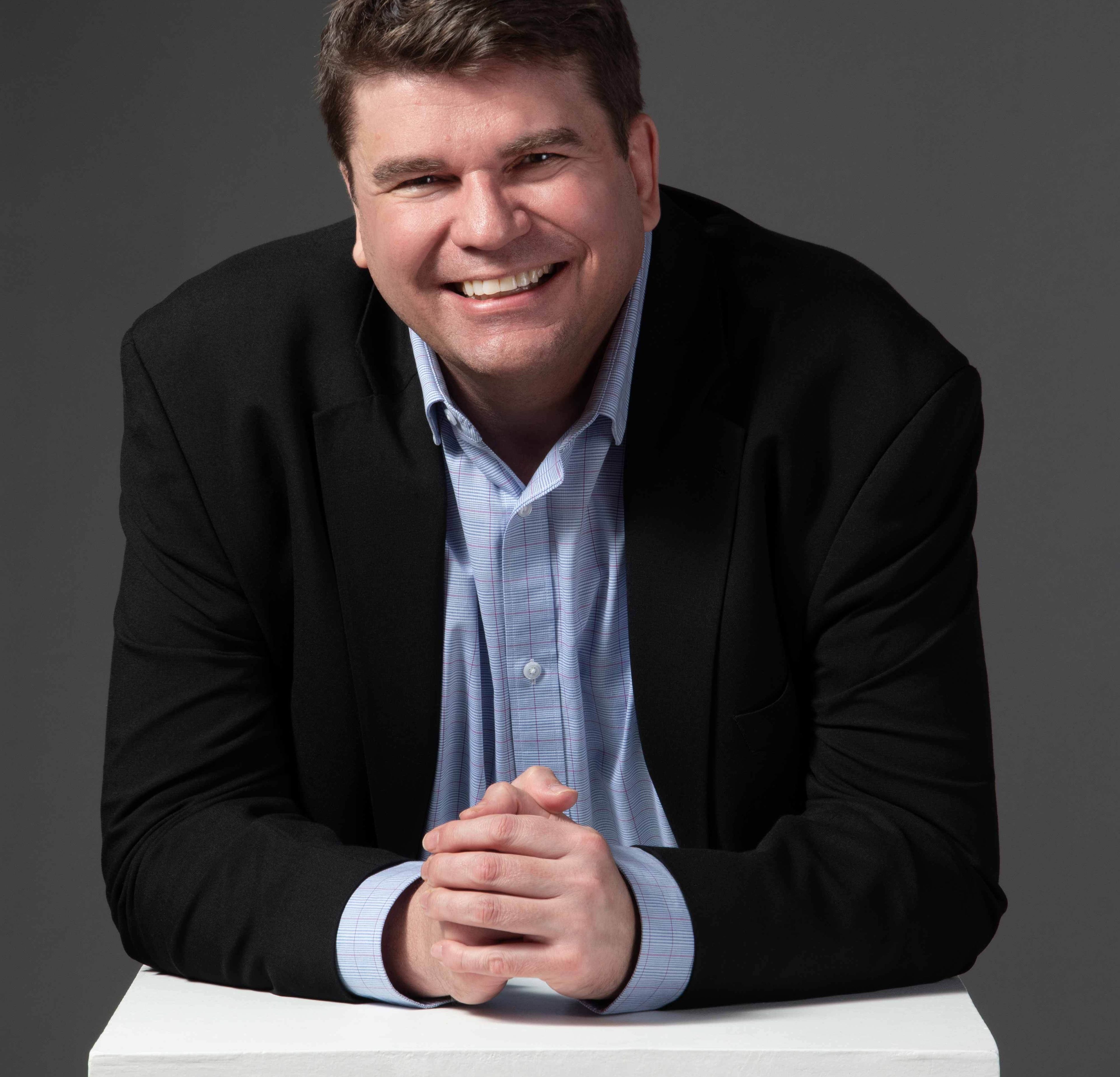
Join us as we spotlight James E. Smith, Associate Vice President, Head of Department, Sports Memorabilia, ahead of our summer Sports Memorabilia auction, now open for bidding until June 27th. Learn about his journey in the sports industry, notable achievements at Freeman’s | Hindman, personal collection favorites, and highlights of our upcoming sale. Freeman’s | Hindman: What was your first sports-related memory? James E. Smith: In 1978, Muhammad Ali fought Leon Spinks for the second time to regain his heavyweight championship. My introduction to Ali was months before through a Saturday morning cartoon titled “I Am the Greatest: The Adventures of Muhammad Ali”. Because of the cartoon, I believed Ali was a superhero and was amazed to see the bout and discover he was a real person. My admiration for him only grew — it’s great to know that sometimes heroes can be the real thing. FH: What is your favorite piece of sports memorabilia that you own? JS: A hand-drawn piece by Muhummad Ali that features him fighting Joe Frazier, surrounded by a crowd of spectators. The drawing was gifted to me by the champ himself, which makes it incredibly personal and meaningful. Ali was the son of a sign painter in Louisville, so his artistry in the ring carried over to the canvas with paint and brush. FH: What drew you to becoming a specialist and translating your passion into your career? JS: As a longtime buyer of sports memorabilia, working on this side of our industry felt right. I had served 30 years as a journalist. I was shifting careers when I realized I could offer a very specialized knowledge and skill set due to my lifelong passion for collecting sports memorabilia. I was given an incredible opportunity to join Freeman’s | Hindman and learn the ins and outs of the auction world, then launch the sports memorabilia department with a solid foundation. FH: Describe a typical workday for you at Freeman’s | Hindman. JS: The lion's share of my day is dedicated to connecting with clients, reviewing collections, and placing estimates. One of the most essential duties is facilitating items for authentication. In this category, third-party authentication is paramount to maintaining our business's integrity, and we work closely with the leading third-party authentication companies to ensure this. FH: Can you describe a collection of sports memorabilia you are proud to have brought to auction? JS: Discovering an unopened box of 1986 Fleer basketball cards in a client's collection. A piece like this is one of the grails in sports memorabilia, as this box contained at least four untouched Michael Jordan rookie cards. I was onsite initially to review other material in the collection. Discovering this box and achieving an exceptional price for the client was truly gratifying. FH: Freeman’s | Hindman’s Sports Memorabilia auction is now open for bidding through June 27. Can you tell us about some of your favorite lots in this sale? JS: Here are some of my favorite lots in our upcoming Sports Memorabilia auction ending June 27: Lot 2 | A 1921 W516 2-2 No. 10 Babe Ruth Baseball Card (SGC Authentic) Lot 79 | A Scarce 1986 Fleer Derek Smith Signed Autograph Basketball Card No. 103 (PSA AUTHENTIC) Lot 161 | A Legendary Signed Autographed Baseball Featuring Babe Ruth, Hank Aaron, Lou Gehrig, Jimmie Foxx, Al Simmons, Connie Mack, Lefty Grove and George Earnshaw (Beckett Authentication Services) Lot 253 | A Michael Jordan and LeRoy Neiman Signed Autograph 1991 Serigraph Lot 248 | A 2001 Muhammad Ali Signed Autograph LeRoy Neiman "Athlete Of The Century" Serigraph Lot 258 | A Michael Jordan Single Signed Autograph Basketball (Upped Deck Authenticated)
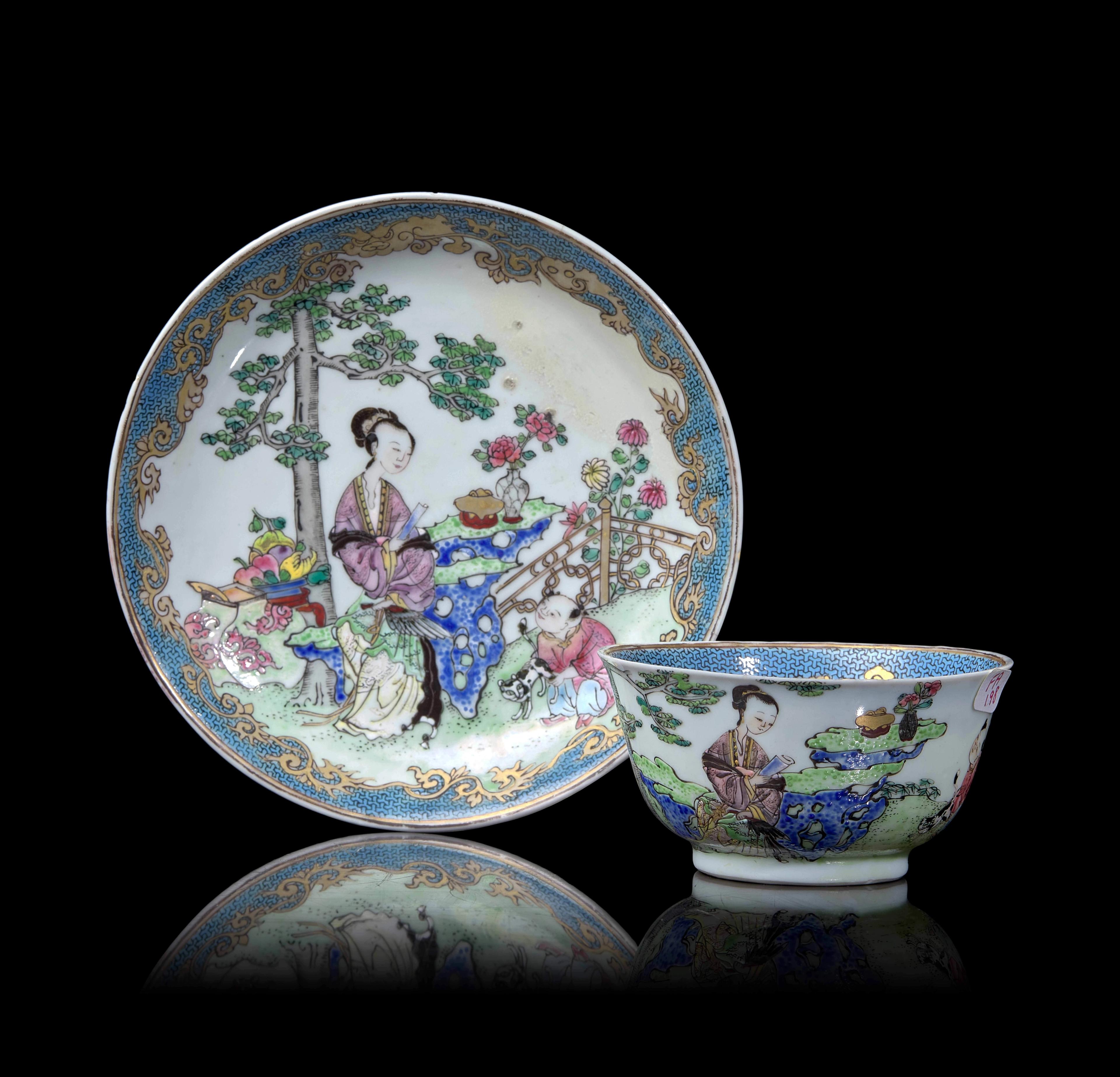
Lot 42 in the June 26 Asian Art auction at Freeman’s | Hindman has a past. The delicately potted 18th-century tea bowl and saucer, made and decorated in China with a beautiful woman (meiren) and boy in a garden, was once part of two of the most notable late 19th/early 20th-century collections of Chinese porcelain ever assembled in America. A Chinese Export Famille Rose Porcelain Tea Bowl and Saucer, ex. Garland and Morgan Collections, 18th Century 清中期 粉彩人物圖杯碟 Garland及摩根收藏 | Estimate: $1,000 - 1,500 Labels affixed to the undersides indicate the tea bowl and saucer were formerly in the collections of James A. Garland (1840-1900) and John Pierpont Morgan (1837-1913). Garland, a banker and co-founder of what was to become Citibank, assembled his collection of over 1000 pieces with the assistance of the Duveen Brothers. The collection was displayed in the Metropolitan Museum of Art until 1902 when Garland’s heirs sold it to the Duveen Brothers, who then sold it to Morgan. Morgan was one of the most important financiers and philanthropists of the American Gilded Age. A donor to the Metropolitan Museum, he served as the president of the Board of Trustees from 1904 to 1913. After his death, his son donated numerous important works to the Met. The Duveen Brothers acquired his Chinese porcelain collection, which they distributed among their wealthy clients, including Henry Clay Frick and the Rockefellers. Many pieces from the Garland-Morgan collection are now in important public and private collections. Click here for this and other 18th-century Chinese porcelains in the June 26 auction.
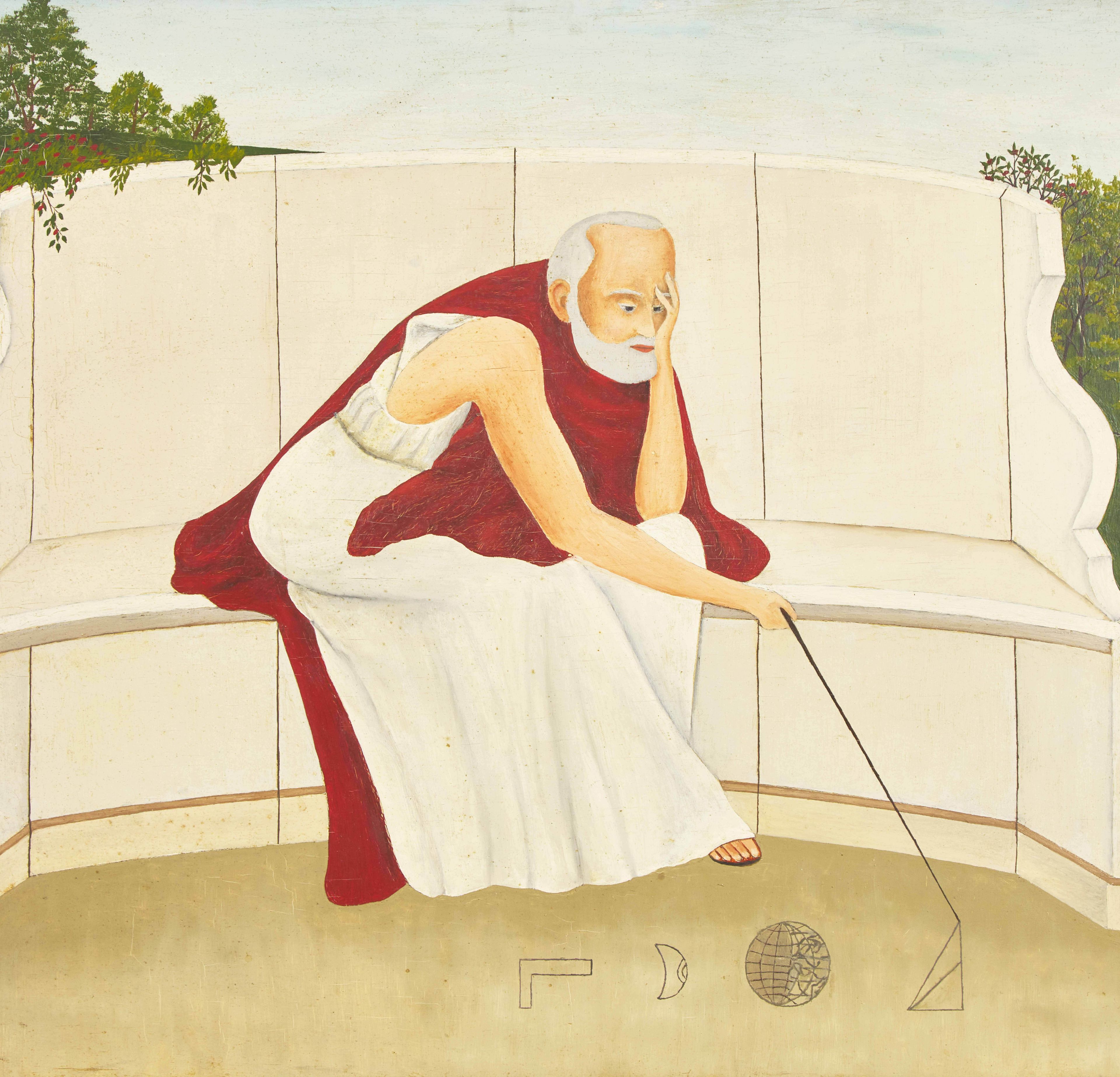
Join Freeman's | Hindman's esteemed fine art specialists as they dive into their selections ahead of What Do You See? The Collection of Sidney Rothberg, Parts III and IV, to be held on June 24 and 25, 2025. Raphaël Chatroux Lot 269 | Jean Hugo (French, 1894-1984) | Lauretta, Marie et Caroline | Estimate: $800 - 1,200 This small watercolor by Jean Hugo is, without question, my favorite lot in the entire Rothberg sale. I truly discovered Hugo’s work through the eye of Sidney Rothberg during last year’s events, and was immediately drawn to his gouaches. Not just for their bold, vibrant colors, or their attention to detail but also (and mainly?) for their format. I’ve always preferred smaller works of art, and Hugo’s miniatures have this intimacy and preciousness that feel very magical, almost like tiny charms. This particular piece stands out to me especially because I remember finding it in storage, in the bottom of a very large bin. I first thought it was a March Avery watercolor, but then I noticed the signature. The three women lined up on the sofa felt mysterious and warm at the same time. When I later discovered that the women were the artist’s wife, daughter, and sister-in-law, the work took on an even deeper meaning. It was clearly a family portrait and the work felt even more special. Lauren Colavita Lot 258 | Jane Piper (American, 1916-1991) | Still Life, circa early 1960s | Estimate: $5,000 - 8,000 Of all the works in the Collection of Sidney Rothberg, Still Life by Jane Piper is the one I return to most. As a Philadelphia resident and admirer of women artists, Piper’s legacy feels especially personal to me- not only because of her ties to the city, but because her bold, lyrical use of color speaks to something essential. Her ability to balance spontaneity with structure, figuration with abstraction, transforms a simple interior into something ecstatic. The light in this painting breathes. Its rhythm pulses. I’m fortunate to own a work on paper by Piper, and seeing this larger oil feels like a conversation with that quieter piece- a deepening of the same visual language. Still Life doesn’t just depict a moment; it invites you to feel it. Adrianne Wolkenberg Lot 318 | Dale Chihuly (American, b. 1942) | Ikebana Series, 1977 | Estimate: $4,000 - 6,000 The Dale Chihuly painting on paper entitled Ikebana Series from 1977 is a favorite work of mine in the Sidney Rothberg Collection, because it is such a large-scale, visceral piece that evokes the artist’s practice in glass. Bright tendrils of fire seem like they are jumping from the painting, it somehow combines the color and energy of Chihuly’s work with the connection he makes to nature, but within two dimensions instead of his usual three. The glass-maker created a series of works called Ikebana that refer to the Japanese art of flower arranging and all have tall, long-stemmed flowers and leaves coming from vessels. He often situates them in nature for viewers to happen upon and I love this juxtaposition of the carefully crafted with the chance encounter, which I think speaks to Mr. Rothberg’s collecting style as well. Melissa Flack Lot 91 | Carroll Sargent Tyson Jr. (American, 1877-1956) | The Wharf | Estimate: $3,000 - 5,000 The Wharf by Carroll Sargent Tyson Jr. is my favorite piece in the collection. Every time I look at it, I’m transported to warm summer days by the water. It evokes a deep sense of nostalgia and peace—a gentle daydream I can step into. Tyson’s rendering of light glimmering on the water, paired with the quiet activity along the dock, creates a serene and timeless atmosphere. The vantage point, set slightly back, allows us to observe the scene from a distance—calm, safe, and quietly connected. It’s a moment of stillness I find myself returning to again and again.