New & Noteworthy
Stay up to date with news, highlights, & features from across Freeman's.
Stay up to date with news, highlights, & features from across Freeman's.
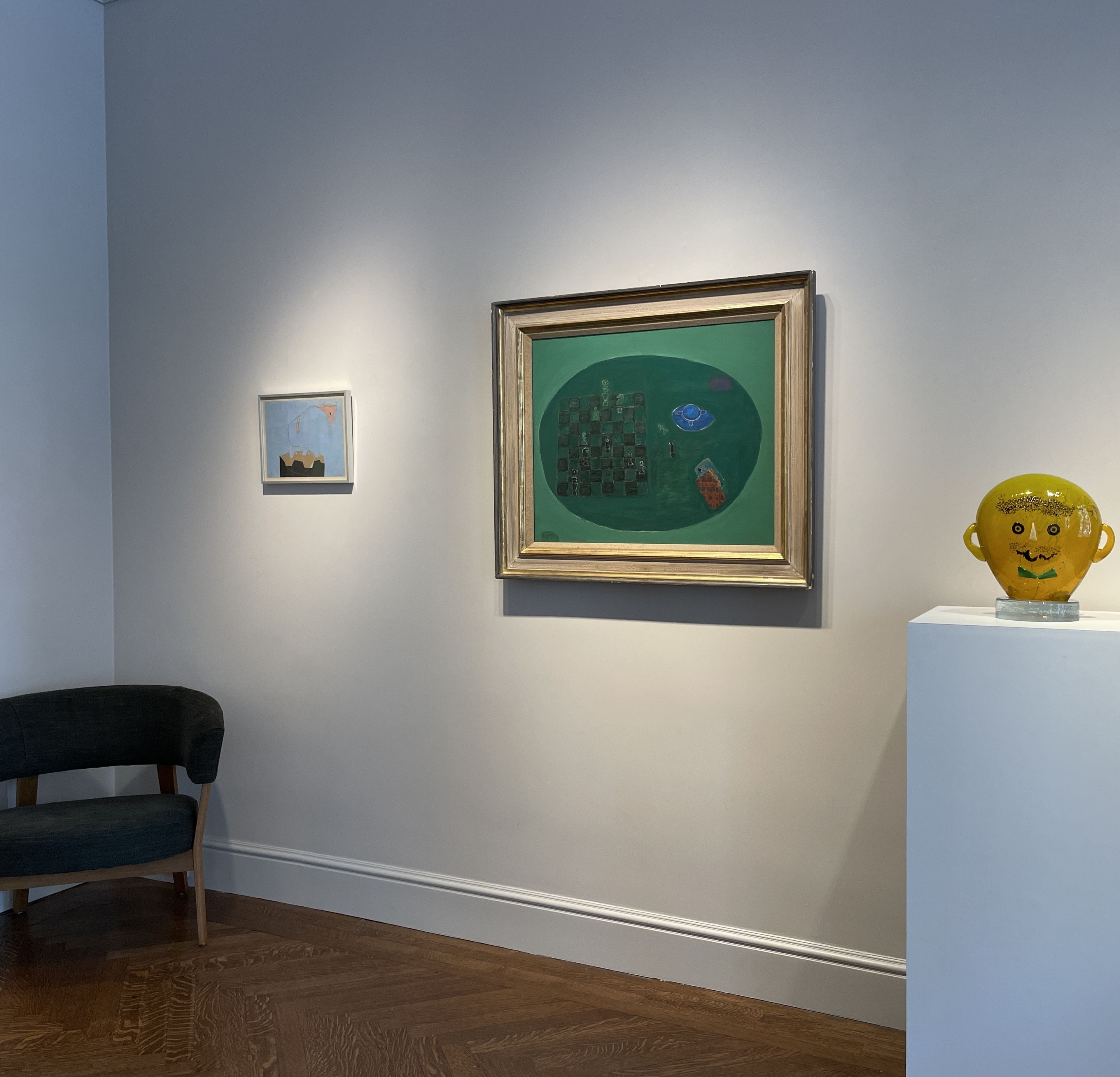
Over the course of over six decades, Sidney Rothberg curated a remarkable collection blending blue-chip artists with emerging talents, many of whom he discovered through auctions around the globe. The result is an eclectic, innovative collection that reflects his distinctive eye and fearless taste. Collector Sidney Rothberg on his Birthday As we look ahead to Parts III and IV of this expansive collection, going to auction on June 24 and 25 and featuring over 300 lots, it becomes clear that Rothberg’s approach offers more than just inspiration—it provides a roadmap. His collection stands as a masterclass for new and aspiring collectors, offering valuable insights into how to build a collection that’s both accessible and meaningful. Below are 6 key takeaways from the Rothberg Collection—each one a potential step for those looking to start, or refine their own collecting journey. 1) Favor Works on Paper Sidney Rothberg collected across media, yet he had a deep appreciation for works on paper—a broad and dynamic category that encompasses everything from drawings and watercolors to collages, photographs, etchings, and prints. Lot 281 | Willem de Kooning (American/Dutch, 1904-1997) Portrait of a Woman | Estimate: $6,000 - 10,000 Generally more accessibly priced than paintings or sculptures, they make an ideal entry point for emerging collectors. In the contemporary art world specifically, works on paper serve as a gateway to owning pieces by established artists whose larger works (and oils) may already command premium prices. Lot 15 | Pierre-Auguste Renoir (French, 1841-1919) Après le Bain, circa 1910 | Estimate: $12,000 - 18,000 Works on paper can also reveal more about an artist’s thought-process. For Rothberg, collecting in this medium wasn’t just about access—it was about insight. He often used works on paper to deepen his connection with specific artists, exploring their stylistic development and creative journey. Many of the pieces in his collection are preparatory studies or sketches for major works, offering a behind-the-scenes look at an artist’s creative and technical process. This approach offers a thoughtful and secure path to collecting, as such works often hold academic significance. They can attract the interest of future curatorial projects by revealing moments of experimentation, refinement, and raw inspiration, shedding light on how ideas evolve across different media. 2) Blue-chip artists with a Twist Rothberg’s collection includes works by a remarkable range of reknowned artists such as Renoir, Vuillard, Rodin, Scharf, Boudin, Calder, and Parsons, to name just a few. What set his approach apart was his deliberate decision to seek out unusual or lesser-known pieces by these artists, rather than pursuing the most obvious works. This strategy not only made collecting more accessible, but also resulted in a more personal and distinctive collection. For new collectors, Rothberg’s method offers a valuable lesson: choose a handful of artists whose work genuinely resonates with you, then seek out pieces that reflect a unique moment in their career or reveal a more intimate side of their practice. One standout example from Rothberg’s holdings is a ballpoint pen drawing by Léonard Tsuguharu Foujita. Though it features his signature subject—a cat—it’s rendered informally on paper, originally created as a personal note for a friend in Paris. This spontaneous, heartfelt sketch contrasts beautifully with another Foujita work in Rothberg’s collection: an oil painting after Tischbein’s portrait of Goethe. More than just a copy, the painting reveals Foujita’s deep admiration for the Old Masters and underscores his intellectual curiosity and reverence for art history. Adding to its significance, the piece once belonged to one of Foujita’s key patrons, enhancing both its narrative and its aura. 3) Smaller Works One of the most common phrases specialists hear from collectors is, “I don’t have any more wall space.” It’s a real—and surprisingly frequent—problem. Rothberg often solved this issue by making creative use of his wall space, opting for a "Salon-style" hang, displaying paintings from floor to ceiling, often resulting in unexpected and thought-provoking pairings. Another smart and practical solution? Collect small works. Not only are they often more affordable, but their modest scale allows collectors to expand their holdings without overwhelming their space. Lot 269 | Jean Hugo (French, 1894-1984) Lauretta, Marie et Caroline | Estimate: $800 - 1,200 But don’t mistake small for insignificant. In many cases, smaller works are where an artist’s vision becomes most focused and intimate. Some artists, like Jean Hugo, even specialized in the small format. The Rothberg Collection includes ten exquisite examples of his gouaches, oils, and watercolors. For Hugo, working small was a deliberate homage to the medieval miniatures he so deeply admired—rich in fantastical creatures and intricate detail. On a reduced scale, every leaf, every brushstroke is rendered with the precision of an embroidery stitch, making the viewing experience all the more rewarding. Smaller works can also offer a more personal glimpse into the artist’s world. These might include preparatory studies for larger composition, informal sketches created for a friend or family member—works never meant for public eyes— or even small, totemic sculptures which a collector can relish privately. When the artist is especially renowned, even a simple signed sheet can carry significant value, both emotionally and monetarily. 4) Retrace the Provenance Whether you’re drawn to oils or watercolors, intimate studies or bold statement pieces, one principle should always guide your acquisition: ensure the work comes with solid, verifiable provenance. Provenance is essential in establishing a work’s authenticity, history, and value. It is also, and most importantly, a keystone of responsible collecting. Rothberg took a deep dive into the painting he collected, studying the history behind it, but also analyzing the relationships and/or influences the artist could have the time. The Rothberg Collection offers a blueprint for how this can be done thoughtfully and thoroughly. When evaluating a work, consider the following key points: Where was the work acquired? · Was it purchased directly from the artist? · Did it come from a reputable gallery known to have a direct relationship with the artist? · Was it sourced through a respected international auction house or charity auction—often a great way to support emerging artists while acquiring quality work? Is there a certificate of authenticity? · If so, make sure it’s issued by the most up-to-date and widely recognized expert or foundation associated with the artist. As scholarly opinions evolve over time, having a recent and reliable certificate ensures the work is both legitimate and traceable. · If not, that doesn’t necessarily mean the work is inauthentic. It may still be documented or illustrated in various publications, including the artist’s catalogue raisonné—which serves as tangible proof that the work is recognized, studied, and considered authentic within the academic and market spheres. Ultimately, collecting is as much about inquiry as it is about instinct. Sidney Rothberg was famous for challenging curators, dealers, and experts with a deceptively simple question: “What do you see?” His legacy reminds us that asking questions—and trusting your own eye—can lead to a deeper connection with the work and a more meaningful collection. 5) Mix and Match Starting a collection with smaller or more affordable works doesn't mean you're limited to that path forever. Over time, your collection can grow in both scale and ambition. In fact, you can explore both ends of the spectrum simultaneously. Sidney Rothberg did exactly that—acquiring works by both blue-chip artists and emerging voices—not out of strategy, but from a deep instinct and a desire to draw meaningful connections between the pieces he loved. Interior shot of Sidney Rothberg’s Penthouse in Philadelphia For Rothberg, collecting wasn’t about price tags. It was about resonance. He might pair a $25,000 Daumier oil with a modest Gritchenko drawing, not because they matched in era or medium, but because they spoke to each other. Both artists were admired by Dr. Albert Barnes, who famously displayed works by masters and unknowns side by side in his foundation, granting them equal respect. Rothberg embraced that philosophy. To him, the value of a work wasn’t dictated by its cost, but by what it added to the story he was building, to what it taught him about color and light, and what it pushed him to study about one's brushstroke, or their personal background etc. The least expensive piece in a collection doesn’t diminish the most expensive—it complements it. Each work offers its own perspective, its own voice. The Barnes approach of mixing artists, periods, and even forms of art is a powerful reminder that collecting should reflect the full spectrum of human curiosity. It’s a generous, inclusive vision of art: a vision that Rothberg embodied with every acquisition 6) Buy What you Like By following the guiding principles shared above—and staying true to your personal vision—you can build a collection that remains meaningful and relevant over time. But above all, one rule should always take precedence: buy what you love. Art is deeply personal. It’s meant to live with you, to reflect your tastes, your journey, and your values. If a piece doesn’t move you or loses its appeal, then its presence—no matter how prestigious—loses its purpose. As in the case of Rothberg, if a piece has, on the contrary, provided all of this joyful experience for you, then maybe consider selling at auction, so the story continues with another, younger generation. Sidney Rothberg understood this intuitively. Some of the works he purchased in his twenties remained with him throughout his life—pieces he continued to live with, contemplate, and cherish into his eighties. That enduring connection is a testament to the power of collecting based on passion, not just price. While art can be a viable investment, treating it purely as such often narrows your field to the safest, most conventional options. In Rothberg’s case, that mindset might have excluded artists like Betty Parsons, Romare Bearden, or Kiki Smith—visionaries whose work may have once been overlooked by the market, but whose creative voices he recognized and championed. Believing in an artist before the world catches up, trusting your eye and your instincts is, in many ways, the most meaningful and lasting investment a collector can make. It’s not just about acquiring objects; it’s about building a legacy of taste, curiosity, and conviction. As Saranne Rothberg says: "You are never too young to start collecting: Rothberg taught me and my own daughter when we were toddlers, and handed us paddles to take action in the bidding room. Don't be intimidated: it's now your turn to start an amazing collection such as my dad's."
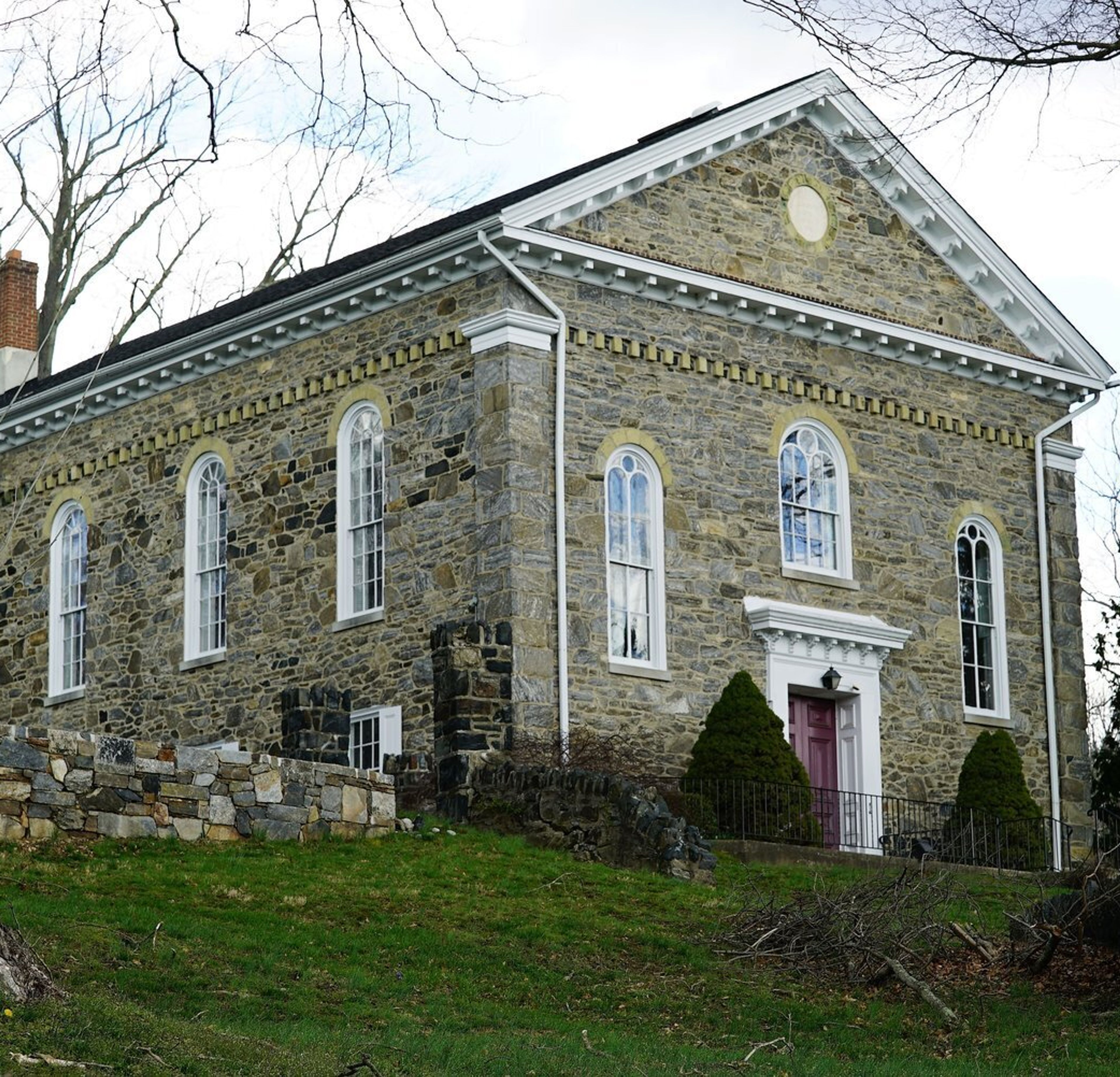
This June 8, Freeman’s Hindman is honored to present In Naaman’s House, a powerful and evocative canvas by celebrated American illustrator N.C. Wyeth. Offered directly from the Brandywine Baptist Church in Chadds Ford, Pennsylvania—where the painting has been treasured for over half a century—this historic sale marks the first appearance of the oil on the open market. Lot 65 | N. C. Wyeth (American, 1882-1945) In Naaman's House (from Children of the Bible), 1929 A Moment of Faith and Transformation Commissioned in 1929 by Good Housekeeping to illustrate Bruce Barton's story The Little Maid in the Captain’s House, In Naaman’s House captures a pivotal biblical scene from the Second Book of Kings. In the narrative, a young Jewish maid persuades her master, the Syrian military commander Naaman, to seek healing from the prophet Elisha after witnessing his affliction with leprosy. Wyeth’s painting renders this encounter with characteristic drama and emotional resonance. The girl, placed humbly a step below Naaman, nevertheless radiates strength and conviction—a quiet yet profound challenge to the hierarchy of power. Her courage, as conveyed through Wyeth’s bold brushstrokes and nuanced composition, transforms the moment into a timeless allegory of faith, humility, and spiritual awakening. As Barton wrote, biblical stories “leave the pictures to the reader’s imagination, and we are fortunate to have the eyes of Mr. Wyeth through which we may look and see.” Here, Wyeth doesn’t just illustrate a story—he enshrines its moral force in paint. A Gift Rooted in Legacy and Devotion In 1964, more than three decades after the painting’s creation, Wyeth’s widow Carolyn donated the work to the Brandywine Baptist Church in memory of her late husband, who had died tragically in 1945. “I felt that presentation of the painting to the only church in Chadds Ford was what N.C. Wyeth would have wanted,” she explained. Founded in 1692, Brandywine Baptist Church is the second-oldest congregation in Pennsylvania. The painting was formally dedicated during a special ceremony that same year, with church leaders praying it would serve as both a reminder of the biblical story and a source of spiritual inspiration for all who worship there. For decades, it has fulfilled that role—gracing the sanctuary walls with artistic and sacred significance. From Sacred Space to Public Auction Brandywine Baptist Church was first organized in what was then Birmingham Township, Chester County, and traces its origins to early settlers associated with Thomas Powell of Upper Providence. During the American Revolutionary War, the church grounds stood witness to the Battle of the Brandywine, with historical figures such as George Washington and famed evangelist George Whitefield connected to its storied past. Revolutionary soldiers remain buried in the nearby cemetery—now a focus of restoration by the Brandywine Heritage Preservation Foundation in preparation for the United States Semiquincentennial in 2026. Proceeds from the sale of In Naaman’s House will support these preservation efforts, particularly the restoration of the historic cemetery and interpretive projects related to the Battle of the Brandywine. As the three-century-old church passes on this extraordinary piece of its heritage, collectors and admirers of American illustration now have a rare opportunity to acquire a museum-worthy piece with a deeply personal provenance. Offered in pristine condition, with direct provenance and imbued with the legacy of one of America’s foremost illustrators, In Naaman’s House stands not only as a masterwork of narrative painting, but as a testament to the bond that united the Wyeth family to the Brandywine region.
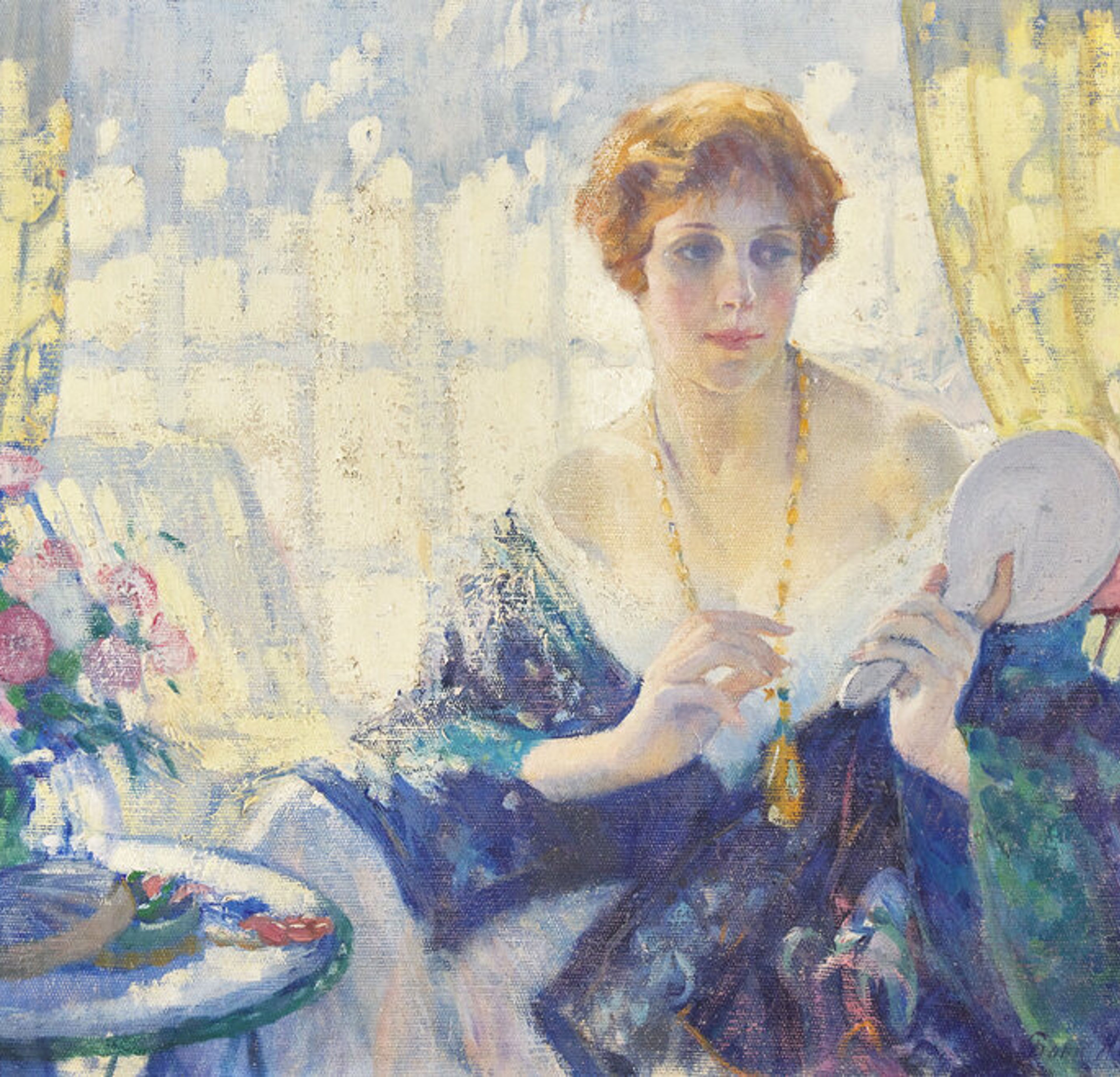
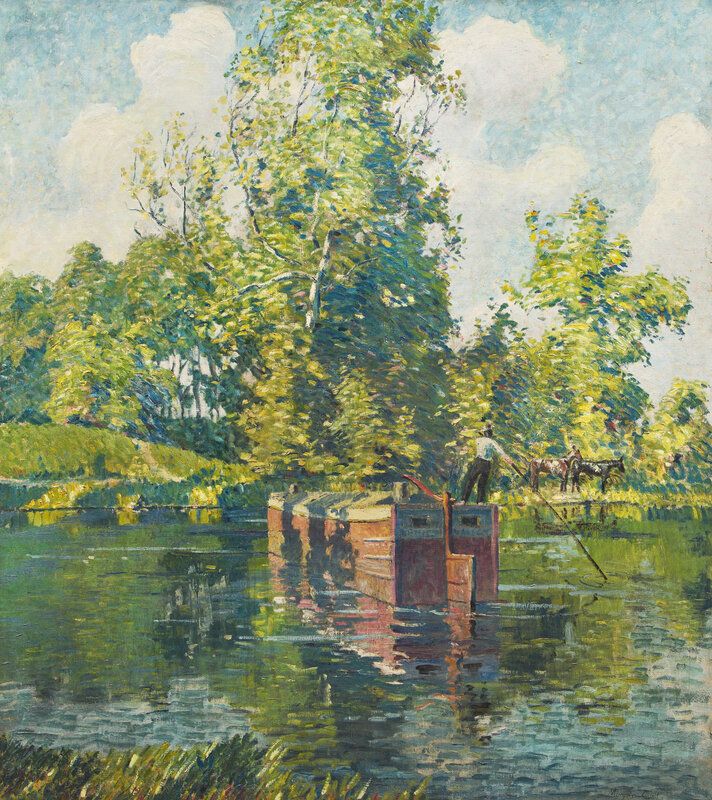
On June 8 and June 18, Freeman’s | Hindman will offer a remarkable chapter in American collecting history through the sale of the family collection of Dr. Percival Eaton Jr.—an intimate and meticulously curated trove of fine art that spans the golden era of the Provincetown and Pittsburgh art scenes. From Pittsburgh to Provincetown Born in Malden, Massachusetts, in 1862, Dr. Percival Eaton Jr. distinguished himself early in both medicine and public life. After graduating from Harvard Medical School in 1888, his studies took him across Europe before he established his career in Pittsburgh in 1891. There, he helped develop the Children’s Hospital and the University of Pittsburgh’s pediatrics department—pioneering contributions that earned him widespread respect. Yet Dr. Eaton’s passions extended well beyond the clinic. A devoted supporter of the arts, he served for decades as director and later president of the Pittsburgh Art Society. This lifelong dedication to cultural enrichment would flourish even further in retirement, when he and his wife, Emily Craft Eaton, relocated to Provincetown—a place that would become both his home and artistic sanctuary. Settling into a handsome brick home on Commercial Street—still a local landmark today—Dr. Eaton immersed himself in Provincetown’s vibrant creative community. As director and treasurer of the Provincetown Art Association (now PAAM), he played a vital role in shaping the town’s artistic legacy. A Lesson of American Art Collecting In his home, Dr. Eaton cultivated a deeply personal collection—around fifty works in all, many of them small in scale but rich in narrative. Never before seen at auction or exhibited publicly, the collection now serves as a time capsule of early 20th-century American art and its intimate ties to place and memory. Among the most significant works are tied to Eaton’s Pittsburgh years, including a stunning nocturne by George Sotter (A Winter Night, $50,000–80,000), showcasing the artist’s signature pearly blues and hushed elegance. The painting was once exhibited at the prestigious Carnegie Institute—an indicator of its historical and artistic importance. The heart of the collection, however, lies in Provincetown. Works by colony luminaries such as Richard E. Miller, Gerrit A. Beneker, Frank H. Desch, and Henri Hensche reveal Dr. Eaton’s close personal relationships with the artists he admired. Miller’s Seated Lady ($10,000–15,000) captures a moment of quiet domestic glamour, while Desch’s formal Portrait of Dr. Eaton, draped in black with bold red lapels, offers a striking window into the collector’s stature and character. Equally poignant are portraits of Eaton’s daughter, Mary “Mimi” Groves, a student of Hensche, and her family—images that reinforce how deeply this collection was woven into the fabric of family life. The collection also reveals Eaton’s cosmopolitan taste, including Sunday Morning, Québec by Canadian artist Clarence Alphonse Gagnon ($30,000–50,000) – a peaceful, yet colorful and lightly humoristic snowscape depicting lined up sleighs before the Sunday service, which speaks to Eaton’s broader cultural ambitions, and his desire to introduce international art to American audiences. Reflecting on their great-grandfather’s legacy, Josh and Ned Groves shared: “Growing up with this collection was such a privilege. Our grandparents, parents, and aunt all cherished the paintings and treated them as members of the family. After the Provincetown house was sold, these works became a lasting connection to Provincetown’s arts community. We are happy that they will find new, appreciative homes.”
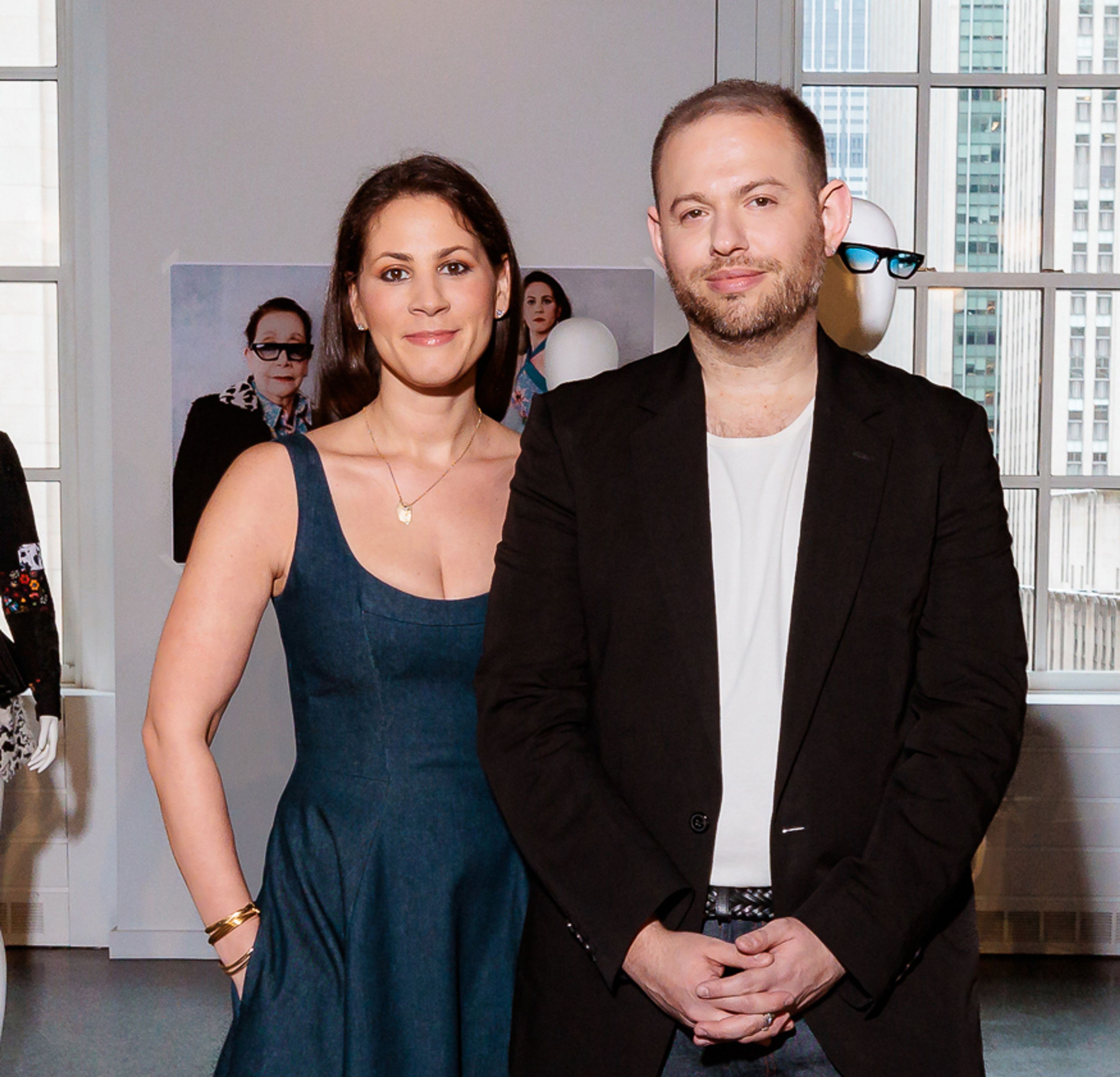
As part of our In Conversation Series, we’re delighted to spotlight a dynamic collaboration between Freeman’s | Hindman and celebrated fashion house Jonathan Cohen Studio. In anticipation of The Collective—a unique showcase of designers coming to life at 32 East 67th Street this May—Gemma Sudlow sat down with co-founders Jonathan Cohen and Sarah Leff to discuss the story behind their brand, the spirit of community within the fashion world, and how values like sustainability, creativity, and longevity continue to shape their work. Gemma Sudlow: We are so excited to partner with you on this unique collaboration! Before we dive into what will be on view at East 67 Street in May, tell us your story and how you developed Jonathan Cohen. Sarah Leff: Thank you, we’re thrilled to be partnering with the gallery to create the first event for the fashion community, The Collective. Jonathan and I conceived the brand with a passion for creating something special. This event will bring together 16 brands, providing the opportunity to showcase some of our classics and seasonal fabrics. Jonathan Cohen: There is this misconception about designers that we are all competitive. The truth is, we all really support one another, both in good times and bad. This is a great way to show how our community can come together and thrive! There is space for all of us. GS: 32 East 67 Street has a wonderful fashion history embedded in the architecture. Our Deco lacquer and mirrored stairwell were couturier and fragrance magnate Marcel Rochas’ legacy from his tenure in the 1930s. It was his homage to Chanel in Paris. What historical influences, if any, come into play in your designs and brand ethos? JC: It really depends from season to season. These photos inspired our last collection; I found one of Elizabeth Taylor attending a boxing match (which I had no idea she attended boxing matches!). I then discovered a quote from Muhammad Ali in my research talking about how he was knocked out during a match because he was distracted by looking at Taylor in the audience. Every season tells a story, and a lot of research is done in preparation before I even sketch. GS: Freeman’s I Hindman has always believed in the power and community central to couture and the fashion arts, and we are one of the very few auction houses that have a dedicated team committed to promoting luxury accessories and couture year-round. To what extent is your market still seasonal versus always-on? SL: While the traditional fashion calendar still exists, we have always been more intentional, focusing on garments that stand the test of time. Our clients want pieces that feel relevant beyond a single season; these garments are meant to carry meaning and can live in their wardrobes for years. One of the greatest joys is hearing from a client how they wore us for a family wedding, baby shower, and then made it work into a day dress. We’ve also grown our custom business, which allows us to create special pieces using our techniques and fabric remnants. It’s less about chasing trends and more about building lasting wardrobes. GS: Sustainability is a word that seems ever important in all industries and walks of life. How does it inform your practice and production? SL: Sustainability has always been a core pillar of our brand—not just as a practice but as a mindset. We prioritize small production runs, take responsibility for our own deadstock, and work with upcycled materials. We originally launched The Studio in 2019, focusing on our deadstock and finding opportunities to give new life to what already exists. Beyond products, it’s about systems: designing a business that’s built to last, where quality, ethics, and creativity coexist. JC: Sustainability for me is really about being responsible. It’s about doing the work and creating systems within your company to minimize the impact as much as possible. Fashion generates a lot of waste that can have a damaging impact. If you can find ways in your company to help mitigate waste, why wouldn’t you? GS: Last but certainly not least: what and who will we see at East 67 Street on the 18-20 May? What will the Jonathan Cohen woman be wearing this summer season? SL: We are thrilled about this opportunity to share some new and limited-edition pieces with everyone later this month. There is always something floral in our mix! We’re also bringing some of our staples as well as a few limited-edition archival pieces. JC: What is great about our dresses is that they can work for various occasions, from the office to a cocktail party. I think that’s essential when buying one of our pieces. I love the prints for spring that were inspired by “synesthesia,” perfect colorful inspiration for summer!
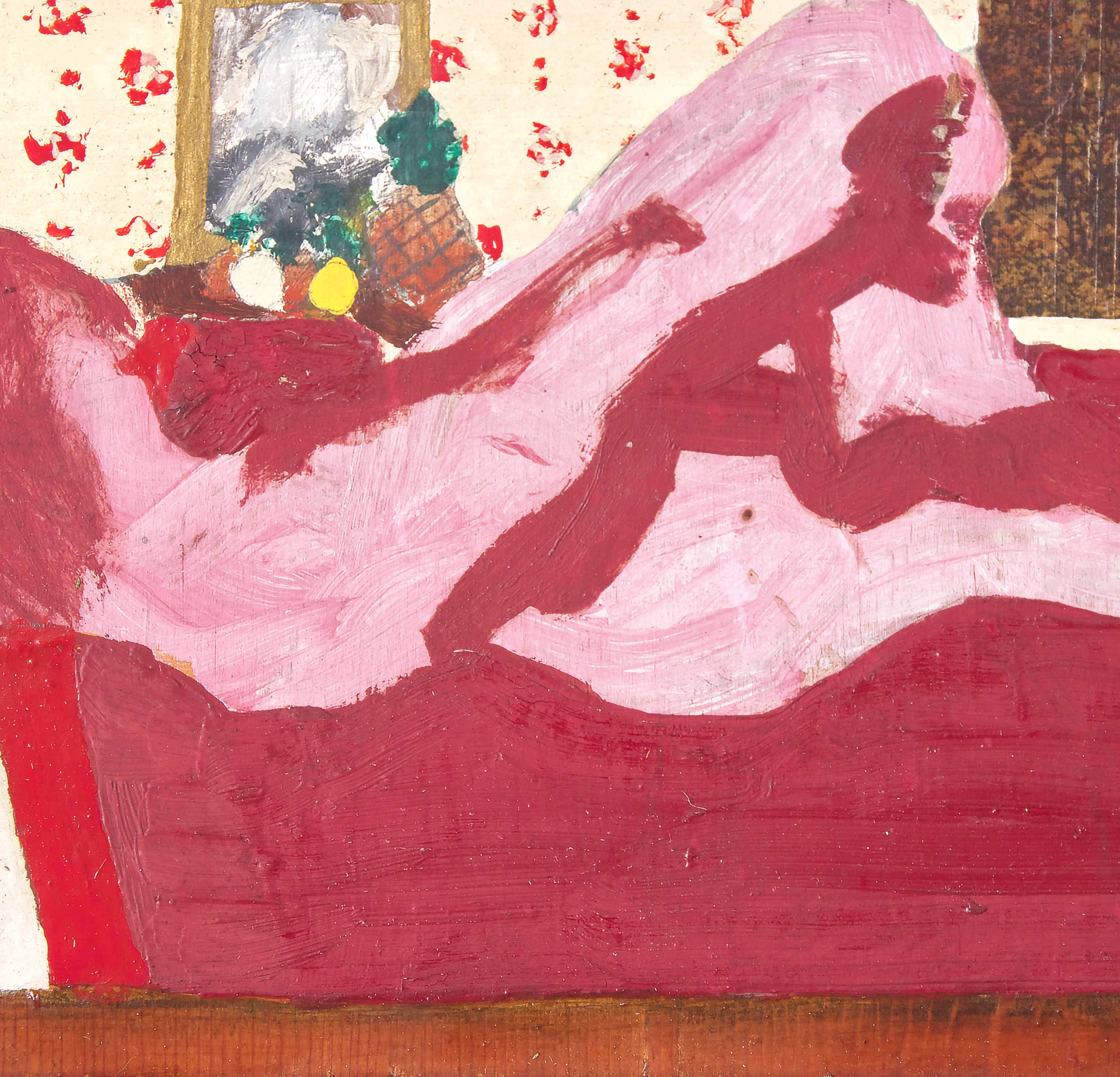
Freeman’s | Hindman is honored to present salient works from the distinguished collection and Estate of Mimi Kazon in Park Avenue, New York. Mimi Kazon, a lifelong supporter and friend of artists and creatives, amassed a meaningful collection of Post War works during her lifetime, demonstrating the breadth and depth of her collecting activity and singular passion. From spending the summer season in Springs in East Hampton–an enclave for artists, particularly those associated with the Abstract Expressionist movement–to regularly attending gallery shows in Manhattan and museum exhibitions at The Museum of Modern Art, Mimi Kazon developed a deft eye for extraordinary, often intimately scaled works of art. Indeed, we are particularly excited to present two exceptional works from the Estate of Mimi Kazon by Tom Wesselmann and Robert Smithson in our May 13 Post War and Contemporary Sale in New York. Tom Wesselmann’s Little Great American Nude #10, 1961, exemplifies his pioneering approach to representing the female form in Post War American art. This oil and collage on panel, part of his Great American Nude series, is intimate in scale and audacious in the subject, reflecting Wesselmann’s bold embrace of sensuality, American iconography, and the visual language of popular culture. Lot 22 | Tom Wesselmann (American, 1931-2004) | Little Great American Nude #10, 1961 | Estimate: $60,000 - 100,000 Emerging in the early 1960s alongside contemporaries such as Roy Lichtenstein and Andy Warhol, Tom Wesselmann was a key figure in the Pop Art movement, though his work diverged through its overt eroticism and painterly lushness. In Little Great American Nude #10, a reclining female figure is rendered in flat swathes of pinks and reds, surrounded by domestic details such as patterned wallpaper, fruit, and a mirror. The figure operates simultaneously as an object of desire and as a symbol–both critiquing and celebrating Post War American ideals of femininity, beauty, and comfort. The integration of cultural markers, including a flag-inspired curtain and campy décor, firmly situates the nude within a distinctly American context, reflecting Wesselmann’s fascination with the consumerist American dream and its imagery. The Great American Nude series–particularly early, smaller works like this–redefined traditional depictions of the nude in art. Rather than shying away from sexuality, Wesselmann embraced it fully, transforming the body into a bold, stylized emblem of American culture. In doing so, he both acknowledged the conventions of the Western art tradition and simultaneously disrupted them. Lot 1 | Robert Smithson (American, 1938–1973) | Ziggurat Mirror, 1966 | Estimate: $10,000 - 15,000 Produced in 1966, Robert Smithson’s Ziggurat Mirror is a lesser-known but conceptually rich work that aligns with his broader explorations of entropy, mirrors, surfaces, and ancient architectural forms. Although not as widely discussed as his iconic Spiral Jetty, Ziggurat Mirror taps into many of the salient themes that define his overall practice. Indeed, the reflective surfaces stand vertically, providing a shimmering reflective surface that overlaps itself and conveys Smithson’s interest in experimentation with layering mirrors and glass to produce a complex yet remarkably beautiful three-dimensional form. Among the other highlights from the Estate are notable works by Richard Anuszkiewicz, Roy Lichtenstein, and Willem de Kooning, further underscoring Mimi Kazon's defining taste.

In her intimately scaled works, Lois Dodd focuses on familiar places, often executed in one plein-air sitting: Cushing, Maine, the Delaware Water Gap, Blairstown, New Jersey, or New York’s Lower East Side. Her subjects–both natural and architectural–include bucolic summer gardens, dried leafless plants, nocturnal moonlit skies, and myriad views through interior windows. Drawing from fundamental principles of observed natural light and repeated looking that characterize the work of artists like Paul Cézanne and Edward Hopper, Dodd adopts an understated palette, and a shorthand of lyrical, rhythmic brushstrokes, with an intentional use of paint applications. Indeed, the suite of superlative works by Dodd included our May 13 Post War and Contemporary Sale in New York–October Barn & Trees Afternoon, Bush + Tree, Artichokes in Midnight, and Moon + Tree, encompass the range and deft skill that typify these principles and formal qualities throughout her oeuvre. Dodd’s 1997 October Barn & Trees Afternoon depicts a calm, seemingly mundane, autumn scene while Bush + Tree, completed years later, captures the serenity and starkness of a snow scene, all becoming an ode to the natural world’s short-term flux and long-term rhythms. In these works, Dodd affirms she is not striving for illusion, but rather keenly engaged in the material, concrete reality of the world as seen through paint. Lot 92: Bush + Tree, 2009 Lot 91: Moon + Treetop, 1983 Lot 90: Artichokes in Moonlight, 1998

Freeman’s | Hindman is thrilled to welcome Emily Friedman, founder of Emily Friedman Fine Art, a full-service advisory specializing in contemporary and post-war art, for the next installment of our In Conversation series. Join us as Emily sits down with Zack Wirsum, Senior Vice President and Head of Post-War & Contemporary Art, for a dynamic discussion ahead of our May 13 Post-War and Contemporary Art sale. They’ll explore Emily’s journey through the art world and highlight some compelling works featured in A Vision in Color: A Curated Session by Emily Friedman, which is offered in our upcoming sale. Zack Wirsum: Where did your art world journey begin? Is there something specific that inspired your interest in and passion for art? What ultimately led you to Art Advising, and how long have you worked as an advisor? Emily Friedman: My art world journey began in my college Art History 101 class, where I was first introduced to the New York School and Abstract Expressionism. I was immediately swept off my feet. I still remember writing my first paper on Franz Kline, completely immersed in the raw energy captured by his powerful brushwork. That paper unlocked a door; suddenly, I wanted to learn everything I could about the movement, from Jackson Pollock to Helen Frankenthaler. Now, nearly 20 years after professionally entering the art world, I’m still driven by the same passion. I started my career at Heather James Fine Art in 2007 as the registrar and, over several years, moved exclusively into sales. I was fortunate to get a front-row seat to the inner workings of the secondary market from a very young age. I decided not to finish college; instead, I poured everything into building my career in the art world. In 2016, I started my business, Emily Friedman Fine Art, and began my advising journey. I began advising because I love the discovery process and enjoy getting to know people and understanding what resonates with them. Collecting is such a personal journey - whether someone’s just starting out or has been collecting for decades, I find it rewarding to help shape something meaningful. There’s nothing like the thrill of the chase, the strategy, and the satisfaction of finding just the right piece for the right person. It feels like magic when it all comes together. Lot 41 | Kikuo Saito (Japanese, 1939-2016) | Silver Landing, 1987 | Estimate: $40,000 - 60,000 ZW: We have enjoyed working with you for years as a buyer. During that time, I have always admired and appreciated your discerning and forward-thinking taste as a bidder, so I was thrilled when you first approached us to collaborate on the sale of a large consignment, knowing that the material had been selected with your sophisticated eye and market savvy. What attracted you to working with Freeman’s | Hindman on the first consignment, and how did it evolve into an even larger, tightly curated, cohesive session in the sale? EF: First of all, thank you! That means a lot coming from you, and it has been a pleasure working with you and the entire Freeman’s | Hindman team over the years. I care deeply about this particular collection. From the start, I knew I wanted to place it with a house that would contextualize the work with thoughtfulness, transparency, and a shared commitment to the vision. Because the collection spans categories—fine art, design, jewelry, and couture—your enthusiasm, nuanced approach, and appreciation for its range made Freeman’s | Hindman feel like a natural fit. Once we decided to partner on the sale, the opportunity to expand the offering became very exciting. I started thinking about how to build on the core group to create something that felt bigger than a single collection, something that could also reflect my eye, my advisory work, and the range of works I’ve placed and gravitated toward over the years. That’s how the larger group came together: through a mix of works from clients I advise and a few from my own collection, all to tell a broader story. Lot 55 | Lita Albuquerque (American, b. 1946) | Red on Red on Blue, 2005 | Estimate: $10,000 - 15,000 ZW: Despite coming from multiple and varied sources and the works themselves spanning decades, the works you have included in the auction are visually consistent. What are you looking for when sourcing artwork for clients? Do you have an advisory philosophy? Are there specific artists or movements that you gravitate towards and champion? Are any of those artists represented in this present offering to whom special attention should be paid? EF: My approach to collecting and advising is generally this: buy what makes you happy, what moves you, and what you can't live without while also keeping an eye on the market. I believe your collection should grow with you. Tastes shift, life happens, and ideally, the artwork on your walls should be both emotionally meaningful and support your personal evolution. I pay close attention to the market and am always looking for under-recognized or undervalued artists. There’s nothing more rewarding than discovering an artist with a compelling story and helping bring that story to a wider audience. I deal primarily in blue-chip Post-War and Contemporary art, focusing on Post-War abstraction and the Light and Space movement. For me, these works go far beyond the visual. They engage the nervous system. They’re intuitive and visceral. You don’t need to be a scholar or a seasoned collector to feel something when you stand in front of them. They invite you to pause, reflect, and be present. That kind of stillness feels more important than ever right now. Several artists in the sale really embody this energy and have been a close part of my world: Peter Alexander, Mary Abbott, Lita Albuquerque, Emily Mason, Alice Baber, and Paul Jenkins, to name a few. These are artists I’ve followed, admired, and placed with many collectors, and I’m thrilled to spotlight them in this sale. They each speak to that visceral, emotional response that defines my collecting philosophy. Lot 33 | Emily Mason (American, 1932-2019) | Ginseng Hill, 1969 | Estimate: $8,000 - 12,000 ZW: Over the years, I have observed you having a knack for being ahead of the market curve and acquiring works by artists like Mary Corse, Alma Thomas and Emily Mason before their prices jumped significantly. Are there artists in the present group that you can identify as undervalued and could be due for an upward market correction? EF: I'm so glad you asked. This sale includes quite a few works that I consider compelling opportunities. There is a group of smaller works by some of my favorite AbEx artists, including Mary Abbott (Lot 34), Alice Baber (Lots 31 and 32), Sonia Gechtoff (Lot 36), and Emily Mason (Lot 33). These are very strong examples at accessible price points and present wonderful opportunities for collectors. I’m so excited to include three works by Lita Albuquerque (Lots 55, 56, and 57) in this sale. She’s an important figure in California’s art history and a key voice in the Light and Space movement. Her work explores big ideas - time, space, our place in the universe- doing so in a way that feels personal and immediate. Lita has had a remarkable career, working in permanent collections of institutions like the Getty, LACMA, and the Whitney. If you don’t already know her, now is a great moment to take a closer look. She’s long overdue for wider recognition. Lot 59 | Peter Alexander (American, 1939-2020) | Rose Wedge, 2011 | Estimate: $20,000 - 30,000 The Peter Alexander Rose Wedge (Lot 59) is a beautiful, luminous piece that feels every bit like a slice of a California sunset. It’s a special opportunity to acquire a great example from one of the founding voices of the Light and Space movement. Lot 35 | Ethel Schwabacher (American, 1903-1984) | Ode #I, 1954 | Estimate: $30,000 - 50,000 Ethel Schwabacher (Lot 35) is another standout. She's a historically significant artist whose work comes to market very rarely. Only eight paintings have ever been sold at auction, and just a couple in the last five years. The last work, a small 9 x 12-inch canvas, sold for $45,360 on a $10–15k estimate in 2023. The piece in this sale is not only larger, it’s a knockout, and it has the potential to set a new record for her. The Kikuo Saito (Lot 41) painting is one of my personal favorites, a fantastic example that feels joyful and sophisticated. I’m also thrilled to offer a couple of his beautiful works on paper, which you rarely see come up at auction. Lot 46 | Al Held (American, 1928-2005) | Fathom Mark XIX, 1989 | Estimate: $40,000 - 60,000 The Al Held (Lot 46) and Robert Natkin (Lot 43) are also beautiful, high-quality works, and their estimates are well below what you might typically see in a gallery setting. Lot 43 | Robert Natkin (American, 1930-2010) | Bern No. 338A, 1983 | Estimate: $15,000 - $25,000 Last, but not least, the Enrico David (Lot 81) is a museum-quality painting offered at a very timely moment, as White Cube just announced representation. That kind of momentum can create a new wave of interest, and this is the kind of piece that could really benefit. ZW: Turning to the broader sale, outside of what you have selected to be included in it as a guest curator, are there other lots in the sale that speak specifically well to the works that you consigned and that you think bidders should take a closer look at? EF: Absolutely. I’m especially excited about the Bernice Bing (Lot 26) in the sale. I’ve long admired her work, and seeing the growing recognition of her contributions to postwar abstraction and the Bay Area art scene has been incredible. This painting is a beautiful example of the dualities she explored — it carries a certain darkness but also an inner luminosity that draws you in. Lot 26 | Bernice Bing (American, 1936–1998) | GAM SAAN, 1985-86 | Estimate: $10,000 - 15,000 The group of five Gertrude Abercrombie (Lots 93, 94, 95, 96, and 97) paintings are fantastic. Each one feels like a jewel, showcasing the range of her poetic, surreal vision. The estimates have been kept conservative, considering the incredibly strong auction results over the last year. I wouldn’t be surprised if we see more fireworks here. Lois Dodd’s pieces (Lots 89, 90, 91, and 92) also stand out. She’s one of those artists I’ve been watching for years, and every time a good work comes up, I think, “I better move on this before it’s too late.” Her work still trades at very reasonable prices, given her stature compared to peers she came up with, like Alex Katz. ZW: We’ve spent most of this conversation discussing how you so effectively use your keen aesthetic vision to advise others. I imagine you also take your work home with you, so to speak and collect yourself. Who do you have in your collection and who is on the wish list? EF: My wife and I have been collecting seriously for over ten years now. Our collection is very important to me, and I try always to practice what I preach! The first major piece we acquired was a Mary Corse white light painting. Over the years, we’ve been fortunate to collect works by many wonderful artists, including Alma Thomas, Mary Abbott, Emily Mason, Alice Baber, Kikuo Saito, Günther Förg, Ed Ruscha, Roy Lichtenstein, Lita Albuquerque, Peter Alexander, Larry Bell, Hank Willis Thomas, and Zanele Muholi. We fantasize about one day adding a Tracey Emin or Sam Gilliam collection. We’ve alsobeen talking about exploring photography in a deeper way. Wolfgang Tillmans and Catherine Opie are at the top of that list. It’s a collection that continues to grow with us.
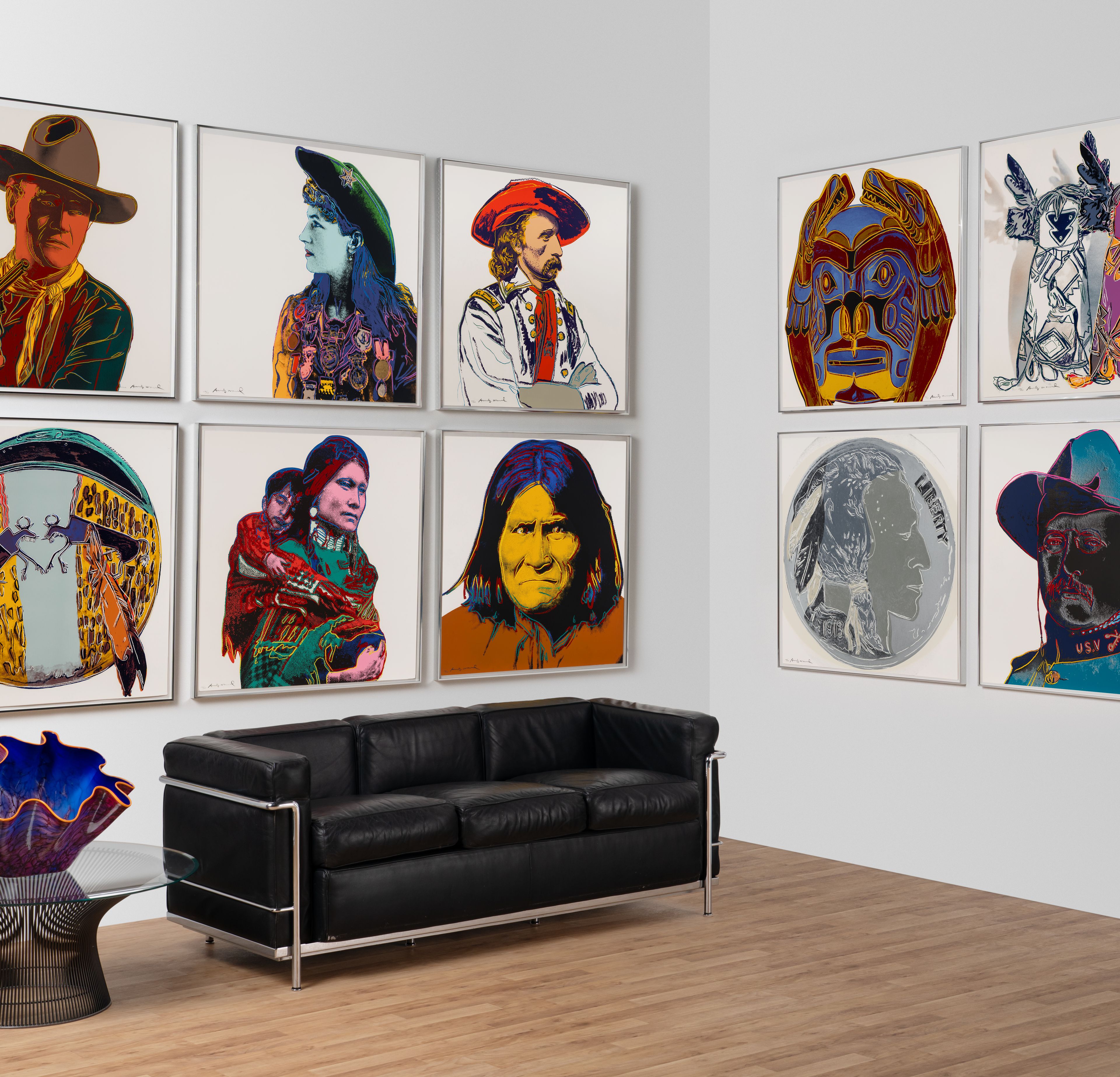
Cowboys and Indians, one of Andy Warhol’s final projects before his death, offers an iconic study of the American West situated between perception and history. After two years of work, sourcing images from the collection of the Museum of the American Indian, various nineteenth-century photographs, and film stills, the portfolio of ten screenprints culminated in the images we are delighted to present here— an arresting mix of legendary Western figures like Theodore Roosevelt, General Custer, and Geronimo alongside traditional Native American artifacts and commercialized depictions of the West like the Buffalo Nickel. By blending mythologized symbols of the American West with his signature Pop Art aesthetic, Warhol adeptly critiques the way media and consumerism have shaped public perception of Indigenous cultures and historical figures. The vibrant colors, bold outlines, and layered imagery underscore Warhol’s ability to transform serious cultural subjects into striking visual commentary. This portfolio stands as a powerful exploration of America’s historical myths and their lasting impact on contemporary cultures. Particularly interesting in the idea of perception in this portfolio is the original drive of its creation, where publishers Edmund Gaultney and Kent Klineman specifically approached Warhol in 1984 with the request that he take on a project with this theme. Warhol’s exploration of which scenes would resonate most with the public—and his contemplation of why the American West so powerfully reflects national identity—was central to the creation of the portfolio and remains key to its enduring resonance. This exploration of American identity and the West has only become more meaningful over time, as the West continues to shape popular culture and discourse, including through popular media such as the recent Paramount series Yellowstone. Simultaneously, art historians have increased their investigation into this previously undervalued area of Warhol’s oeuvre. In 2019, the exhibition Warhol and the West traveled across the country, bringing familiarity with the imagery and a new appreciation for the subject matter within the traditional Western Art canon. This juxtaposition of the romanticization of the West, Warhol’s intentional use of imagery, and the art historical rediscovery of this critical theme in Warhol’s artistic output has thus allowed for a greater understanding and relevance of this portfolio today. We are thrilled to offer this complete portfolio in our May 7th Prints and Multiples auction as part of the Property from the David R. Smith Revocable Trust. The portfolio was acquired by the family in 1986, shortly following its publication. As one of the rare complete sets with the unique John Wayne screenprint—featuring yellow accents that differentiate it from other impressions—the full set’s pristine condition and provenance present an opportunity for the most discerning collector to add a prime example of Pop Art and American history to their collection. INQUIRIES: [email protected]
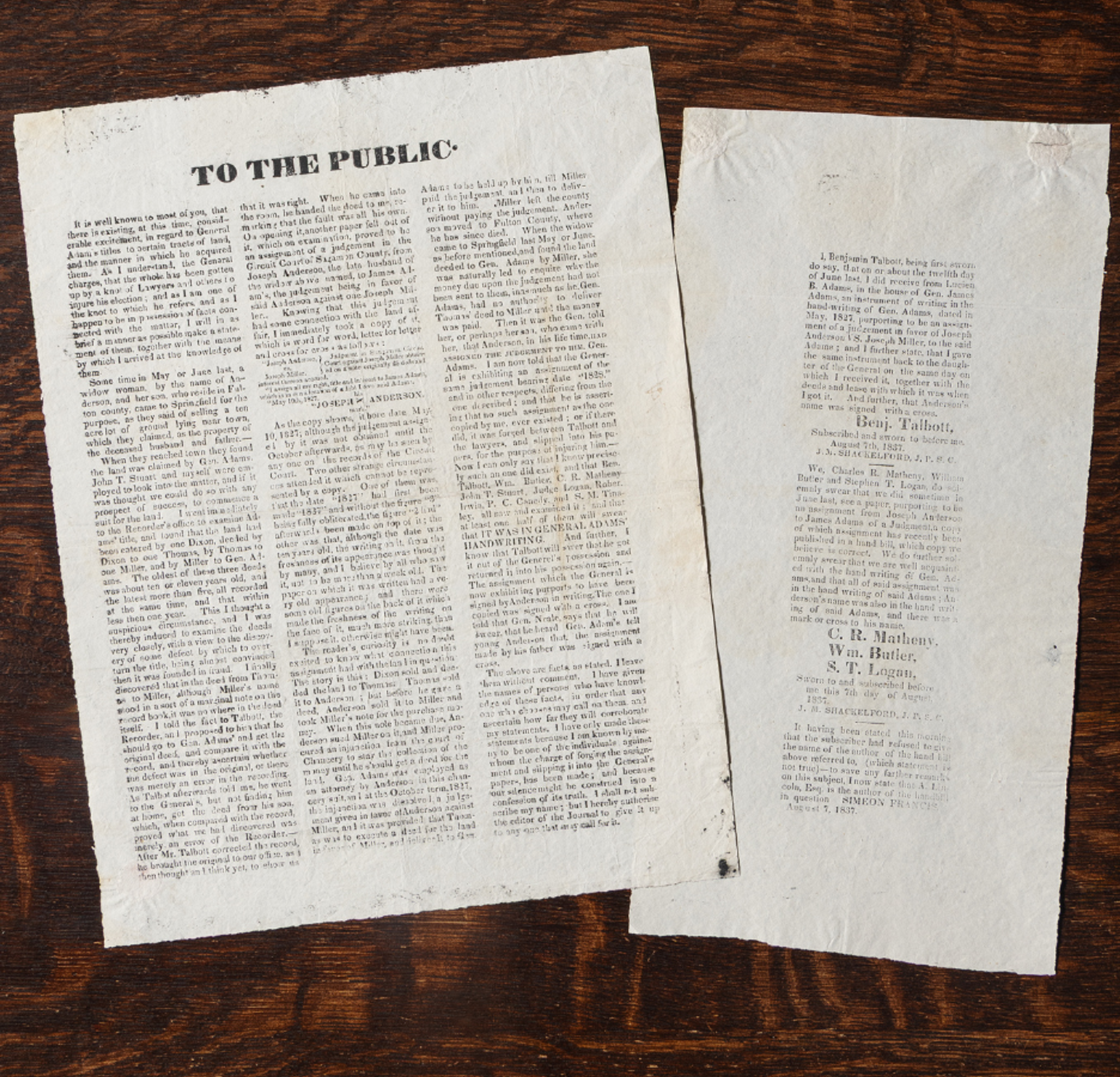
"Writing," Abraham Lincoln declared in 1858, "...is the great invention of the world... very great in enabling us to converse with the dead, the absent, and the unborn at all distances of time and of space." When Lincoln spoke those words at a lecture in Illinois (ironically, one of his rare failures as a public speaker), even he could not have imagined how "very great" his own writing would be judged-during his own lifetime and in the generations since. Indeed, Lincoln's words continue to resonate "at all distances of time and of space," extolling the virtues and exposing the vulnerabilities in our American experiment and informing our unfinished conversations about the democracy he called "the last best, hope of earth." No wonder Harriet Beecher Stowe declared that his writing deserved "to be inscribed in letters of gold." Lincoln is said to have composed some ten million words in all, every one of them painstakingly committed to paper by hand. The most famous of his phrases-like "new birth of freedom" and "malice toward none"-now animate our national vocabulary, with many renowned examples, of course, long enshrined in public archives. Few are the originals in private hands or on public sale. Lincoln would surely have been surprised at the unquenchable yearning for such material. For a man who knew he could not "escape history," Lincoln remained surprisingly immune to the electrifying power of what he wrote and touched. To one of the first admirers to request his autograph, he replied in 1848: "I am not a very sentimental man, and the best sentiment I can think of is, that if you collect the signatures of all persons who are no less distinguished than I, you will have a very undistinguishing mass of names." Even Lincoln could sometimes carry humility too far! Before at last hiring a private secretary for his 1860 presidential campaign, Lincoln was a poor record-keeper, too. Once he had shepherded a piece of writing into print-for a newspaper or pamphlet-he had no qualms about disposing of his original, however consequential. Hence: no surviving handwritten copies of his House Divided address or the masterpiece he delivered at Cooper Union. When it came to relics, what his friend Ward Hill Lamon said about Lincoln's indifference to liquor could well apply to his lack of interest in artifacts, including his own: He "abstained himself, not so much upon principle, as because of a total lack of appetite." Lincoln's nonchalance only heightened the ardor of admirers soon determined to preserve such material. And once Lincoln slipped suddenly into immortality in 1865, enthusiasts began a relentless quest to unearth and amass anything associated with his life. That quest has never abated. The legendary early Lincoln collectors included Osborn Oldroyd, who lived and exhibited his trove at the Washington boarding house where Lincoln died; and candy manufacturer Charles Gunther, who acquired the bed in which Lincoln died. Soon came Daniel Fish, William H. Lambert, Charles W. McClellan, Judd Stewart, and Benjamin Oakleaf, whose holdings grew so vast, their acquisitional pursuits so dominant, that they became known as the "Big Five" of the field now known by a new word: "Lincolniana." A new generation followed: Henry E. Huntington (who acquired the Lambert and Stewart collections) and lawyer Oliver R. Barrett; then Justin Turner, Malcolm Forbes, Louise Taper, Benjamin Shapell, David Rubenstein and others. What keeps energizing the field is that, from time to time, some signature collections find their way back to the public domain at public sales-like the Barrett and multiple Forbes auctions decades ago-material, as Carl Sandburg once marveled, somehow "saved from flame and time." This very catalogue heralds another milestone, as evidenced by its staggering initial lot. For it opens with the very first piece of writing in the entire Lincoln canon-the doggerel reproduced on page one, volume one of The Collected Works of Abaham Lincoln: a tattered leaf from a copybook that the teenaged future president used to practice arithmetic and scrawl poetry: To see this piece is, for Lincoln devotees-whether we be "fools" or not-the equivalent of glimpsing the holy grail. And those who remain under Lincoln's spell will find in this catalogue many treasures evoking his life and death, from that scribbled rhyme long preserved by the stepmother who outlived him to the bloodstained white kid gloves he took with him to Ford's Theatre on April 14, 1865, the very night the man became a myth. With these and its other pieces freshly researched and authoritatively described, this very catalogue becomes a "collectible" in its own right. It is the record of a singular moment when words, relics, and images associated with our greatest leader have re-appeared from "distances of time and space" to grip us afresh. As the Washington Post said of the Barrett holdings nearly four score years ago, "America lives in these" relics. Even Lincoln might agree that his writing-this entire collection- enables us to "converse" with our greatest leader as if he were still here to guide us. If only he were. - Harold Holzer Harold Holzer is the the Director of the Roosevelt House Public Policy Institute at Hunter College. A leading scholar of Abraham Lincoln, he has authored, co-authored, or edited over 55 books on Lincoln and the Civil War. He previously served as Senior Vice President for External Affairs at The Metropolitan Museum of Art and chaired both the Lincoln Bicentennial Commission and Foundation. He is also the co-founder and chairman of The Lincoln Forum. Holzer received the National Humanities Medal in 2008 by President George W. Bush. His 2014 work Lincoln and the Power of the Press won the Gilder-Lehrman Lincoln Prize, and his other honors include the Mark Lynton History Prize from the Columbia University School of Journalism and the Goldsmith Prize from the Shorenstein Center on Media, Politics, and Public Policy at Harvard's Kennedy School. Holzer has lectured nationwide for more than 45 years and has appeared in Lincoln-related on-stage performances at venues that include the White House, Ford's Theatre, the Library of Congress, and the George H. W. Bush and William J. Clinton Presidential Libraries. Holzer was the historical consultant for Steven Spielberg's film Lincoln, and was featured in 2021-2022 Lincoln documentaries on both CNN and the History Channel. Holzer has received nine honorary degrees and has written more than 650 articles along with chapters or introductions for 65 additional books. His latest book is Brought Forth on this Continent: Abraham Lincoln and American Immigration (2024).
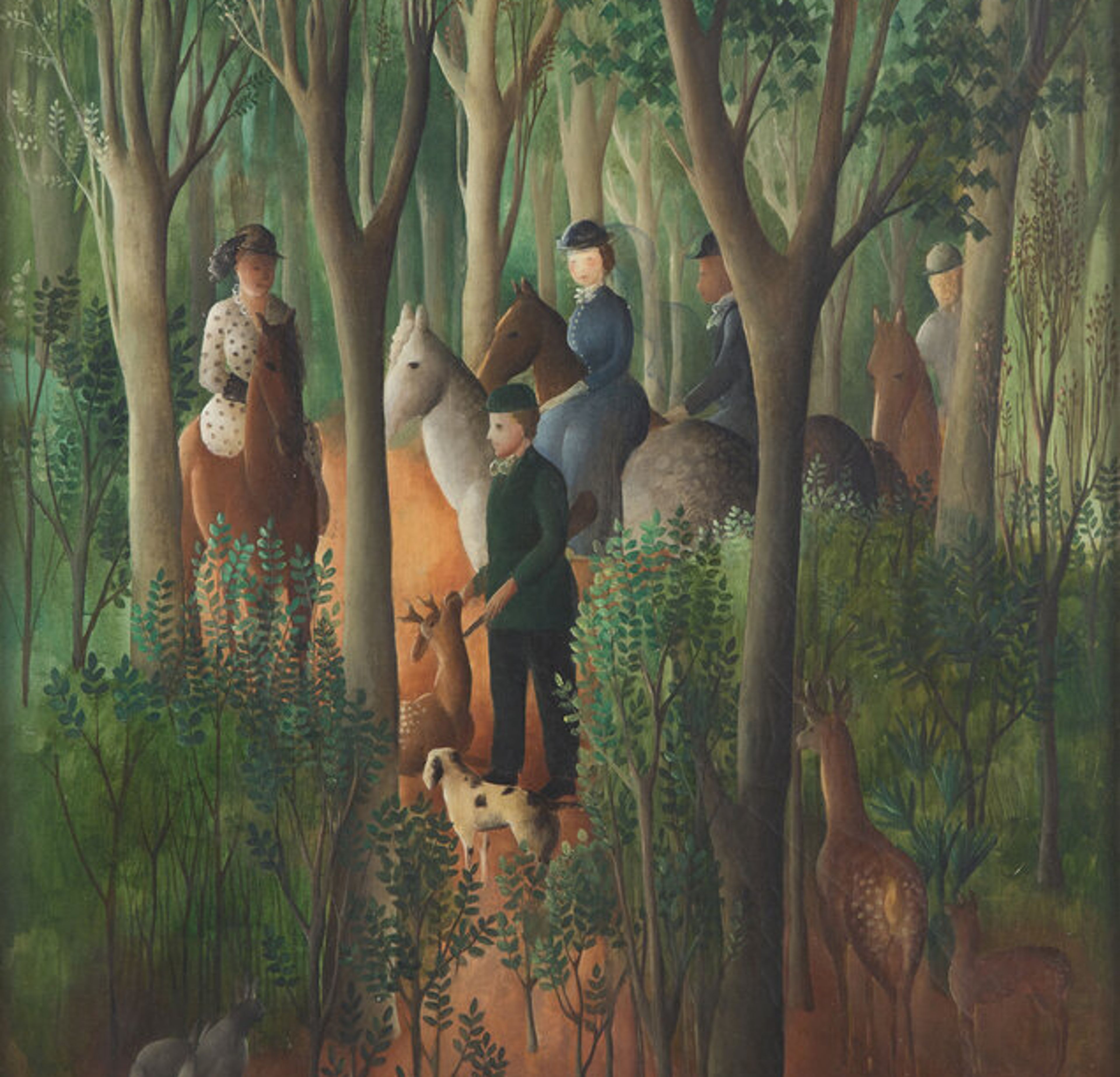
Freeman’s I Hindman is proud to present highlights from the estate of Helen Elliot Scott this spring season. The suite of sales is led by a group of works in our Impressionist and Modern Art auction on the 30th of April in Philadelphia, including two works by Spanish female surrealist Olga Sacharoff (La Chasse, $20,000 - 30,000 and Fleurs sur une Table, $6,000 - 8,000). Jewelry, including a sapphire and diamond ring and Tiffany & Co., mother-of-pearl, black onyx, and gold bangle bracelet, will be offered in the New York Important Jewelry auction on 18 June. Born in Boston in 1928, Helen (Gay) Scott, nee Elliot, was a pianist, piano teacher, mother of three, grandmother of seven, and a shining example of how to live gracefully. She studied piano as a child at the Longy School of Music in Cambridge, MA, and resumed her piano studies as an adult at the Royal College of Music and Trinity College of Music while living in London from 1969 to 1973 where her husband was special assistant to the American ambassador to the Court of St. James, Walter Annenberg. Married for 42 years to Robert Montgomery Scott of Wayne, PA, who served as President and CEO of the Philadelphia Museum of Art from 1982-1996, Helen also served on the board of the Curtis Institute of Music, taught for several decades at the Settlement Music School, and continued to teach privately into her nineties. She was a loyal alumna of the Shady Hill School and a graduate of the Foxcroft School and Radcliffe College. Works of art, Americana, and furnishings from her home in Wayne, PA, will feature in our Americana auctions in Philadelphia this fall season. Fine Art Inquiries: [email protected] Jewelry Inquiries: [email protected] Fine Art Viewing: April 21–26, 28; Jewelry Viewing: June 12 - 17 32 East 67th Street, New York, NY

We are honored to invite you to an exclusive preview of Fritz Scholder's seminal painting Four Indian Riders on April 29 at Freeman's | Hindman Denver. Last exhibited in 2009 for the artist's groundbreaking retrospective Indian/Not Indian at the National Museum of the American Indian, this evening presents an incredible opportunity to see this magnificent work in person before it travels to New York as the cornerstone of our Post War and Contemporary Art auction. To mark the occasion, we have invited an esteemed panel of experts to join us in the discussion, examining the legacy and work of Fritz Scholder, his impact on Contemporary Art, and the market for Contemporary Native American Art. We will also have artworks from our upcoming Western Art Auctions on view throughout the evening, including other artworks by Fritz Scholder, Earl Biss, Louisa McElwain, Duke Beardsley, Stan Natchez, Bill Anton, Edgar Payne, and more. Panelists include Dr. Julie Sasse, Chief Curator Emerita at Tucson Museum of Art and author of Southwest Rising: Contemporary Art and The Legacy of Elaine Horwitch; Tony Abeyta, Contemporary Diné (Navajo) Artist; Dr. Annabeth Headrick, Director, School of Art and Art History, University of Denver. Moderated by Alexandria Dreas, Specialist, Head of Sale for Western and Contemporary Native American Art at Freeman's | Hindman. April 29 5:00-7:00 PM Conversation Begins at 5:30 PM Freeman's | Hindman Denver 2737 Larimer St Ste C Denver, CO 80205 RSVP here.
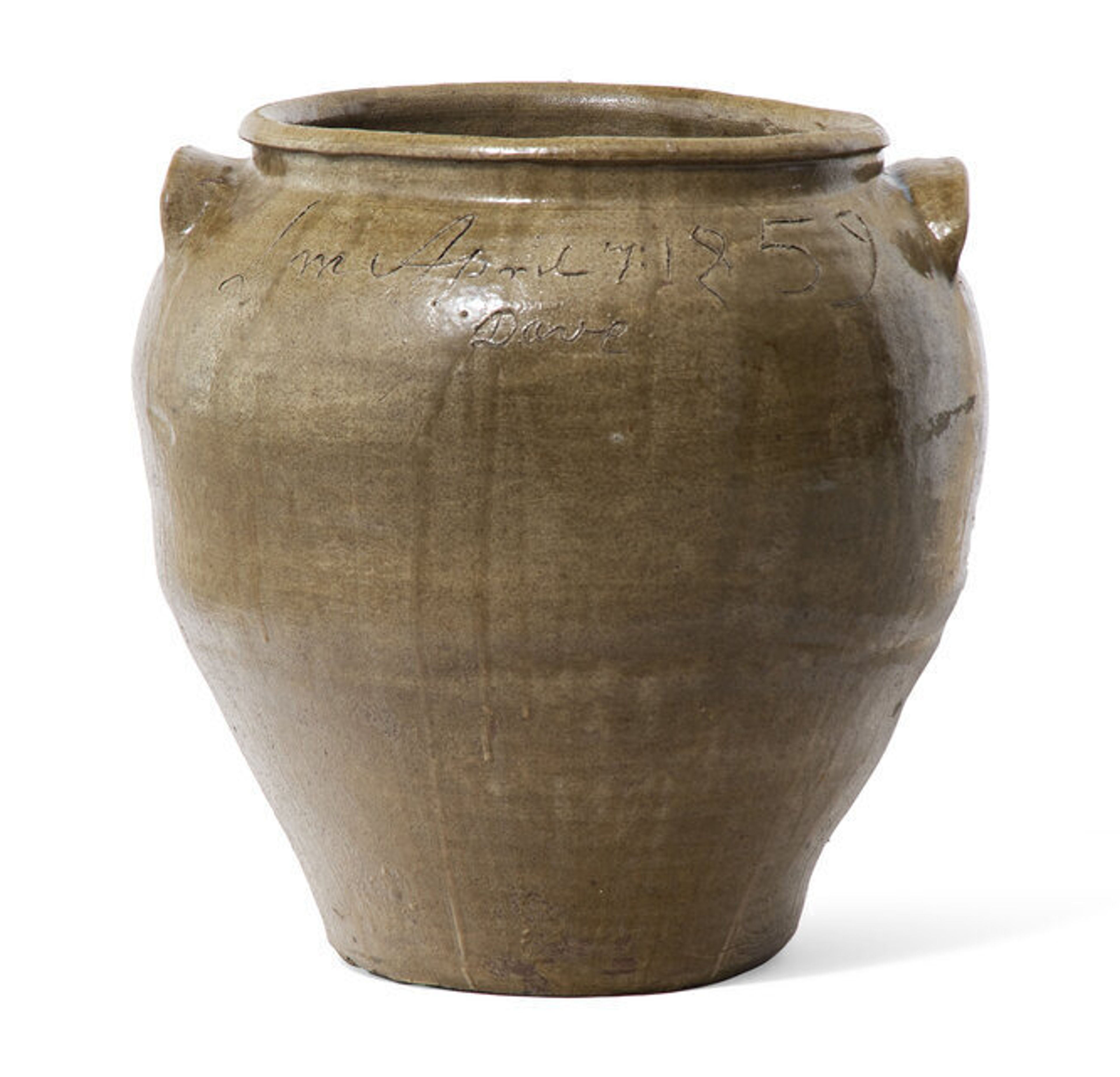
An important figure in recent American ceramics scholarship is the prolific, enslaved potter, David Drake (about 1800-1870) of South Carolina. Rare among enslaved people, Drake was literate and inscribed his utilitarian alkaline-glazed vessels with dates, commentary on daily life, religion, poetry, and most importantly, his name. Examples of Drake’s work were given context and featured in the landmark 2022 exhibition, Hear Me Now: The Black Potters of Old Edgefield, South Carolina, which opened at the Metropolitan Museum of Art and traveled to the Museum of Fine Arts, Boston; the High Museum of Art; and the University of Michigan, Museum of Fine Arts. His work is actively sought by collectors and institutions. Freeman’s | Hindman is honored to offer a large two-handled, incised crock by David Drake in our April 29th American Furniture, Folk and Decorative Arts auction. The inscription along the vessel’s shoulder reads, Lm April 7, 1859 / Dave. The reverse of the vessel bears three incised hashmarks, indicating the large storage capabilities of the crock. While the three marks suggest that the crock could store 30-gallons, further rudimentary testing suggests that the maximum storage capacity is closer to 22-gallons. The crock descended in the family of farmer Ralph Jones (1821-1890) and his wife, Susan Elizabeth Morton Jones (1847-1939), Eatonton, Putnam County, Georgia to the present owners. Lot 191 | A Rare and Large Dave Drake Alkaline Glazed Two-Handled Stoneware Crock David Drake (c. 1800-c.1870), Edgefield, South Carolina, 1859 $150,000 - 250,000 Provenance: Ralph Jones (1821-1890) and Susan Elizabeth Morton Jones (1847-1939), of Eatonton, Georgia; to their daughter, Elizabeth Jones Gooch (1875-1969), and her husband Benjamin Erasmus Gooch (1869-1944); to their daughter, Susan Gooch Cone (1903-1950), and her husband Aaron Asberry Cone (1899-1967); thence my descent to the present owner, Eatonton, Georgia. Viewing: April 23–28 2400 Market Street, Philadelphia, PA
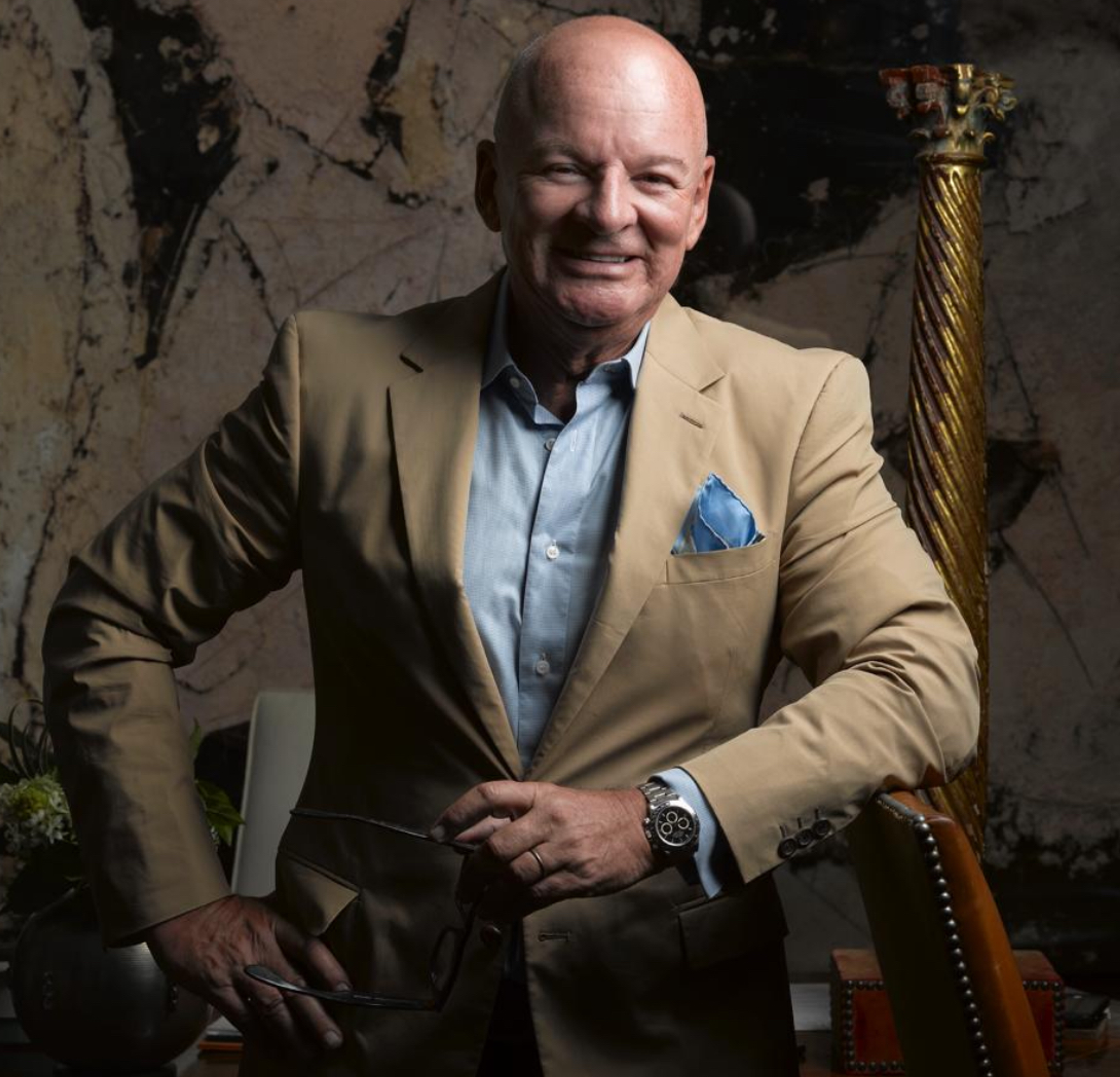
Celebrated as one of the world’s most acclaimed and prolific interior designers today, Juan Montoya is well-known for his exceptional taste. A consignor in our upcoming Watches auction this April 17, Freeman’s | Hindman’s Gemma Sudlow, sat down with Mr. Montoya to discuss his collecting interests and how his work as an architect and designer influences his personal collecting habits. Gemma Sudlow: How does your background as an architect and designer influence what you look for in a watch? Juan Montoya: As an architect and designer, I always look at the mechanics, precision, and beauty of the watch. Those elements are evident in the watches I’ve amassed in my collection. Lot 32 | ROLEX, REF. 16520 STAINLESS STEEL ZENITH 'DAYTONA' WATCH | Estimate: $20,000 - 30,000 GS: Is there a common thread in your collection, or did you look at each watch individually? JS: I generally try to look at each watch as an individual piece. This practice has led me to collect a wide variety of timepieces. Lot 43 | ROLEX, REF. 1503 18K YELLOW GOLD 'OYSTER DATE' WATCH | Estimate: $8,000 - 12,000 GS: Did you build your collection with attention to the fashions of the time, or were you looking at longer-term investment trends in the market? JS: I build my collection based on the solid beauty and history of the watch itself. I am most fascinated with the mechanical and precise qualities of the watches I collect, which is reflected in the classic styles amassed in my collection. GS: What was the first watch that you purchased for your collection? JS: A Rolex 1940 and a Cartier 1925 Lot 56 | CARTIER, STAINLESS STEEL AND 18K YELLOW GOLD 'BALLON BLEU' WATCH | Estimate: $3,000 - 5,000 GS: Have you ever considered designing a watch? JS: No, I’ve never considered designing a watch. I think of watches like tattoos; they’re permanent things of beauty and should not be trendy. GS: Are there any design features or watches you are particularly drawn to in your collection? JS: I am particularly drawn to the gold Rolex, which is mechanically intriguing and beautiful. Lot 53 | IKEPOD, STAINLESS STEEL 'HEMIPODE CHRONOMETER' WATCH, BOX & PAPERS | Estimate: $3,000 - 5,000 GS: In this digital age and world of fast fashion, can you end with a quotation about your thoughts on luxury and taste and how you find space to create? JS: A watch has to be timeless and exquisite in detail.
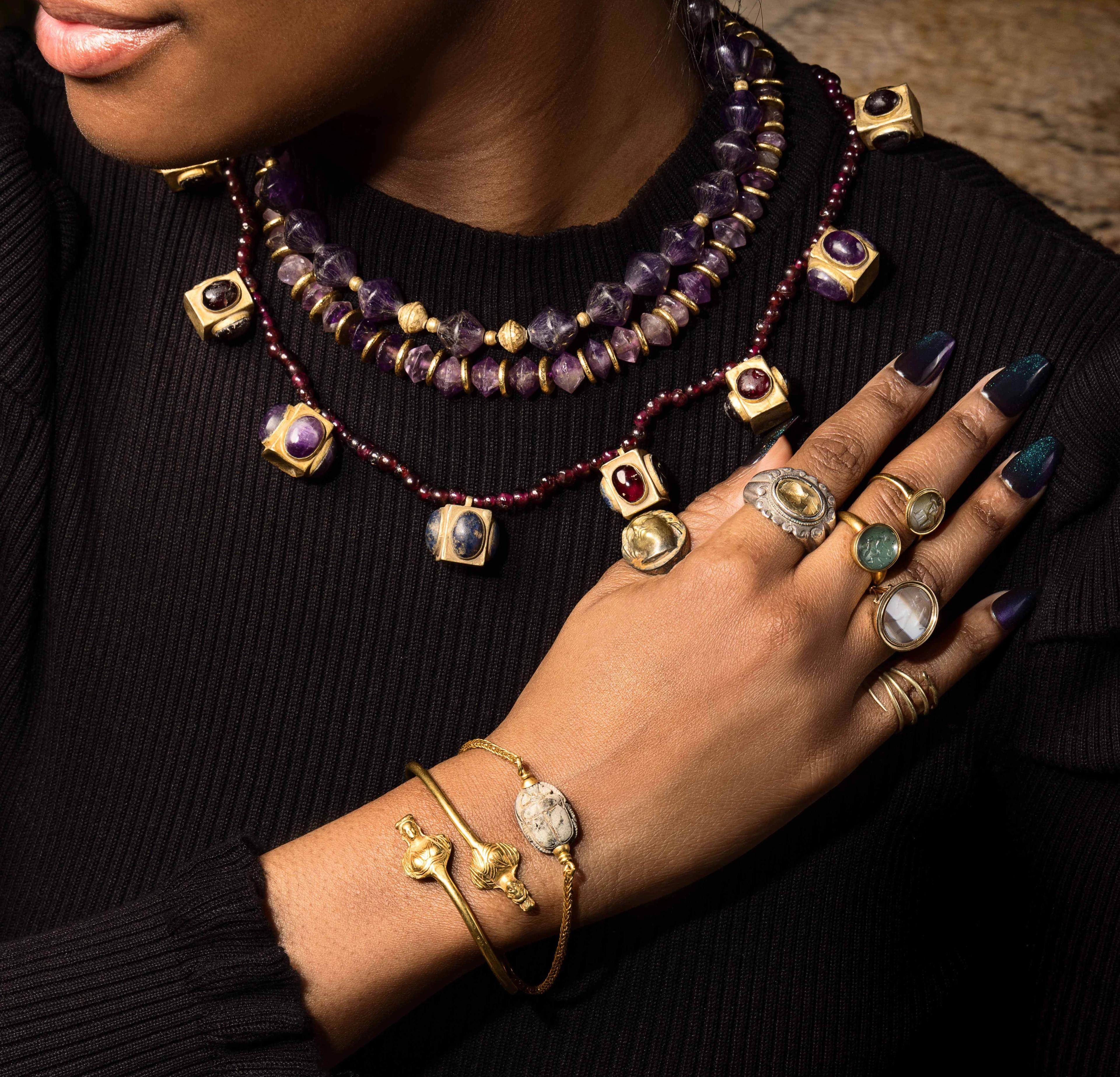
Freeman’s | Hindman’s annual Jewelry Through the Ages auction explores jewelry trends and their evolution from ancient to modern. Across more than 500 lots from the 1st millennium BC to the 21st century, bidders will have the opportunity to acquire wearable pieces from a range of cultures. Join us as we delve into the following dynamic periods of jewelry history during Days I and II of these sales: Ancient Near East, Egyptian, Greek, Roman, Byzantine, Islamic, Neoclassical, Georgian, Victorian, Belle Époque, Art Deco, and Retro. Day I: Ancient to Neoclassical Ancient Near East (Circa 3300–400 B.C.) In the cradle of civilization, regions like Mesopotamia saw the emergence of intricate jewelry crafted from gold, silver, and semi-precious stones such as carnelian and lapis lazuli. Cylinder seals, often made of these materials, were worn as amulets or status symbols. These pieces not only served decorative purposes but also held religious and social significance, indicating the wearer's status and beliefs. Ancient Egyptian (Circa 3100–30 B.C.) Egyptian jewelry is renowned for its symbolism and use of vibrant materials. Crafted from gold, faience, and semi-precious stones, necklaces, bracelets, and rings often featured motifs like the scarab beetle, symbolizing rebirth, and the ankh, representing life. Jewelry was believed to offer protection and was integral in both daily wear and burial practices, underscoring its spiritual importance. Ancient Greek (Circa 800–31 B.C.) Greek artisans excelled in creating jewelry that balanced form and function. They utilized gold and silver to craft pieces adorned with motifs inspired by nature and mythology. Techniques such as granulation and filigree were employed to add intricate details, and the use of colored stones became more prevalent during the Hellenistic period, enhancing the visual appeal of their creations. Ancient Roman (Circa 500 B.C.–476 A.D.) Roman jewelry was known for its diversity and opulence. Influenced by the cultures they interacted with, Romans preferred gold and included a wide variety of gemstones, such as emeralds, sapphires, and pearls. Jewelry pieces like brooches (fibulae) served not only decorative purposes but also practical functions, like fastening garments. The widespread use of rings, often set with engraved gemstones, reflected both personal adornment and social status. Byzantine (Circa 330–1453 A.D.) Byzantine jewelry inherited Roman traditions while incorporating Christian symbolism. Gold remained the dominant material, and pieces were often embellished with enamels and colorful gemstones. Crosses and other religious iconography became prevalent, reflecting the empire's deep Christian faith. Jewelry from this period was not only decorative but also served as a display of piety and wealth. Islamic (Circa 7th Century onwards) Islamic jewelry is noted for its intricate designs and the use of calligraphy, geometric patterns, and arabesques, reflecting broader artistic trends within Islamic art. Due to religious beliefs discouraging the depiction of human figures, artisans focused on abstract and floral motifs. Materials such as gold, silver, and gemstones were commonly used, and jewelry often served as portable wealth and a symbol of social status. Neoclassical (Circa 16th–19th Century) The Neoclassical period saw a revival of classical Greek and Roman aesthetics in jewelry design. Cameos and intaglios featuring mythological scenes became popular, and designs often incorporated classical motifs such as laurel wreaths and urns. Materials like gold and enamel were prevalent, and there was a renewed interest in simplicity and symmetry, reflecting the broader artistic movements of the time. Day II: Georgian to Modern Georgian (1714 - 1837) During the reign of the four Georges, lace pattern jewelry in pierced silver and gold complemented the fashion of the time. Diamonds were hand-faceted as rose and table cuts and set in silver. A gold backing could provide extra support for the piece and would not cause dark oxidized silver tarnish to rub onto the fabric of a dress. Allowing silver to oxidize created a glimmer and sparkle in candlelight. During this period, a large influx of colored gems from Brazil led to pink and pinkish-orange topaz becoming popular. Colored gems were often set with foil backing to enhance the intensity of color and shine. Sentimental jewels emerged during the late Georgian period and continued to gain popularity into Victorian times. Victorian (1837 - 1901) During Queen Victoria's long reign, jewelry exhibited a variety of styles and gem usages. Jewelry design adapted to the new silhouette of high collars, tight bodices, and full skirts with petticoats, bustles, and pleats. As society transitioned from agrarian to industrial, jewelers capitalized on new techniques and increased production capabilities. Diamond cutting favored old mine cuts with high table facets and open culets to let more light into the gems. These were often set as cluster rings or earrings, as well as ‘en tremblant’ flower brooches. The colored gems favored during this period included amethysts, often sourced from Russia, and red garnets, which could be faceted or in cabochon form and referred to as carbuncles. Deep royal blue or green enamel work was also frequently seen during this time, along with beautiful and elaborate hand engraving on yellow gold as a canvas. With all eyes on Queen Victoria, sentimental jewels gained immense importance. Her husband, Prince Albert, passed away at the age of 42 in 1861, devastating the Queen, who wore black mourning attire for the remainder of her reign. As this fashion took hold, the use of black enamel and black materials, such as black jet and black onyx set in gold, became very popular. Mourning jewels in the form of lockets, cameos, and hair jewelry became fashionable expressions of sentiment, which also developed alongside the language of flowers, with pansies and forget-me-nots being especially prominent. Queen Victoria’s lengthy reign also witnessed other jewelry trends influenced by historic events. The Revivalist Jewelry of this period reflected its own era and encompassed Greek and Roman, Egyptian, Etruscan, and Renaissance styles. The Late Victorian period also marked the early development of platinum usage, bringing about entirely new possibilities and significant changes in jewelry design. Belle Epoque (1871 - 1914) Edwardian (1901 - 1910) Gilded Age (1870 - 1900) Depending on where you are and what you are referencing, the turn of the 19th century has different names. Yet, in jewelry design, there are similarities that define each era. In fashion, there was a shift from wide, voluminous petticoat skirts to a slenderer, form-fitting silhouette. No longer in mourning and referred to as the "Beautiful Era" in France, the tremendous growth in wealth prompted society to show off. With an influx of diamonds and the new use of platinum, jewelry was crafted to resemble lace. This delicacy in design also extended to garlands, swags, and bows. A notable metalwork technique during this period was knife-edge metalwork, where the back is wider and more structured, while the front, like a knife blade, is fine and thin. Besides diamonds, popular gems included aquamarine and pearls. Art Deco (1919 - 1939) Although the period dates back to 1919, the 1925 Exposition Internationale des Arts Décoratifs et Industriels Modernes in Paris placed the style front and center. The French jewelry houses Cartier, Van Cleef & Arpels, Janesich, and Raymond Templier led the design direction for jewelry. Geometric designs, clean lines, and striking contrasts of color resulted in bold and daring works. Rubies, emeralds, and sapphires were favored accents to diamonds. Baguette and calibré-cut gems enabled intricate designs, as did the outline of black enamel. New materials in fine jewelry included jade, crystal, lapis lazuli, and silver. With the discovery of King Tut’s tomb in 1922, Egyptomania captivated the public’s attention, along with interest in Chinese and Japanese culture. Stylistically, this brought new motifs and the use of carved gems from India. As the period progressed, Late Deco jewelry experimented with scale and new innovations, such as the double clip brooch. The onset of World War II abruptly ended the flapper, Gatsby, Jazz Age era as the use of platinum became restricted and opulence diminished. Retro (Late 30’s - 40’s) The Retro design style responded to wartime demands for platinum by creating jewelry primarily in “rose” or “pink” gold, utilizing copper alloy for an elegant soft tone. Volume replaced the use of costly diamonds. Women joined the war efforts, bringing with them a newfound freedom. Women wore suits and feminized their appearance with a brooch. Many rings from this period are referred to as ‘cocktail’ rings, set with large rectangular gemstones like aquamarine or citrine. As supplies of larger emeralds, sapphires, and rubies were cut off, the Retro era explored new color combinations, such as aquamarine and ruby or citrine and ruby, with the rubies acting as accent gems. Advances in goldwork enabled by technical innovations made track link bracelets highly popular. Tubogas, brick link, and ‘Ludo Hexagone’ are now all part of the Retro lexicon. Van Cleef & Arpels took center stage during this period with their exhibit at the 1939 New York World’s Fair. With women’s growing independence and the current fashion revival of wearing suits, Retro jewelry is experiencing renewed interest in the marketplace.
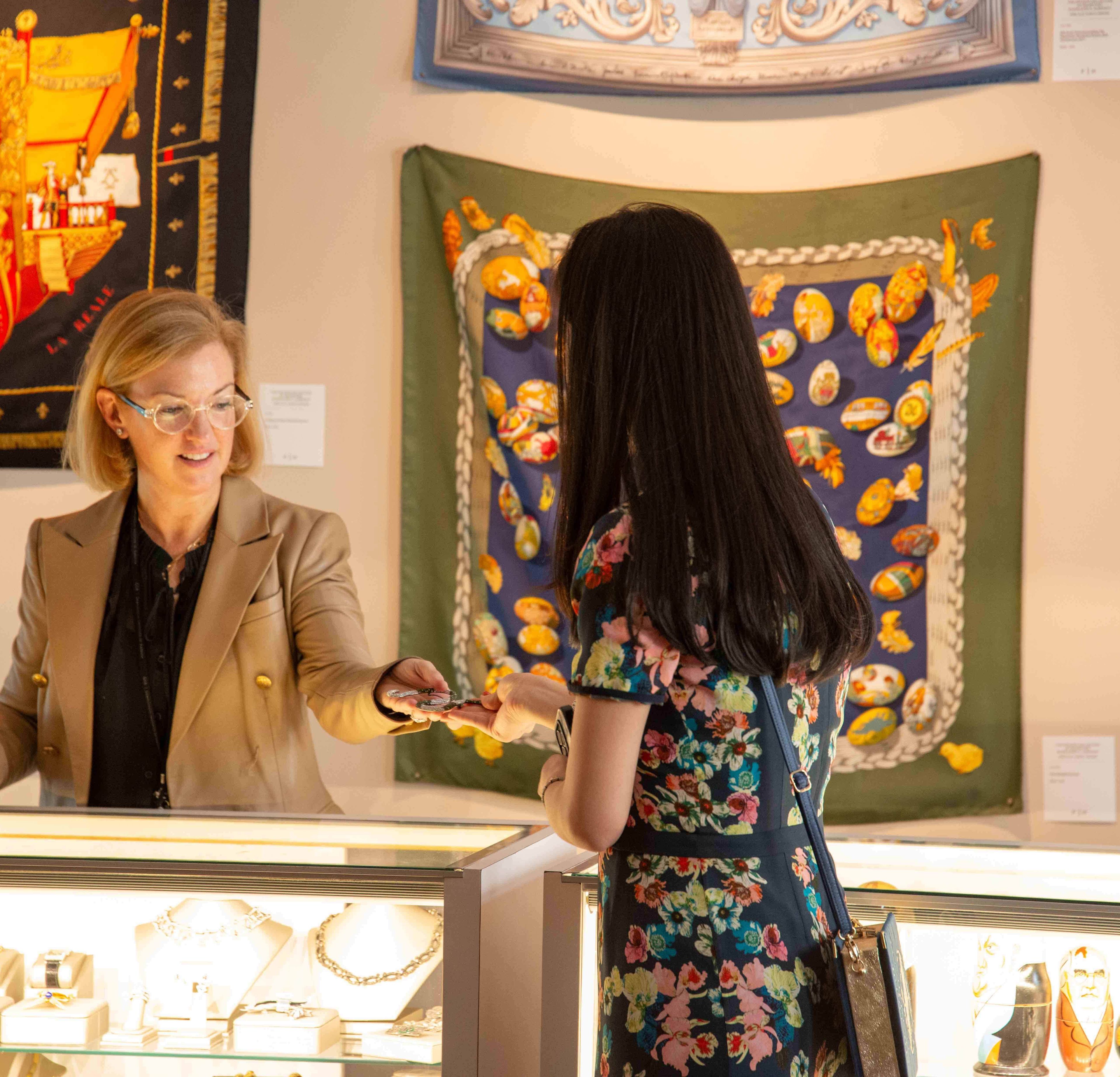
Join us as we spotlight April Matteini, Senior Vice President, Department Head, Jewelry, ahead of our first Important Jewelry sale of 2025 on March 20 in Chicago. Learn about her journey in the jewelry industry, her notable achievements at Freeman’s | Hindman, her personal collection favorites, and highlights of our upcoming sale. Freeman’s | Hindman: What was your first memory of handling jewelry? April Matteini: As a college student, I set out to apply my art history studies to practical applications through internships in museums and galleries. I landed a post as a preview assistant for a jewelry auction, and the rest is history. I always had a keen interest in fashion, (window dressing was also one of my favorite jobs at that same period), decorative arts, and particularly silver. Jewelry tied all my passions together. FH:What is your favorite piece of jewelry that you own? AM: A favorite piece in my personal collection is a cameo brooch – of all things! What I love about this brooch is that it tells a meandering story, which is often the case. Not every piece of jewelry, or any antique for that matter, fits neatly into the criteria that define a period or style. The signed onyx cameo depicts a classical male in profile, but the frame is much later, bears French hallmarks, and is set with alternating sections of diamonds and emeralds. Like much of the jewelry we handle, it has a personal, sentimental story! FH: What drew you to becoming a specialist and translating your passion into your career? AM: My interest in art began at a very early age while visiting museums with my grandmother in Boston; however, I wanted to be the person allowed to touch pieces and truly examine them up close! I never strayed from that desire and was fortunate enough to secure a position at a Boston auction gallery after college. The fast pace of auctions is certainly different from other areas of the art world, but the history and stories of the objects and the people who have owned them remain my main focus. FH: Describe a typical workday for you at Freeman’s | Hindman. AM: No two workdays are ever the same, which is one of the aspects of my job that I love most. That said, a typical day always involves jewelry! I have a kit with the tools of my trade for valuing jewelry, and most weeks I'm on the road meeting collectors in places where they feel comfortable, often at home or in a bank vault. I am also responsible for what we call in the auction world, “selling the sale.” I work with a wonderful team of jewelry professionals, and collectively, we have career-long connections with collectors and potential buyers of the jewelry we bring to market. Connecting these dots, if you will, is truly the value that Freeman’s Hindman adds to selling every object. FH: Can you describe a collection of jewelry you are proud to have brought to auction? AM: Last year, Freeman’s Hindman sold the Private Collection of Secretary Madeleine K. Albright, marking a personal career milestone. Secretary Albright was a career diplomat and brilliant political scientist, as well as a well-known and proud jewelry collector. In addition to the many works she authored on diplomacy; she was also the author of Read My Pins: Stories from a Diplomat’s Jewel Box. It was a privilege to tell the stories of her collection. FH: Freeman’s | Hindman’s Important Jewelry auction takes place on March 20 in Chicago. Can you tell us about some of your favorite pieces in this sale? AM: Our first Important Jewelry auction of 2025 will be taking place next week. This sale features property from various owners, which includes several excellent collections. As my luck would have it, antique jewelry is well represented. Here are some of my favorites: I am a bit of a rockhound, so lot one really speaks to me! This Victorian-period hardstone bracelet has a very simple design that lets the unique characteristics and beauty of each mineral take center stage. Lot 27 is a quintessential Art Deco bracelet. Fine diamonds are juxtaposed with geometric sections of calibre cut emeralds. The bracelet is elegant and bold at the same time, and for lovers of the period there is nothing not to love about this bracelet! Lot 105 is an exquisite 9-carat diamond ring by the Aletto Brothers, who have a long history of making high-quality jewelry from their founding in Italy in the 19th century to South Florida today. The center diamond is a modified cushion cut with an open culet and has the feel of an antique cut diamond. The contemporary platinum setting with fine, underdrawn prongs really lets the diamond sparkle!
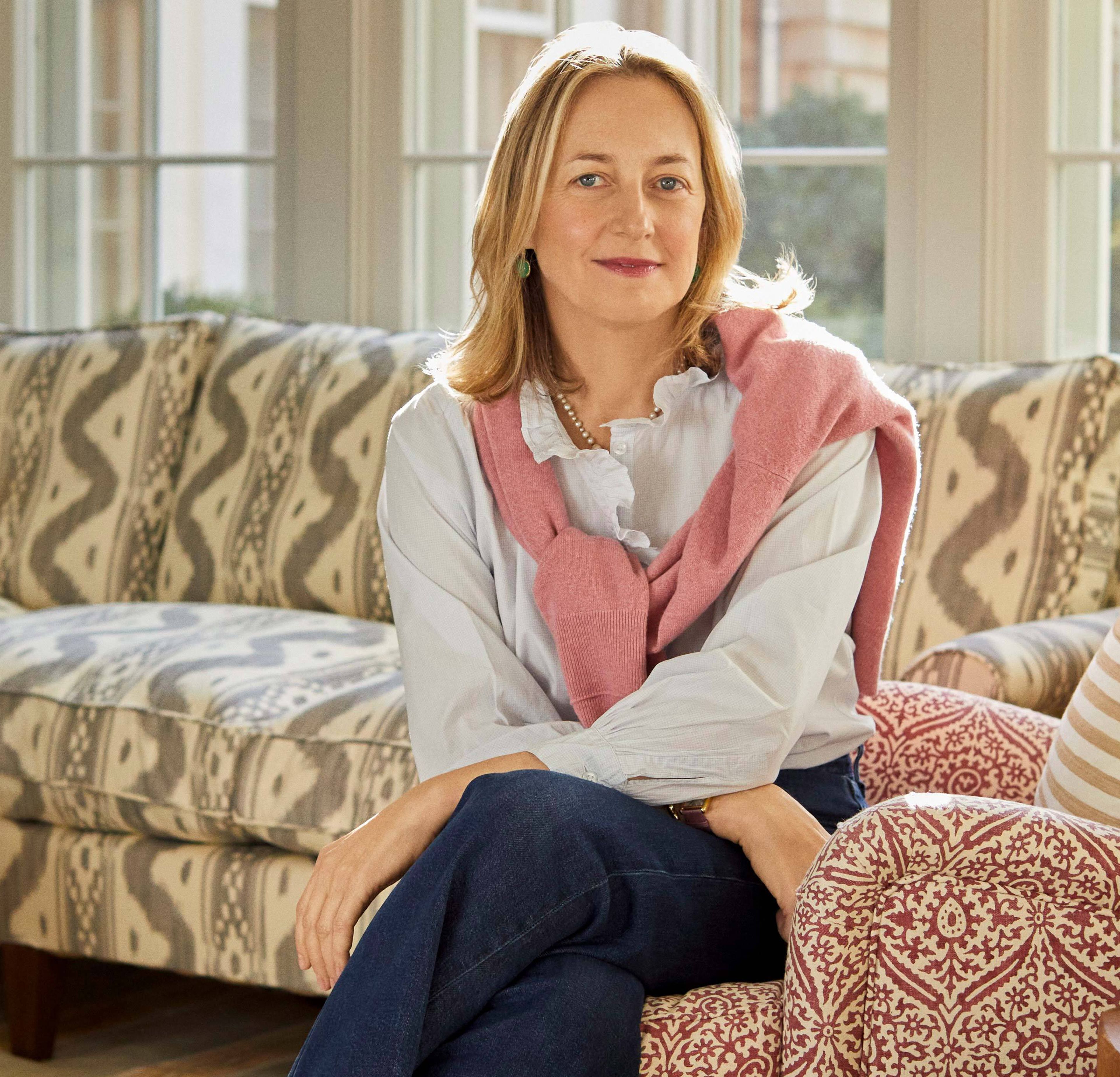
International designer and design journalist Rita Konig celebrates the launch of her new home base in Palm Beach by chatting with F|H’s Elizabeth Marshman, an AVP in our Trusts, Estates and Private Client Group, about her exciting partnership with The Lacquer Company, fabric and wallpaper collaboration with Schumacher, and what inspires her in our upcoming Palm Beach Edit sale on 20 February. Rita Konig for The Lacquer Company, Photo by Simon Upton Elizabeth Marshman: Rita! You are known and loved for your incredible English interiors, balancing heirlooms and existing clients' collections but bringing a fresh, modern take on the English country house aesthetic. What brings you to Palm Beach? Rita Konig: We've been lucky to have some incredible projects in America and have been considering opening an office in the States for a while now. When one of my senior team members, Lara Phillpotts, approached me about moving to Florida, the pieces all aligned and now we have a satellite office based in Palm Beach! It's the perfect location for us (and for you - congrats on your lovely new space!). I used to spend holidays in Palm Beach as a child and have always loved the vibe, which is a charming mix of elegance and carefree coastal living. I love being back and forth between London and Palm Beach (especially in the winter!). EM: Part of your office launch here includes a gorgeous collaboration with The Lacquer Company and Belle Rives trays in new colorways. Tell us more about your inspirations and where we can get them. RK: I wanted to develop two new trays for the launch in colours representing Palm Beach. I love these two shades and that they aren’t too typical of the colours usually associated with Palm Beach. The coral sand and pinky red remind me of the house where we used to spend our winter holidays. The lacquer trays are available through The Lacquer Company, Meg Braff in Palm Beach, and KRB in NYC. However, these colours were exclusive for our US launch and aren’t yet part of the line. Rita Konig for The Lacquer Company, Photo by Simon Upton EM: There is a reverence and understanding of the past that informs so much of your work. Tell us about your new collection of distinctive fabrics and wallpapers you produced with Schumacher. RK: As you might expect, I was influenced very much by old textiles – the batik was something I knew I wanted to include from the start; it reminds me of the late eighties and many of the rooms from my childhood. My mother would use batiks a great deal on cushions and lampshades. I also love that paisley, which was reproduced from a really pretty cotton I bought a while ago and had been saving for the day that I would do a collection. I often study old rooms. I love how comfortable they were and the mix of things much more carefree than they often are today. Rita Konig, Schumacher Collection, Photo by Francesco Lagnese EM: Last but not least, you are known for your keen eye when acquiring works of art and furniture with your clients for their interiors. If you could pick three things from our jewelry auction that inspire you, what would they be and why? RK: This is perhaps the toughest question so far to pick just three things! The first piece that speaks to me is the (Lot 2) Tiffany & Co. by Paloma Picasso Citrine Bead Necklace. I’ve always admired the jewelry designs of Paloma Picasso, and the citrine necklace is a gorgeous example of her oeuvre. Citrines are associated with creativity and prosperity – two things that I hope will follow me here from England to beautiful Palm Beach! My second pick is this stylish (Lot 44) Bottega Veneta Tortoise-Effect Resin Clutch. It is sophisticated and chic, and pairs with so many outfits. Finally, mirroring the crystal blue waters of Florida, I chose a beautiful pair of Turquoise and Diamond Drop Earrings (Lot 56). From left to right: Lot 2 | TIFFANY & CO., PALOMA PICASSO, CITRINE BEAD NECKLACE | Estimate: $1,500 - 2,500 Lot 44 | BOTTEGA VENETA, TORTOISE-EFFECT RESIN CLUTCH | Estimate: $400 – 600 Lot 56 | TURQUOISE AND DIAMOND DROP EARRINGS | Estimate: $1,500 - 2,500 Featured image: Rita Konig, Photo by Eric Piasecki