New & Noteworthy
Stay up to date with news, highlights, & features from across Freeman's.
Stay up to date with news, highlights, & features from across Freeman's.
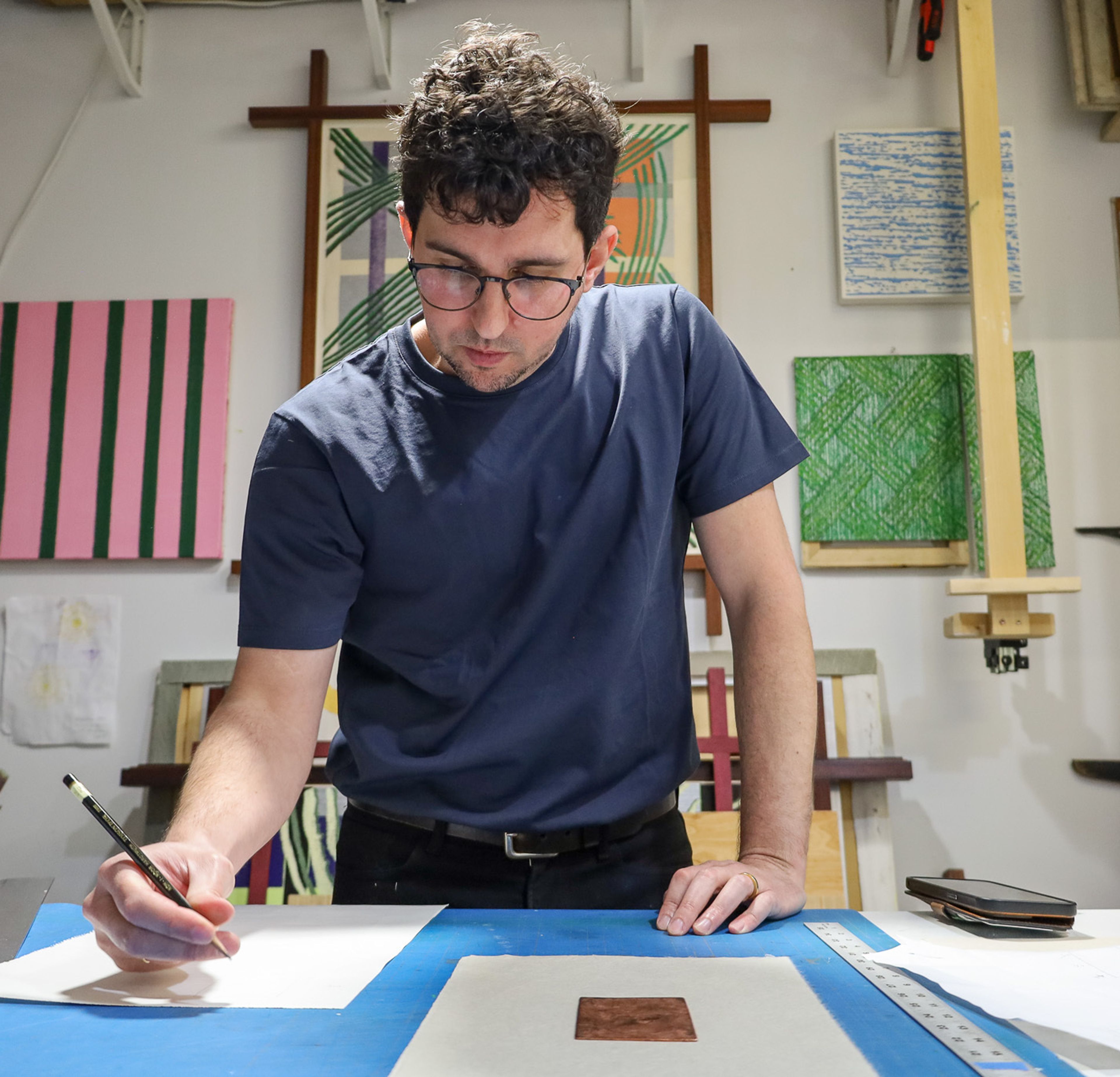
Following a successful event on April 10th celebrating the printing process in Freeman’s New York gallery, Senior Specialist, Prints and Multiples, Matthew Stavro sat down with master printer Evan Bellantone.
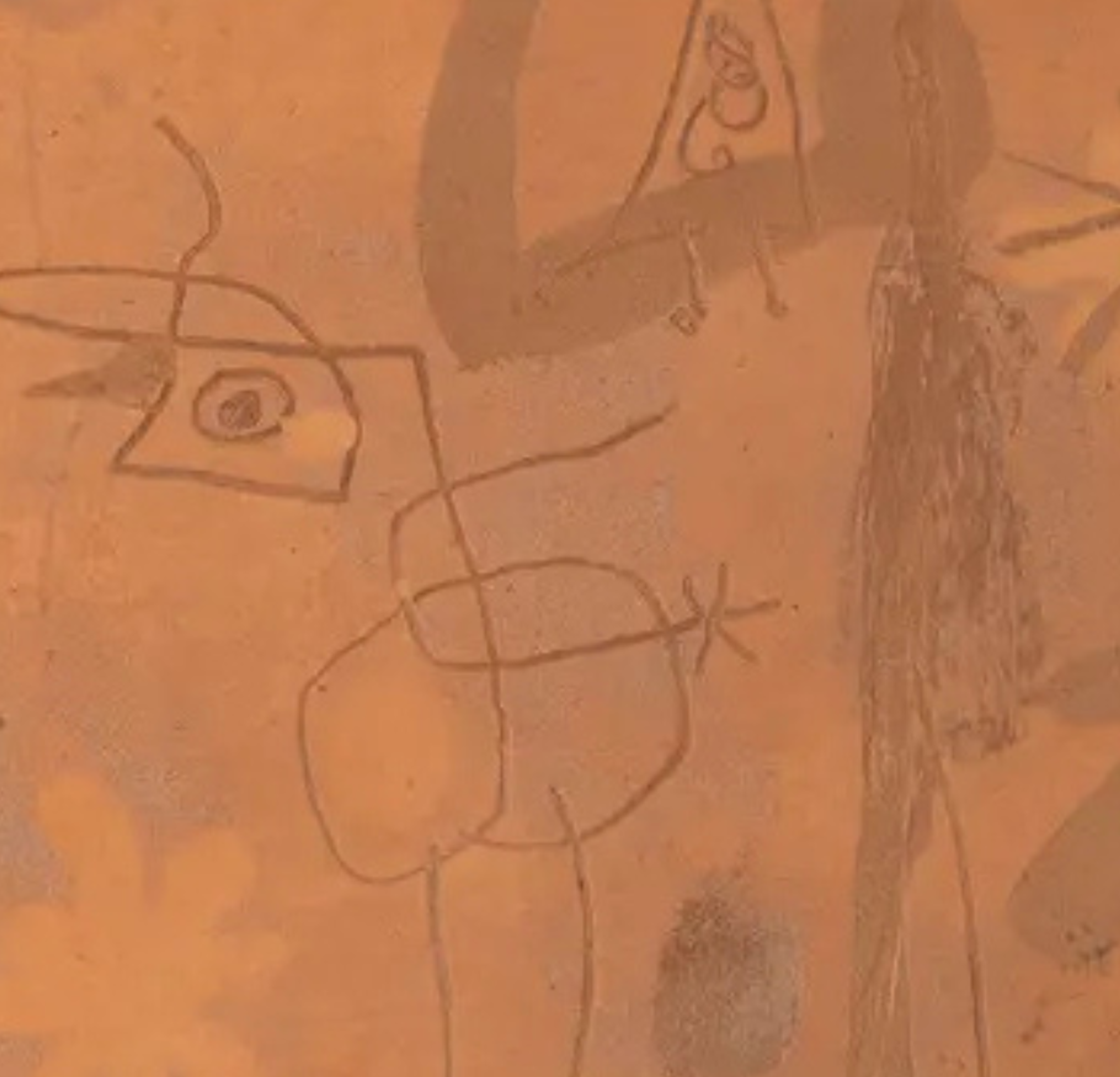
Featuring original copper plates by Rembrandt van Rijn, Joan Miró, Henri Matisse, and Salvador Dalí, as well as original lithographic stones by Henri de Toulouse-Lautrec and Henri Fantin-Latour, our April 24th Prints & Multiples auction offers the rare opportunity to acquire part of the history and process of printmaking. These significant examples by the most well-regarded artists in the history of printmaking speak to the entire creation process, from composition and collaboration to the different phases of creative process and the life of the plates after the artist’s involvement.These plates have created some of the most recognizable prints in the history of printmaking and are now available as beautiful works of art themselves. To create either a plate for etching or a lithographic stone involves making marks onto a prepared surface, fixing this image via chemical means, then inking and printing the resulting plate or stone. For etchings, a thin metal plate—most often copper, preferred for its softer qualities— is covered with a waxy, acid-resistant layer, the ground. Traditionally, a hard wax ground is used, such as for Lot 124, Matisse’s copper plate for Visage aux Yeux fixés vers le Sol (1946). Here, the artist drew directly onto the plate by pulling a sharp tool through the hard ground, directly exposing the copper. When the intended composition was complete, the plate was submerged in acid, incising the exposed lines into the metal plate. Once the remaining ground was cleaned off, the copper plate was prepared for printing by pushing the ink deeply into the exposed lines. Soft-ground etching involves adding a fat such as tallow to the hard ground to make it more pliable. This process allows for a greater variation of marks and textures, as different materials can be used to mark the ground at varying pressures. For example, in Lot 125, one of the three copper plates used for Joan Miró’s etching,La Main (1947/53), the artist pressed his hand into the soft ground (see top plate below). In this example, you can see very clearly that a broad variation of etched marks can be produced with the softer, more workable ground. To make a lithograph, such as Henri Fantin-Latour’s Vénus et l'Amour, Lot 118, an artist first draws on a stone with an oil-based medium. The stone is traditionally limestone, though today other materials like aluminum may be used. Once complete, the image is treated with a solution of gum arabic and nitric acid that bonds the image to the surface of the stone. Once it is cleaned, the drawn area will accept ink while the negative space will repel it, allowing only the drawn composition to be transferred to the paper. After the plates are created and the first edition is set, additional steps may follow to fine tune the composition or to extend the life of the plate. These can result in a ‘second state.’ Often even third, fourth, or fifth states can be produced. As an example, Henri de Toulouse-Lautrec’s lithographic stoneÉtude de Femme, Lot 119, features added text in its second state so it could be printed as a title page for a song sheet by Hector Sombre. When the published edition of a print is complete, often the artist or publisher will choose to ‘cancel’ the plate. To do this, marks are etched onto the plate signaling that future printed impressions are outside of the published edition. This will usually take the shape of a few lines through the image. However, artists often have different methods for different projects. As you will see in Matisse’s cancelled plate, Nu couchée s'appuyant sur le bras droit (1929), Lot 120, he has inscribed a dedication to printer Roger Lacourière’s wife, Madeleine, ‘en homage a Madame Lacouriére-H. Matisse’, which would be reversed if printed. These cancellation marks help to preserve the integrity of the published edition by preventing unauthorized future editions and, for this work by Matisse, provide additional historical context about the artist’s relationship with his collaborators. Printing presses exert a great deal of pressure on the copper plates, flattening incised lines over time and leading to a loss of precision or tonality in the printed image. This can be seen especially in Rembrandt impressions. When comparing impressions pulled from the copper plate during the artist’s lifetime to impressions centuries later, the diminishing quality of the image can be extraordinary. For Rembrandt’s Woman at a Door Hatch Talking to a Man and Children (1641), Lot 135, Alvin-Beaumont, who acquired the plate in 1906, recognized its value as a work of history and art, and had the plate varnished for presentation rather than focus on reprinting. Other owners of Rembrandt’s plates, who wanted to print the images, took it upon themselves to deepen and sharpen the flattened lines with their own hand. This ‘reworking’ of the plate now helps us date the impressions and has become one of the largest driving factors in the prices of Rembrandt prints on the market with twentieth-century impressions generally being much less valuable than seventeenth-century impressions. From hard-ground etching to soft-ground etching, from steel-faced copper to lithographic stones, and from cancelled to reworked plates, the story of the plates presented here is the story of the artist’s creation and refinement of ideas. These works detail the collaboration of the artist with the printer and reflect how the artist approached the creative process while recognizing and adapting to the unique considerations of working with the medium. They offer untapped opportunity to gain greater understanding of the makers and their work by providing singular access to the artist’s creativity and art historical legacy as defined and expanded through their printmaking.

Join us as we spotlight Reginald Brack, SVP, Head of Department, Watches, ahead of our Watches auction, to be held live in Chicago on April 22.
Dr. Deane Penn (1941-2021) was born in NYC and educated at the Horace Mann School, where he learned to appreciate diverse cultures. He was a Renaissance man.

Join us as we spotlight Annie Wu, Vice President, Head of Department, Asian Works of Art, ahead of our Asian Works of Art auction, to be held live in New York on March 27.
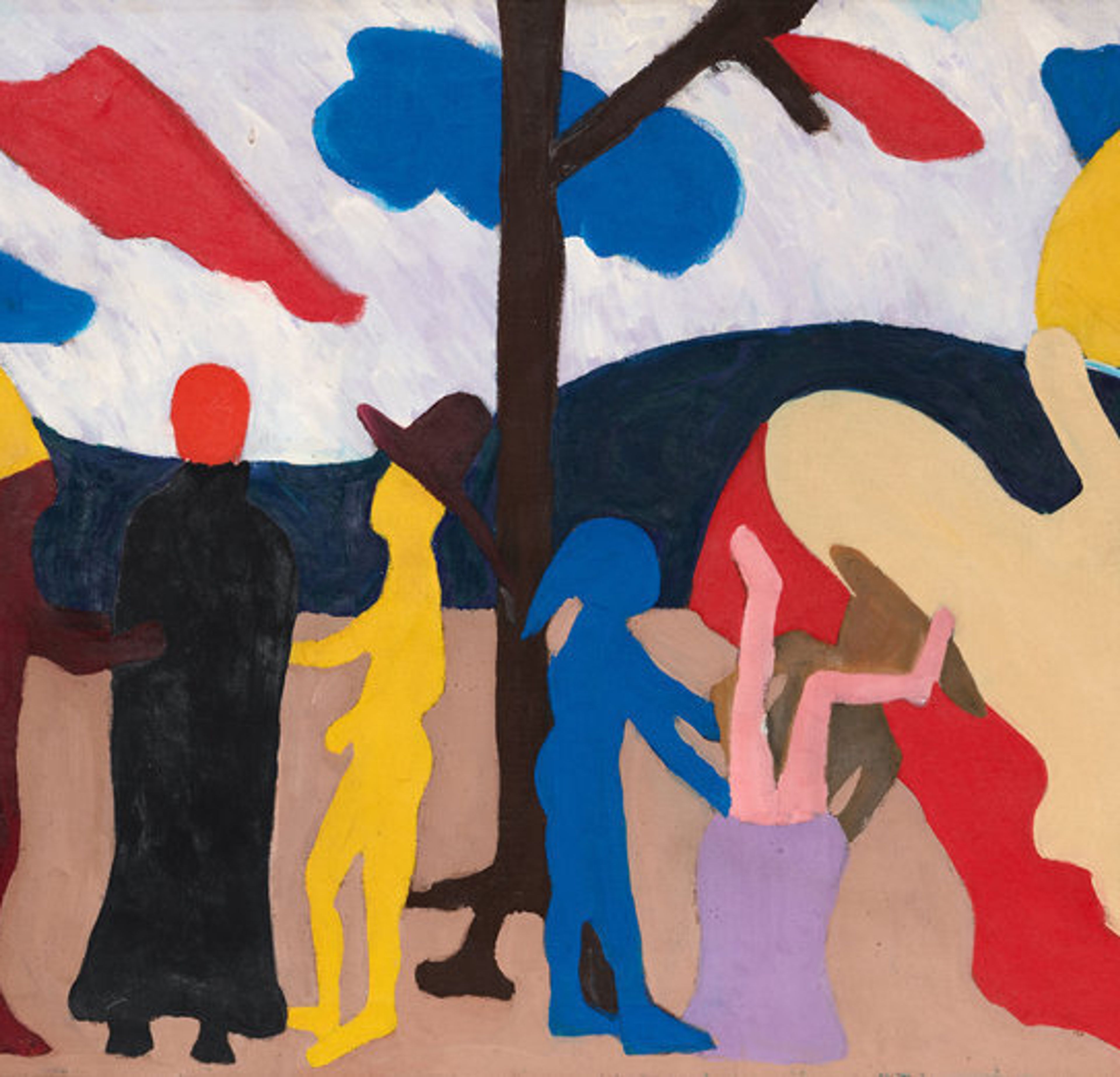
At Freeman’s, history lives in the objects, archives, and artworks that pass through our hands. Each piece carries a human story, and during Black History Month, we pause to recognize and celebrate the immeasurable contributions of Black artists, collectors, makers, and historical figures whose legacies continue to shape American and global culture. Stewardship of History Through Objects For more than two centuries, Freeman’s has served as a steward of cultural history, entrusted with objects that reflect the breadth and complexity of the past. Among these are works and materials that illuminate Black excellence, resilience, creativity, and leadership across generations. From fine art and manuscripts to decorative arts and Americana, these objects are not simply collectibles; they are primary sources that help tell a fuller, more inclusive story of history. Amplifying Black Artists and Makers Freeman’s has been honored to present and champion works by Black artists whose voices and visions deserve sustained recognition. Through our auctions, editorial content, and public programming, we strive to contextualize these works thoughtfully, while placing them within both the canon of art history and the lived experiences that shaped their creation. By doing so, we aim to support scholarship, encourage new collectors, and help ensure these works are preserved and celebrated for generations to come. Preserving Narratives Often Left Untold Objects have the power to reveal histories that traditional narratives overlook. Freeman’s has had the privilege of handling rare documents, photographs, and artifacts connected to Black history, materials that speak to intellectual achievement, cultural leadership, and everyday life. Whether tied to the civil rights movement, entrepreneurship, or artistic innovation, these items deepen our understanding of the past and underscore the importance of preservation. Responsibility, Research, and Respect Engaging with culturally significant material carries responsibility. Our specialists approach each object with rigorous research, care, and respect, collaborating with scholars, institutions, and collectors to ensure accurate attribution and thoughtful interpretation. This commitment reflects our belief that the auction process can play a role in education and cultural stewardship. Black History Month is not a moment confined to February. It is an ongoing commitment to recognition, inclusion, and excellence. At Freeman’s, we continue to look ahead, seeking opportunities to expand representation, elevate underrepresented voices, and tell richer, more complete stories through the objects we present. As we honor Black History Month, we reaffirm our dedication to preserving history through objects, and to ensuring that the stories they carry are shared, valued, and remembered.
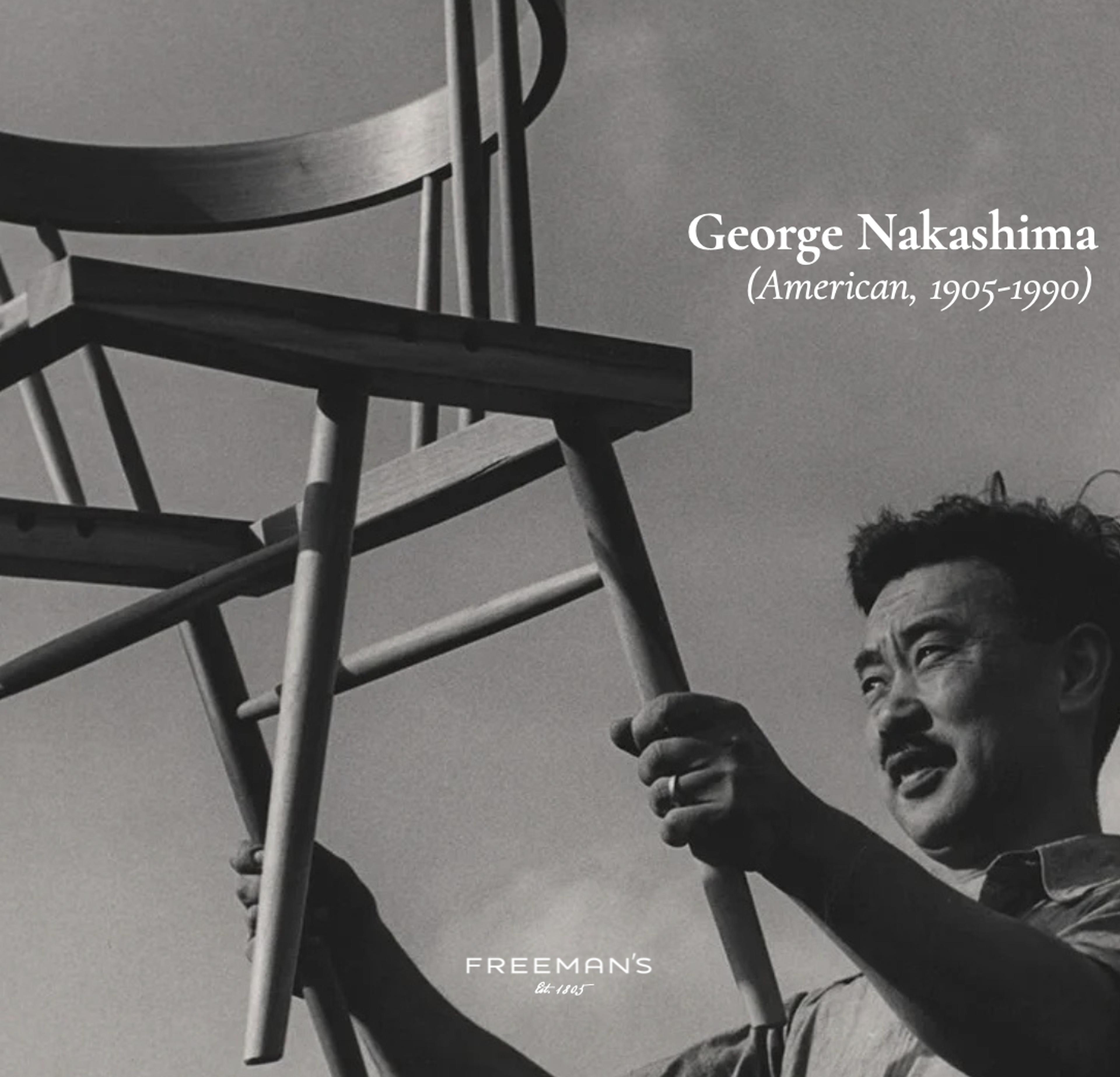
"The woodworker has a special intensity, a striving for perfection, a conviction that any task must be executed with all his skill…to create the best object he is capable of creating". – George Nakashima George Nakashima was an American woodworker and architect. His utilitarian approach to design revolved around the principle that the tree is the most intimate contact with nature, with each having a destiny to be fulfilled. “Each flitch, each board, each plank can have only one ideal use. The woodworker, applying a thousand skills, must find that ideal use and then shape the wood to realize its true potential.” – George Nakashima Nakashima graduated from the University of Washington and MIT, where he studied architecture. After traveling through Paris and Japan, he began work on the Sri Aurobindo Ashram dormitory in Pondicherry, India, where he became a disciple and gathered most of his spiritual influence. He then founded a shop in Bucks County, Pennsylvania on 3 acres of land, which expanded to include his home and worksite, both still in use today. His furniture served as a reactionary to the vanity of 20th century Modern design, and instead centered around direct contact with materials and clients. George Nakashima (American, 1905-1990) Grass seated stool, 1958 | Sold for $3,520 Freeman’s is proud to present works by George Nakashima, alongside lots from other notable 20th century makers in our upcoming sale. Art + Design Feb 26 | 10AM CT | Online
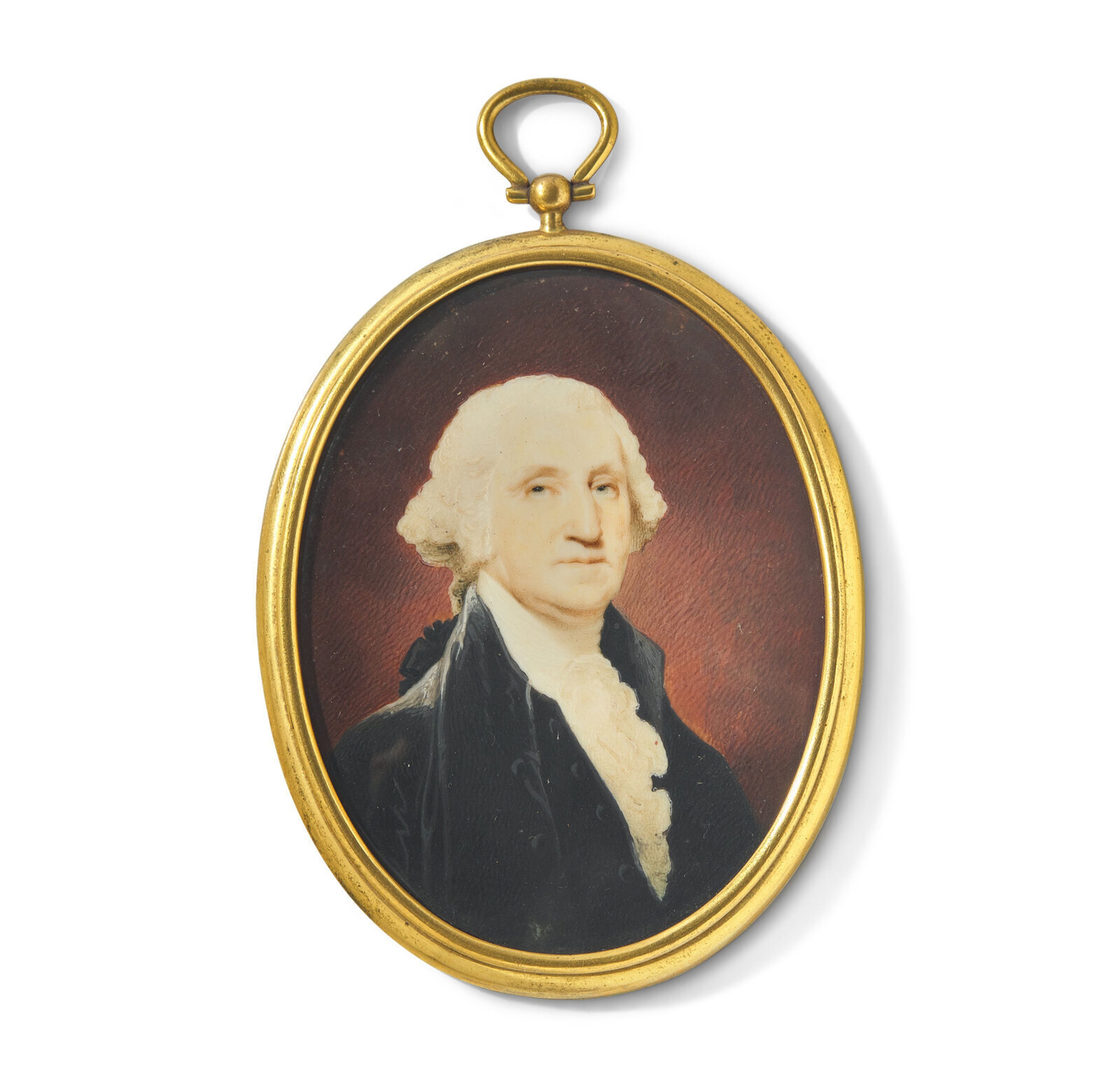
A portrait miniature of George Washington in Presidential attire, by Robert Field (1769-1819) after Gilbert Stuart (1755-1828), mounted in a gilt-locket frame, circa 1800. Born in London and trained at the Royal Academy, Robert Field arrived in the United States in 1794, with aspirations of depicting the new nation's cultural and political elite. Traveling first to Baltimore, and then to the temporary capital of Philadelphia, Field joined an active group of native and foreign-born artists—prominent among them, Charles Willson Peale, James Peale, and Gilbert Stuart. George Washington was the most coveted subject, and Stuart, creator of highly desirable portraits of Washington, declared Field as the era's greatest portrait miniaturist. This advocacy supported Field's ability to secure numerous commissions of miniature versions of Gilbert Stuart's portraits of the First President, in military uniform and presidential attire. View the American Furniture, Folk & Decorative Arts Auction, April 28, Philadelphia.
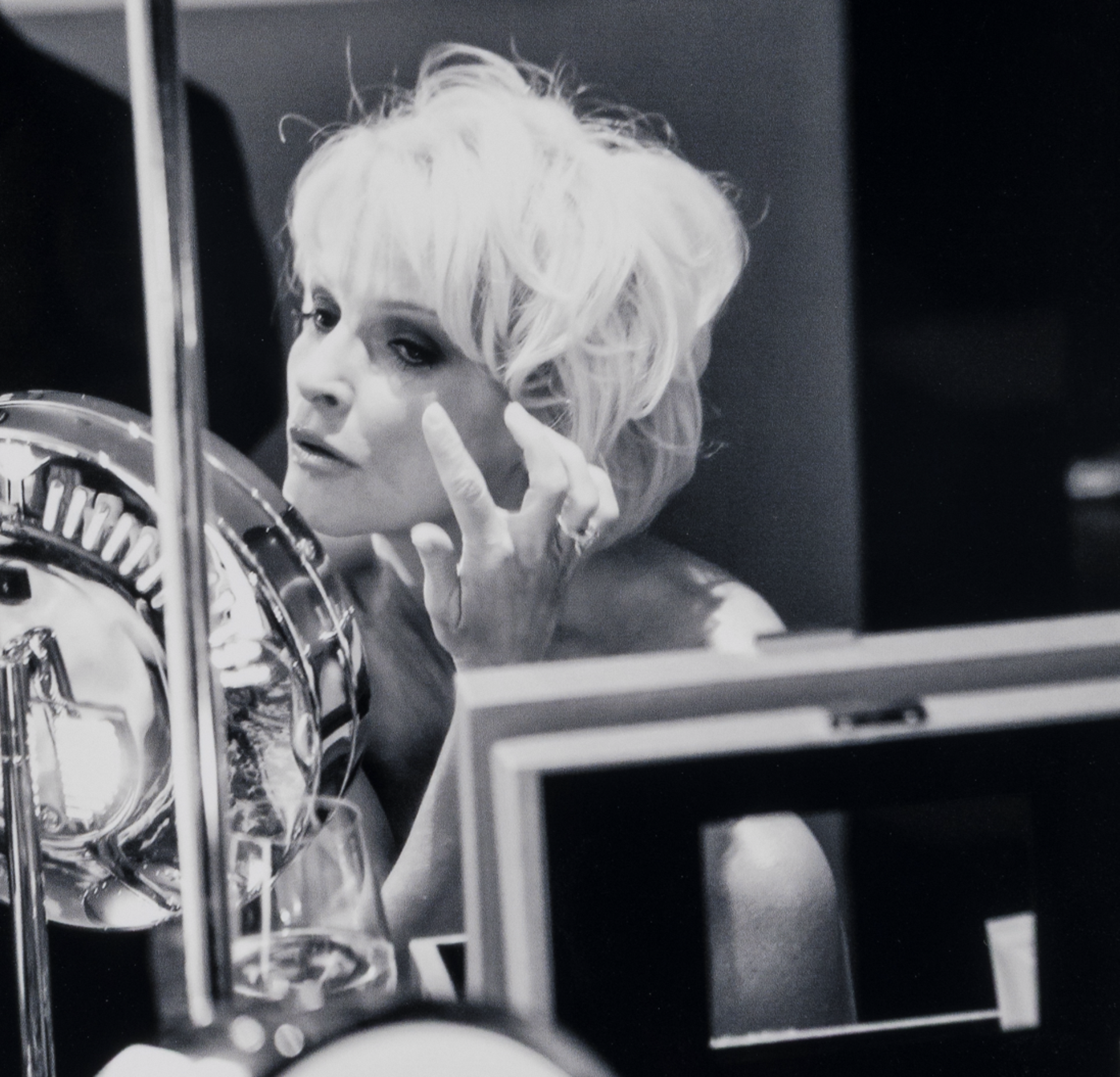
The Towbin Collection is a celebration of living life to the fullest. As a woman of taste and distinction, Jessica Towbin enjoyed traveling the world with her husband, Joel. Her collection, presented at Freeman’s on February 20, features couture, jewelry, watches, luxury handbags, and accessories from the most sought-after names in collecting. Built on the belief that style must be enjoyed, the collection presents a carefully chosen selection of contemporary fashion, favoring bold color and sharp silhouettes. Bright, fun, and ready to wear; every item is chosen with intention—designed to be styled boldly and enjoyed fully. Fashion and luxury accessories are central to the collection, bringing together top designers who define timeless fashion. Iconic houses such as Chanel, Hermès, Balenciaga, Prada, Gucci, and Louis Vuitton anchor the assortment, offering staples for every type of collection. The jewelry selection is equally dynamic, ranging from celebrated luxury brands to exceptional watches. Highlights include Alhambra jewelry from Van Cleef & Arpels, a Hermès Birkin 25, a Bulgari Serpenti Tubogas Watch, and an important collection of bold, sporty Hublot watches, complemented by diamond and gemstone jewelry chosen for craftsmanship and fashion-forward designs. Each piece adds dimension and sparkle, functioning as both a statement and a personal signature. Jessica Towbin’s collection illustrates a life in style. Her eye bridges heritage and innovation, pairing timeless refinement with a modern, joyful sensibility. The result is an integrated yet playful curation that reflects her passion for living life to the fullest. Ultimately, The Towbin Collection is an invitation to collect with heart, dress with confidence, and choose beauty.
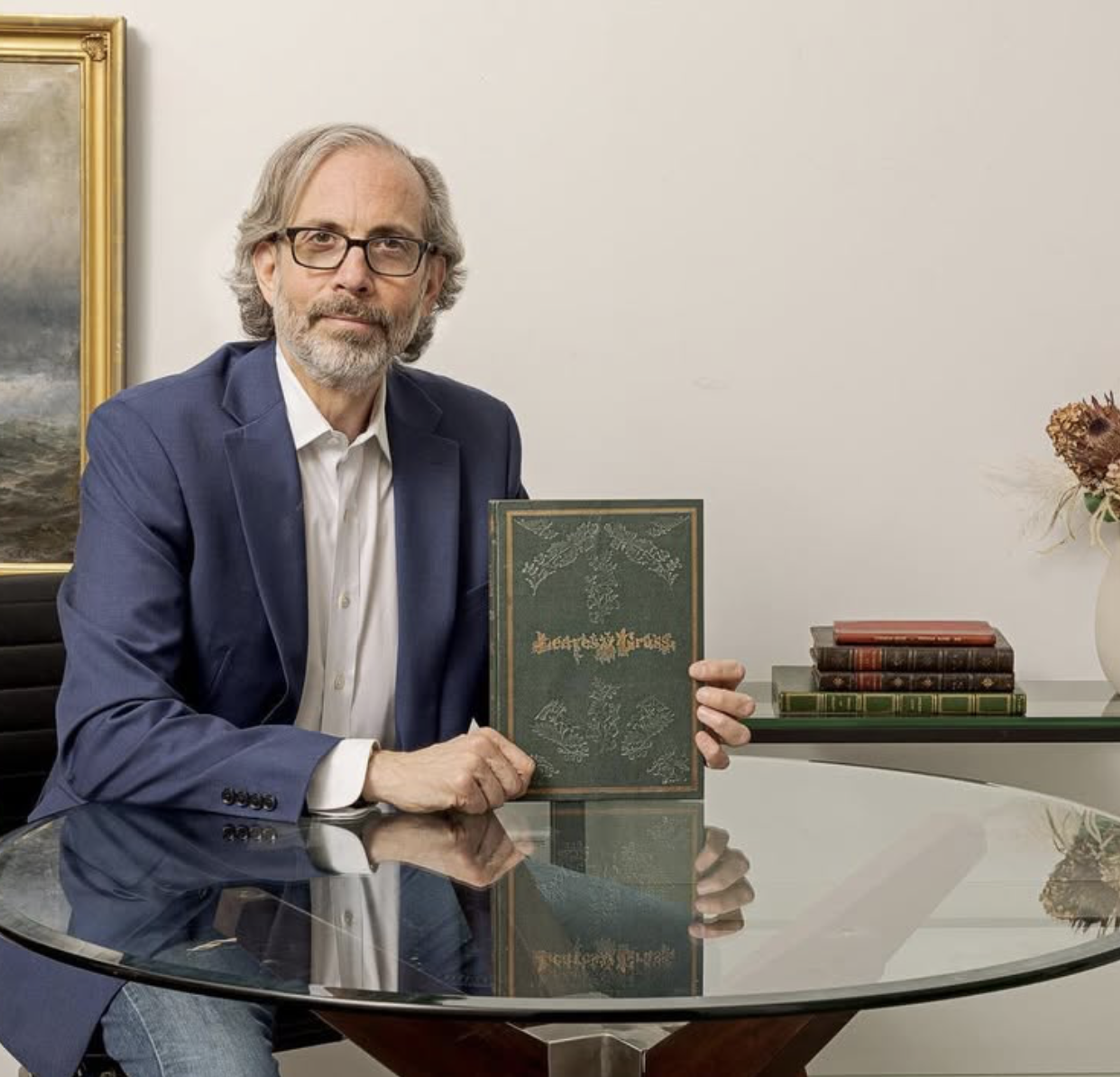
Today, we're spotlighting Darren Winston, Vice President, Head of Department, Books & Manuscripts. Learn about his journey in the world of Books and Manuscripts, and notable achievements at Freeman’s ahead of our Printed and Manuscript Americana sale, to be held live in Philadelphia on January 29. Freeman’s: What first sparked your interest in rare books and manuscripts, and how did that early passion shape your career path from bookseller to auction specialist? Darren Winston: My earliest memories of books are from the very early 70s when Dr. Seuss books would occasionally arrive by mail, the anticipation of which was all consuming! (I now realize my parents must have had some sort of subscription). I loved those books, not just for the stories but for the tactile part. Another early favorite author of mine was Stephen King—me aged 11 or 12 now—and I would only read him in hard cover; I turned my nose down at paperbacks! I continued to buy only hard covers from that moment forward while also realizing that the keeping and care of them was becoming very meaningful to me. I started selling books in my mid-twenties and the rest is history! F: As Senior Vice President, Head of Department, Books & Manuscripts, Philadelphia, how do you approach building a Printed and Manuscript Americana sale? DW: Every sale, every sale starts with a clean canvas and the “painting” usually starts the first day after whatever sale has just finished. Usually there are little to no books in yet but then they start. We get consignment inquiries regularly and continue to follow up on those, we reach out to existing consignors, existing clients who have expressed interest in possibly consigning, and once the first book comes in, we start to mold the sale. Every book that follows shapes the sale and shapes how we will find the next one and the next one. It is an art, a bit of alchemy, and a lot of fun as you are constructing a puzzle with no box to help you during the process! F: Are there themes or types of material you are especially excited to present in the January 29 Printed and Manuscript Americana auction? DW: The 250th anniversary of America declaring independence has allowed us to really drill down on the curatorial part of sale-building as there are very definite guardrails as well as opportunities to explore moving the guardrails! In addition to our usual schedule of three to four various-owners and various-themed sales, we have added several Americana-only sales as the demand is very high in 2026. F: You have worked across bookselling, broadcasting, museums, and television. How do these experiences inform the way you talk about and interpret historical material for today’s audiences? DW: All of that variety allows me to keep turning the object in my hand and focusing very hard on one angle until I turn it 90 degrees and focus on the next angle. Having the ability to work across those platforms makes me anticipate each question in one of several ways. I am constantly learning in this role and that learning lets me interpret more broadly with each new hat and each new book/object. F: What advice would you give to new collectors interested in entering the field of American historical material as the nation approaches its semiquincentennial? DW: Focus on what interests you, don't be led by anything else. If you are interested, you are always all-in. The semiquincentennial brings a hyper focus into our world and that is a great wave to try and ride. F: Looking ahead, how do you see the market for Americana evolving over the next decade? DW: One never wants to jinx anything, but we have been on an upward trajectory since Covid and that appears to be continuing! One is always concerned that with certain subjects in collecting desire goes up and down, key players come and go, but things almost always right themselves. The key is to try and observe, understand, and even predict your market. Calmness and clarity are great friends! We’d like to thank Darren Winston, our Senior Vice President, Head of Department, Books & Manuscripts, Philadelphia, for sharing his remarkable story and expertise with us. Darren's passion for Books and Manuscripts shines through in everything he does—from uncovering hidden treasures to guiding collectors and families as they share their pieces with new generations. With such experience in the field, Darren continues to inspire both seasoned collectors and newcomers alike with his deep knowledge, curiosity, and genuine love for the books and stories that shape our shared past. If you’d like to learn more or discuss consigning with Darren, he’d love to hear from you: Darren Winston Senior Vice President, Head of Department Books & Manuscripts, Philadelphia [email protected] 267.414.1247
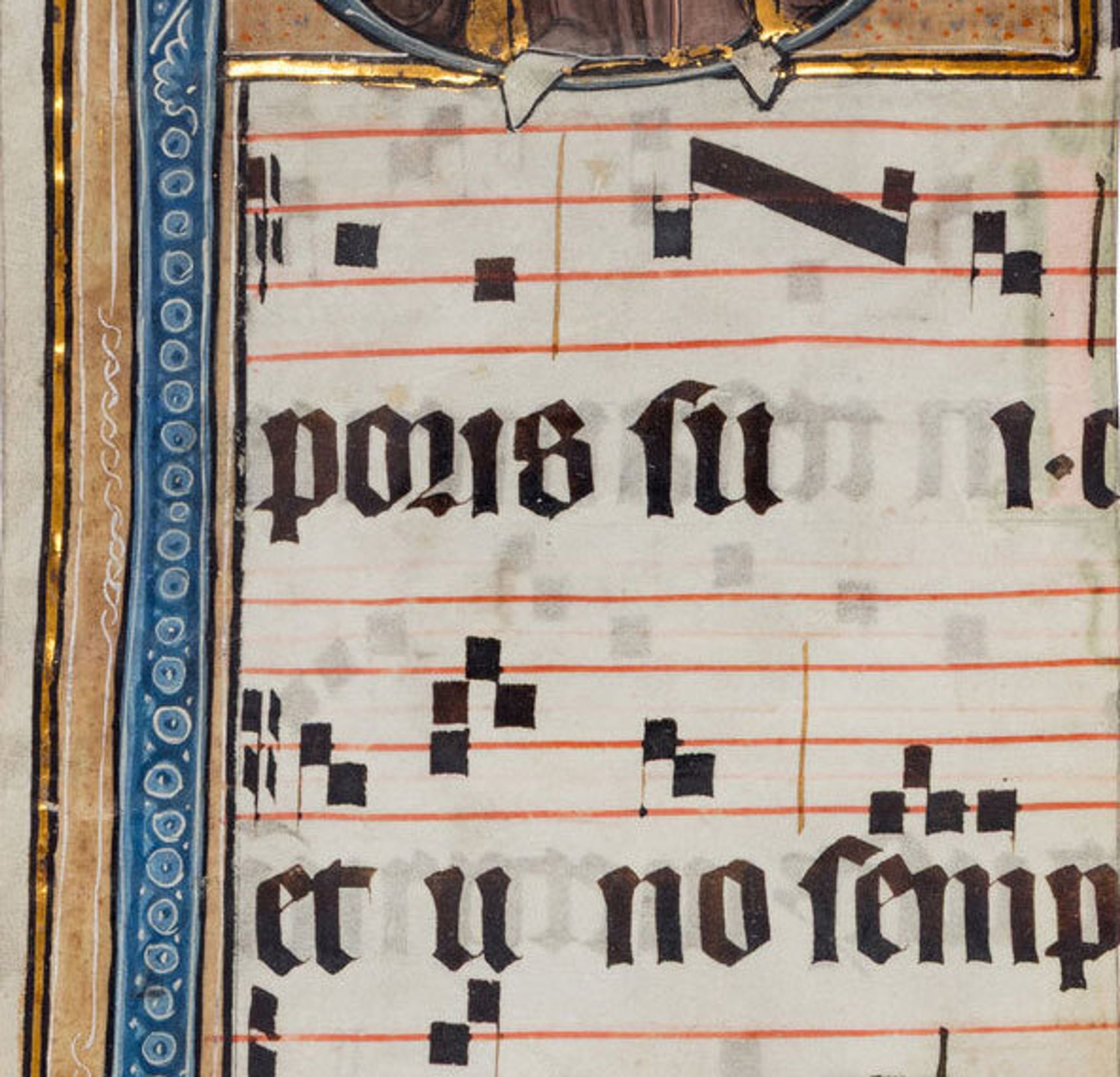
Brisk bidding at the Freeman's sale of Western Manuscripts on July 8, 2025, took place for lot 31, an illuminated cutting of an initial ‘P.’ From one of the most renowned Gothic Choir Books of the Middle Ages, this cutting showed Saint Bernard with two nuns from the so-called Beaupré Antiphonals, named for the female convent for which they were made. The artist-scribe, Johannes de Toussens, was a Cistercian monk who is depicted in one of the surviving volumes of the Choir Book set now in the Walters Art Museum. In the nineteenth century, the volumes were owned by the Victorian polymath John Ruskin (1819-1900), who called them “noble old armorial music books.” Ruskin separated the volumes into smaller units and gave pages away to his friends. Then, in 1863, a fire in London destroyed some of the volumes; this miniature survived the fire. Whereas the extant volumes are mostly in museums, few leaves ever appear on the open market, and this one came from an American Collection formed in the early part of the 20th century. We are currently inviting consignments of individual lots and whole collections of medieval and early modern manuscripts for the Summer Sale of Western Manuscripts and Miniatures in July 2026. Consignments of incunables are also welcome. Click here to consign with us. Freeman’s is a premier American auction house offering services in multiple categories including fine art, jewelry, design, books and manuscripts, furniture, decorative arts, antiquities, couture, and Asian works of art. With 16 regional locations nationwide, the firm provides auctions, appraisals, private sales, and art advisory services, connecting clients to the global art market. Freeman’s strives to bring art, history, and design to life by connecting people with extraordinary objects through exceptional service and expertise.
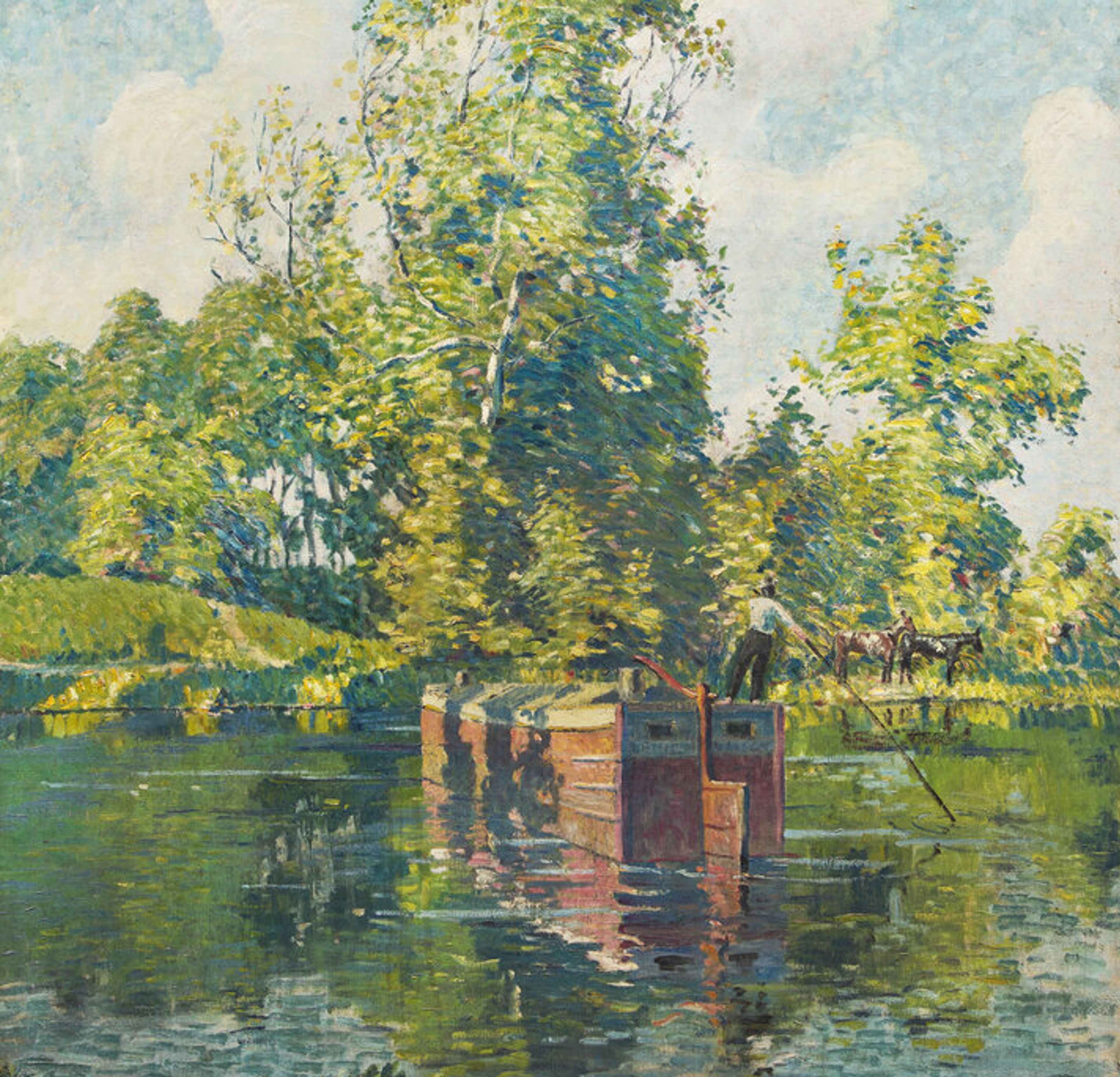
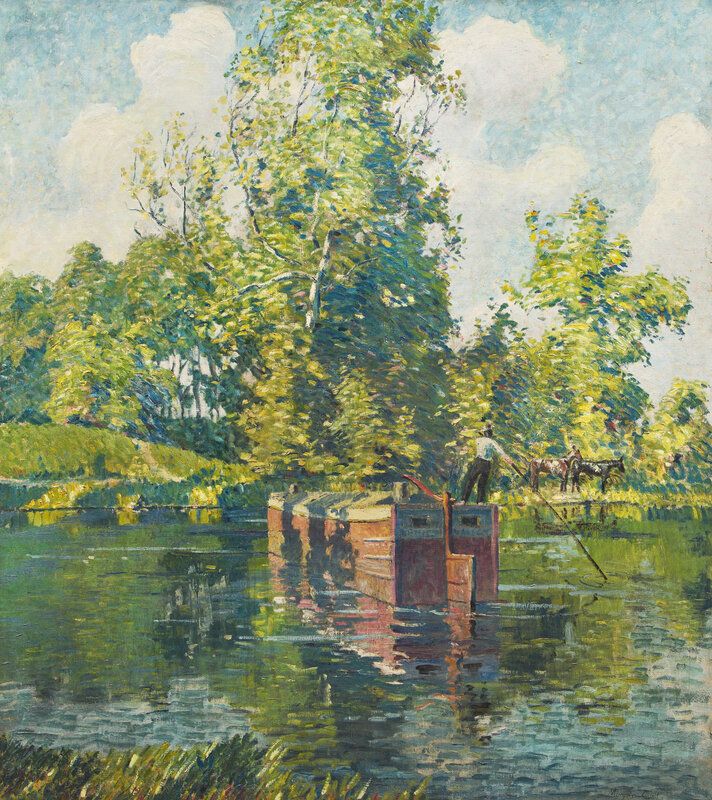
Born in Summit, New Jersey in 1876 and trained at Columbia University’s School of Architecture, Colt initially joined a New York architectural firm before abandoning the discipline altogether, eager to escape what he once described as the restrictive demands of “clients’ tastes or whimsies.” Drawn instead to the freedom of artistic expression, Colt settled at Phillips’ Mill, where he formed a close friendship with William Langson Lathrop, Edward Willis Redfield, Daniel Garber, Charles Rosen, Rae Sloan Bredin, and Robert Spencer–the first generation of New Hope School painters. Though he pursued painting, design, and crafts with equal devotion, Colt is remembered today primarily for his luminous Impressionist landscapes, which he composed in the studio because of a chronic heart condition that prevented prolonged outdoor study. The present painting stands apart within the limited corpus of Colt’s work. The largest known oil by the artist, it represents one of his most ambitious surviving compositions ever to appear on the market. On the monumental canvas, Colt inscribes a now-vanished chapter of life along the Delaware River with an almost cinematic immediacy. Rather than offering a distant vista, Colt brings the viewer directly onto the river, where the diagonal movement of a barge contrasts gently with the horizontal (and echoing) banks as well as the rustling canopy of trees overhead. A figure stands at the stern, pole in hand, while a team of mules waits at the riverbank; small yet evocative details that anchor the composition in lived history. In this sentimental view, Colt memorializes the everyday labor and quiet poetry of river life before mechanization transformed the region’s rhythms forever. Colt’s brisk, shimmering brushstrokes animate the reflections on the river’s surface, while the bright, sun-filled palette envelops the entire composition in a sense of warmth and pastoral calm. The canvas resonates with nostalgia, not only because it preserves a nearly forgotten mode of transportation, but because Colt renders it through a screen of dappled light, mirrored water and soft atmospheric haze, which transforms the industrial subject into an homage to the enduring beauty of Bucks County. Colt died suddenly of a heart attack in 1926, leaving many canvases unfinished and an even greater number tragically destroyed by subsequent occupants of his home. This historic loss makes the reappearance of the present canvas on the market even more exciting and momentous. Discover this landmark work by Morgan Colt and explore the full selection of Pennsylvania Impressionist offerings in our upcoming sale.
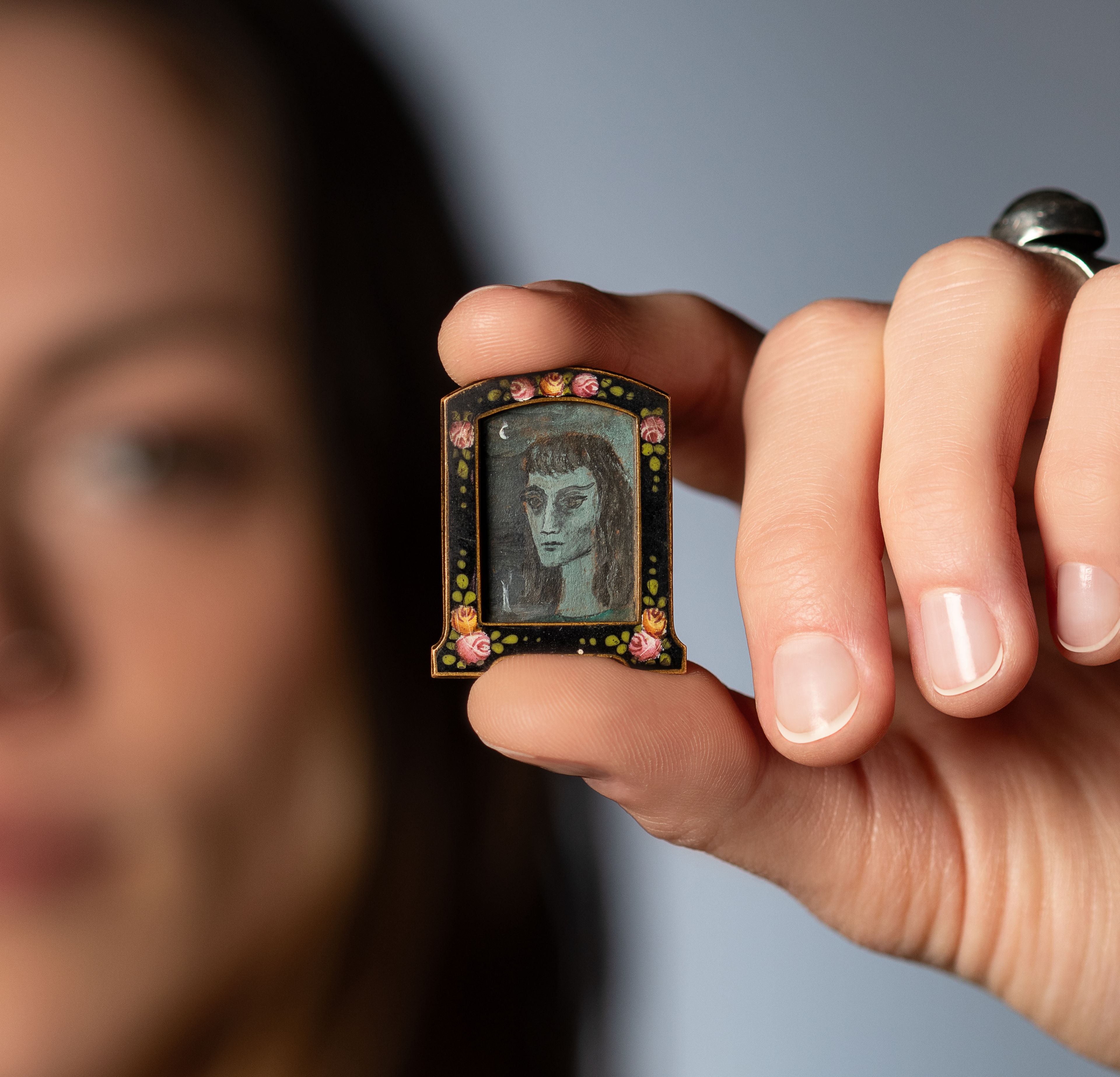
Gertrude Abercrombie created self-portraits throughout her career, from her earliest known work, a Self Portrait, 1929 (location unknown, in which she appears in the guise of Greta Garbo, one of her favorite actresses, to one of her last works, the pen and ink Self Portrait from 1968.
Discover the perfect holiday gift for everyone on your list with The 1805 Gift Guide.
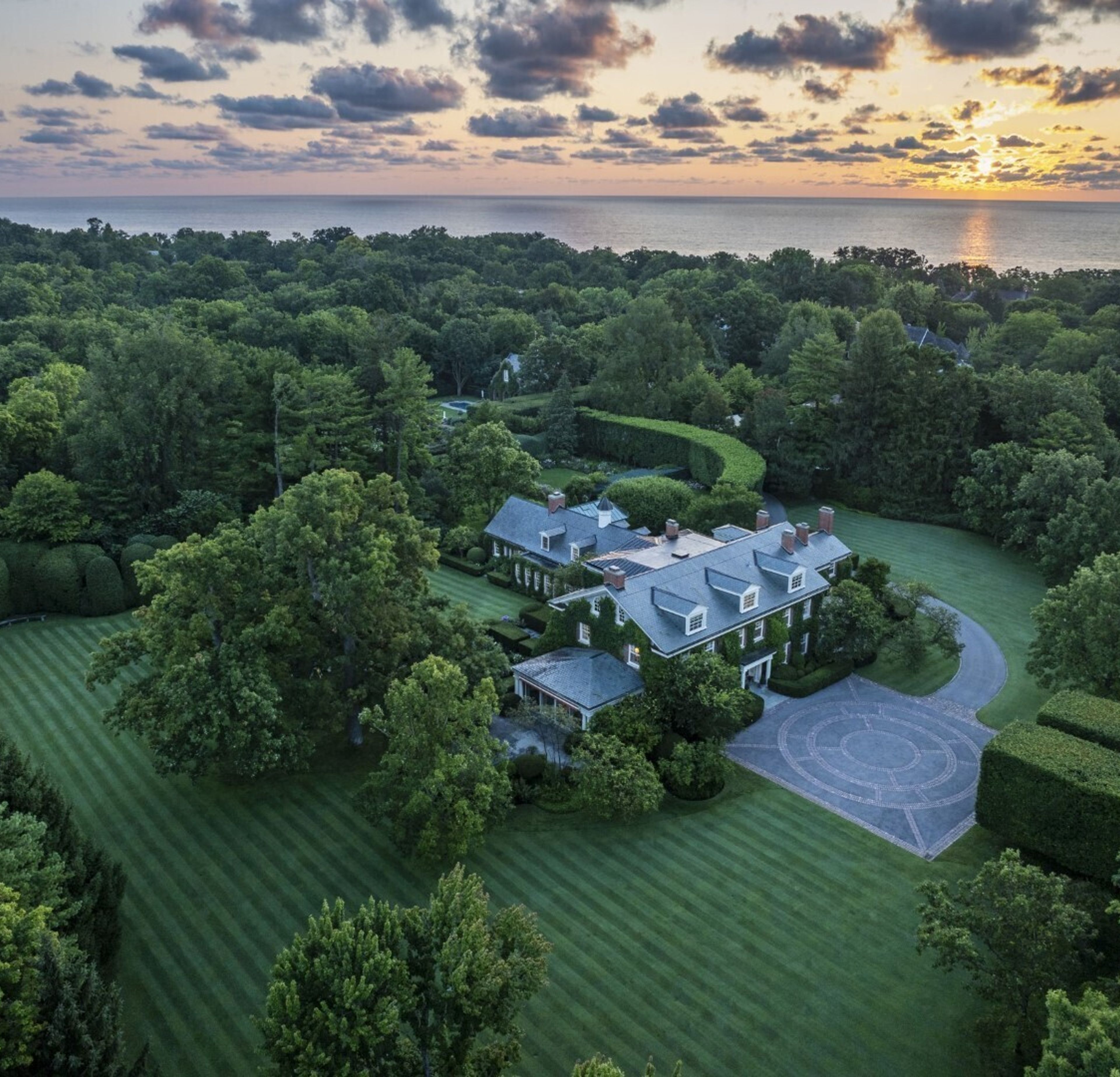
Freeman’s is very proud to announce the sale of Camp Rosemary, property from the collection of Posy Krehbiel.
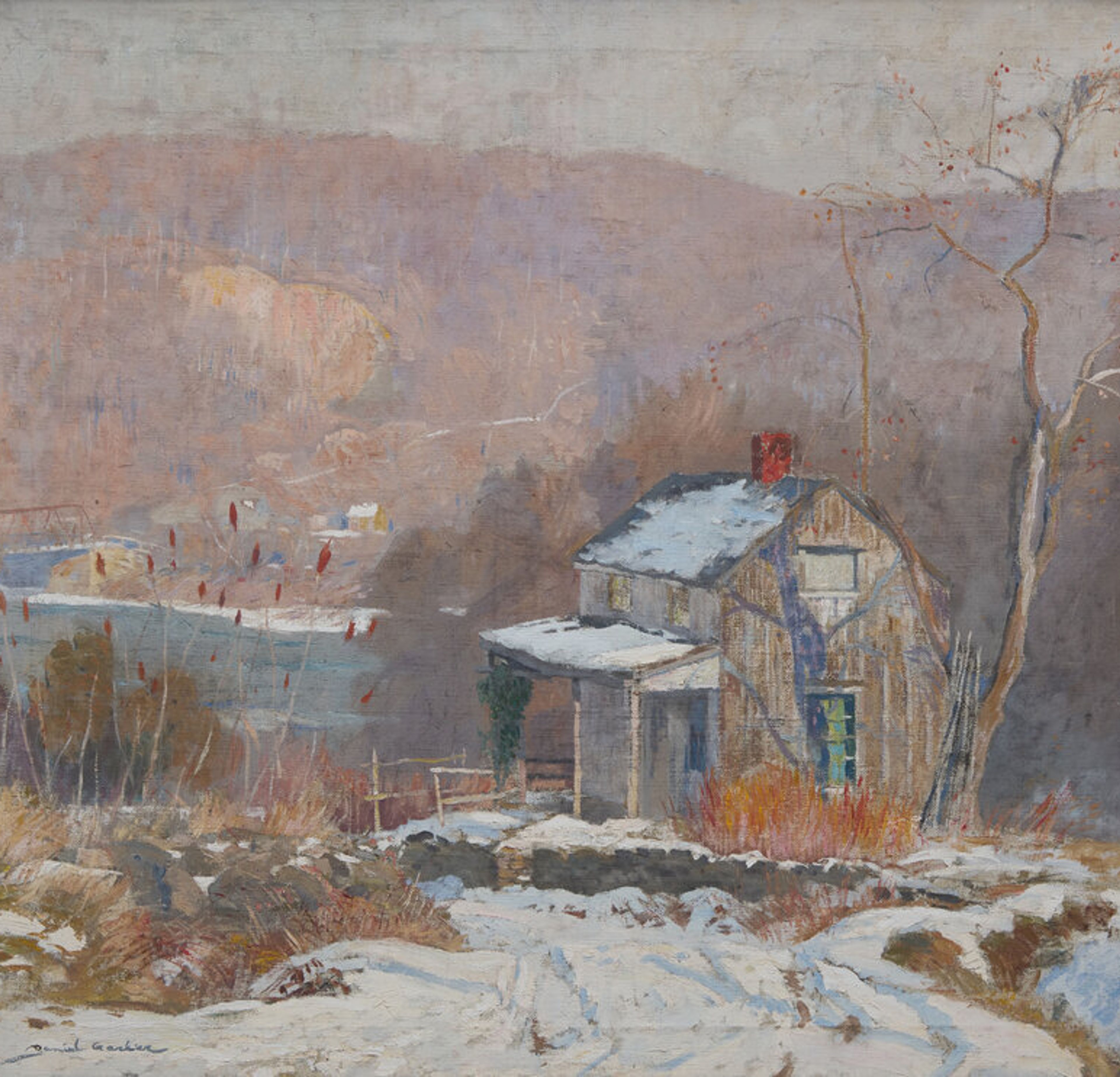
Sumac Lane is characteristic of the paintings Daniel Garber produced in the late 1920s, when he frequently depicted small dwellings, secluded paths, and modest towns gently enfolded by the natural world. Painted in December 1928 from the top of the hill at Point Pleasant, Pennsylvania, the scene overlooks the quarries on the distant shore of the Delaware River. It is the second in a series of at least three paintings (including Ferry Road, cat. no. 518) that feature the same solitary “warm grey house” looking down Sumac Lane, and belongs to one of the earliest groups that Kathleen Foster has described as forming “the finest achievement of his career.” The composition is intentionally understated: the soft horizontal strata of the quarry in the distance are set against the elegant vertical sweep of the bare tree in the foreground, creating a subtle tension between stability and movement. The house sits quietly among winter grasses and sumac, its snow-capped roof catching the pale seasonal light. Garber revisited this site later in his career, most notably in the winter of 1930, adding a bare tree at the far end of the house and illustrating the compositional liberties he was willing to take in shaping his landscapes. When exhibited at the Pennsylvania Academy of the Fine Arts in 1929, paintings of this homespun simplicity resonated with audiences eager to define American art in plain, unpretentious terms. Through his meticulous study of winter light and the rugged contours of the Bucks County terrain, Garber elevates an ordinary hillside dwelling into a vision of serenity and quiet majesty. As Sam Hunter observed, and as Sumac Lane so beautifully demonstrates, Garber (much like George Inness before him) was able to draw “from the spectacle of nature an elevating and ennobling experience, in a somewhat melancholy, elegiac mood.” Register to bid on this painting and other works in the sale.